Malta Must Act Fast on Deepfakes and Gender Based Violence

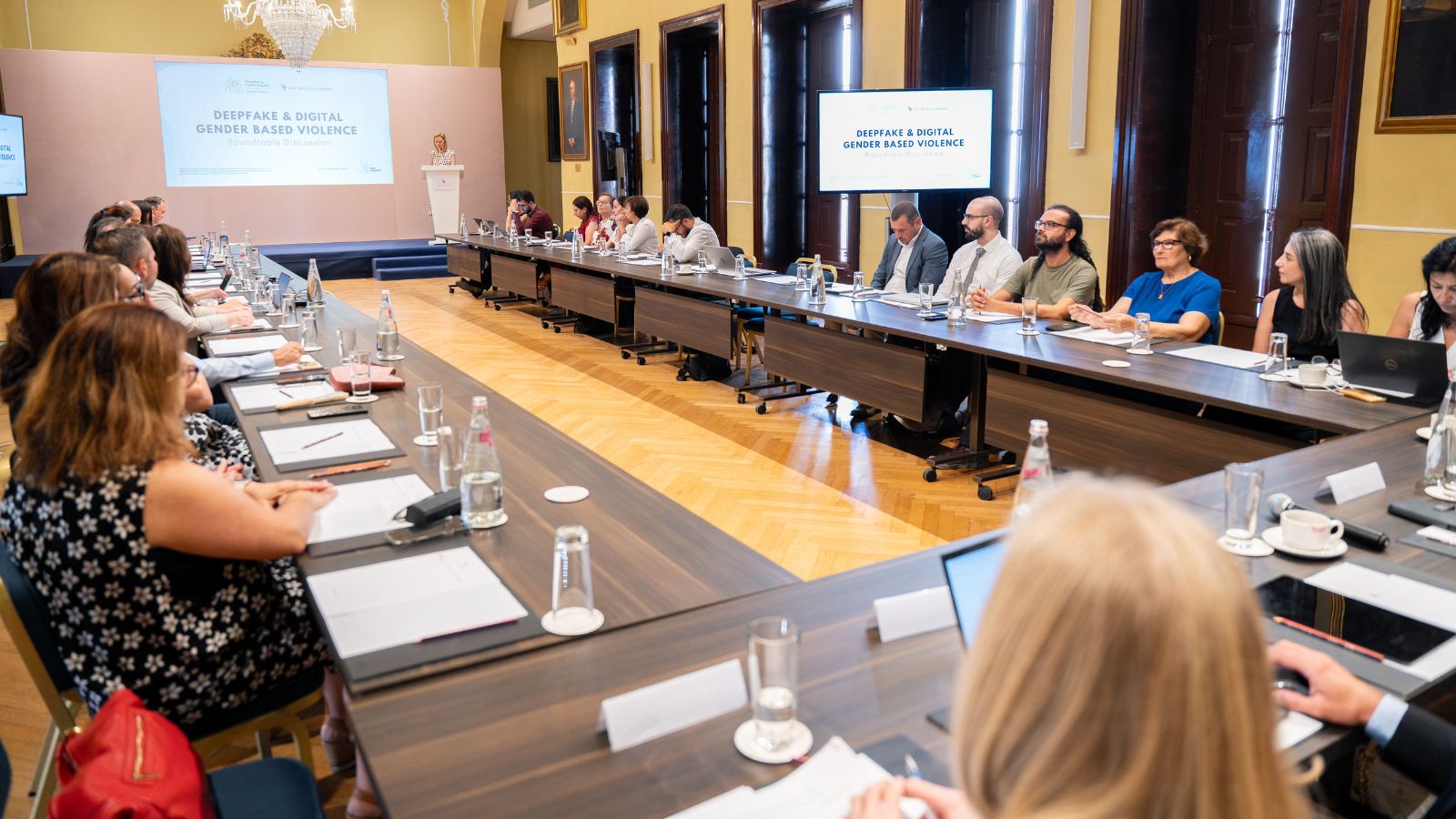
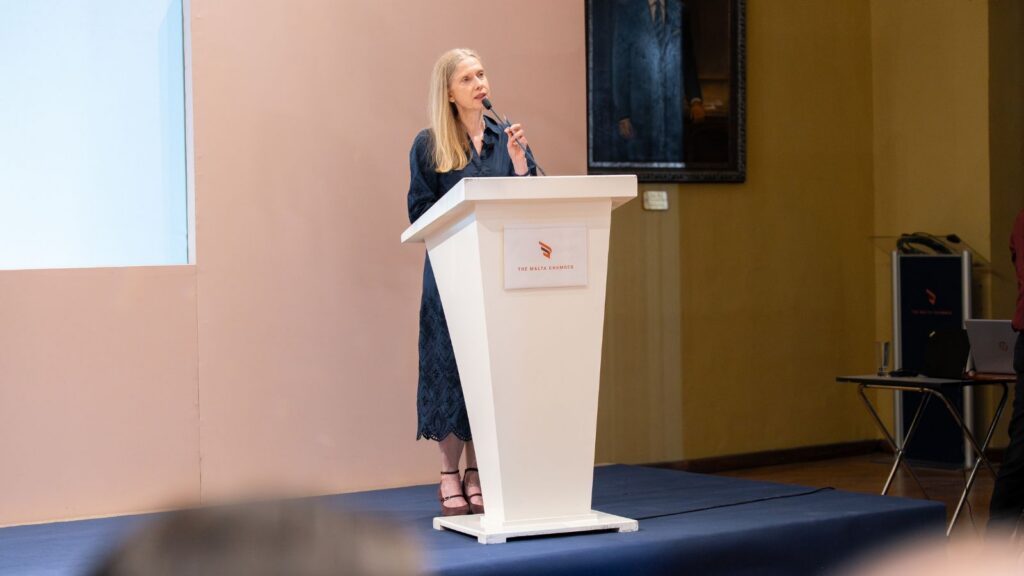
The Malta Chamber of Commerce, Enterprise and Industry organised a roundtable discussion on deepfake technologies and gender-based violence as part of its initiative, funded by the Commission on Gender-Based Violence and Domestic Violence through the ‘Together We Empower-A Future without Violence’ programme. The roundtable addressed topics such as the State’s positive obligation to protect, the challenges posed by misinformation, the gaps in current national legislation that do not properly address deepfakes, how easy it has become to create deepfakes, and the effects on victims, such as shame and self-blame. It brought together key stakeholders from business, government, civil society, and technical fields to establish a structured, evidence-based platform for dialogue, promote national legislation on deepfakes, and encourage coordinated sectoral responses. The event included presentations from Judge Lorraine Schembri Orland, Dr Antonio Ghio, Dr Sophie Nighintagle, Ms Naja Bentzen and Rachel Bondi Attard who shed light on the realities of deepfakes.
Maltese Judge at the European Court of Human Rights, Lorraine Schembri Orland referred to a number of cases decided by the European Court of Human Rights, including Opuz v. Turkey (2009), Valiulienė v. Lithuania (2013), Talpis v. Italy (2017), and Volodina v. Russia (2019), which provide jurisprudence on the State’s positive obligation to protect.

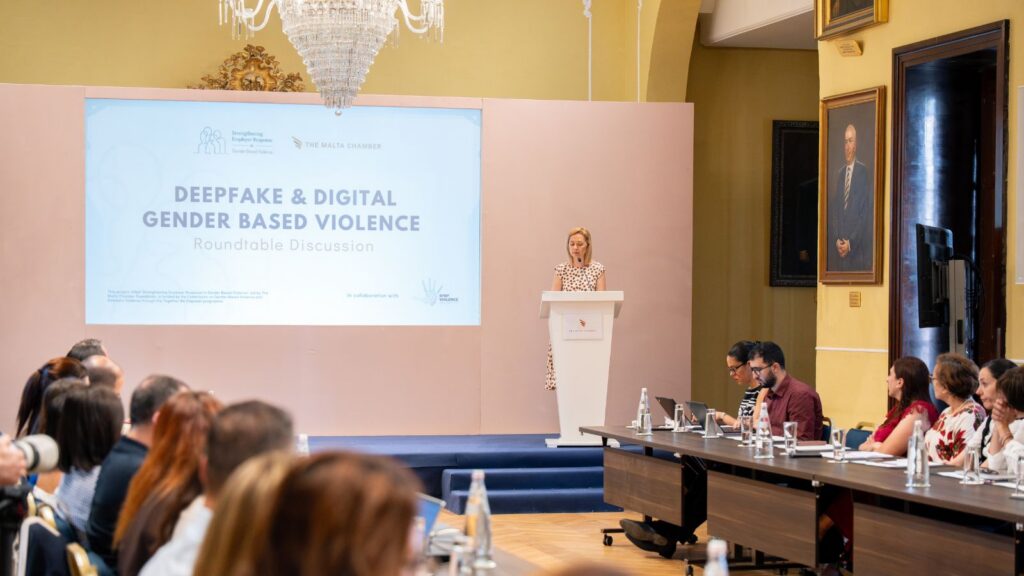
Rachel Bondi Attard, Head of Media and Communication Strategist during her welcome speech said that, “Technology is a continuation of centuries-old social attitudes in which women’s bodies, images, and reputations have been treated as objects for public consumption, control, and judgement. Artificial intelligence did not invent the exploitation of women: it automated it.
Ms Naja Bentzen, Disinformation Analyst and Author of the policy brief ‘Women in the age of AI-enabled disinformation’, highlighted that women are facing growing pressures online: geopolitical and ideological backlashes against women’s rights are further accelerated by generative AI-facilitated gendered disinformation. However, this artificially enhanced resurfacing of misogynist tropes from the past is not inevitable: it can be tackled with well-balanced (tech) regulation, strengthened enforcement, and a whole-of-society approach to boosting information integrity and democratic resilience.
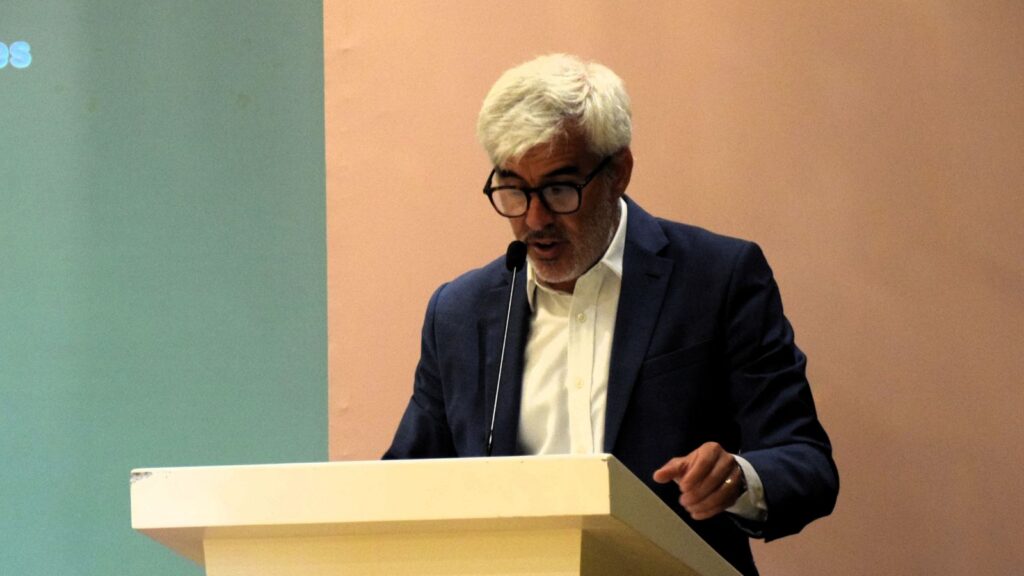
During the event, Dr Antonio Ghio, Partner at Fenech & Fenech Advocates, explained that while Maltese law criminalises the dissemination of sexual content without consent, it does not yet adequately address the creation and dissemination of sexually generated deepfakes and the harm it creates to such victims. He said, “other countries have amended their laws to address and criminalise such acts.” While it is important not to rush at the expense of a well-designed law, Malta urgently needs to address this issue, especially through the proper transposition of EU Directive 2025/1385 on combating violence against women and domestic violence, as well as looking at how other countries are amending their criminal laws to recognise such offences.
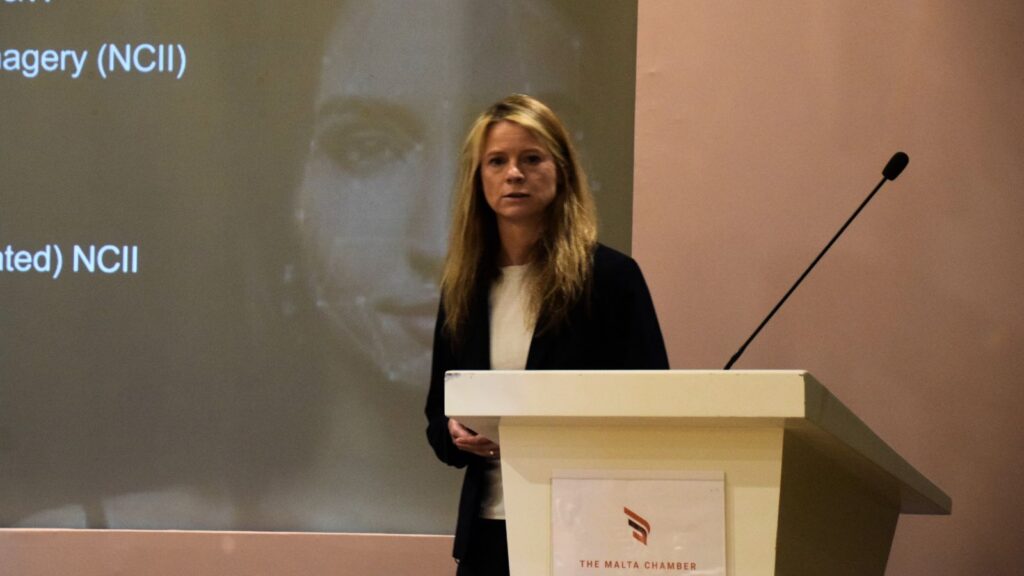
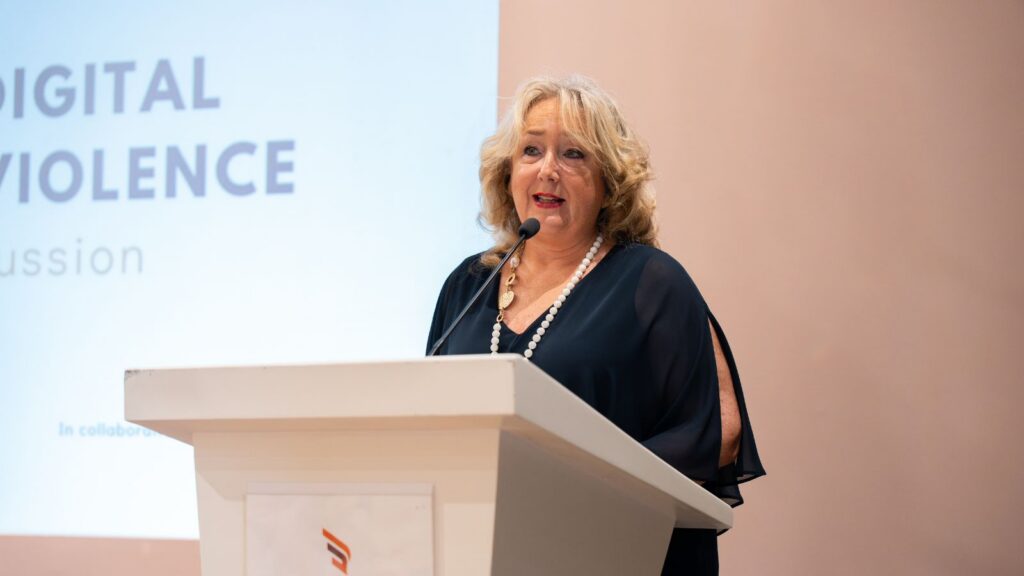
Dr Sophia Nightingale, Senior Lecturer in Psychology at Lancaster University, concluded the event by showing how the sophistication and accessibility of generative AI now allow almost anyone to create convincing fake images, audio, and video. Nefarious uses of this technology to generate non-consensual intimate imagery are on the rise. She said, “the impacts on those targeted can be devastating through the ongoing psychological, emotional, and physical harms caused.”

Through this initiative, The Malta Chamber wanted to contribute to a meaningful discussion and collaboration among key national stakeholders on the challenge of deepfakes and gender-based violence. Unfortunately, this technology is easily accessible, and the generation of deepfake sexualised images can have a profound effect on victims. The invited guest speakers addressed both legal and social realities, and the event also provided attendees with the opportunity to learn about the latest studies on the subject.

This article has been funded by the Commission on Gender-Based Violence and Domestic Violence through the Together We Empower programme.

Traffic Cannot Remain the Order of the Day

Bold decisions need to be taken immediately and actioned without further delay

The Malta Chamber of Commerce, Enterprise and Industry has been consistently putting forward concrete proposals to address Malta’s traffic and mobility crisis throughout the last legislature. We have done so in published press releases, consultation documents, pre-Budget submissions, pre-election submissions and sector-specific proposals because the status quo is not sustainable. Yet, despite repeated warnings and practical suggestions, very few of the Chamber’s recommendations have been taken on board in any meaningful way.

Traffic is not merely an inconvenience. It is a drag on national productivity, a daily cost to businesses, a burden on workers, has negative effect on the wellbeing and a serious obstacle to Malta’s competitiveness. Lost time in congestion translates directly into delayed deliveries, missed appointments, reduced efficiency, higher operating costs, and lower quality of life. When traffic becomes normalised, the country pays for it in hours lost, fuel wasted, wellbeing reduced and business opportunities diminished.

The Malta Chamber has said this repeatedly: a real shift in behaviour will not happen through incentives and positive reinforcement alone. If the objective is to reduce private car dependency, disincentives must also form part of the policy mix. Without a balanced approach that includes practical alternatives and measures that make continued car use less attractive in peak conditions, behavioural change will remain limited and the roads will remain congested.

It is highly concerning that the implementation of measures to improve quality of life and productivity is lagging far behind. In an age of digitalisation and AI, Malta is still discussing basic coordination issues, with too many roadworks, permits and transport decisions still managed in fragmented ways. The country cannot continue deploying manpower to manage roundabouts and congestion manually when intelligent traffic-light systems, smarter data tools, and better coordination platforms should already be standard.

The Malta Chamber therefore reiterates its call for a fundamental change in the way traffic is managed. This is not a matter of isolated fixes; it requires a coherent national effort, backed by strong governance, proper coordination and the political courage to take decisions that may be difficult in the short term but are essential for the country’s long-term health.

The Malta Chamber’s proposals include the following:

• Introduce mobility e-wallets funded through targeted urban parking and congestion-management revenues, so that the scheme promotes actual modal shift.
• Use an AI driven solution through which local councils process domestic and business requests for road closures and permits, including an interactive public-facing platform to give residents and businesses advance visibility of disruptions to allow for their proper planning. This system should build on and be an integral part of the internal system being used between various government entities intended to minimize road disruptions and which currently is lacking on the public-facing on-the-fly information updates.
• Introduce a public-facing platform for local council domestic and business requests for road closures, giving residents and businesses advance visibility of disruptions. This should complement the existing coordination system between entities, while addressing the missing public-facing element.
• Reform school transport through geographic pooling and wider use of supervised walking and community-based initiatives to reduce school-front congestion.
• Deploy smart parking information systems in congestion-prone localities to reduce unnecessary circulation in search of parking.
• Roll out smart mobility and logistics solutions for commercial areas, including loading-bay management, delivery-slot booking and enforcement tools.
• Use public-private partnerships to relocate on-road parking into underground or multi-storey facilities, while freeing surface space for more efficient mobility uses.
• Develop logistics consolidation hubs where evidence supports them, in order to reduce duplicate freight trips and improve competitiveness.
• Link public funding for transport and infrastructure to independently verified mobility outcomes, so that money follows results, not promises.

The Malta Chamber urges Government to heed these proposals with urgency and seriousness. Malta can no longer afford piecemeal measures, slow implementation and half-measures that fail to address the root causes of congestion. If Government does not act decisively now, the country risks entrenching inefficiency, weakening competitiveness and failing residents, workers and businesses alike. It’s time to break the gridlock!

United Group Celebrates 100 Years of Enterprise and Growth

A century after its founding, United Group is celebrating 100 years of entrepreneurship, innovation, and growth – reflecting on its legacy while looking confidently towards the future.

Founded in 1926 by Carmelo Gatt Baldacchino, the Group began from humble origins with the introduction of one of Malta’s first motor-driven buses, later expanding into chauffeur-driven transport services.

Following Carmelo’s passing, his son Charles Gatt Baldacchino assumed leadership of the business. As Malta evolved into a leading tourism destination, Charles established strong relationships with major UK tour operators, providing destination management services and becoming a key contributor to the early development of Malta’s tourism industry. During this period, he also secured the Hertz franchise for Malta, significantly expanding the Group’s vehicle rental operations. In later years, the business further diversified into automotive importation and distribution. During the 1980s, Charles’ children joined the company and began managing various divisions within the Group.

Following Charles’ passing, his wife Carmen assumed a leading role within the organisation alongside her children, guiding the Group into new sectors including fashion retail and real estate.

Over the past century, United Group has continuously adapted to changing economic landscapes while remaining firmly grounded in its core values of integrity, respect, and accountability. These principles continue to define the Group’s approach to business today.

Throughout its history, the Group has established strong strategic partnerships and represented several internationally recognised brands within the Maltese market. Among its more recent milestones are the development of Pendergardens, its involvement in the establishment of Motors Inc., recognition by Hertz International as its oldest franchisee in Europe, and the expansion of its real estate portfolio into Austria.

Today, United Group remains focused on sustainable growth, operational resilience, and strong governance. Its strategic priorities include strengthening its real estate investments, supporting its core operations, pursuing both local and international opportunities, and ensuring continuity across future generations.

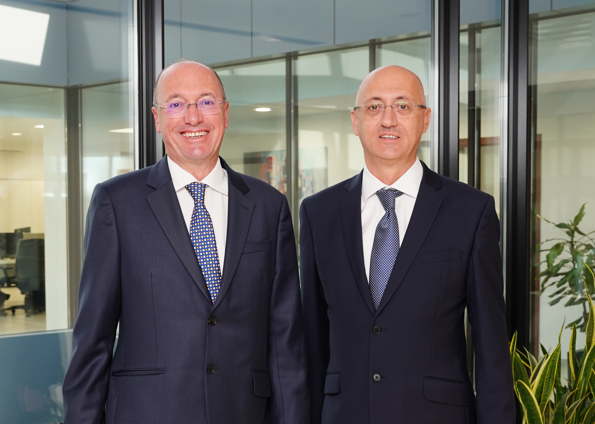
Commenting on the centenary milestone, Executive Directors Edmund and Simon Gatt Baldacchino said:

“Reaching 100 years is a significant milestone for the organisation and an opportunity to reflect on the journey that brought us here, as well as the many employees, partners, and principals – past and present – who have formed part of this story. This anniversary is not only a celebration of our legacy, but also a reflection of our vision and strategy for the future.”

Learn more about United Group’s 100 Year Milestone here.

BOV quiz night brings colleagues together for a fun night

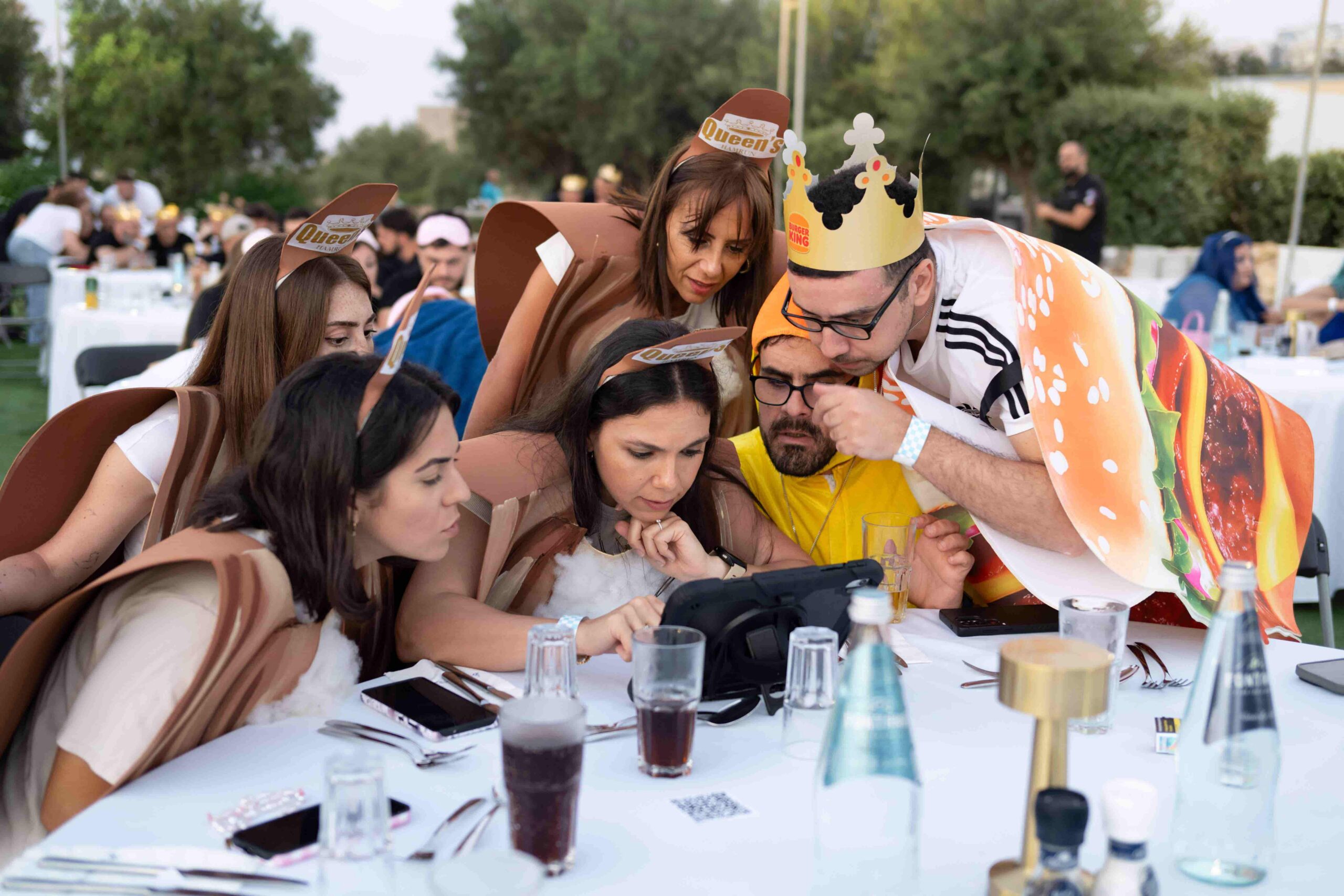
Bank of Valletta reaffirmed its commitment to building a strong, people-centric culture with the successful organisation of its annual Quiz Night, an initiative led by the Bank’s Sports and Social Committee (BOVSSC). Held at the DB Seabank Hotel in Mellieħa, the event brought together employees from across the organisation for an evening that blended friendly competition with meaningful connection.

A total of 37 teams took part, reflecting the strong engagement that continues to define the Bank’s culture. From the outset, the atmosphere was charged with energy as colleagues put their knowledge, quick thinking and teamwork to the test across a wide-ranging and carefully curated quiz programme. The event was expertly delivered by Outdoor Living, ensuring a seamless and engaging experience throughout.

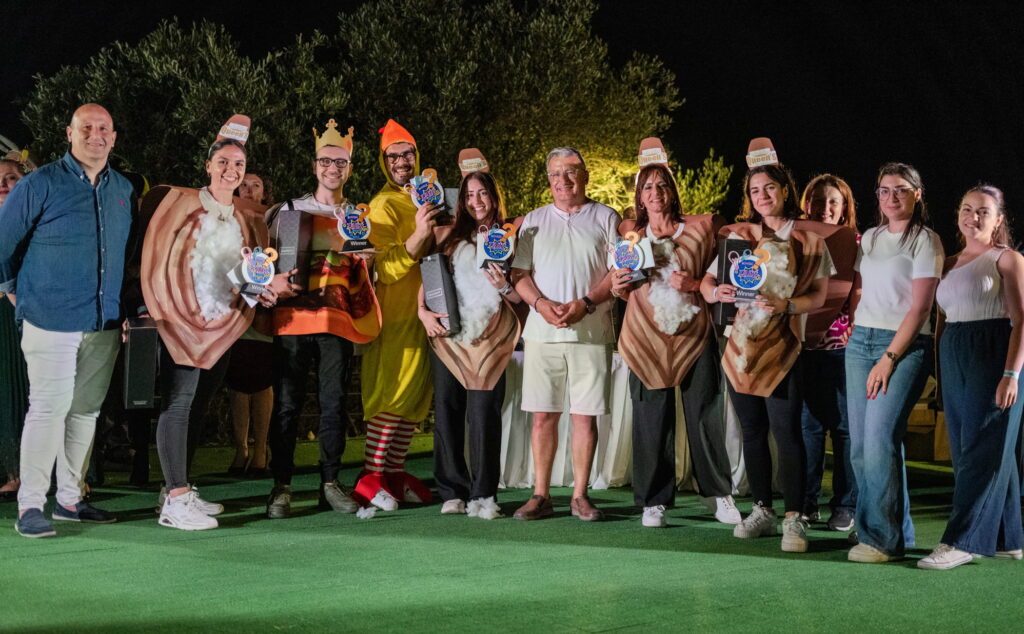
Adding a distinctive highlight to the evening was this year’s theme, “Kings and Queens,” which saw participants embrace the concept with remarkable creativity. The venue was transformed into a vibrant royal showcase, with teams demonstrating not only attention to detail but also a shared sense of enthusiasm and collaboration that extended well beyond the quiz itself. The costume competition proved a standout feature, with ‘Far Far Away’ taking top honours, followed by ‘The Sovereign Snackers’ and ‘Dora Swat’.

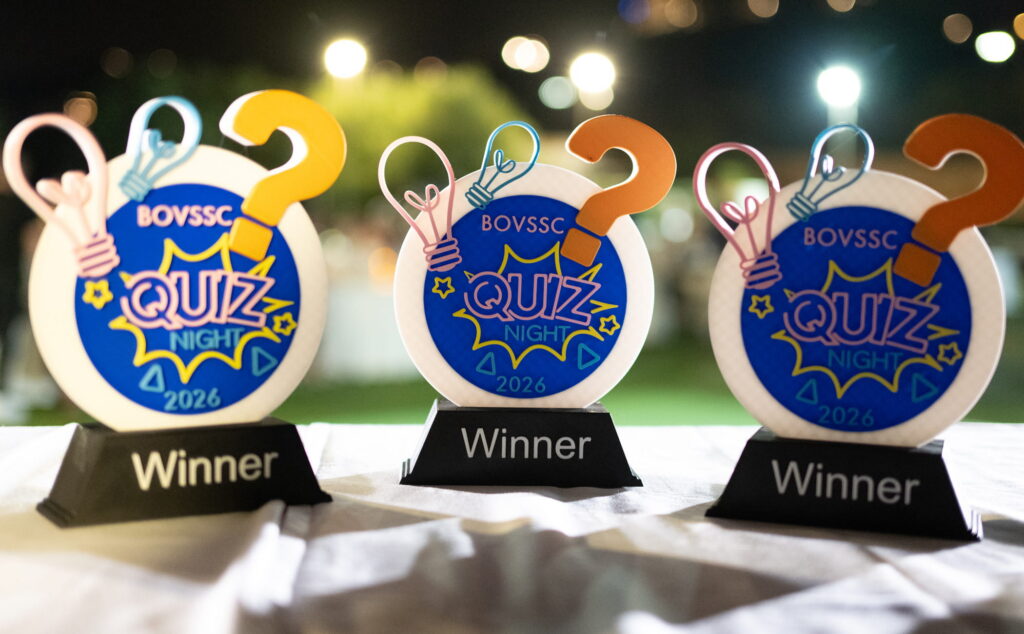
Competition remained strong across all rounds, culminating in a closely contested finish. ‘The Sovereign Snackers’ emerged as overall winners, delivering a consistent and impressive performance.

Beyond the competitive element, the Quiz Night served as a platform for colleagues to connect in a more informal setting, strengthening relationships across teams and functions. The evening concluded with a buffet reception, offering further opportunity for interaction and reinforcing the sense of community that underpins the Bank’s working environment.

Addressing attendees, Chief Operations Officer and BOVSSC President Ernest Agius highlighted the broader significance of such initiatives within the organisation. “At Bank of Valletta, we recognise that creating opportunities for our people to connect beyond their day-to-day roles is essential to building a strong and collaborative culture. Events like Quiz Night not only encourage teamwork and creativity, but also strengthen the relationships that enable us to work more effectively together. This is a key part of our ongoing commitment to being an employer of choice,” Mr Agius said.

The continued success of initiatives such as the Quiz Night reflects Bank of Valletta’s strategic focus on employee engagement and experience. By investing in activities that bring people together in meaningful ways, the Bank continues to foster a workplace where individuals feel connected, valued and motivated to contribute to shared success.

BOV strengthens retail network for greater customer convenience

Bank of Valletta is continuing to invest in its retail network, giving customers easier access to the banking services they need, whether in branch, through self-service options or via digital channels.

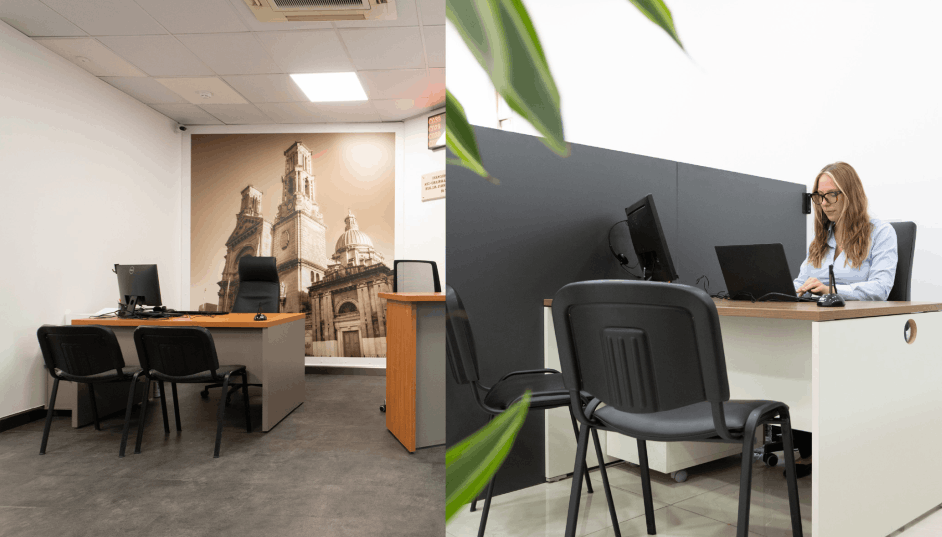
One of the latest improvements is the extension of BOV’s Rabat Branch. Now fully operational, the additional space offers a more comfortable setting for both customers and employees, while helping the branch continue to provide a personal service to the local community.

The Bank has also reopened its Ħamrun Branch following urgent maintenance works. The branch resumed operations on 22 June and now welcomes customers from Monday to Friday between 8:30am and 1:30pm. Cashier services are available between 8:30am and 11:00am, while all other services continue to be offered by appointment.

In Gozo, cashier services at the Nadur, Xagħra and Xewkija agencies are now available on selected days. The updated arrangements reflect customer usage patterns while maintaining access to essential banking services across the island.

Commenting on these developments, Geoffrey Ghigo, Head Personal Channels at Bank of Valletta, said, “Customer needs are changing, and we are responding by offering more choice. We remain committed to a strong branch and agency network across Malta and Gozo, while also investing in the digital and self-service solutions that many customers now use for their everyday banking.”

“Our aim is simply to make banking easier and more convenient. Some customers prefer to visit a branch and speak to one of our people. Others prefer to use an ATM, pay with a contactless card or manage their banking online. We want customers to have the freedom to choose what works best for them.”

Mr Ghigo added that accessibility remains a priority. BOV continues to offer priority service to customers aged 60 and over every Friday between 8:15am and 9:30am across its retail network, helping elderly and vulnerable customers bank more comfortably.

Customers today can choose from several channels, including BOV’s extensive ATM fleet, internet and mobile banking, contactless payment solutions and contactless ATM technology. These services help customers manage their day-to-day banking quickly and securely, while enabling branch teams to dedicate more time to those who need personal support or advice.

These developments form part of BOV’s ongoing work to keep improving its retail network, combining investment in branches and agencies with stronger digital capabilities. In this way, the Bank is giving customers more flexibility, more convenience and greater choice, while preserving the personal service that remains central to its relationship with customers.

BOV celebrates 33 employees graduating from IFS Malta

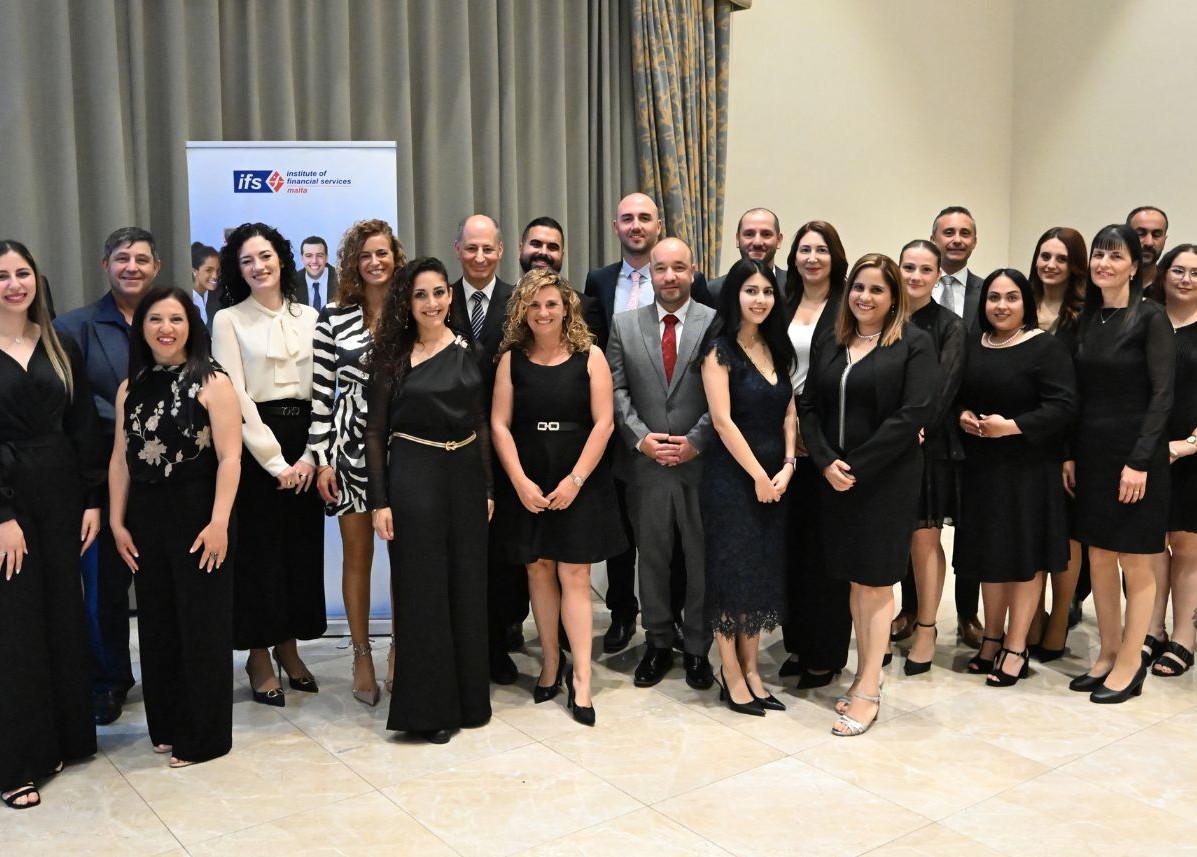
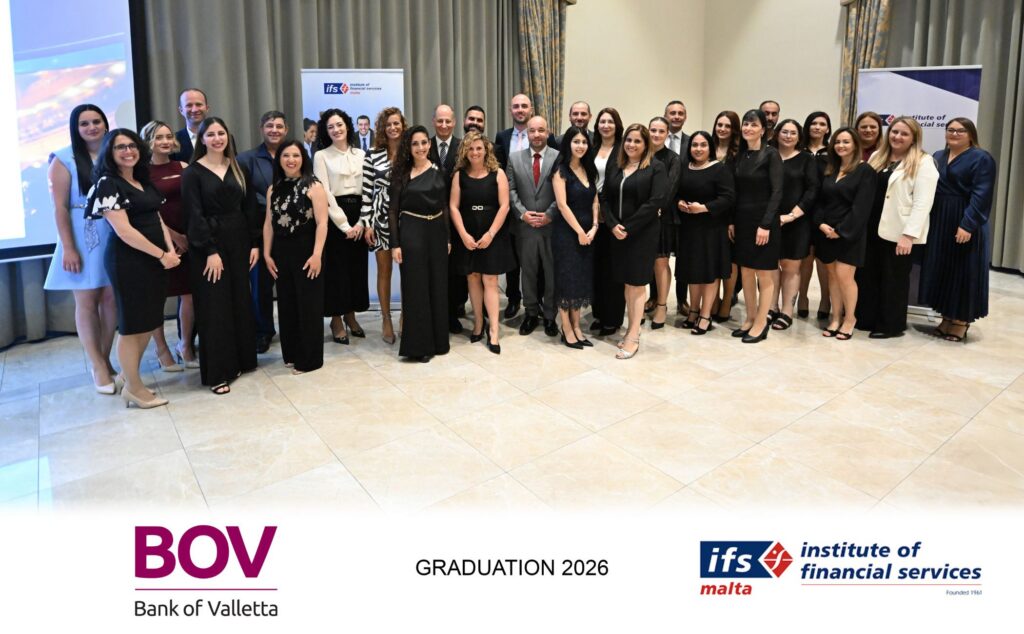
Behind every graduation certificate is a story of commitment, sacrifice and quiet determination. For 33 Bank of Valletta employees, that effort was recognised as they successfully completed programmes offered by IFS Malta (Institute of Financial Services), marking an important personal milestone and another step forward in their professional journey.

The graduates were celebrated during the IFS Malta Annual Graduation Ceremony, held at the Xara Lodge in Rabat, where close to 200 students were recognised for their achievements in financial services and related areas. BOV employees formed part of this wider cohort, earning qualifications across ESG, financial services, Maltese financial regulations and professional banking.

For the Bank, this achievement is much more than an academic milestone. It is a reminder of the effort its people put in outside their working day, often while balancing busy roles, family life and personal commitments. It also reflects the mindset BOV continues to encourage across the organisation: one where learning is not seen as a one-off step, but as part of how people grow, adapt and remain confident in a changing financial services landscape.

BOV’s support for continuous learning forms an important part of its employee value proposition. Through its Self-Development framework, it encourages its people to pursue recognised qualifications, reskill and upskill at different points in their careers, and take ownership of their long-term development.

Depending on eligibility and the approved course of study, this support may include study grants, reimbursement for approved qualifications, study and dissertation leave, subsidised study loans and graduation allowances. Together, these measures are designed to make further learning more accessible and to give its people practical support as they invest in themselves and their future.

Ray Debattista, Chief People and Culture Officer at Bank of Valletta, said, “We are genuinely proud of our colleagues who have reached this important milestone. Their achievement speaks of commitment, resilience and a clear desire to keep growing. These are qualities that matter deeply, not only for personal development, but also for the continued strength of the Bank. At BOV, we want our people to know that they are supported throughout their career journey. Investing in learning and development is one of the clearest ways we can do this. It strengthens us as an organisation, while giving our colleagues the confidence and opportunity to progress, contribute and build fulfilling careers.”

The Bank’s continued focus on learning and employee development forms part of its broader ambition to remain an employer of choice in Malta’s financial services sector. By offering structured development opportunities and practical support for further study, BOV continues to nurture a culture where people are encouraged to keep learning, keep growing and build meaningful careers within the organisation.

HSBC Malta Colleagues support Cancer Research through ALIVE Cycling Challenge 2026

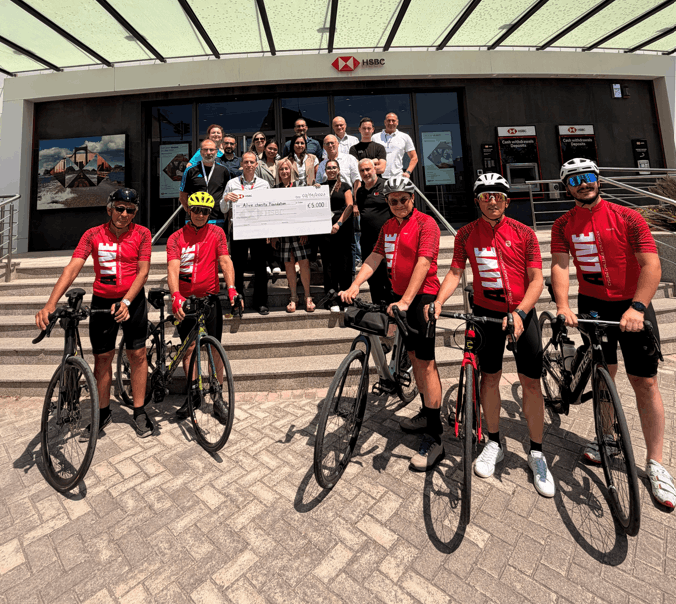
HSBC Bank Malta employees have come together to support the ALIVE Cycling Challenge for Cancer 2026, to contribute to one of Malta’s leading fundraising initiatives dedicated to cancer research.

During the first quarter of 2026, 45 HSBC Malta colleagues took part in the initiative by cycling, running, walking and swimming, combining personal effort with a shared purpose. Over the course of the challenge, employees collectively completed 5.5 kilometres of swimming, 1,000 kilometres of walking and running, and 425 kilometres of cycling. HSBC Malta also provided a €5,000 sponsorship to the Alive Charity Foundation in support of its work.

Organised by the Alive Charity Foundation, the ALIVE Cycling Challenge brings together cyclists, organisations and the wider community to raise funds for cancer research in Malta. Since its inception, the initiative has raised over €1.1 million in support of the University of Malta through the Research, Innovation and Development Trust (RIDT), funding a range of important research projects.

HSBC Malta’s involvement this year builds on its continued support for community initiatives that aim to deliver long-term positive impact. Funds raised through the 2026 challenge will contribute directly to ongoing and future cancer research projects in Malta, helping to strengthen local scientific capability and bring hope to patients and families.

Glenn Bugeja, Chairperson of the HSBC Sports and Social Committee said, “Cancer can affect so many people, including our colleagues, customers, friends and families. By supporting the ALIVE Cycling Challenge, we’re helping fund research that can lead to better outcomes in the years ahead. It’s a reminder of what we can achieve when we come together.”

Alive Charity Foundation Chairperson Nicky Camilleri thanked HSBC Malta for its continued support, “We are grateful to HSBC Malta and its employees for standing with us once again. Their support helps us continue investing in research that has the potential to make a real and lasting difference in people’s lives.”

Two BOV Visa cardholders get to live the FIFA World Cup 2026™ Dream

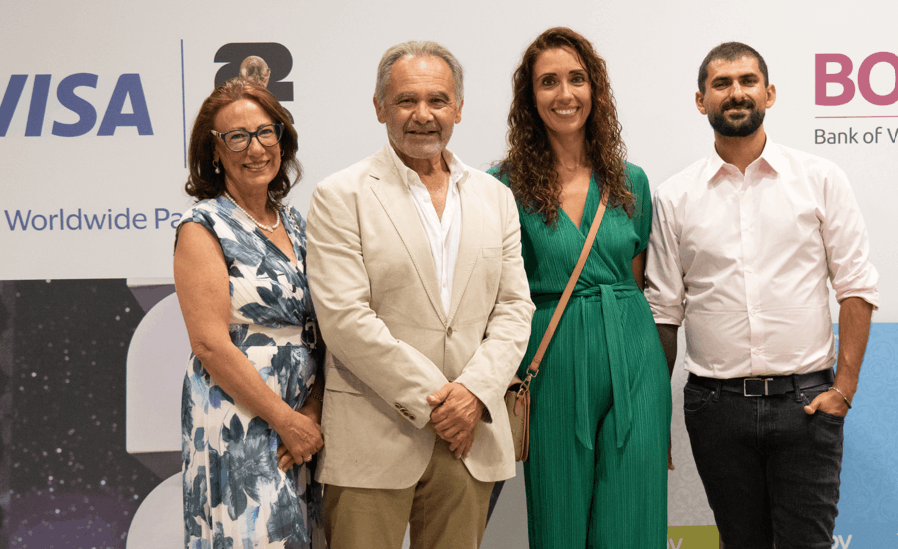
Two BOV Visa Cardholders, together with their respective guests, were presented with an all-inclusive VIP package to experience the FIFA World Cup 2026™ in the USA thanks to Visa. The winners were drawn at the end of the BOV Visa Spend and Win FIFA World Cup™ campaign, which ran from 16 February to 26 April 2026. The lucky winners were presented with their prizes during an event held at the Ta’ Qali National Stadium.

The 1st prize winner, Capt. Alex Muscat Sciortino, won an all-inclusive 4-night stay in a 4-star accommodation in New York and two Category 1 tickets for the highly anticipated Final Match, which will be played at the New Jersey Stadium in New York on Sunday 19th July. The 2nd prize winner, Ms Fleur Marie Ghirxi, won a 5-night all-inclusive package in a 4-star accommodation in Miami, and two Category 1 tickets for two Group Stage Matches.

Whilst congratulating the winners, BOV Chief Personal and Wealth Officer, Mr Simon Azzopardi, thanked Visa for giving this opportunity to BOV customers. “Visa, apart from supporting one of the biggest football events in the world, such as the FIFA World Cup™, supports us every day with simplified and secure payments. To be eligible, participants needed to use their Visa cards more than 25 times during the promotion period, and our winners got their first-hand experience of that convenience and peace of mind that Visa payments can offer, both through the wide range of physical credit and debit cards available, as well as through the digital wallet solution.”

Attending the presentation to the winners, apart from the Bank’s Chief Personal & Wealth Officer, were BOV’s Head of E-Banking Unit, Mr Chris Degabriele, BOV’s Head of Marketing & Product Lifecycle, Mr Daniel Magrin, and Visa Country Manager for Malta, Mr David Farrugia.

With the 4-year wait now officially over, FIFA World Cup 2026 is currently running across Mexico, USA and Canada. This year’s edition is the biggest and most exciting to date, with a record 104 fixtures played over a period of 39 days and with 48 national teams competing.