
07 August, 2026
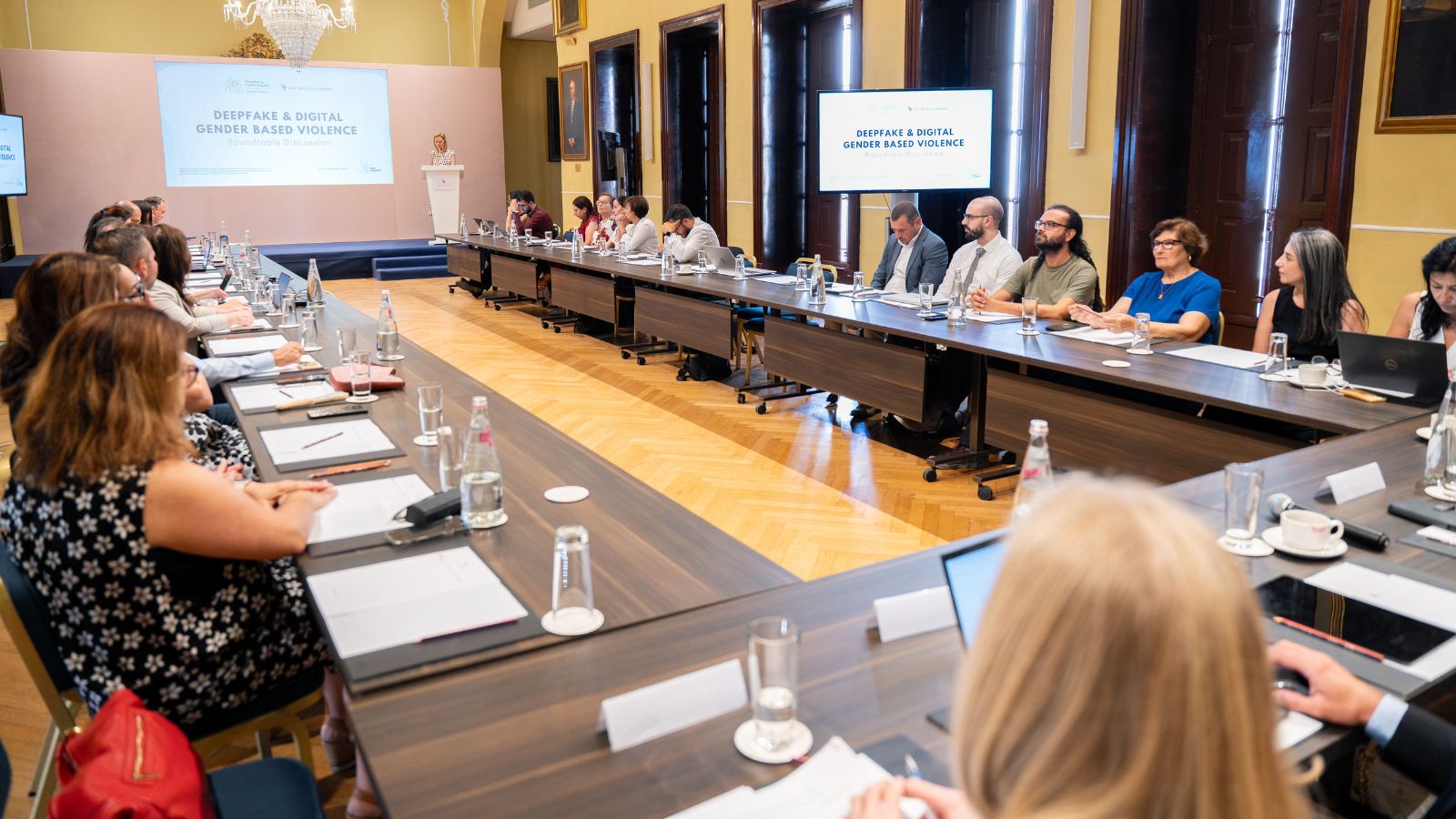
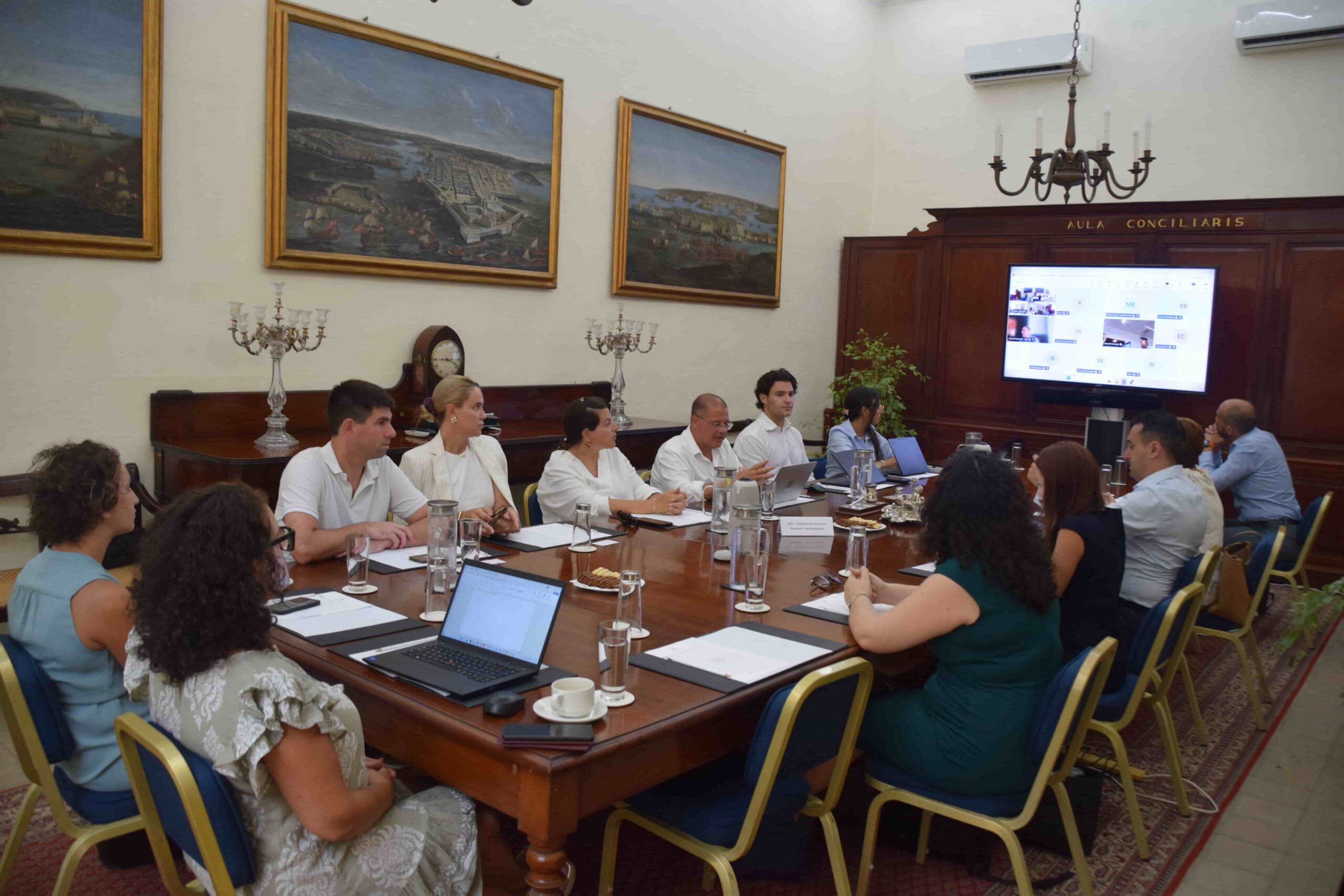
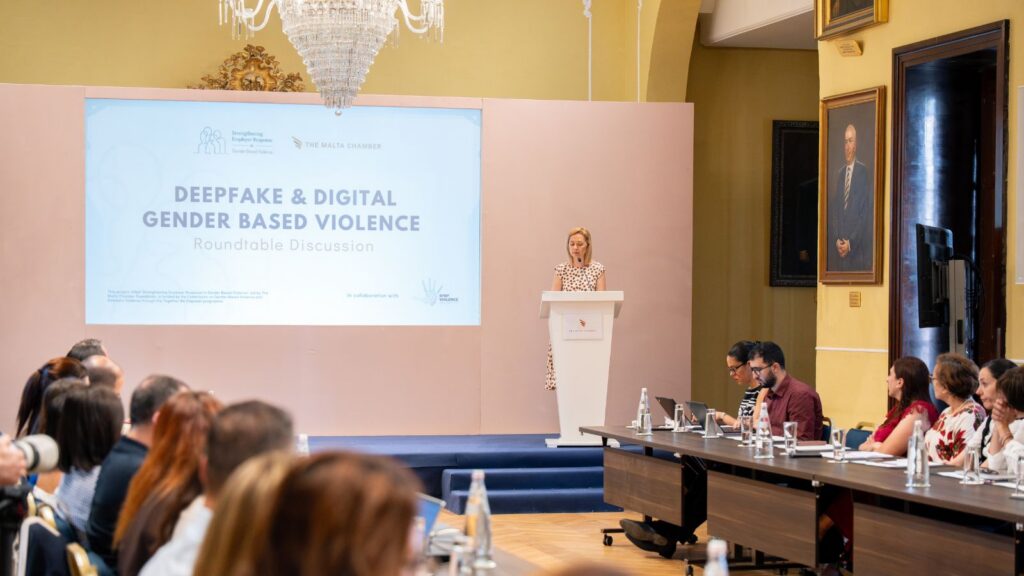
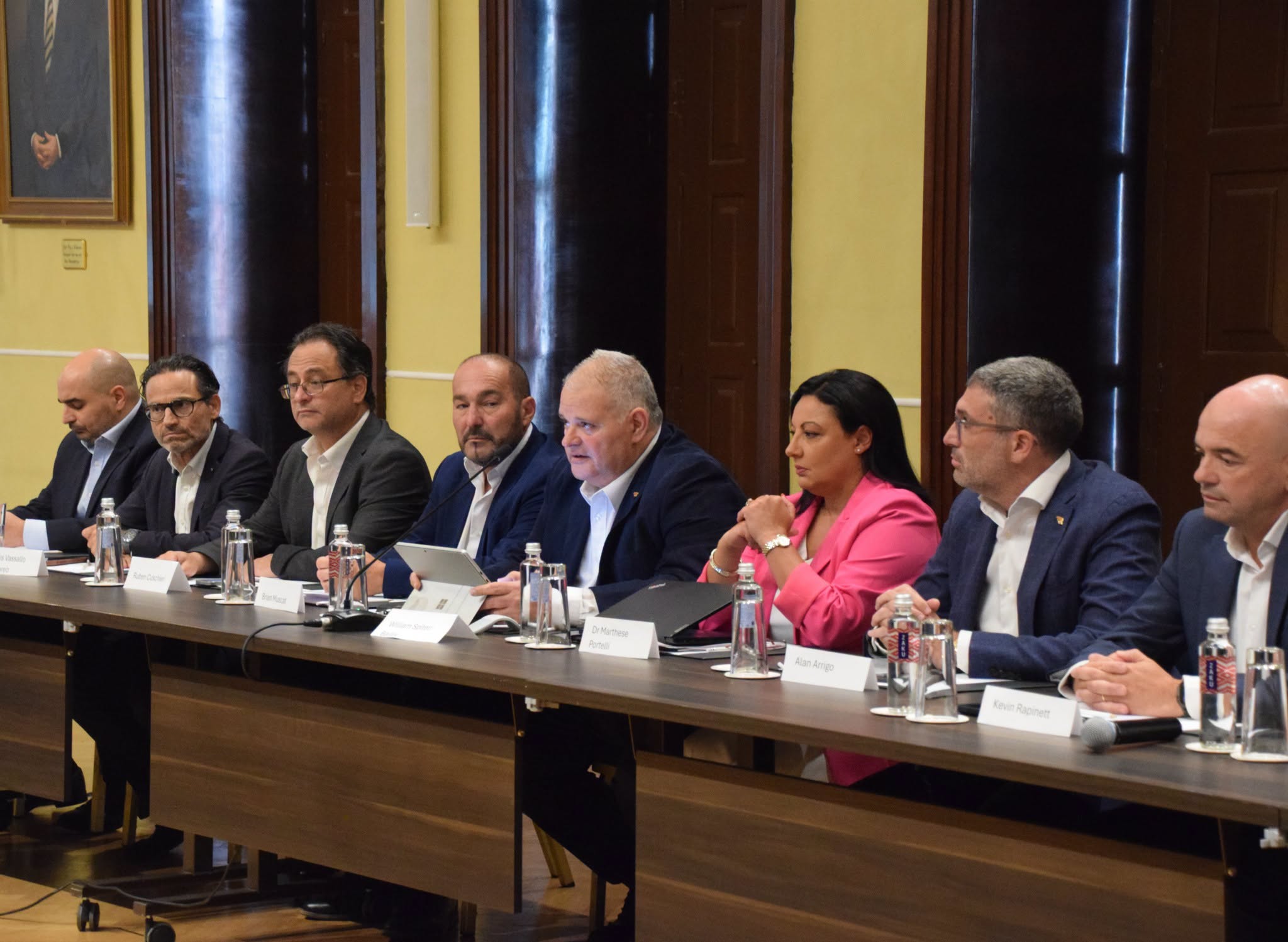
The Malta Chamber of Commerce, Enterprise and Industry organised a roundtable discussion on deepfake technologies and gender-based violence as part of its initiative, funded by the Commission on Gender-Based Violence and Domestic Violence through the ‘Together We Empower-A Future without Violence’ programme. The roundtable addressed topics such as the State’s positive obligation to protect, the challenges posed by misinformation, the gaps in current national legislation that do not properly address deepfakes, how easy it has become to create deepfakes, and the effects on victims, such as shame and self-blame. It brought together key stakeholders from business, government, civil society, and technical fields to establish a structured, evidence-based platform for dialogue, promote national legislation on deepfakes, and encourage coordinated sectoral responses. The event included presentations from Judge Lorraine Schembri Orland, Dr Antonio Ghio, Dr Sophie Nighintagle, Ms Naja Bentzen and Rachel Bondi Attard who shed light on the realities of deepfakes.
Maltese Judge at the European Court of Human Rights, Lorraine Schembri Orland referred to a number of cases decided by the European Court of Human Rights, including Opuz v. Turkey (2009), Valiulienė v. Lithuania (2013), Talpis v. Italy (2017), and Volodina v. Russia (2019), which provide jurisprudence on the State’s positive obligation to protect.
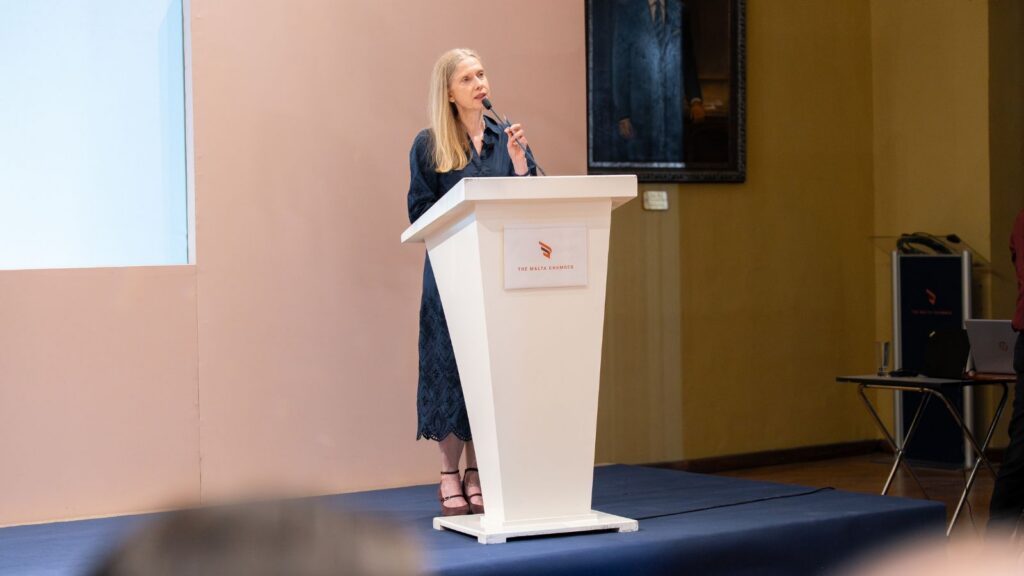
Rachel Bondi Attard, Head of Media and Communication Strategist during her welcome speech said that, “Technology is a continuation of centuries-old social attitudes in which women’s bodies, images, and reputations have been treated as objects for public consumption, control, and judgement. Artificial intelligence did not invent the exploitation of women: it automated it.
Ms Naja Bentzen, Disinformation Analyst and Author of the policy brief ‘Women in the age of AI-enabled disinformation’, highlighted that women are facing growing pressures online: geopolitical and ideological backlashes against women’s rights are further accelerated by generative AI-facilitated gendered disinformation. However, this artificially enhanced resurfacing of misogynist tropes from the past is not inevitable: it can be tackled with well-balanced (tech) regulation, strengthened enforcement, and a whole-of-society approach to boosting information integrity and democratic resilience.
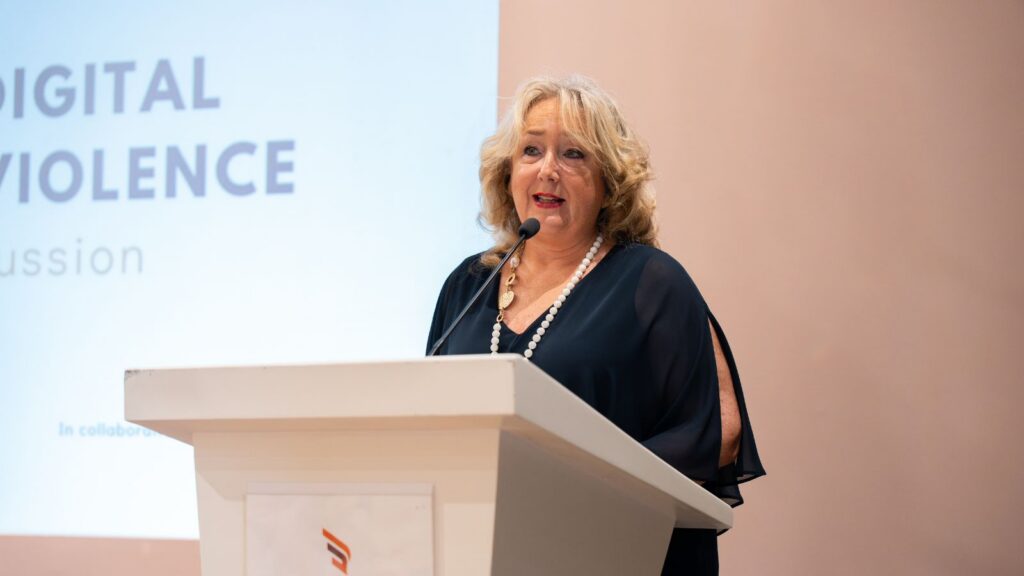
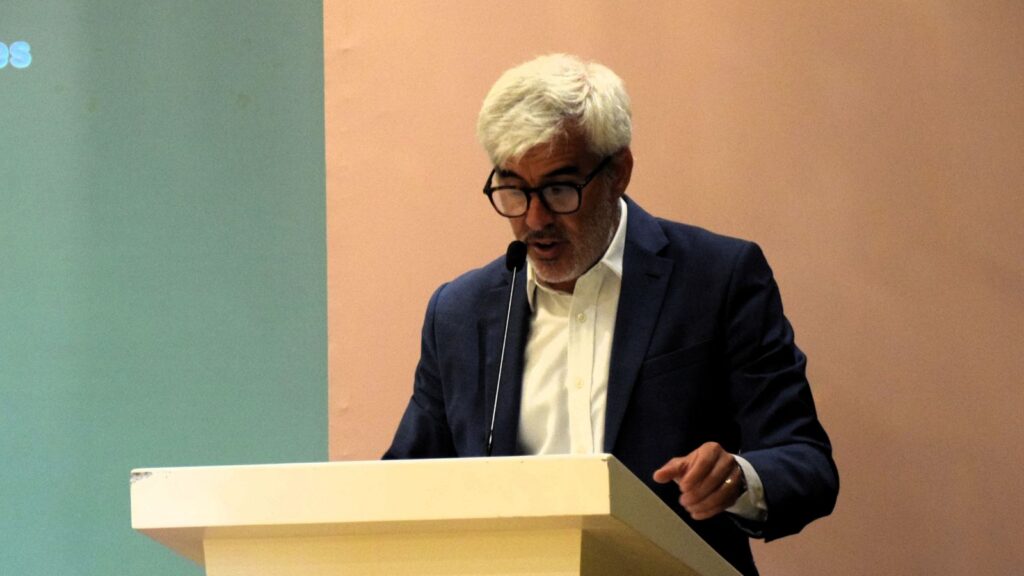
During the event, Dr Antonio Ghio, Partner at Fenech & Fenech Advocates, explained that while Maltese law criminalises the dissemination of sexual content without consent, it does not yet adequately address the creation and dissemination of sexually generated deepfakes and the harm it creates to such victims. He said, “other countries have amended their laws to address and criminalise such acts.” While it is important not to rush at the expense of a well-designed law, Malta urgently needs to address this issue, especially through the proper transposition of EU Directive 2025/1385 on combating violence against women and domestic violence, as well as looking at how other countries are amending their criminal laws to recognise such offences.
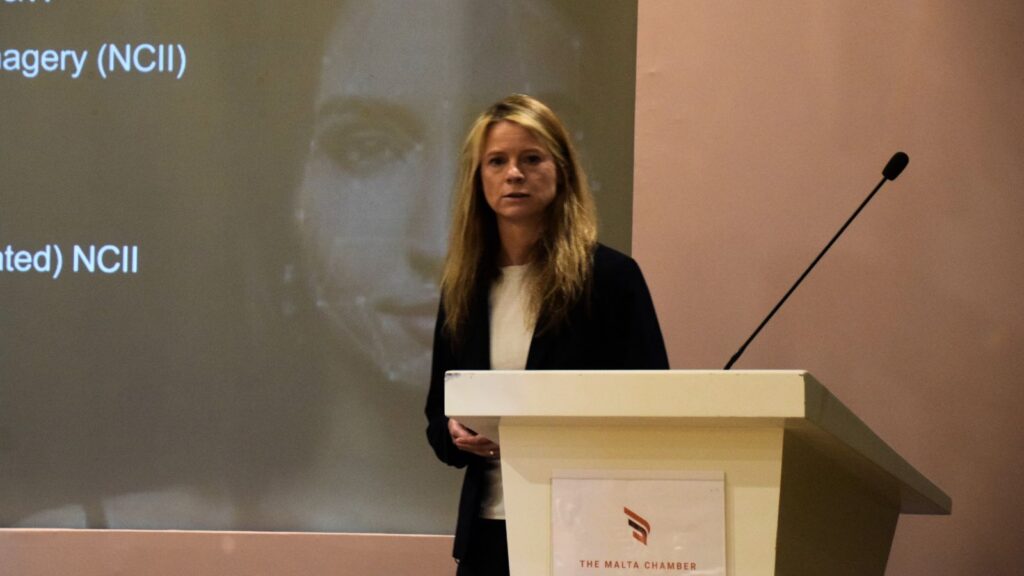
Dr Sophia Nightingale, Senior Lecturer in Psychology at Lancaster University, concluded the event by showing how the sophistication and accessibility of generative AI now allow almost anyone to create convincing fake images, audio, and video. Nefarious uses of this technology to generate non-consensual intimate imagery are on the rise. She said, “the impacts on those targeted can be devastating through the ongoing psychological, emotional, and physical harms caused.”
Through this initiative, The Malta Chamber wanted to contribute to a meaningful discussion and collaboration among key national stakeholders on the challenge of deepfakes and gender-based violence. Unfortunately, this technology is easily accessible, and the generation of deepfake sexualised images can have a profound effect on victims. The invited guest speakers addressed both legal and social realities, and the event also provided attendees with the opportunity to learn about the latest studies on the subject.
This article has been funded by the Commission on Gender-Based Violence and Domestic Violence through the Together We Empower programme.
...
...
...
...
...
...


...

...