


The Malta Chamber of Commerce, Enterprise and Industry takes note of recent remarks by Finance Minister Clyde Caruana, indicating that approximately 70% of active Maltese companies do not declare profits and thus pay no income tax.
It would be wrong to think that all those failing to declare profits are evading tax. It is a known reality that local businesses are still having to navigate through uncertainty on multiple fronts, rising costs, especially fast-increasing labour costs, excessive bureaucracy, increased competition and oversaturated markets, all of which tighten margins. The Malta Chamber feels it necessary to emphasise the importance of fairness, responsibility, and balance within the national discourse. While we fully recognise Government’s concerns, it is equally essential that those who are compliant (whether operating as companies or under self-employed status) are not unfairly tarnished or overshadowed by those who evade their obligations.
However, The Malta Chamber strongly supports efforts to address gaps in addressing instances of tax evasion, as effective collection is fundamental to safeguarding national competitiveness and ensuring a fair level playing field. Such efforts would yield more effective results towards tax compliance, than generic pronouncements that tend to put all businesses (whether companies or self-employed) in a bad light. Such statements are especially damaging and unfair on ethical and law-abiding businesses.
In its Pre-budget documents, The Malta Chamber has repeatedly called for smarter, incentive-based approaches to tax collection. The Malta Chamber favours a tax collection system which is structured in a way to support businesses and self-employed that fulfil all their financial obligations in a timely manner, thereby aimed at rewarding compliance, improving cashflow for ethical operators, and ultimately encouraging timely payment by all businesses. It is also one of the reasons why The Malta Chamber has consistently insisted for a Public Procurement Reform, including the introduction of effective and proper white listing and black listing – it is unjust to have taxes collected from law-abiding businesses and citizens to fund procurement which is awarded to those who evade their fair share.
The Malta Chamber is also of the opinion that moving to a cashless economy will also help curb tax evasion as it prioritizes digital transactions over physical currency, increasing efficiency and record-keeping.
The Malta Chamber remains committed to dialogue and cooperation with government and stakeholders to implement practical reforms that promote ethical conduct and protect law-abiding enterprises. Malta’s continued prosperity depends on a transparent, just, and competitive business environment – on everyone, without exception, paying their fair share.
Month: October 2025
HSBC Malta Foundation supports 7th Edition of the Thematic STEM Debate

The HSBC Malta Foundation supported this year’s Thematic STEM (Science, Technology, Engineering and Mathematics) Debate, now in its seventh edition, organised by the Directorate for STEM and VET (Vocational, Education and Training) Programmes within the Ministry for Education, Youth, and Research. The event, held during Playcon 2025 at the MFCC in Ta’ Qali, brought together primary and middle school students from across Malta to explore the theme Digital Gaming: Do digital games help children learn important skills or mostly distract from learning?
The initiative formed part of the Directorate’s ongoing commitment to nurturing scientific curiosity, communication skills, and critical thinking among students. A total of nine participants in Year 6 and Year 7, engaged in a structured round table debate that encouraged them to form evidence-based opinions, collaborate in teams, and articulate their ideas clearly and respectfully in front of a public audience.
A preparatory session on public speaking was held in collaboration with Esplora and workshops organised by the Primary Science Team were held as part of the Thematic STEM Debate initiative, prior to the final event. The Faculty of ICT, Department of Artificial Intelligence and the Institute of Digital Games at the University of Malta supported the Thematic STEM Debate edition from the start helping students develop confidence in public speaking while deepening their understanding of digital gaming’s educational and social implications.

Glenn Bugeja, Head of Corporate Sustainability at HSBC Malta, said: “This was such an important initiative because it brought science and communication together in a creative way. It was encouraging to see young students developing the ability to think critically and express themselves with confidence. The HSBC Malta Foundation was proud to support programmes like this that combined learning, collaboration, and fun.”
Isabel Zerafa, Education Officer within the Directorate for STEM and VET Programmes, explained: “The Thematic STEM Debate has become a highlight in our calendar because it helps students see science not as a set of facts to memorise, but as a tool to explore real-world issues and shape opinions. The debate provides a platform for students to engage with their mentors, parents and educators, to explore current STEM themes and to identify strengths and weaknesses in arguments on the topic. It is a formative educational process that nurtures critical thinking and communication skills among others, through diverse and meaningful opportunities for students. With the support of partners like HSBC Malta Foundation, we continue to provide platforms that make STEM learning engaging, inclusive, and relevant to everyday life.”
The event concluded with an awards ceremony recognising the top three debaters for their performance, creativity, and reasoning. By linking scientific literacy with public speaking, the Thematic STEM Debate continued to promote essential 21st-century skills that prepare students to think independently and engage meaningfully in a technology-driven world.
BOV posts profit before tax of €192.1 million for first nine months of 2025
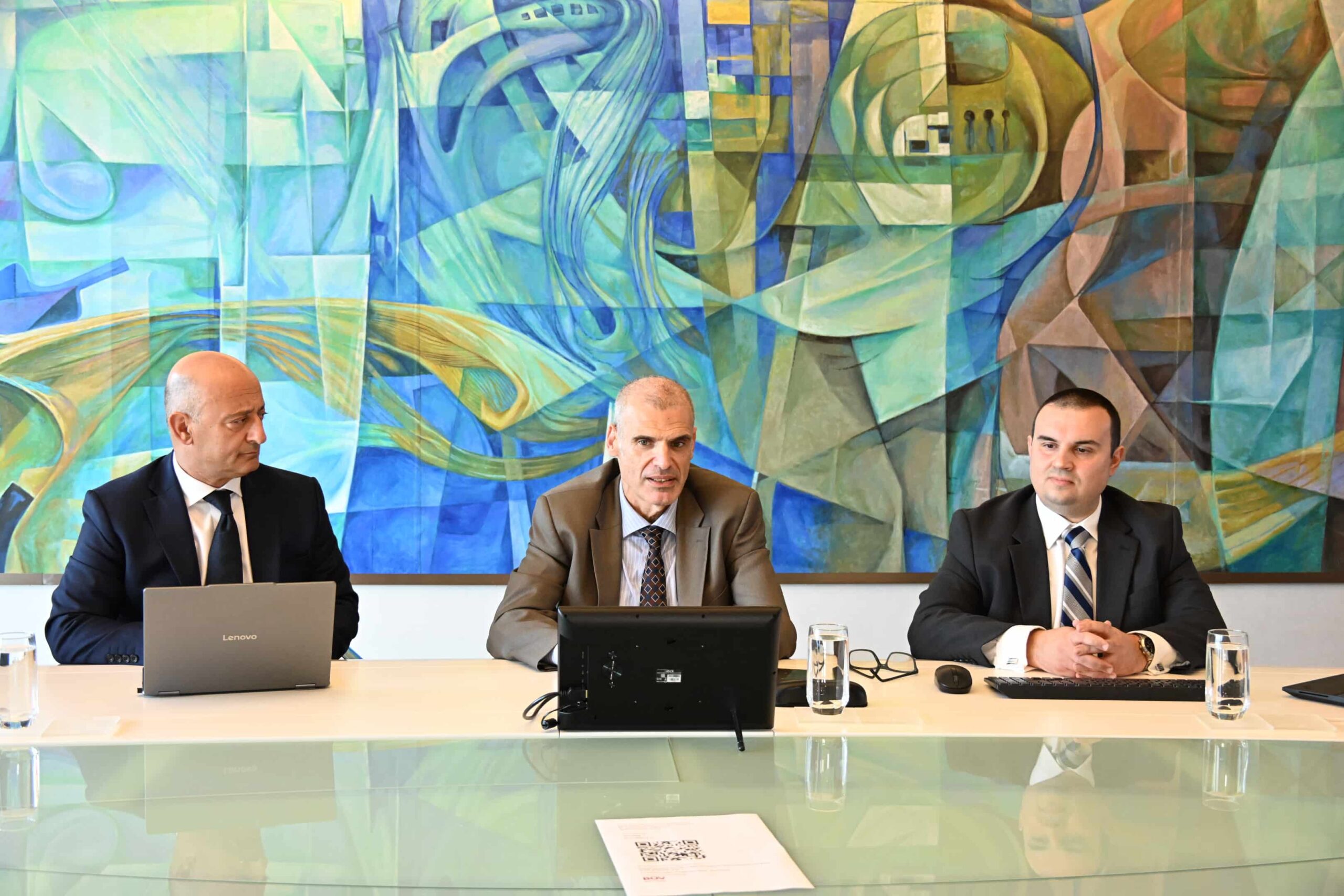
Bank of Valletta delivered a robust performance in the first nine months of 2025, achieving a profit before tax of €192.1 million and surpassing the €16 billion mark in terms of total assets. This period was marked by continued balance sheet expansion, enhanced asset quality, year-on-year growth in income from core operations and the successful launch of strategic initiatives, including a regulated share buy-back programme and entry in the insurance intermediary market.
The Group remains on track to deliver a profit before tax for 2025 in the range of €215 million to €250 million, in line with previous guidance. Reflecting the Bank’s ongoing commitment to shareholder value, it intends to retain its policy of distributing up to 50% of after-tax profits, subject to prevailing market conditions.
Financial Performance
The Group registered a profit before tax of €192.1 million for the first nine months, underpinned by strong operating income. While profitability was 14.2% lower than the previous year, this result reflects the Bank’s strategic investment in its transformation journey, driving higher levels of process automation, data-driven decision-making, and digitalisation. The Group’s operating profit amounted to €185 million, which was achieved through higher operating income of €365.1 million, with positive results registered both on Net Interest Income and Net Fee & Commission Income. Expenses increased by 15.6%, reflecting the Bank’s investment in talent and technology.
Total assets grew by nearly €1 billion during the nine months, surpassing the €16 billion mark by September 2025. Lending activity remained strong, the loan book showing consistent expansion across all key segments with commercial and retail balances increasing by 8.7% and 13.2% respectively. Customer deposits maintained an upward trend, with sustained inflows from both personal and corporate customers, reflecting strong market confidence.
The Group’s Treasury portfolio has seen significant growth during 2025, ensuring that while the Bank maintains the necessary level of liquid assets, it deploys its funds to optimise returns and generate income in the most optimised manner. The Group’s asset quality continued to strengthen during the period, underpinned by disciplined risk management and proactive credit portfolio oversight. Notably, the non-performing loans (NPL) ratio declined to 1.9% as at September 2025, marking its lowest level in many years and reflecting the effectiveness of ongoing initiatives to enhance credit quality and recover non-performing exposures. The Group’s capital ratios remained strong and above regulatory requirements.
“Resilience in navigating a dynamic economic landscape” – Chairperson Dr Gordon Cordina
Chairperson Dr Gordon Cordina commented on the Bank’s performance to date, stating, “I am pleased to see the BOV Group sustain its performance over the first nine months of the year, a testament to our commitment to sustained growth, prudent risk management, capital optimisation, and value creation for our shareholders. We continue to navigate through the various challenges posed by an uncertain geopolitical landscape, interest rate movements by the European Central Bank, and international economic developments. Despite these challenges, our performance remains strong. Our results reflect the disciplined execution of our strategy, with targeted investment in technology, talent, and product diversification.
The BOV Group continues to live up to its commitment to diversify, innovate and support the market through a number of strategic initiatives. In August, BOV became the first credit institution in Malta to launch a regulated share buy-back programme designed to enhance market liquidity, provide an orderly liquidity mechanism for shareholders, and reinforce long-term shareholder value.
In addition, during the third quarter, we launched a comprehensive range of general insurance products in close collaboration with Mapfre Middlesea. The Bank also received regulatory approval from the MFSA for an Unsecured Euro Medium Term Bond Programme of up to €325m, an initiative aimed at further strengthening the Bank’s MREL position, optimising its capital structure, and ensuring preparedness to support sustainable growth and regulatory resilience. As we look forward, we remain focused on delivering sustainable value to our shareholders, supporting our retail and business customers and contributing to Malta’s economic growth.”
“A strong and sustained performance” – CEO Kenneth Farrugia
CEO Kenneth Farrugia echoed Dr Cordina’s comments, noting how Bank of Valletta continues to deliver strong performance in line with the expectations set out at the beginning of the year. “I am pleased to note the strength of our core business, the expansion of our balance sheet, an enhanced asset quality and robust capital and liquidity positions.
Our customers continue to place their trust in the Bank. Strong deposits by both personal and corporate customers reflect market confidence and the Bank’s ability to attract and retain liquidity, while our credit portfolio continues to grow across all key sectors. We continue to strengthen our investment activity, with our strategic redeployment of liquidity into longer-term interest-bearing assets continuing throughout this period. Our efforts to diversify, as highlighted by the Chairperson, are helping the Group maintain resilient income flows, even amid a declining interest rate environment.
Our increases in costs reflect our strategic drive, with investment in talent acquisition and retention, as well as technological enhancements aimed at driving innovation, operational efficiency and improved customer experience. The Bank continued to deliver on its 2024–2026 strategy with stable momentum. Throughout Q3 2025 we maintained strong focus on execution management, focusing on the completion of initiatives that drive efficiency. As part of our strategic plan, we are actively advancing our digital transformation program to deliver enhanced convenience and financial agility for both personal and business customers. As strong advocates for long-term financial well-being, we remain committed to playing a leading role in the pensions market and grow our market share in Second and Third Pillar Pension Schemes.
In Q3 2025, the Bank continued to strengthen its ESG strategy, reinforcing its role in Malta’s sustainable economic transition. We revised our green financing targets, expanded support for retail and commercial sustainability projects, and progressed our Climate Transition Plan in line with CSRD requirements.
The Bank also continues to support local communities through its CSR Programme and initiatives spearheaded by the BOV Foundation. I am pleased to see the Bank honoured by the World Savings and Retail Banking Institute (WSBI) and the European Savings and Retail Banking Group (ESBG) for its leadership in sustainable finance, its role in promoting financial inclusion and community-led initiatives. This award underscores BOV’s growing influence in shaping responsible banking practices in Malta and beyond.
Looking ahead, Bank of Valletta will strive to sustain its performance and growth, while leading by example, integrating sustainability across its operations and reaffirming its role as the Bank of Choice in Malta.”
HSBC Malta Financial Results Q3 2025 YTD – Resilient performance with strong customer engagement and ongoing product innovation

HSBC Bank Malta p.l.c. (the ‘Bank’) reported profit before tax of €82.5m for Q3 2025 YTD, representing a 30% decrease compared to the same period last year. This expected decrease in profits was primarily attributable to the return of a normalised interest rate environment and lower recoveries from expected credit losses (‘ECL’). The Bank remains highly profitable with strong capital and liquidity positions.
Revenue decreased by €24.6m or 13% when compared to Q3 2024 YTD given the lower interest rate environment. The implementation of structural hedges helped to mitigate the effect of the decline in rates. Growth was reported in all other revenue lines, namely net fee income and foreign exchange. Strong results have been achieved in transaction banking particularly Global Trade Services with revenue up c. 15% bolstered by record guarantee issuances and increase in other facilities. An increase in wealth assets under management was reported.
The Bank recorded an improvement in the credit quality of its loan book, resulting in a release in ECL of €4.6m in Q3 2025, lower than the €10.8m reported in the same period last year. The release in 2025 was primarily driven by a re-assessment of the loss rate and loss given default parameters used to calculate ECL on mortgages and recoveries on corporate non-performing exposures.
Operating expenses increased by 6% compared to the same period last year. There was an increase in staff costs due to enhanced benefits as per the collective agreement. The Bank also continued to invest in technology and property. The Bank launched SEPA Instant Payments, allowing customers to send or receive Euro payments 24×7 across Europe in under 10 seconds. Customers now have the ability to pay a new beneficiary on the HSBC Mobile App, with IBAN paste functionality. This enhances the digital payments proposition and improves customer experience.
The refurbishment of the new Headquarters in Qormi has been completed, with ample parking for customers. The ATM upgrade programme across Malta and Gozo is now almost finalised.
Net loans and advances to customers decreased marginally compared with December 2024 levels. The credit quality of the lending book improved, maintaining a very low non-performing loan ratio. Business lending increased during the quarter.
Customer deposits remained at the same level of December 2024. An increase in the average corporate deposits was achieved in the period under review.
The Bank’s liquidity position remained strong and capital ratios continued to exceed regulatory capital requirements.
On 16 September 2025, HSBC Continental Europe announced it had signed a put option agreement with CrediaBank S.A. (‘CrediaBank’) regarding the potential sale of its majority shareholding in HSBC Bank Malta p.l.c. This is subject to an information and consultation process with HSBC Continental Europe’s works council in France and regulatory approvals.
Further to the Bank’s company announcement HSBC467, the Bank has now embarked on the planning process for a seamless transition, while retaining its focus on business continuity, growth, strategic investment and employee engagement.
Geoffrey Fichte, Chief Executive Officer of HSBC Bank Malta p.l.c., said: “We continued our strong business momentum focused on supporting our customers with growth in transactions, fees, wealth, insurance, asset management and FX. Our deposits and lending remain stable reflecting customer confidence. We’re pleased to report higher customer activity, the launch of new services like SEPA instant payments and continued investments in our people and technology in order to make banking simpler, easier and safer for our customers.
“Our levels of capital and liquidity remain robust amongst the highest in the market. Our profitability remains strong. HSBC remains fully open for business, providing the full range of lending services from mortgages, personal loans, cards and savings and investments to long term lending to companies, including energy efficiency loans.
“On behalf of the entire HSBC Bank Malta team, I would like to thank our customers for their business and my colleagues for their support.”
The EU’s SOLVIT Network: Supporting Business Across Borders

How SOLVIT Helps Businesses Navigate the European Single Market
The Internal Market: Opportunities and Barriers
The European Union’s Single Market offers businesses across Member States great opportunities for growth, trade, and collaboration. However, navigating different national rules and administrative procedures can pose significant challenges, especially when problems arise in cross-border operations. The EU’s SOLVIT Network steps in as a practical solution, helping businesses resolve disputes with public authorities swiftly and without unnecessary bureaucracy.
What Is the SOLVIT Network?
SOLVIT is a free and informal problem-solving service provided by the national administrations of each EU member state, as well as Iceland, Liechtenstein, and Norway. Established in 2002, the network’s primary purpose is to address cases where EU law on the Single Market is not applied correctly by public authorities—helping both citizens and businesses overcome obstacles to cross-border trade, establishment, or operation.
How Does SOLVIT Work?
Each Member State hosts a SOLVIT centre, within its Public Adminsitration.. This setup allows centres to dialogue and negotiate with entities who allegedly are infringing EU Law. With regards to Malta, the SOLVIT centre is within the Commerce Department.
When a business encounters a problem with a public authority in another Member State, SOLVIT can intervene.
A case can be submitted online via the SOLVIT website. The business submitting the case can also opt to obtain an informal Legal Advice from SOLVIT’s sister service Your Europe Advice, which then forwards the case to SOLVIT if a potential infringement is found. The case is then handled directly by the SOLVIT centres of the home and host countries, aiming for practical solutions within ten weeks.
Types of Issues SOLVIT Handles
• Delays or refusals in recognising professional qualifications
• Unjustified barriers to selling goods or providing services across borders
• Issues with VAT reimbursement or market access
• Problems with residence or work permits for employees
• Disputes regarding the posting of workers or company establishment
Why should Businesses Use SOLVIT?
For Chamber of Commerce members, SOLVIT offers a valuable, cost-free alternative to lengthy legal proceedings. The network’s informal approach means that many cases are resolved quickly, with communication tailored to the needs of business users.SOLVIT does not replace courts but provides an efficient means to resolve disputes before litigation becomes necessary this mainly due to the strong networking connection between the SOLVIT centres established in all the Member States.
How to Access SOLVIT
Businesses can submit their case through the official SOLVIT website https://ec.europe.eu/solvit. The process is simple: provide details of the issue and supporting documents, and the home country SOLVIT centre will make contact to discuss next steps. The service is available in all EU languages, and strict confidentiality is maintained throughout the process.
Conclusion
The EU’s SOLVIT Network is an essential support mechanism for businesses operating across European borders. By resolving disputes with public authorities efficiently and informally, SOLVIT helps maintain the integrity of the Single Market and ensures that businesses can make the most of the opportunities it provides. For Chamber of Commerce members looking to expand or operate internationally, SOLVIT is a resource worth knowing and using.
For more information, or to submit a case, visit the official SOLVIT portal at https://ec.europe.eu/solvit. The local contact point may be also be contacted on 25690329 or by email solvit.malta@gov.mt.
Budget 2026 increases disposable income for Families, supports businesses to embrace AI but Leaves Traffic Congestion Issues Unresolved
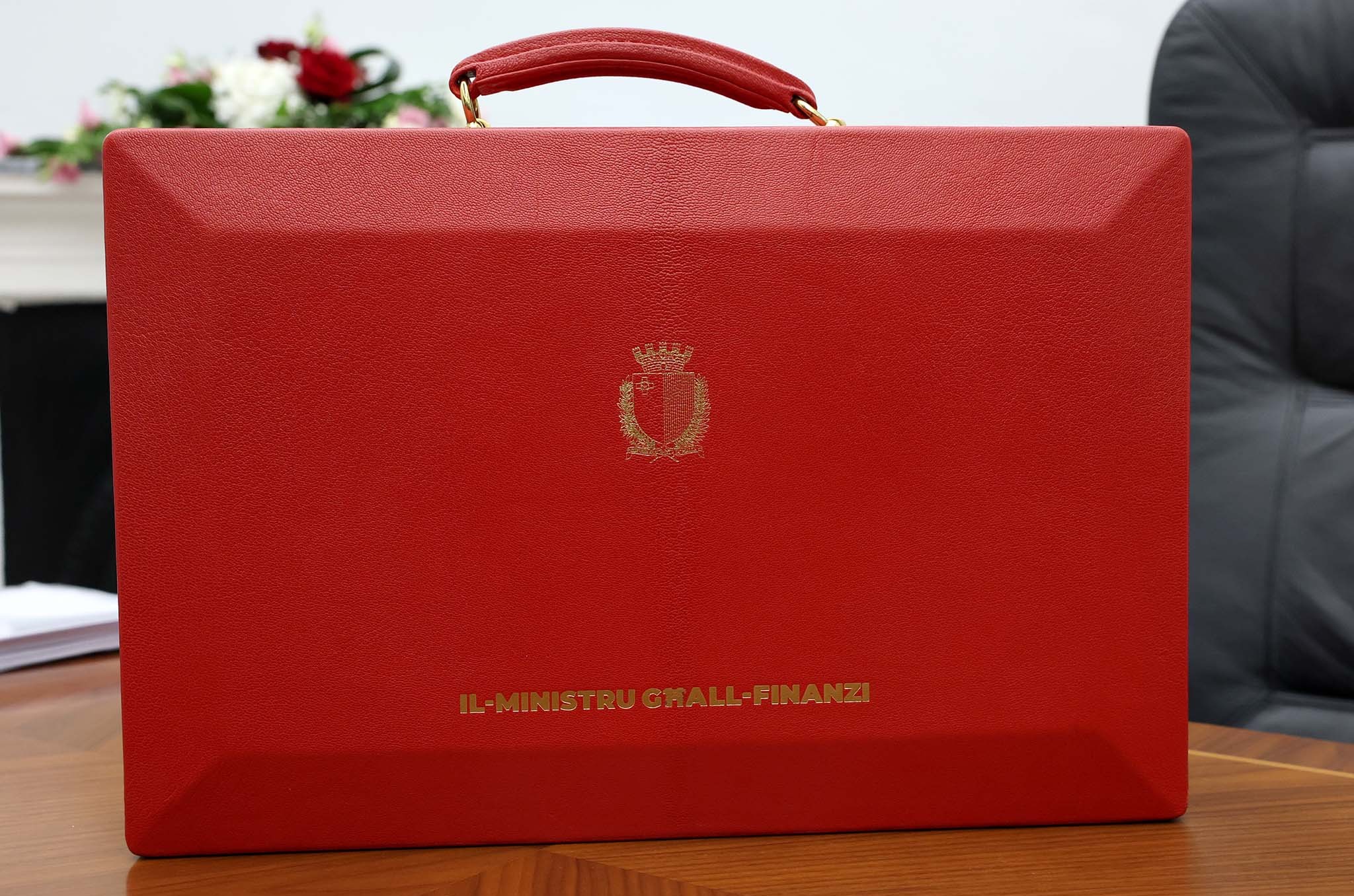
The Malta Chamber of Commerce, Enterprise and Industry welcomes the Budget’s focus on supporting families and improving their disposable income, as well as the social assistance for pensioners and vulnerable persons.
The Malta Chamber also welcomes the measures aimed to address the business community’s transition towards AI adoption, automation, and digitalisation, as well as the continued investment in employee training. These initiatives align with The Malta Chamber’s long-standing call that digitalisation should be prioritized in order to increase productivity and competitiveness on an international level. The 60% capital investment tax credit, the tax write-off incentive, the widening of the micro-invest scheme and the 175% R&I deduction create strong levers for companies to (i) adopt automation, (ii) take up AI and (iii) invest in strong cybersecurity frameworks aimed at modernising their operations and improve supply-chain visibility, intended to increase efficiency and efficacy.
Other areas where The Malta Chamber’s advocacy has borne fruit include Government’s commitment to establish a new logistics free zone near the airport directly linked to the Freeport – this is a strategic step toward positioning Malta as a Mediterranean hub for trade, distribution, and re-export.
With respect to clean energy, The Malta Chamber acknowledges the introduction of a revised policy in respect of photovoltaic installations on industrial rooftops. However, the Budget stops short of outlining a comprehensive strategy for cleaner energy and long-term sustainability, which remains a national priority and to meet our EU obligations.
Despite these positive elements, The Malta Chamber believes that Budget 2026 represents a missed opportunity in several critical areas.
• The Budget fails to address Malta’s chronic traffic congestion, which continues to have a daily negative impact on families, productivity, and business operations.
• Public procurement reform remains unaddressed.
• The decision to tax the Cost-of-Living Adjustment (COLA) undermines the intended purpose of this measure, which is to help employees maintain their purchasing power amid inflationary pressures.
• The continued postponement of the auto-enrolment with an opt-out mechanism for occupational pension schemes marks yet another missed opportunity to strengthen Malta’s long-term pension sustainability.
From a macroeconomic standpoint, the Budget’s restraint deserves recognition. No new consumption taxes or import duties were introduced, ensuring inflationary pressures remain contained and consumer purchasing power stable. However, the increase in public debt, puts pressure on hitting the forecasting of GDP growth to maintain a reasonable debt-to-GDP ratio. Any increase in debt should be on capital investment which gives the country the return on investment (ROI) required for increased productivity, enhanced competitiveness and a better quality of life for all.
BOV expands product suite with general insurance solutions

Bank of Valletta today announced its entry into the general insurance market and is extending its product and service suite through the distribution of some of MAPFRE Middlesea Insurance’s general insurance products. With this step, BOV customers will gain convenient access to home, commercial home (rented residential properties), individual health, and travel insurance, further enhancing the Bank’s position as a trusted one-stop partner for financial and lifestyle solutions. Insurance products related to home and commercial home are already being offered from BOV branches, whilst individual health and travel insurance will be introduced later this year.
“This is an important milestone for the Bank, and a natural step forward in our strategy to broaden our service offering for the benefit of customers,” said Kenneth Farrugia, CEO of Bank of Valletta. “Our customers trust us not only with their finances but also with their long-term financial well-being. It is part of our broader vision to remain customer-centric and innovative in an evolving financial services landscape. By introducing access to general insurance products, we are extending our role as a true partner in our customers’ life journey.”
The Bank’s CEO went on to say that “The introduction of this new service by Bank of Valletta represents a valuable and smart opportunity for the Bank’s customers to take proactive steps in safeguarding what matters most. Protecting one’s assets—be it a cherished family home, personal health, or exciting travel plans—becomes simpler and more accessible with a trustworthy financial partner at hand. By choosing comprehensive insurance coverage, customers can enjoy greater peace of mind knowing that life’s unforeseen events are managed with expert guidance and robust support. The assurance that comes from being properly insured empowers individuals and families to focus on their ambitions and daily joys, confident that their most important investments are well protected.”
Simon Azzopardi, Chief Personal & Wealth Officer at Bank of Valletta, added, “This is an important addition to our product and service range. We continue to expand our services to ensure that our clients can benefit from a wider range of services at the best terms possible. To this end, our strategic partnership with MAPFRE, through MAPFRE Middlesea Insurance, allows us to extend to our customers the global expertise of the MAPFRE Group. We have done this successfully in the field of Life Assurance and will be striving to replicate, while extending general insurance services,” concluded the Chief Personal & Wealth Officer.
Etienne Sciberras, CEO of MAPFRE Middlesea stated, “This is a significant milestone that continues to strengthen the partnership between MAPFRE and Bank of Valletta. This collaboration will lead to a more comprehensive range of services for the customers. More importantly, customers will now benefit from a more personalised insurance solution, which is fundamental for one’s financial wellbeing. This step underscores our commitment to providing tailored solutions that meet the individual needs of the clients.”
“This partnership represents a natural evolution of our successful collaboration with Bank of Valletta in the life insurance space. By extending our general insurance offering through the Bank, we are building on a strong foundation to deliver even greater value to customers. We are proud to support BOV in offering solutions that empower individuals to safeguard what matters most, whether it’s their home, health, or travel plans, with confidence and peace of mind.”, commented Boris Curmi, Chief Officer Commercial at MAPFRE Middlesea.
The Bank is also at the forefront of increasing its financial literacy and awareness efforts about the importance of insurance. By helping customers better understand how insurance safeguards their homes, health, and travels, BOV is not only addressing individual needs but also contributing to the expansion of the general insurance market, for the benefit of the industry as a whole.
Further information on the new insurance products that are currently being offered from BOV, can be obtained by visiting any BOV branch or through the Bank’s website on www.bov.com.
MBB welcomes EU simplification push but warns island realities remain ignored

The Malta Business Bureau (MBB) welcomes the European Commission’s Work Programme for 2026, published last Tuesday, which sets out its legislative plans for the coming year.
The 2026 programme maintains a strong focus on regulatory simplification, building on this year’s progress, while also introducing targeted measures in strategic areas such as energy, raw materials, digitalisation, and labour shortages.
Reacting to the programme, MBB CEO Mario Xuereb said,
“We are glad to see a continued emphasis on simplification and competitiveness in the Commission’s plans. While several legislative revisions have already been proposed this year, the work is far from complete. EU policymakers must remain committed to making Europe a more attractive and competitive place to do business.”
Despite these positive elements, the Commission has once again failed to put forward legislative proposals to address the specific challenges that island states such as Malta face in complying with EU legislation and integrating into the Single Market, due to their geographic and connectivity limitations.
In this regard, MBB expects the European Commission to revise the Combined Transport Directive to reflect island states’ realities. It is crucial for Malta to ensure that EU simplification and competitiveness progress together. Proportionality means that withdrawing the proposal or ignoring any state’s territorial realities would not serve Europe’s best interest. MBB therefore urges the Commission and Member States to uphold the principles it advocates for to the letter and ensure that simplification efforts remain fair and inclusive across all Member States.
“This is a message which must be consistently reiterated if we truly aim for a cohesive and prosperous Union. On our part, the MBB has repeatedly emphasised this point to both the Maltese government and EU policymakers”, Mr Xuereb added.
EU simplification efforts continue
While these challenges persist, the Commission is also pursuing further initiatives to reduce administrative burdens across the EU. To date, the Commission has published six Omnibus proposals aimed at simplifying EU rules ranging from ESG reporting requirements and EU funds, to chemicals and small mid-cap company definitions.
The 2026 programme now outlines additional efforts to simplify energy policy, with the aim of lowering prices and accelerating the uptake of renewables.
However, EU policymakers have yet to reach an agreement on the first six Omnibus proposals, leaving much of the simplification agenda still to be delivered.
The MBB is committed to continue monitoring such EU legislative developments to represent the interests of the Maltese business community.
TradeMalta launches Global Growth Programme 2026

TradeMalta has recently launched the Global Growth programme 2026. The Global Growth programme offers a comprehensive suite of support for Malta-based businesses (in eligible sectors)* who need to travel abroad to engage with potential clients, participate in international fairs and conferences, and receive assistance in designing, developing, and translating international marketing materials.
Additionally, they can benefit from the development and SEO optimisation of their company websites for targeted markets, undertake thorough international market research, engage business development partners in specific target markets, and even host potential clients for brief visits in Malta.
A competitive call for applications is currently open. Applications for activities planned for calendar year 2026, will be accepted till 30 November 2025. Successful applicants will be eligible for co-funding of up to 50% of approved expenses, with a generous cap set at €10,000.
The Global Growth programme is a testament of TradeMalta’s dedication to empowering local businesses to expand internationally.
Malta-based businesses are encouraged to apply for Global Growth 2026 by following this link https://trademalta.org/global-growth/. For further information please contact TradeMalta on Tel: 22472400 or send an email to info@trademalta.org
* TradeMalta’s financial assistance is open to companies in certain sectors (as per registered NACE code), as listed on Page 10 of these guidelines International-Trade-Promotion-Incentive-Scheme-Guidelines-2025-2027_final.pdf