

The Malta Chamber would like to congratulate the Labour Party on their electoral victory and wishes them a successful term in Government.
The Malta Chamber is committed to continue working in the areas that improve the business landscape, particularly improving quality, excellence and standards across all areas and sectors. The Malta Chamber highlights that all the proposals that it put forward in LEAD are intended to facilitate investment by providing a level playing field for all, improving competitiveness and facilitating ease of doing business. All these are crucial for an economy to be able to perform in challenging times.
The Malta Chamber is committed to continue working with the Government, the Opposition and all politicians who have the interest of the country at heart.
The Malta Chamber would like to thank all candidates and party officials who contributed to this electoral process, and congratulates all candidates who will form part of the new parliament. The Malta Chamber will continue to do its part in promoting social dialogue and contributing to the country’s policy development.
Month: May 2026
As life changes, your retirement plan should too
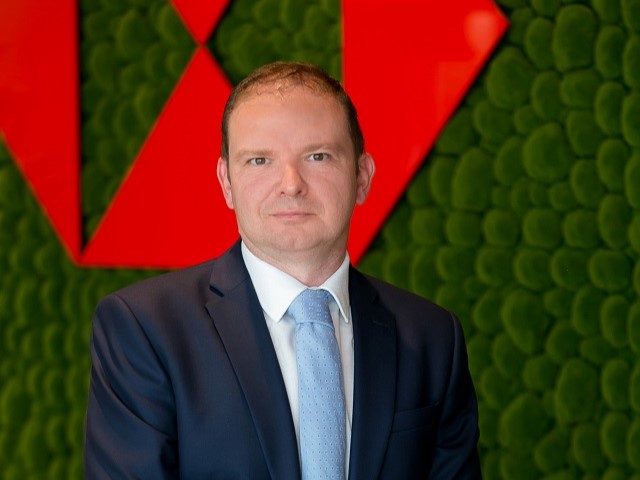
JOSEF CAMILLERI – HEAD OF PRODUCTS AND DISTRIBUTION – HSBC LIFE ASSURANCE (MALTA) LTD.
For many people, retirement can feel a long way off; something to deal with later. But planning for retirement is a long-term process that often spans across a number of years and the choices you make early on can shape the options you’ll have later.
At the same time, more responsibility for retirement income is shifting to individuals. So, the question isn’t just whether to save, but how to invest those savings in a way that stays appropriate as your circumstances change.
One of the biggest challenges is that investing isn’t a one-time decision. The level of risk that may feel comfortable in your 30s is unlikely to feel right in your 60s. As you move closer to retirement, it often makes sense for the way your savings are invested to change, too. For most people, selecting their investments and keeping track is a real headache.
That’s where lifecycle investing comes in.
Investing that changes as you do
Lifecycle strategies are built on a simple idea: your investments should evolve as you move closer towards retirement.
When retirement is still some way off, lifecycle funds may take on more investment risk than you’d typically consider for short- to medium-term goals. This is because they often invest more heavily in higher-risk assets, such as equities, in the earlier stages of the journey (sometimes referred to as the “glidepath”).
As the target retirement year approaches, the fund gradually shifts its mix from higher-risk assets to lower-risk assets — such as bonds and cash-type investments — with the aim of reducing overall investment risk.
The goal is to help make the journey smoother by automatically adjusting risk over time, so you’re less likely to face major investment decisions at potentially stressful moments. Even so, while lifecycle funds follow a predefined glidepath, it’s still sensible to review your investments periodically to confirm they remain aligned with your financial goals and any changes in your personal circumstances.
Start with a timeframe
In practice, lifecycle investing is often offered through a range of funds linked to expected retirement year dates.
These are commonly set in five-year intervals. For example, someone planning to retire around 2045 might choose a “2045” fund. From there, the fund’s investment mix adjusts automatically over time.
This can make retirement investing simpler. Rather than deciding when to take more or less risk or which fund to select, you start by choosing a likely retirement timeframe – and the strategy automatically adapts as you move closer to that date.
Less frequent decision-making
Sticking to a long-term plan isn’t always easy.
Market falls, economic headlines and everyday pressures can all influence behaviour. After a downturn, people may become overly cautious; when markets are rising, they may take on more risk than they intended.
Lifecycle strategies help by building the approach into the fund design. This reduces the need for frequent changes, particularly for those who prefer a simpler, more hands-off option.
Why this matters
In Malta, there’s growing awareness that many people will need to supplement the state pension with personal savings.
Voluntary retirement plans are becoming increasingly important, supported by tax incentives that encourage long-term contributions. While everyone’s situation is different, even modest regular savings can add up over time.
In that context, an approach that combines simplicity with a disciplined investment framework is likely to appeal to a wide range of savers.
Factors to consider before making a choice
Not all lifecycle strategies work in the same way, and the differences matter.
How the glidepath is set, how broadly the fund is diversified, and the costs involved can all affect long-term outcomes. Governance and oversight also matter; in other words, how the strategy is monitored and updated as markets and conditions change.
Some lifecycle approaches rely more on active decisions by managers, while others follow a more rules-based, cost-conscious structure. There isn’t a single “right” answer, but it’s worth understanding what sits behind the fund you’re choosing — including its track record, how it has performed in different market conditions and the fees you’ll pay. Just remember however, that past performance doesn’t guarantee future results.
A long-term approach
There is no one-size-fits-all solution to retirement planning. Personal goals, financial circumstances and attitudes to risk will always differ.
However, as financial decisions become more complex, there is a clear benefit in approaches that help people stay on track without requiring constant attention.
Lifecycle investing is one such approach, offering a structured path that evolves over time and stays aligned to a long-term objective.
Choosing the right solution remains an important decision. Taking advice from a qualified financial planning professional can help ensure that any approach taken reflects individual needs, time horizons and appetite for risk- providing greater confidence that the chosen strategy remains appropriate not just today, but in the years ahead.
Precision Ranching in Malta: How AI and Data are Transforming Bluefin Tuna Management
By Wes Trade Ltd.
Malta has established itself as one of the world’s leading centres for Atlantic Bluefin Tuna ranching, positioning the country as a strategic player within the Mediterranean aquaculture industry. As global demand continues to grow, the sector increasingly requires innovative tools that improve operational efficiency, strengthen sustainability, and support data-driven decision-making.
One of the longstanding challenges in tuna ranching has been the accurate estimation of fish biomass within offshore cages. Traditional methods often rely on manual handling or statistical sampling techniques that can be labour-intensive, disruptive to operations, and prone to uncertainty.
Through the MARINA PLUS project, Wes Trade Ltd. is contributing to the digital transformation of aquaculture by developing an advanced Decision Support System (DSS) powered by Artificial Intelligence (AI), introducing new capabilities for precision ranching in Malta.
Bringing Digital Innovation Underwater
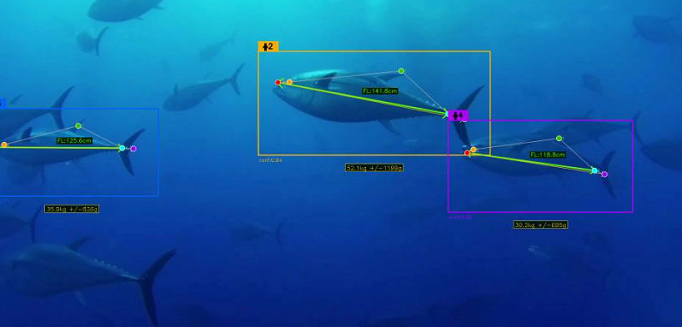
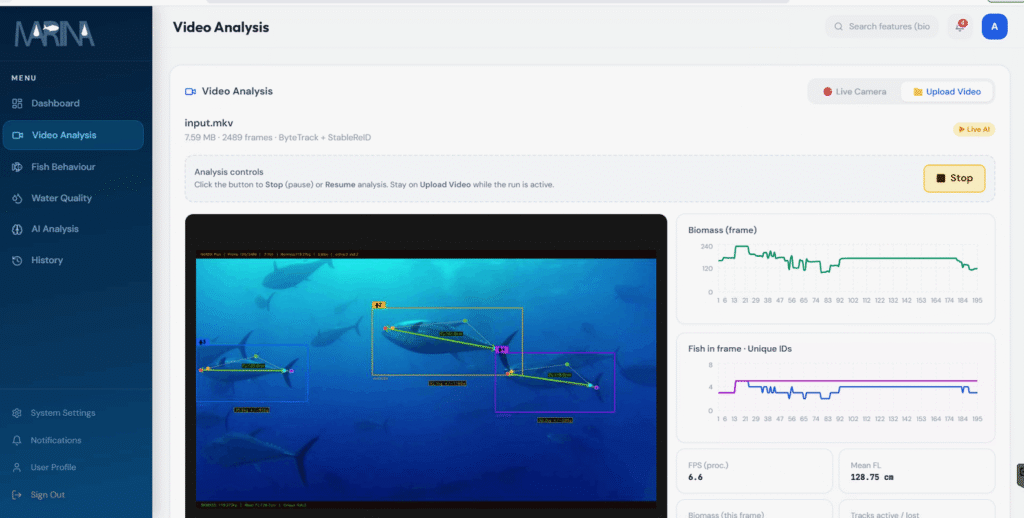
The MARINA PLUS system uses underwater imaging technologies and AI-based analysis to estimate fish size and biomass in a completely non-invasive manner. Instead of physically handling fish, the system analyses underwater video footage and converts visual measurements into highly accurate biomass estimates.
By reducing operational disruptions and minimizing fish stress, this approach offers a practical and scalable solution for modern aquaculture operations.
The project represents an important example of how emerging technologies—including artificial intelligence, computer vision, and environmental data integration—can be translated into real-world applications within traditional economic sectors.
From Data Collection to Decision Support
The true innovation of MARINA PLUS lies in its Decision Support System, which transforms raw environmental and biological data into actionable operational insights.
The platform is designed to support fish farm operators through:
- Monitoring fish condition and growth trends
- Early detection of operational risks
- Automated alerts on stock performance indicators
- Feed optimization and harvest planning support
- Improved inventory and biomass management
This enables operators to move from reactive management practices toward more predictive and informed decision-making.
Supporting Competitiveness and Sustainability
For Malta’s aquaculture industry, technologies such as MARINA PLUS represent more than a technological upgrade—they signal a broader transition toward precision ranching and digital transformation.
Data-driven systems have the potential to increase operational predictability, optimize resource use, and support higher standards of environmental and economic sustainability.
Projects such as MARINA PLUS also demonstrate the growing importance of research and innovation partnerships in strengthening Malta’s blue economy and maintaining competitiveness in international markets.
As the project advances into its next phases, including enhanced monitoring capabilities and further system development, Malta continues to position itself at the forefront of innovation in sustainable aquaculture.
The MARINA PLUS project has been funded by Xjenza Malta under the 2024 FUSION R&I Technology Development Programme LITE.
A new EU-funded project managed by The Malta Chamber seeks to promote a more inclusive labour market
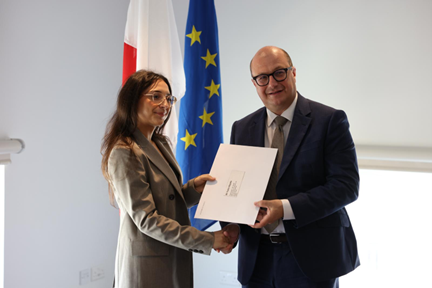
The Malta Chamber of Commerce, Enterprise and Industry has secured funding under the European Social Fund Plus (ESF+), administered by the Managing Authority, for the implementation of its initiative Promoting Access to High‑Potential Work and Youth Skills (PATHWAYS).
This project builds on Malta’s economic and labour market challenges as the country shifts towards a green and digital economy amid a limited labour supply. An inclusive approach is vital to ensure that everyone can benefit from new opportunities. Businesses face growing pressure to adopt new technologies, comply with environmental standards, and remain competitive, yet they often struggle to find the skills and talent they need. There is a notable gap between sector requirements and workforce preparedness, particularly among underrepresented groups and those facing employment barriers. Malta’s labour market faces demographic pressures, which call for maximising the potential of all, making inclusion a social and economic priority for resilience and competitiveness. For this reason, the primary goal of this project is to help address barriers that prevent specific groups, especially women, people with disabilities, and those at risk of social or economic exclusion, from fully participating in the labour market and benefiting from the opportunities of the green and digital economy.
Structural and societal barriers remain significant challenges. Women still face obstacles to entering and advancing in fields such as science, technology, and innovation. This leads to the underutilisation of talent in vital sectors for economic development. Similarly, people with disabilities often encounter restrictions, with employment frequently confined to limited roles and fewer opportunities for career growth. These issues highlight disconnects between skills and job requirements, as well as gaps in employer awareness and inclusive practices. The green and digital transitions may deepen existing inequalities. Vulnerable individuals, or those without ongoing learning opportunities, might find it harder to adapt, risking greater marginalisation.
This project takes a comprehensive approach, including research to raise awareness of barriers faced by underrepresented groups, support for stakeholder collaboration, and information on future professional opportunities. By engaging in dialogue and exchanging insights, the project aims to ensure that solutions address both labour market demands and the experiences of those facing barriers. This coordinated effort promotes more effective and practical inclusion strategies. Inclusion goes beyond providing access to jobs; it also requires ongoing reskilling and career advancement opportunities. At the same time, tackling cultural perceptions is crucial, as gender and disability stereotypes continue to influence decisions and actions. Raising awareness and encouraging inclusive attitudes are therefore key components of the project.
Malta’s shift to a green and digital economy must be inclusive to succeed. By tackling interconnected issues, such as skills shortages, demographic changes, and social obstacles, it aims to build a more vibrant, fair, and future-oriented workforce that fosters both economic development and social advancement.
The Malta Chamber hosts General Election 2026 Debate
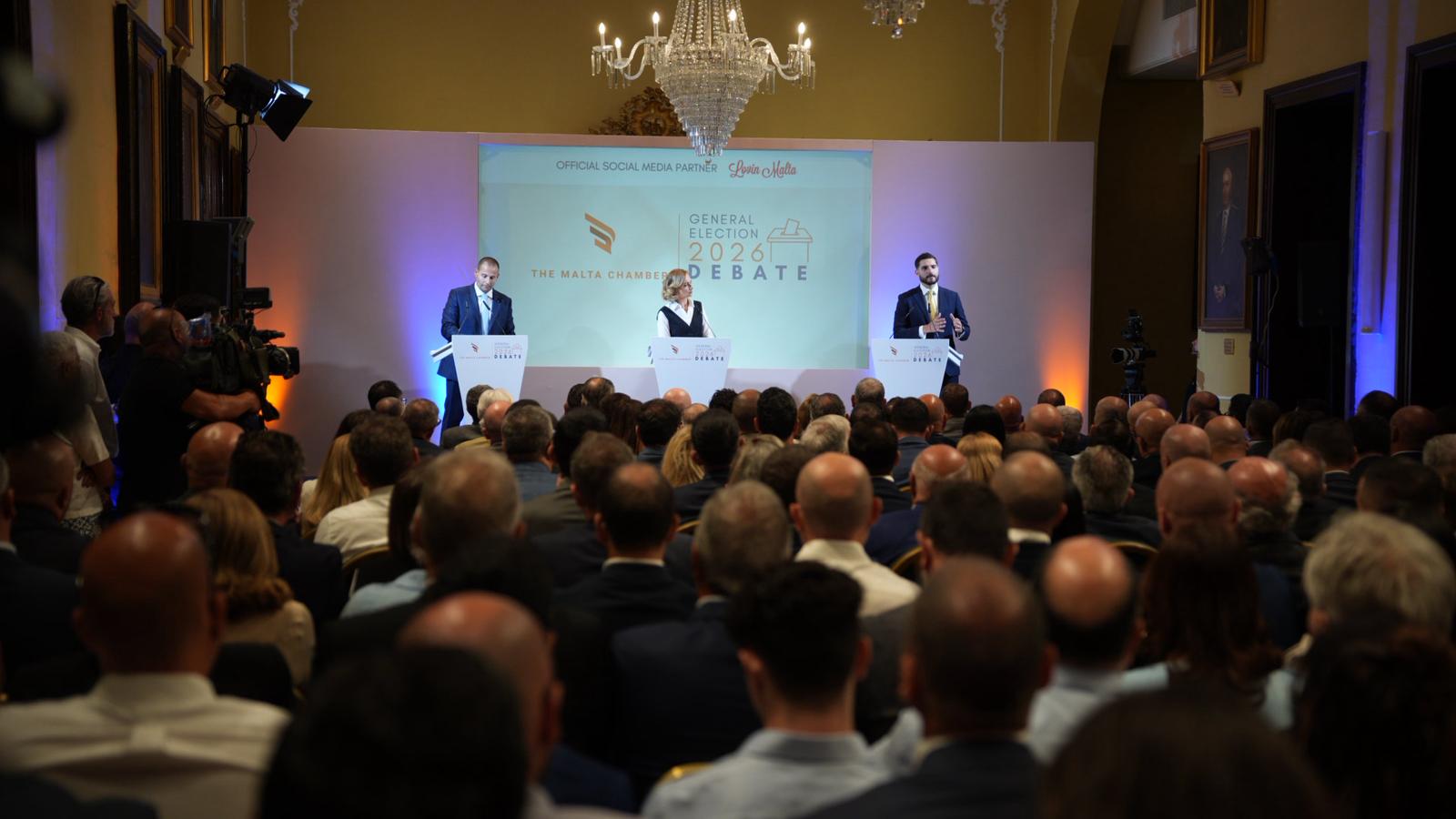
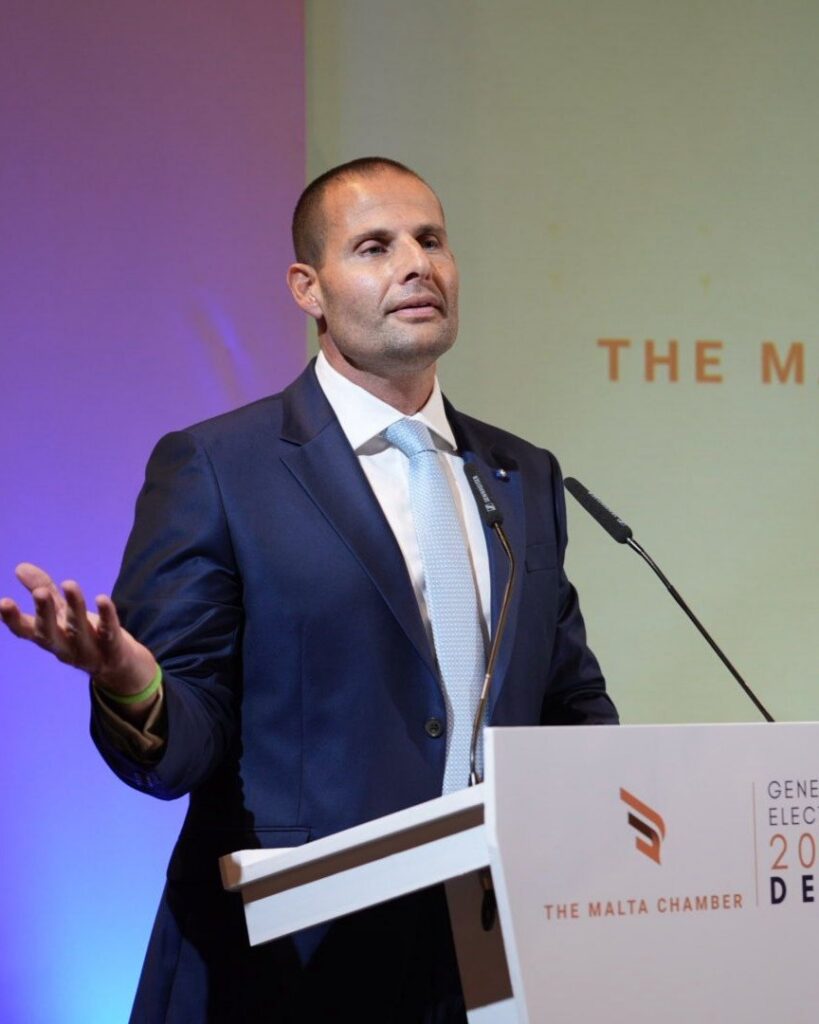
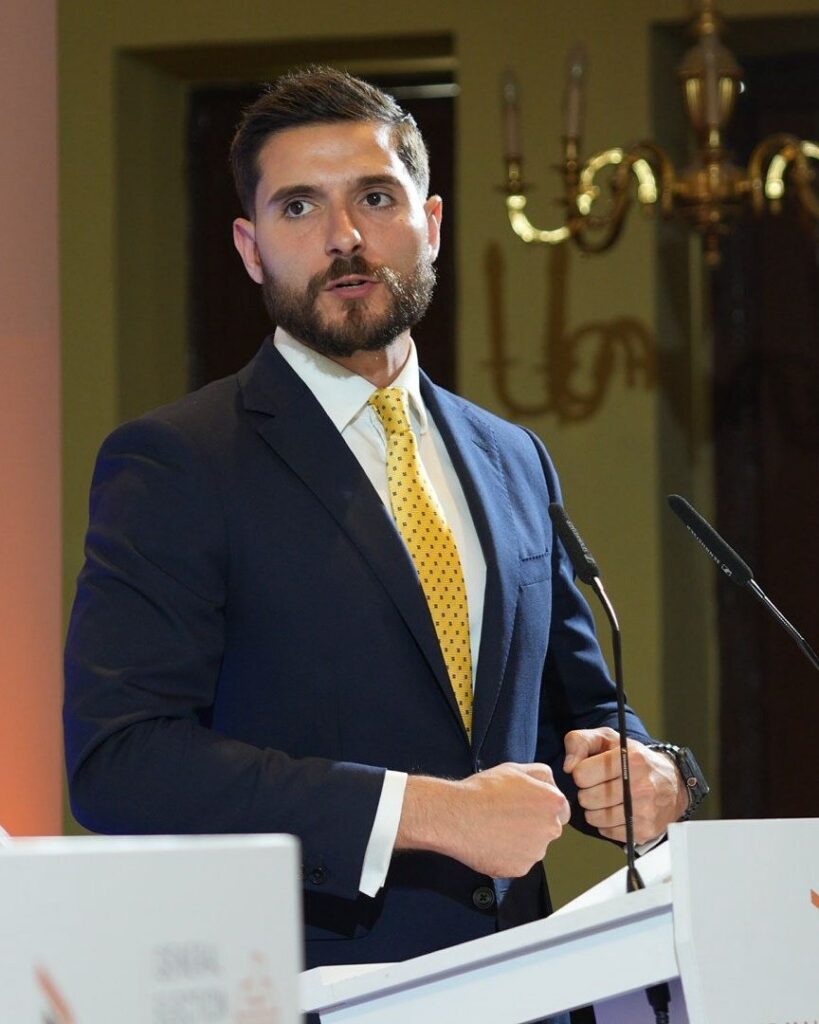
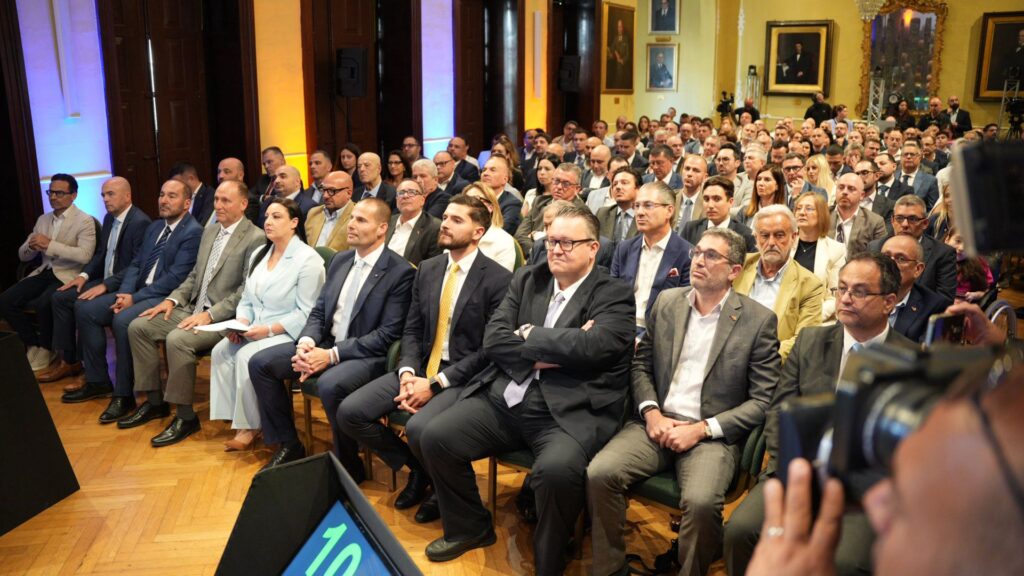
The Malta Chamber hosted the ‘General Election 2026 Debate’ on 25 May 2026 at its premises in Valletta, bringing together Malta’s political leaders to discuss the country’s future and key issues impacting the business community.
Prime Minister Robert Abela and Opposition Leader Alex Borg presented and debated their respective manifesto proposals during the event, which focused on economic development, innovation, and national priorities ahead of the upcoming general election.
The debate was moderated by Rachel Bondi Attard, who guided discussions on the challenges and opportunities facing Malta’s economy and business sector.
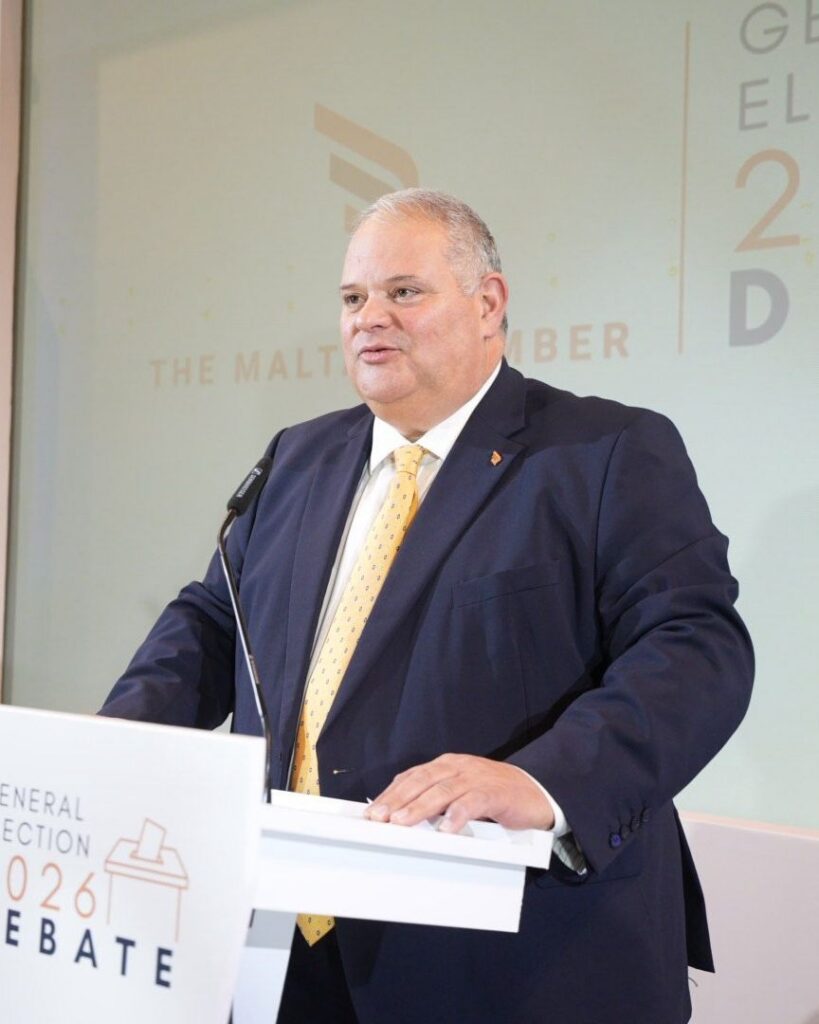
Addressing attendees, William Spiteri Bailey, The Malta Chamber President, emphasised the importance of leadership and reform, stating: “This is the moment of courage. The moment of reform. The moment of transformative leadership. Malta has already shown that it is capable of being resilient. Now we must show that we are capable of building a stronger and more sustainable country for future generations.”
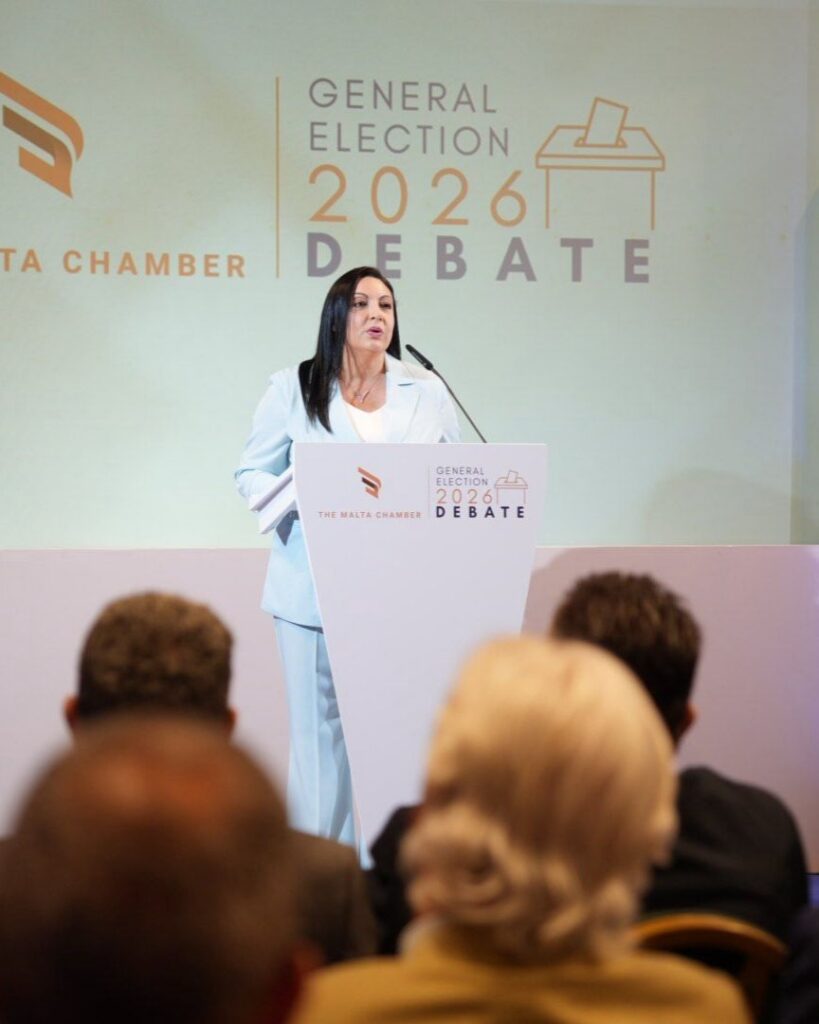
The Malta Chamber CEO, Dr Marthese Portelli, also delivered a strong appeal to the country’s political leaders, urging them to provide Malta with a clear national economic plan, prioritise productivity and innovation, invest in the skills of young people, and work towards making Malta synonymous with excellence, integrity, and reliability.

BOV’s €300 million senior preferred EMTN issue 2x oversubscribed within hours

Bank of Valletta has announced the successful launch and execution of its €300 million callable Senior Preferred Notes under its Euro Medium Term Note (EMTN) Programme, following the opening of the books on Wednesday, 20th May 2026.
The transaction marks the Bank’s second benchmark issuance in the international capital markets and represents a further milestone in strengthening its diversified funding base. Building on its long-standing position as Malta’s largest financial institution, the successful outcome reflects both the depth of its domestic franchise and its growing recognition among international institutional investors. The issuance was supported by Citi Bank and UBS acting as Mandated Lead Arrangers, underlining the Bank’s strong and well-established partnerships with leading global financial institutions.
The transaction attracted strong and high-quality investor demand from both domestic and international accounts. The order book peaked at approximately €0.8 billion (2.6x oversubscription) and closed at around €0.6 billion (2.0x oversubscription), highlighting robust appetite for the Bank’s credit and the strength of investor confidence in its business model. The Notes were priced at a coupon of 4.467%, with pricing tightening from initial guidance following a well-executed book-building process.
This outcome reflects the Bank’s solid credit fundamentals, resilient performance, and clear strategic direction. The successful execution further demonstrates the ability of the Bank to attract sustained interest from international institutional investors, while maintaining strong support from the domestic market, built on long-standing relationships with Maltese businesses and retail clients.
The positive reception follows an extensive investor engagement programme, including Non-Deal and Deal Roadshows across key European markets, which provided an opportunity to present the Bank’s strategy, financial performance, and forward-looking priorities.
This issuance represents a significant achievement not only for Bank of Valletta but also for Malta’s financial sector more broadly. The strong participation from international investors underscores Malta’s continued integration within European capital markets and enhances the visibility of the local banking sector on the international stage.
The investor base was well-diversified across high-quality institutional accounts. Asset Managers accounted for approximately 65% of allocations, Private Banks 16%, Insurance and Pension Funds 9%, Hedge Funds 6%, and other investors 4%. Geographically, allocations were approximately distributed as follows: Germany, Austria & Switzerland 22%, France 22%, BeNeLux countries 20%, Greece & Italy 14%, United Kingdom & Ireland 13%, Domestic Accounts 6%, and other jurisdictions 3%.
The Notes were offered exclusively to professional clients and eligible counterparties, with a minimum denomination of €100,000, in line with the Base Prospectus and market practice for institutional capital markets transactions.
Commenting on the successful issuance, the Bank’s Chairperson and Chief Executive Officer highlighted: “This successful transaction reflects the strength of Bank of Valletta’s franchise as Malta’s leading financial institution, underpinned by the trust of our domestic clients built over generations. At the same time, the strong participation from international institutional investors represents a clear endorsement of the Bank’s strategy, financial resilience, and long-term prospects. The quality and diversification of the investor base achieved in this transaction demonstrate our continued ability to access international capital markets on competitive terms, further strengthening our funding profile and supporting the sustainable growth of our lending and investment activities.”
The net proceeds from the issue will contribute to strengthening the Minimum Requirement for Own Funds and Eligible Liabilities (MREL) of the Bank and its subsidiaries, supporting regulatory objectives while enabling continued growth in lending, investment activities, and broader Group financing needs.
The Notes are expected to be admitted to listing on the Official List and to trading on the Regulated Market of the Irish Stock Exchange plc, trading as Euronext Dublin, with effect from on or around the Issue Date.
BOV welcomes MCAST students to explore innovation and user experience
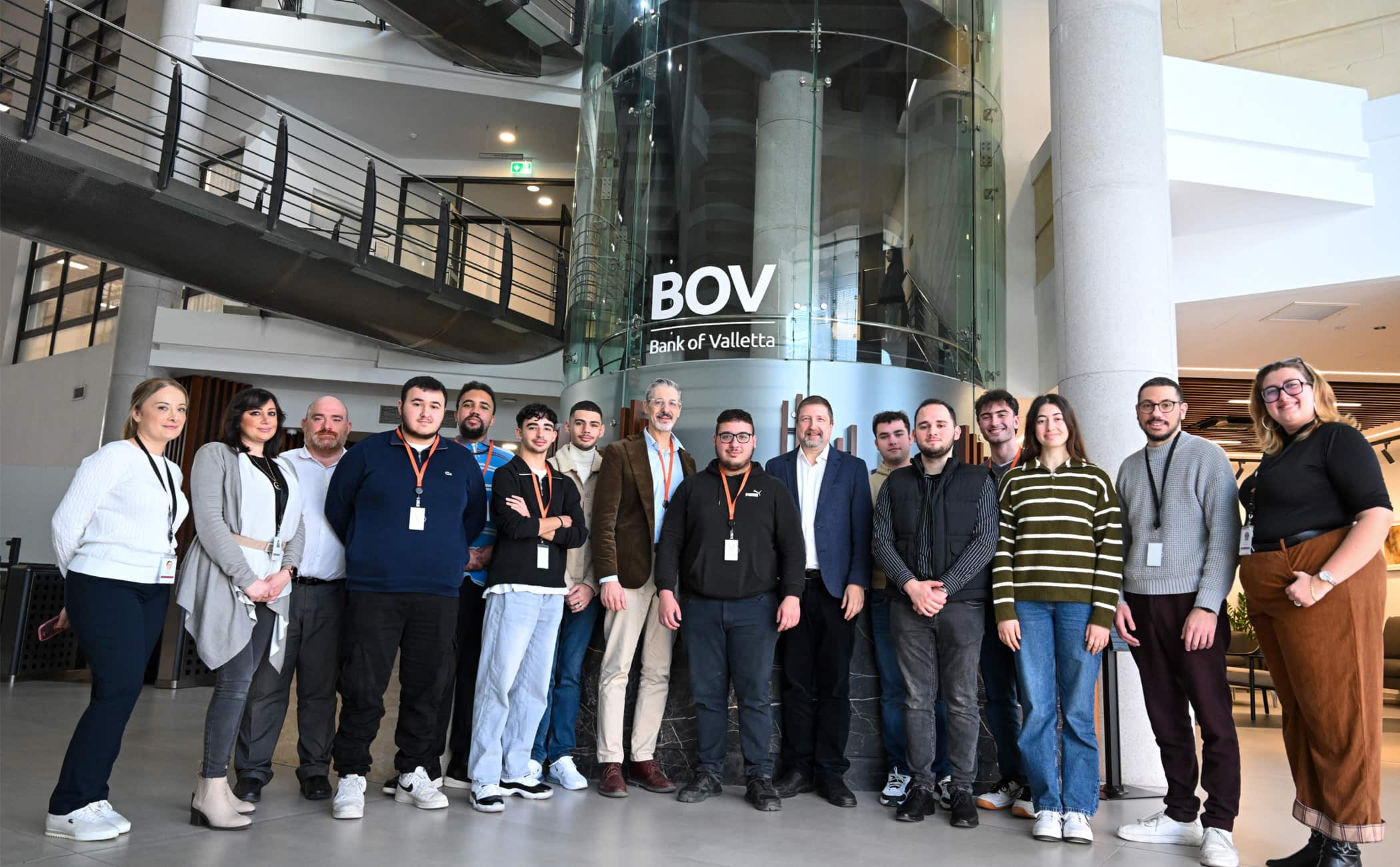
Bank of Valletta recently welcomed a group of MCAST students at its BOV Centre in Santa Venera. These were Bachelor of Science students in Creative Computing, and the visit was focused on giving students first-hand insight into how innovation and user-centred digital thinking are shaping the financial services world.
The session opened with an introduction to the Bank’s EPIC (Empowering Pioneers of Innovation and Change) Programme. Led by Ludwig Mallia, Head Agile and Value Stream Delivery, the programme focuses on transforming employee ideas on innovation into practical improvements at the workplace.
Sean Agius, on behalf of the Bank’s User Experience (UX) team, explained how BOV is placing customers at the centre of research and design to make digital services intuitive, accessible and relevant. Students also saw how UX practices support multiple banking projects, with a strong focus on empathy, usability and continuous feedback, while keeping accessibility and inclusion central to the design process.
Students also stepped inside the Bank’s UX Lab, a dedicated research space where customer interactions with digital services are observed and analysed in real time. The Lab supports testing, collaboration and innovation, helping teams refine services through real user insight.
Senior Lecturer Silvio Nocilla outlined how the Creative Computing programme aligns with the growing needs of the digital and creative technology sectors. The students also showcased their mini portfolios and assignments that highlighted their growing strengths in creative computing, UX thinking and problem-solving.
The experience closed with meaningful discussion on innovation, career readiness and the value of stronger links between education and industry in developing the next generation of digital professionals. This initiative forms part of the Bank’s ongoing commitment to engage students, support emerging talent and help build a future-ready workforce for a fast-changing digital world.
Maltese CEOs highlight major business impact from the Iran conflict, PwC Malta CEO confidence tracker reports

The results of PwC Malta’s latest CEO Confidence Tracker reveal a key concern among local chief executives for the first half of 2026: the anticipated impact of the escalating Iran conflict on operations. Nonetheless, the overall business results and outlook trends remained on the positive side.
A significant 87.1% of CEOs surveyed foresee some impact from the Iran conflict on their business, with 45% rating this impact as moderate or high. This highlights how geopolitical risk has become a crucial factor in boardroom discussions, influencing how Maltese businesses plan for the future.
This concern further underscores Malta’s deep ties with global trade routes, energy markets, and international supply chains, meaning developments in the Middle East quickly affect the local business landscape.
Ongoing tariff tensions and supply-chain pressures add to this cautious outlook. While broader indicators in the tracker show that business results and outlook trends remain positive, the Iran conflict stands out in this survey.
CEOs are indicating that, although domestic conditions are stable, the external risk environment demands closer monitoring of energy costs, logistics, and cross-border exposures. “The recently published CEO Confidence Tracker emphasises the growing importance of geopolitical awareness in business strategy.
With nearly nine in ten CEOs expecting some level of impact from the Iran conflict, and almost half anticipating a moderate or high impact, our findings stress the need for scenario planning, supply-chain resilience, and careful risk management as businesses navigate the coming months,” explained Lucienne Pace Ross, Territory Senior Partner at PwC Malta.
“At PwC Malta, we will continue to track CEO sentiment every six months, providing timely insights into now the country’s business leaders perceive the operating environment,” she concluded.
Read the full report here.
HSBC Asset Management (Malta) Limited marks 30 Years of Excellence and Growth
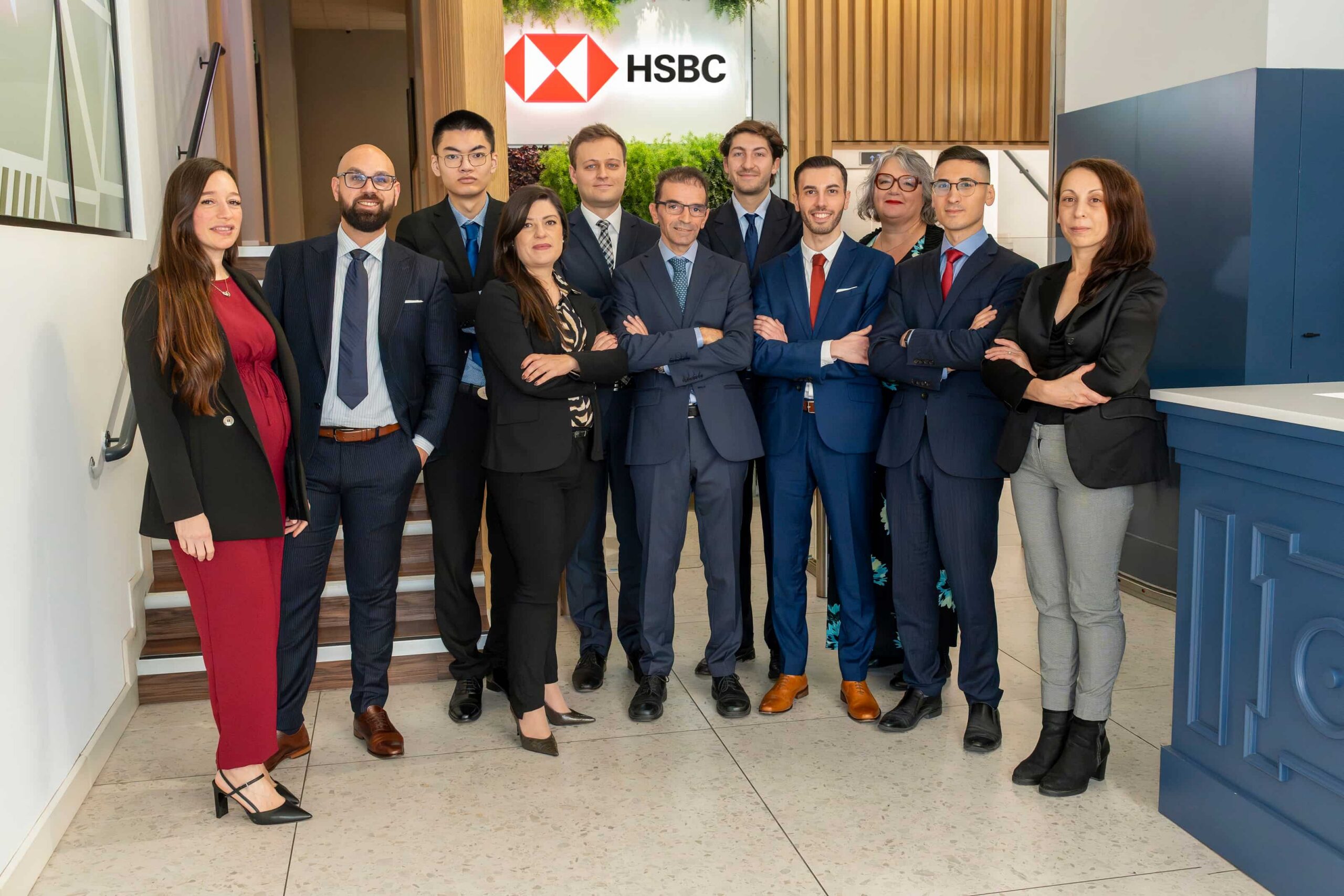
HSBC Malta is proud to announce the 30th anniversary of HSBC Asset Management (Malta) Limited celebrating three decades of trusted investment management and long-standing commitment to clients’ financial wellbeing, complimenting HSBC Bank Malta plc’s wealth management proposition.
Since its incorporation in 1996 as a wholly owned subsidiary of HSBC Bank Malta plc, HSBC Asset Management (Malta) Limited has been a cornerstone of the bank’s wealth management strategy. Licensed by the Malta Financial Services Authority as a UCITS Management Company, HSBC Asset Management (Malta) Limited has consistently supported both retail and institutional investors, adapting through various market and economic cycles and evolving investment needs over the years.
This anniversary follows a significant milestone for the company, having surpassed €1 billion in assets under management and distribution in December 2025, a clear endorsement of its clients’ trust in the company’s disciplined investment approach.
Over the years, HSBC Asset Management (Malta) Limited’s solutions have evolved alongside Malta’s financial landscape, offering a comprehensive range of investment products managed through a word-class disciplined investment and risk management approach adopted by its accredited Malta-based team. As of 31st December 2025, the company’s flagship funds, the Malta Government Bond Fund, Malta Bond Fund, and Maltese Assets Fund have delivered strong three-year cumulative returns of 7.7%, 10.7%, and 15.5% respectively, outperforming their respective peer funds in the local market. Meanwhile, the internationally focused funds managed in Malta, such as the International Bond Fund and the Equity Growth Fund, also achieved robust returns of 13.6% and 34.7%, respectively over the same period.
HSBC Asset Management (Malta) Limited continues to broaden its offering, including the HSBC Global Funds II ICAV Euro Fixed Term Bond 2028 Fund, open for subscription until the 30th of September 2026, which provides access to a diversified bond portfolio and locked returns for customers with a short-term investment objective. All its products are available through the HSBC Malta branch network, where clients benefit from complimentary financial planning advice.
Lisa Vella, CEO of HSBC Asset Management (Malta) Limited, commented: “Reaching our 30th anniversary is a proud moment for all of us at AMMT. This milestone reflects the trust our clients place in us earned by the pristine reputation we have steadily built over the years thanks to the dedication of our talented team. We remain committed to delivering robust investment solutions and to continue supporting our clients’ financial ambitions”.
For more information, please visit: HSBC Asset Management Malta – Individual Investor.