Employers’ Associations within MCESD – the Malta Employers, The Malta Chamber, the Malta Hotels and Restaurants Association, and the Malta Chamber of SMEs – call for immediate withdrawal of ARUC sponsorship of children’s football programme.
The employers’ associations within MCESD strongly condemn the decision to associate a children’s football programme with the Authority for the Responsible Use of Cannabis. This is a serious error of judgment. Children’s sport must represent discipline, health, self-control, ambition and clean living. It must never, under any circumstances, be linked to cannabis or to any authority associated with its use. Whether direct or indirect, the message is wrong, confusing and unacceptable.
No social objective can justify blurring the line between youth development and substances that should never be normalized in the minds of children. Sport must inspire young people to choose healthy lifestyles, not create associations that risk weakening that message. For years, society worked hard to remove cigarettes and alcohol from sport because the principle was clear: harmful substances have no place in an environment meant to shape children’s values and aspirations. The same principle must apply here. There can be no double standards.
Cannabis is not a symbol of health, discipline or performance. Football is. The two should never be placed in the same space, especially where children are involved. This sponsorship should be dismantled immediately and replaced by support from entities that reflect the true values of youth sport and responsible social leadership. Children deserve better. Parents deserve clarity. Sport deserves to remain clean.
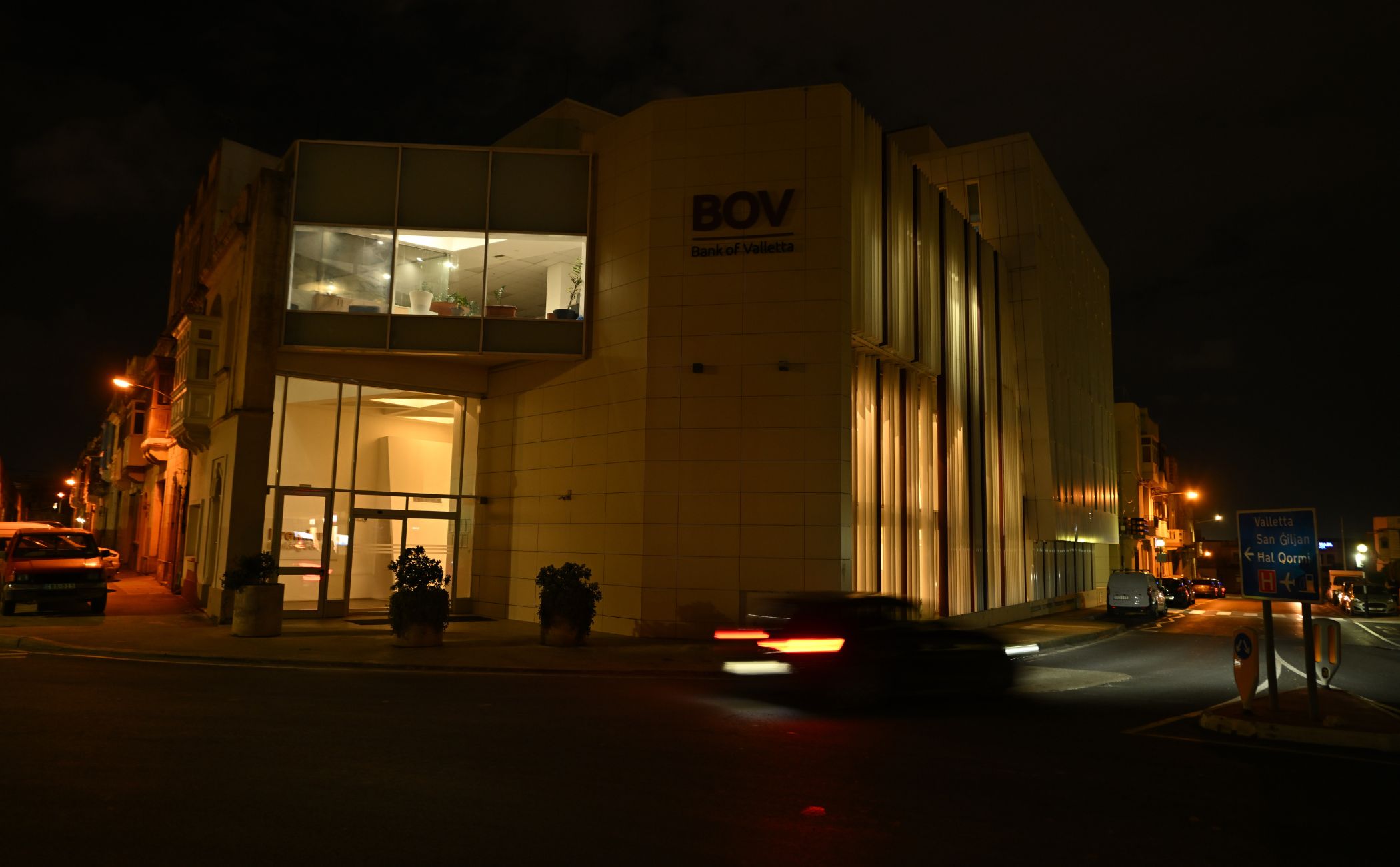
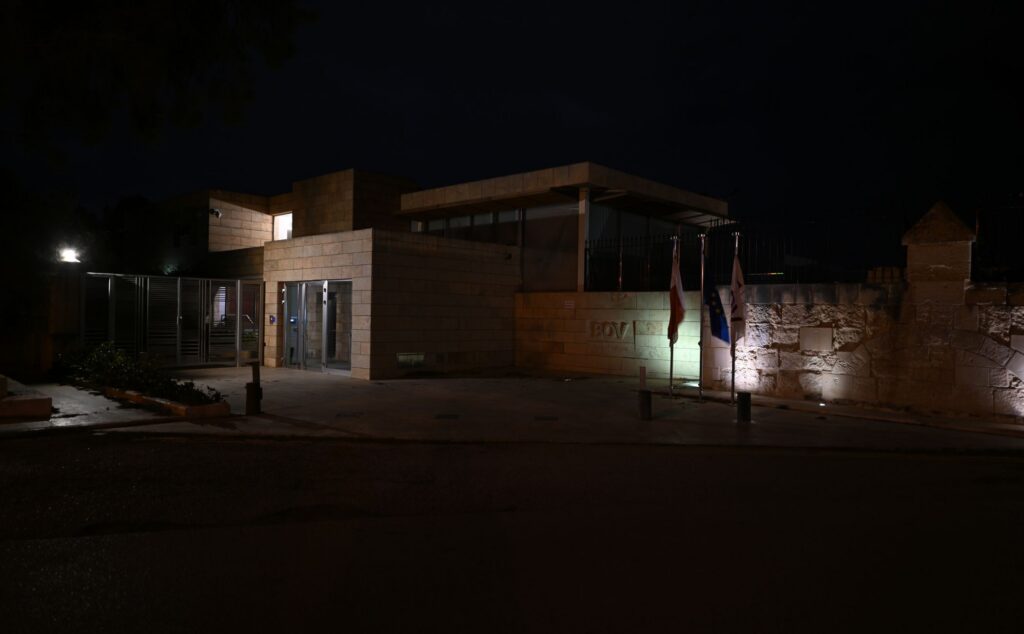
Bank of Valletta joined millions of people and organisations worldwide to mark the 20th edition of Earth Hour, a global initiative organised by the World Wildlife Fund (WWF) to raise awareness about climate change and environmental issues impacting people across the world.
On Saturday, 28th March, the Bank contributed by symbolically switching off non-essential lights for 60 minutes, from 20:30 to 21:30, at some of its main premises.
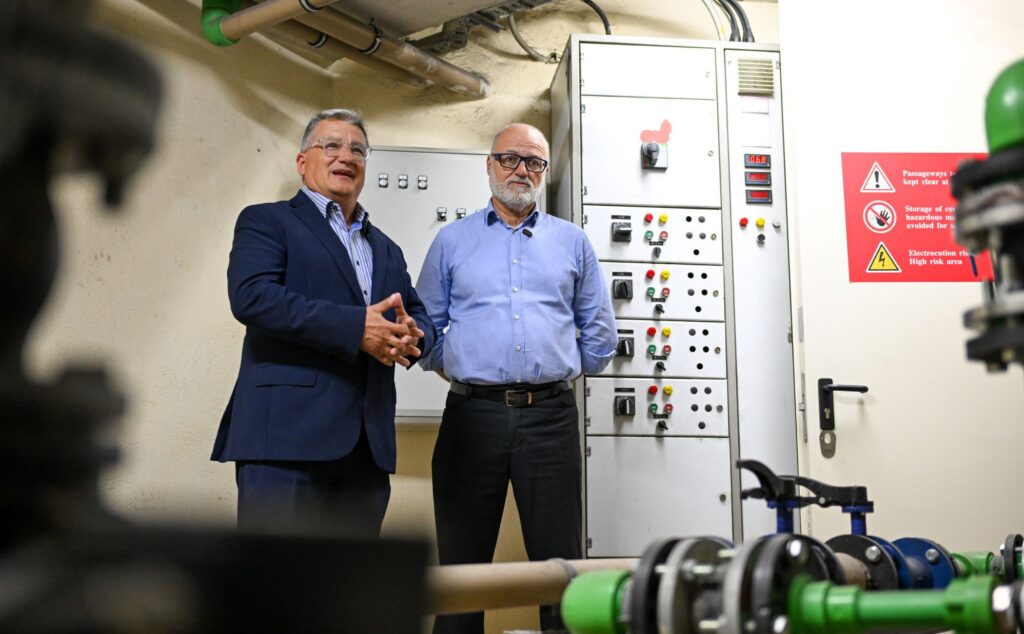
This supports the Bank’s current programme to implement sustainable initiatives across the organisation. In recent years, the Bank has introduced several such initiatives, including installing solar panels at branches, introducing electric vehicle charging stations at the Bank’s Head Office, using second-class water at the BOV Centre thanks to two large reservoirs with a total capacity of approximately 600,000 litres, and installing intelligent lighting across various premises. Other initiatives include focused campaigns such as the Bring Your Own Container campaign and dedicated BCRS waste bins at the Bank’s Head Office, Volunteering Day activities supporting clean‑ups across the island, and other CSR activities held throughout the year.
Bank of Valletta continues to invest significantly in incorporating sustainable features into its projects to ensure the highest levels of efficiency. This includes wall and roof insulation, double-glazing windows, intelligent lighting, renewable energy sources such as PV systems, and efficient Heating, Ventilation and Air Conditioning (HVAC) systems, which are now integrated with a Building Management System (BMS) at the BOV Centre and newly refurbished branches and offices. This will optimise energy consumption by 15–30%, whilst ensuring employees’ comfort through smart automation. The BMS uses sensors, controllers, and real-time monitoring to control heating, ventilation, and air conditioning, enabling proactive, data-driven management.
For the ongoing Żejtun and Qormi Branch projects, the Bank has commissioned studies modelling the carbon footprint before and after refurbishment, with the initial findings indicating that both projects are expected to reduce up to 100 tonnes of carbon annually, compared to the present situation.
Ernest Agius, BOV Chief Operations Officer, stated that the Bank’s participation in Earth Hour aligns with its Environmental, Social and Governance (ESG) principles and reinforces its role as a responsible corporate organisation and supports its role as a founding member of the Malta ESG Alliance. “At Bank of Valletta, our commitment goes beyond this yearly symbolic important gesture. Environmental sustainability is among our top strategic priorities, and we remain committed to leading by example from an ESG perspective by integrating sustainable practices into every aspect of our operations.”
The HSBC Malta Foundation is proud to renew its support for the 20th edition of the Malta Spring Festival, taking place from 7 to 11 April 2026 across iconic venues in Valletta. The annual festival, widely regarded as one of Malta’s premier music events, brings together world-class performers, emerging talent and audiences for a celebration of classical and contemporary music.
In keeping with its longstanding commitment to the arts and education, the Foundation is also backing the International Strings Academy, a fully funded intensive training programme for young string musicians held during the Festival from the 6 to the 11 of April. The Academy offers free tuition, daily lunches and access to all Festival concerts to selected participants, with guidance from internationally acclaimed faculty including Dmitry Sitkovetsky, Charles Sewart, Alexandre Razera, Adam Klocek, Emanuel Salvador, Gjorgji Cincievski and Brian Schembri.
The Malta Spring Festival’s 2026 programme features an exciting series of concerts and musical experiences. The Opening Concert on Tuesday, 7 April at St Paul’s Anglican Pro-Cathedral in Valletta will showcase contemporary works and chamber repertoire. Throughout the week, performances at Teatru Manoel will include solo, chamber and orchestral music by leading artists such as the Huberman String Quartet and other distinguished performers. The Festival culminates in a Closing Concert on Saturday, 11 April 2026, featuring the Malta Spring Festival Academy Orchestra under the direction of Brian Schembri. The programme will include Charles Camilleri’s Suite 2001 – Kosmos, Britten’s Simply Symphony op.4, Karl Fiorini’s Weinende Frau and Ginastera’s Concerto for Strings op.33.
The International Strings Academy runs alongside the Festival, enabling promising young violinists, violists, cellists and double bass players to refine their craft through intensive coaching, ensemble collaboration and performance opportunities, all free of charge.
Glenn Bugeja, Head of Corporate Sustainability at HSBC Malta, said: “The HSBC Malta Foundation is delighted to support the Malta Spring Festival in its landmark 20th year. This festival enriches Malta’s cultural landscape and, through the International Strings Academy, creates invaluable opportunities for young musicians to learn from world-class professionals. Our continued partnership reflects HSBC’s commitment to the arts, education and community development.”
The Malta Spring Festival remains a highlight of Malta’s cultural calendar, inspiring audiences and nurturing talent both locally and internationally. The HSBC Malta Foundation’s sponsorship ensures that music education and artistic excellence continue to flourish on the islands.
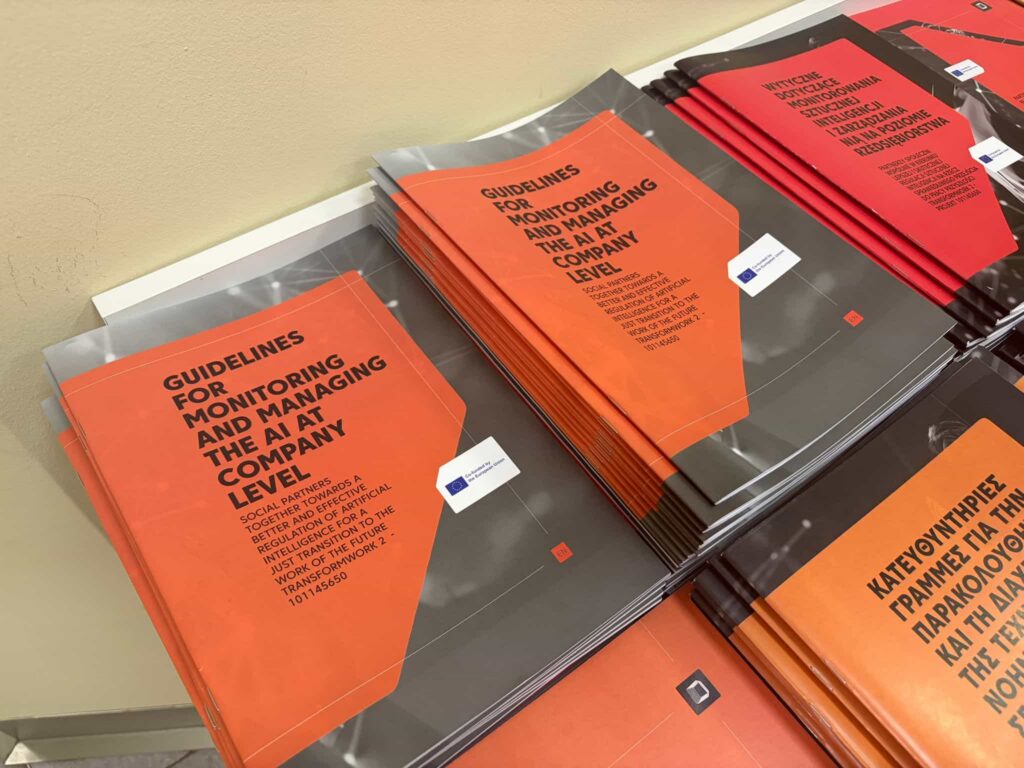
The TransFormWork 2 project, bringing together partners from Bulgaria, Cyprus, Ireland, Italy, Malta, Poland, and Romania, has successfully explored the evolving impact of artificial intelligence (AI) and algorithmic management (AM) on the future of work.
At its core, the project addressed how AI is reshaping employment relationships and workplace dynamics. It focused on identifying effective mechanisms, practices, and initiatives that support the timely anticipation of future skills needs, while promoting proactive upskilling and reskilling across the workforce.
A key message throughout the initiative was clear: ensuring that AI benefits everyone requires forward-looking strategies grounded in the human-in-control principle. When implemented responsibly, AI has the potential to unlock new labour market opportunities, introduce innovative ways of organising work, and significantly improve working conditions for both employers and employees.
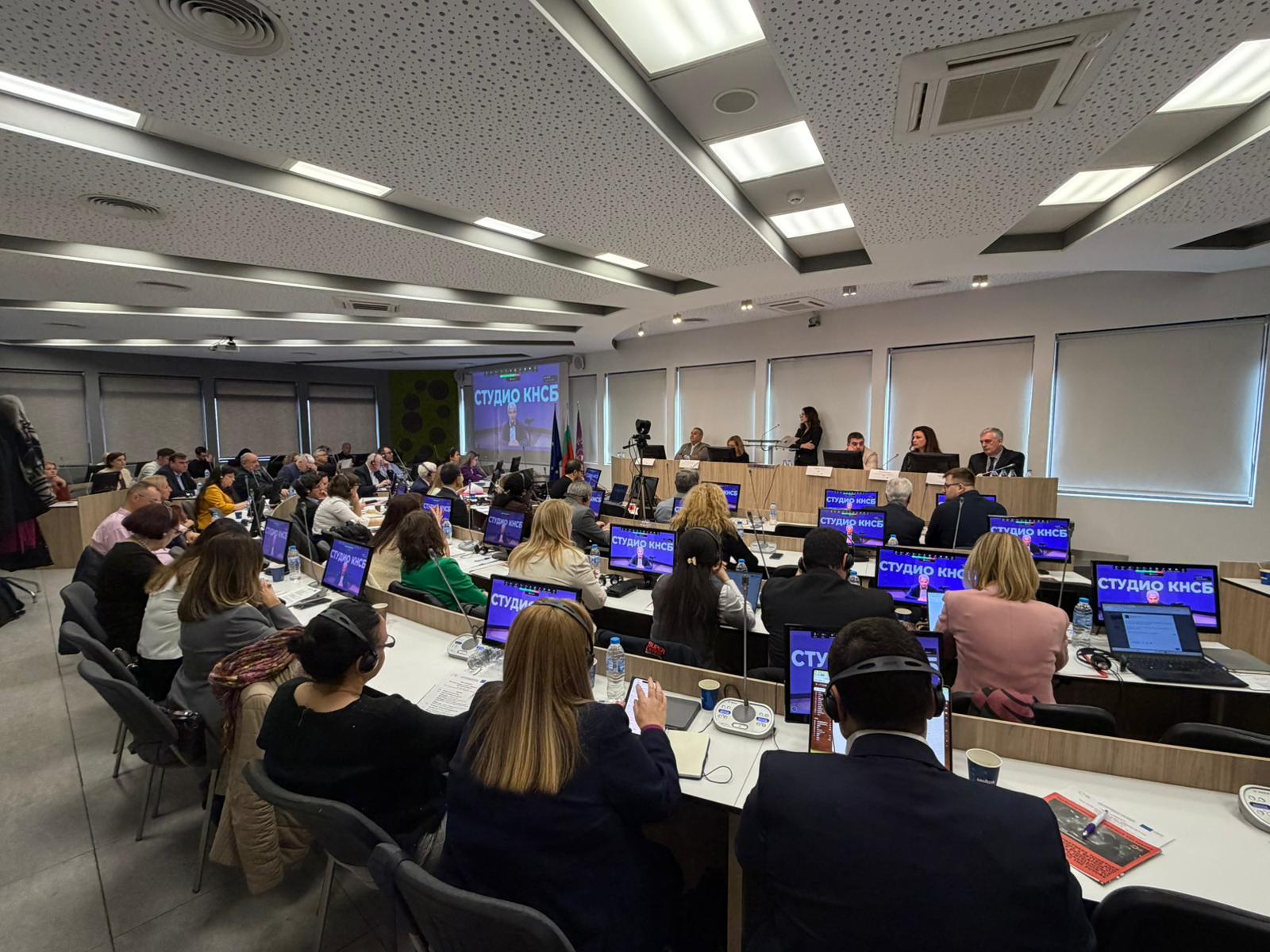
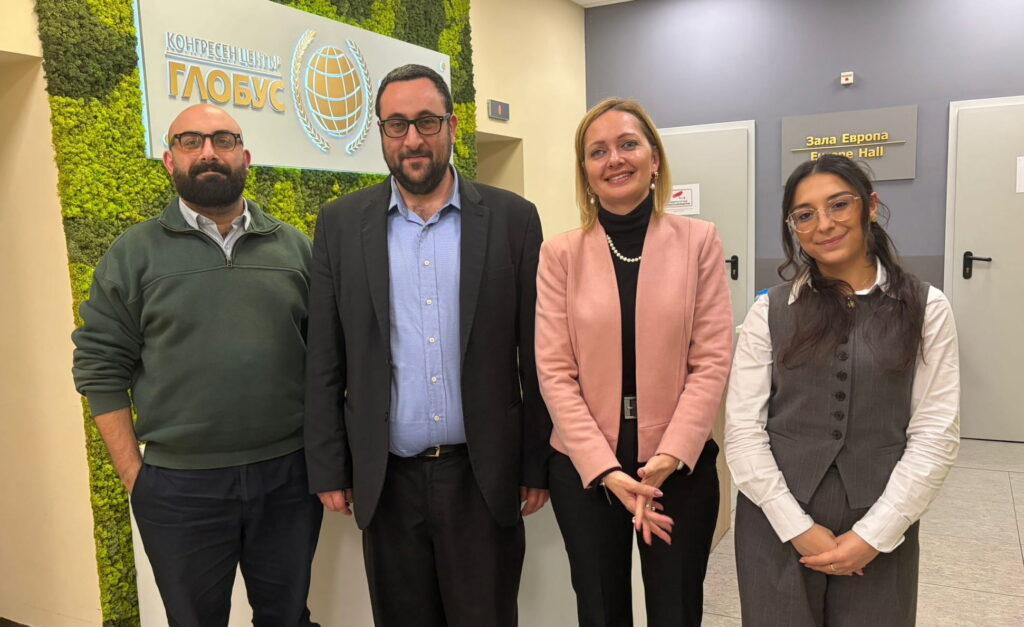
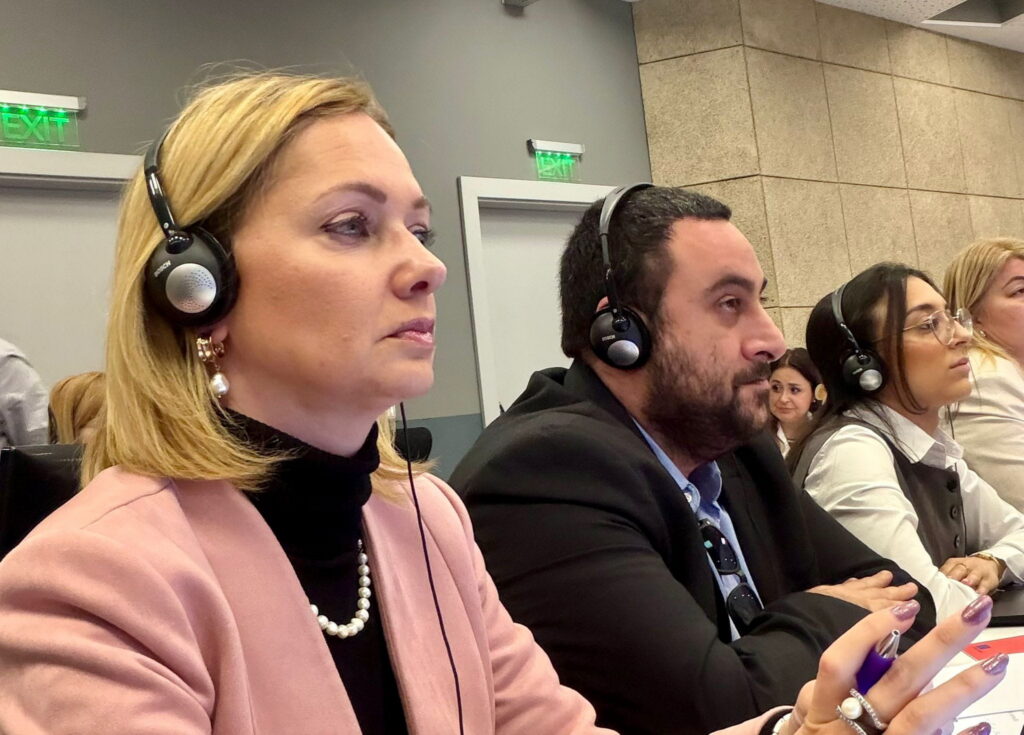
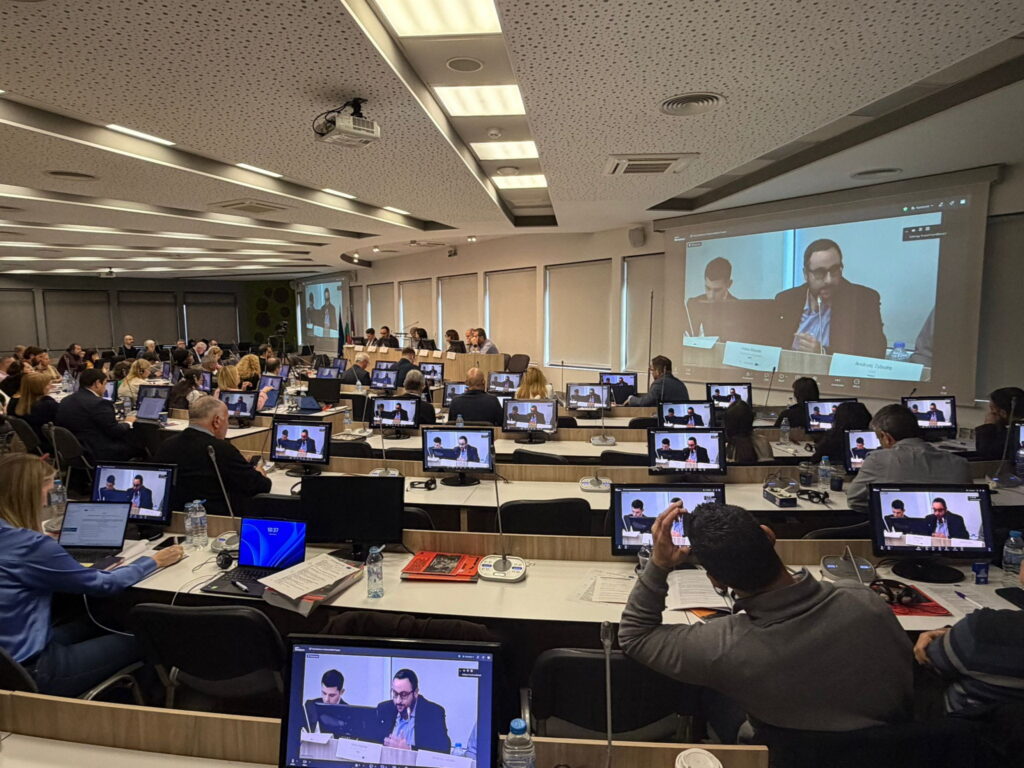
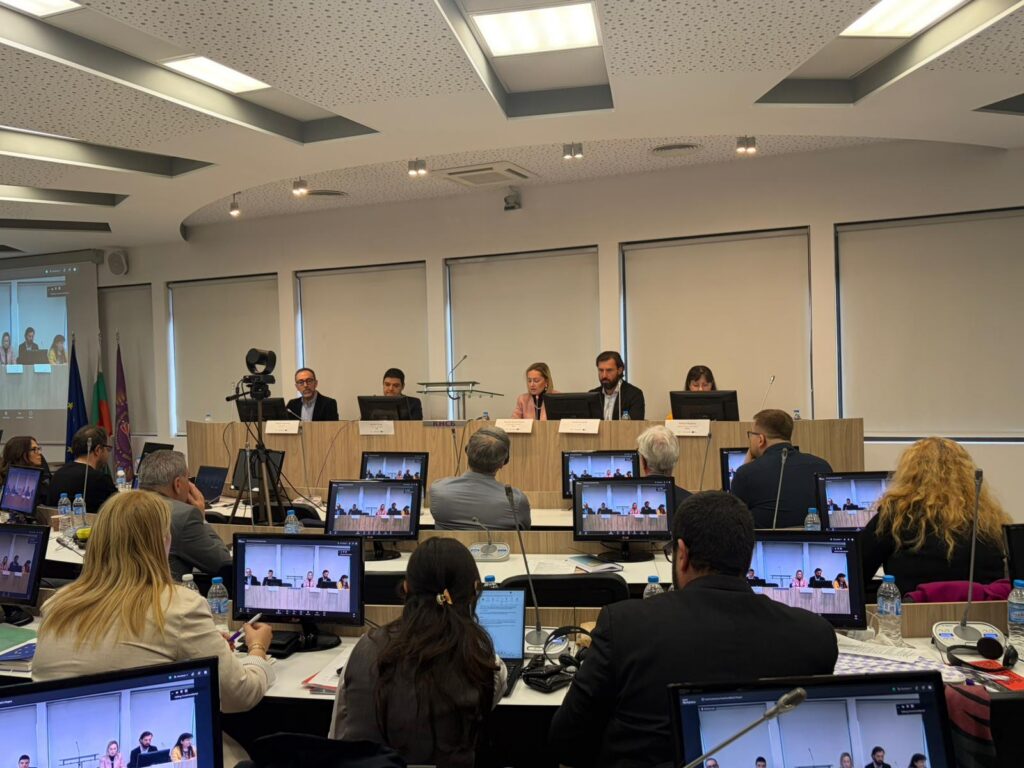
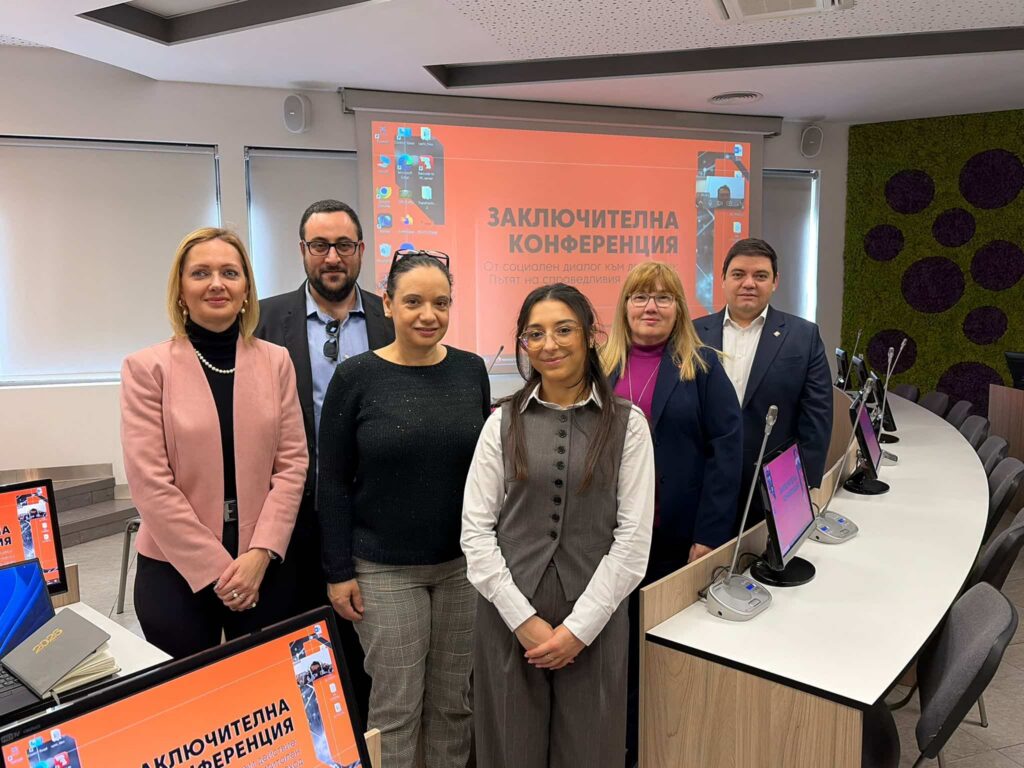
On 27 March 2026, the project culminated in a final conference organised by the Confederation of Independent Trade Unions in Bulgaria (CITUB) in Sofia.
Representatives from The Malta Chamber and the General Workers’ Union (GWU) participated in the event, contributing to discussions on the future of work in an AI-driven world.
During the conference, Fabio Bajada, Projects and Policy Coordinator at The Malta Chamber, presented key findings from the National Report, developed in collaboration with GWU. His presentation highlighted:
Malta’s national AI strategy and related policy frameworks
Current levels of AI adoption and preparedness
Practical case studies, particularly within the financial sector
A central moment of the conference was Panel 3: “The Future of Work in the Digital Era: Safeguarding Quality Jobs”, chaired by Rachel Bondi Attard, Head of Media and Communication Strategies at The Malta Chamber.
The panel brought together distinguished experts:
Paweł Gmyrek, Senior Researcher, ILO
Xabier Irastorza, Senior Research Project Manager, EU-OSHA
Alexiei Dingli, Professor of Artificial Intelligence, University of Malta
Felicia Roșioru, Associate Professor of Labour Law and EU Employment Law, Babeș-Bolyai University
In her remarks, Rachel Bondi Attard underscored the urgency of moving beyond discussion to action:
“Dialogue is no longer enough. While we debate regulations, the rest of the world is moving. If Europe lingers in the boardroom while the U.S., China, and Japan are in the lab, we don’t just fall behind—we risk becoming irrelevant.”
She challenged stakeholders to reflect critically on Europe’s position in the global AI race:
“We have to ask ourselves the hard question: Has Europe already missed the AI bus? Are we today discussing yesterday’s challenges rather than tomorrow?”
Closing her intervention, Bondi Attard emphasised the importance of maintaining a human-centred approach to technological progress:
“Ultimately, the future belongs to those who can master the ‘gears’ of AI without losing the ‘soul’ of human dignity. We need a generation that pairs technical mastery with the one thing an algorithm cannot replicate: creativity and critical thinking.”
Financial Performance: Profit Before Tax of €260.4 million, delivering a pre‑tax ROAE of 17.9%, above forward-looking guidance.
Shareholder returns: The Board announced a strong dividend distribution, including a special dividend, complemented by the activation of a regulated share buyback programme.
Core operating performance: Operating income grew by 2.3% driven by core banking activity, credit growth and revenue diversification.
Financial Position: Total assets increased by €1.4 billion to over €16.5 billion, supported by strong deposit inflows and capital‑markets activity.
Capital and funding: Successful Tier 2 issuances and preparations for a Senior Preferred Bond to support future growth and regulatory requirements.
Asset quality: Non‑Performing Exposures ratio reduced to 1.68%, with coverage strengthened to 59.4%.
Outlook: Entering FY2026 from a position of strength, with strong capital buffers, and continued investment in digital transformation and customer experience.
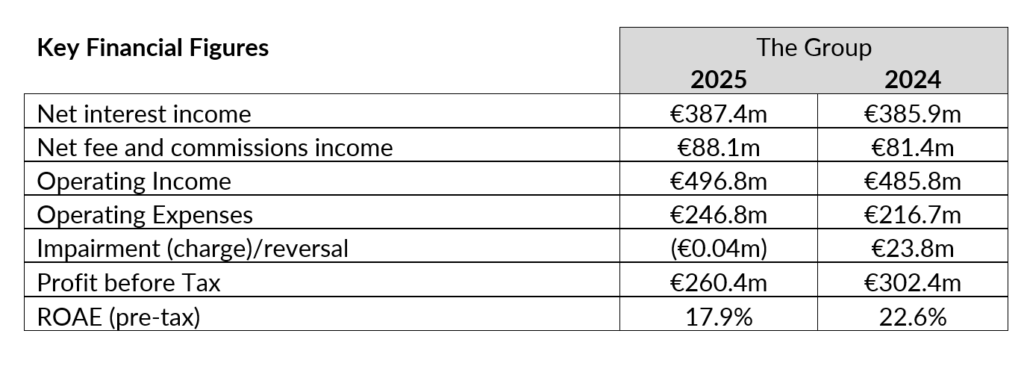
The Bank of Valletta Group delivered a solid performance in 2025, generating a Profit Before Tax of €260.4 million and achieving a pre‑tax Return on Average Equity of 17.9%. This outcome reflects the strength of the Group’s underlying business model, the resilience of its core income streams, and the disciplined execution of its strategic priorities throughout the year. The Group continued to improve its balance sheet, enhance asset quality, diversify revenues and invest in its operational and digital capabilities. As a result, it enters 2026 with stronger financial foundations and clear momentum for the next phase of its strategic development.
The strong financial performance enabled the Board to propose one of the most substantial dividend distributions in recent years, with a final gross cash dividend of €65.1 million (€42.3 million net) being recommended for approval from H2 profits, equivalent to €0.1014 per share gross (€0.0659 net). Over and above, the Board also proposed a special dividend of €10.4 million gross (€6.8 million net), equivalent to €0.0162 per share gross (€0.0105 net). This special distribution reflects the portion of profitability generated during the financial year that exceeded the upper bound of the Bank’s forward‑looking PBT guidance which amounted to €250 million.
This results in a total cash dividend for FY25 (including interim payment and special dividend) of €0.2032 gross (€0.1320 net) per share, and equivalent to a total gross dividend of €130.5 million (€84.8 million net) out of the year’s profits, with the payout being fully aligned with the Group’s Shareholder Distribution Policy. The distribution underscores the Board’s commitment to delivering sustainable shareholder returns while preserving the capital strength and strategic flexibility needed to support future growth.
Complementing this cash dividend, the Bank has also allocated a €7.8 million reserve during the year to operate the regulated share buyback programme, activated during FY2025. This contributed to improved equity liquidity and more efficient capital management, showing the ever-increasing trust that markets, shareholders and the wider community have in BOV.
During the year, the Group strengthening its long‑term funding through targeted capital‑markets activity, completing the issuance of €150 million in unsecured Tier 2 bonds, concluding the €250 million EMTN programme launched in prior year. The Bank subsequently obtained regulatory approval for a new €325 million programme, under which €125 million in unsecured subordinated (Tier 2) bonds were issued, further enhancing the capital structure and supporting future growth. In parallel, the Group has commenced engagement with international markets in preparation for a €300 million Senior Preferred issuance, aimed at broadening and diversifying its wholesale funding sources while ensuring continued alignment with evolving MREL and strategic funding requirements. Further details will be issued during FY2026, with the issuance being subject to regulatory approval.
Financial Performance and Prevailing Economic Conditions
Despite normalising interest rates and sector-wide cost pressures, the Group delivered a solid financial performance, exceeding profitability targets and forward-looking expectations. While profitability declined when compared to FY2024, core operating performance remained resilient, with operating income increasing by 2.3% year-on-year, supported by disciplined balance sheet management, credit portfolio expansion, non-funded income diversification, and active cost and impairment management.
The Group further strengthened its balance sheet, with total assets increasing by €1.4 billion, with year-end figures exceeding €16.5 billion. Expansion was driven by sustained growth in customer deposits, which increased by €937 million, together with a €277 million rise in long-term liabilities following the successful issuance of Tier 2 subordinated debt, supporting strong loan book performance and expansion of the investment portfolio beyond targets.
One of the most substantial dividend distributions in years – Dr Gordon Cordina, Chairperson
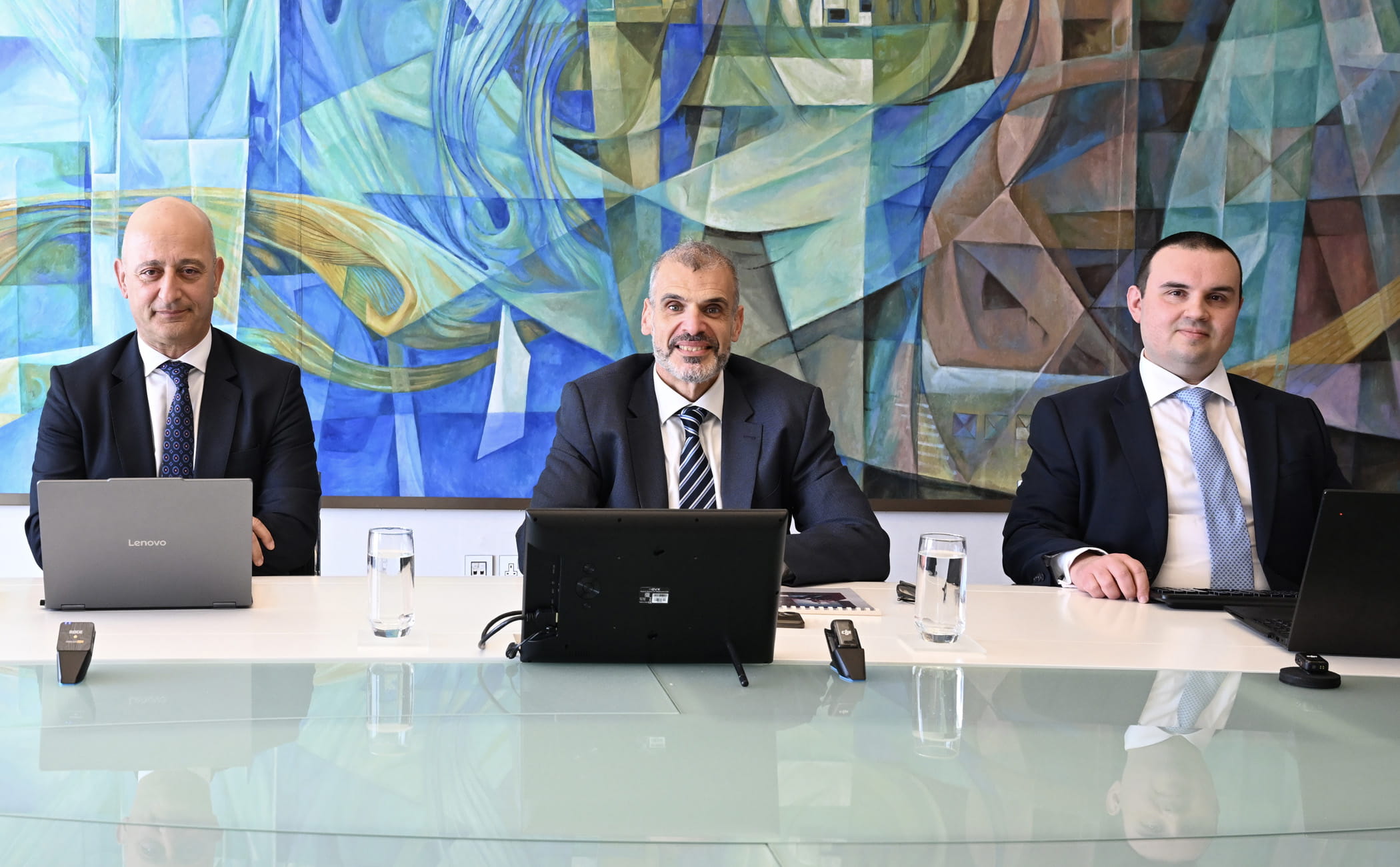
Speaking during the announcement of the Group Financial Results, Chairperson Dr Gordon Cordina, said that “The Bank delivered strong profits notwithstanding the significant geopolitical tensions abroad, the normalisation of interest rates, and upward pressures on operating expenses. This highlights the resilience of our business model, the prudence of our strategic decisions, and our commitment to sustainable performance and effective risk management. The Group’s performance for 2025, which exceeded the initial profit guidance, enabled us to declare one of the most substantial dividend distributions in recent years.”
Dr Cordina continued by stating that, “As the country’s largest bank, developments within the Maltese economy directly influence our performance, just as our actions have a significant impact on households and businesses. Against this backdrop, throughout 2026, we will shape our next three-year strategy, remaining mindful of the risks, opportunities, and responsibilities we carry as Malta’s leading financial services institution.”
Enhancing Customer Value, Accessibility, and Market Leadership – Kenneth Farrugia, CEO
CEO, Kenneth Farrugia, said that “During 2025, the BOV Group strengthened its leadership position across key customer segments, supported by targeted product innovation and improved customer experience. In retail business, home and personal lending, the Bank achieved double-digit growth. We strengthened our advisory capabilities, upgraded and modernised branches, opened a new Investment Centre in Sliema and upgraded two thirds of our ATM network. Our commercial banking performance also remained strong, with the relocation of our commercial operations to the Quad Central and a new Business Branch marking a strategic upgrade in service delivery. This reinforces our position as the Bank of Choice for both personal and commercial banking needs in Malta.”
Financial Performance
Operating income increased by 2.3% year-on-year, reflecting momentum across core business lines, optimisation of the funding and investment mix, and progress in revenue diversification. Commercial, Retail and Treasury remained the main pillars of income generation, delivering stable and recurring revenues.
Net Interest Income remained central to operating performance, increasing to €387.4 million as the Bank mitigates interest‑rate volatility through focused balance sheet optimisation and strong loan and investment activity. Net Fee and Commission Income also strengthened, rising by 8.2% to €88.1 million, driven by higher customer activity and the shift towards a more diversified, fee‑based earnings model.
Operating costs increased by 13.9% to €246.8 million over the prior year, reflecting a multi‑year investment programme aimed at strengthening technology, risk‑management and customer‑facing channels. Higher technology and cybersecurity expenditure mirrors accelerated digital implementation, transformation and resilience initiatives. Despite this, operating efficiency remains solid, with the cost‑to‑income ratio standing at 49.7% (FY2024: 44.6%).
The Non‑Performing Exposures ratio declined to 1.68%, supported by active remediation, improved portfolio monitoring and continued reduction of legacy positions. The coverage ratio increased to 59.4%, reflecting a resilient provisioning and approach to asset‑quality.
The Group’s profitability translated into a pre‑tax Return on Average Equity of 17.9%, comfortably above the 15% guidance. The year‑on‑year movement reflects both lower overall earnings when compared to the exceptional 2024 base and a higher average equity position driven by retained profits.
Profits from insurance associates increased to €10.4 million, reflecting the solid performance of the Group’s insurance operations in partnership with MAPFRE and their continued contribution to diversified earnings.
ESG remained a core priority, with progress on the Climate Transition Plan and further reductions in Scope 1 and Scope 2 emissions.
Outlook and Risk Management
The Group continues to monitor economic and geopolitical developments through risk monitoring frameworks, with assessments indicating no material emerging risks. Stress‑testing under ICAAP confirms strong capital buffers and resilience, while the Group remains vigilant towards maintaining transparent market disclosure.
The Board remains confident in the Group’s strategic direction, having delivered another year of strong performance underpinned by solid fundamentals, disciplined risk management and investment. Entering FY2026 from a position of strength, the Group remains focused on delivering sustainable growth, shareholder value and continued support for the Maltese economy.
Malta-based businesses looking to expand internationally can now apply for the next edition of TradeMalta’s Internationalisation Strategy Masterclass, the organisation’s flagship programme designed to help companies develop a clear, actionable export strategy.
Formerly known as the Go Global programme, the masterclass has evolved to address the changing dynamics of international trade. It now provides a practical framework equipping businesses with the knowledge, tools, and confidence required to succeed in global markets.
Internationalisation can seem daunting, which is why TradeMalta offers hands-on support to businesses seeking growth beyond our shores. Over the past decade, TradeMalta helped around 200 participants shape their export journeys, continuously refining the programme to address the challenges faced by Malta-based companies.
Delivered over ten weeks through weekly sessions, the masterclass targets both new and experienced exporters. The programme combines academic rigour with practical application, supported by experienced lecturers, practitioners, and TradeMalta’s strategic partner, HSBC Bank Malta p.l.c.
During the programme participants will explore the full internationalisation journey, from market research and entry strategies to digitalisation, AI applications, and business planning. A standout feature is the Export Clinic, where external experts provide one-to-one feedback on participants’ strategies, ensuring a realistic and robust roadmap for entering international markets. Peer learning is also emphasised through panel discussions with seasoned exporters who share practical insights and lessons learned.
Applications are open for the next intake, running from 22 April to 24 June 2026, every Wednesday evening at the Life Sciences Park, San Ġwann. Malta-based businesses with global ambitions are encouraged to apply and take a strategic step towards sustainable international growth.
Bank of Valletta has announced that it is initiating a process of issuing quarterly Company Announcements to keep the market informed in respect of its decisions regarding the setting of its base rates. This is being done to provide the market with transparent and timely information on the Bank’s review in relation to these benchmarks.
The commencement of this series of announcements reflects improvements in the technical and governance systems and structures being used by the Bank for the determination of base rates. It also highlights the Bank’s continued commitment to improve and strengthen its communications with the financial markets, and to meet and exceed regulatory expectations.
The Bank Base Rates operate as a core component within the Bank’s enterprise‑wide pricing framework. It works in tandem with product‑specific parameters (such as risk‑based add‑ons, customer‑level adjustments, and contractual terms) to deliver pricing outcomes that are fair, transparent, and consistent with the principles laid out in the Bank’s internal pricing governance. By anchoring lending rates to an internally governed benchmark, the Bank promotes coherence between individual credit decisions and broader balance sheet objectives, including profitability, capital efficiency, and portfolio risk appetite. These internal benchmark rates are subject to a structured governance and review process every quarter.
In determining the Base Rate levels for the forthcoming period, the Bank undertook a comprehensive assessment grounded in its formal Base Rate Policy. This framework requires that every decision, whether to maintain or amend the rates, be evaluated holistically across key principles that safeguard financial resilience, prudent balance sheet management, and fair outcomes for customers.
Following this scheduled review of interest rate trends and prevailing market conditions, the Bank’s Base Rates applicable to its Credit Portfolio will remain unchanged for the forthcoming three‑month period up to end June 2026. Effectively, the Business Bank Base Rate remains at 2.15% per annum, the Home Loans Bank Base Rate remains at 2.15% per annum and the Personal Loans Bank Base Rate remains at 2.45% per annum.
The decision to retain the Base Rates for its credit portfolio unchanged for the forthcoming three‑month period is underpinned by internal financial projections which continue to indicate consistency with its strategic, budget and risk appetite, Key Performance Indicators and Key Risk Indicators. The capital and liquidity positions of the Bank remain strong without any indications of stresses.
Current geopolitical tensions abroad, the outlook for the economy, the Bank’s competitiveness in the market, and the safeguarding of the interests of the Bank’s clients also vouch for the need for continued stability in interest rates in Malta and in the Bank’s base rates in particular. The Bank also noted that, over recent years, it was able to maintain the Base Rates at stable levels notwithstanding changes in market conditions, including shifts in the European Central Bank’s monetary policy stance.
These rates will remain in effect, at least, until the next review scheduled for June 2026.
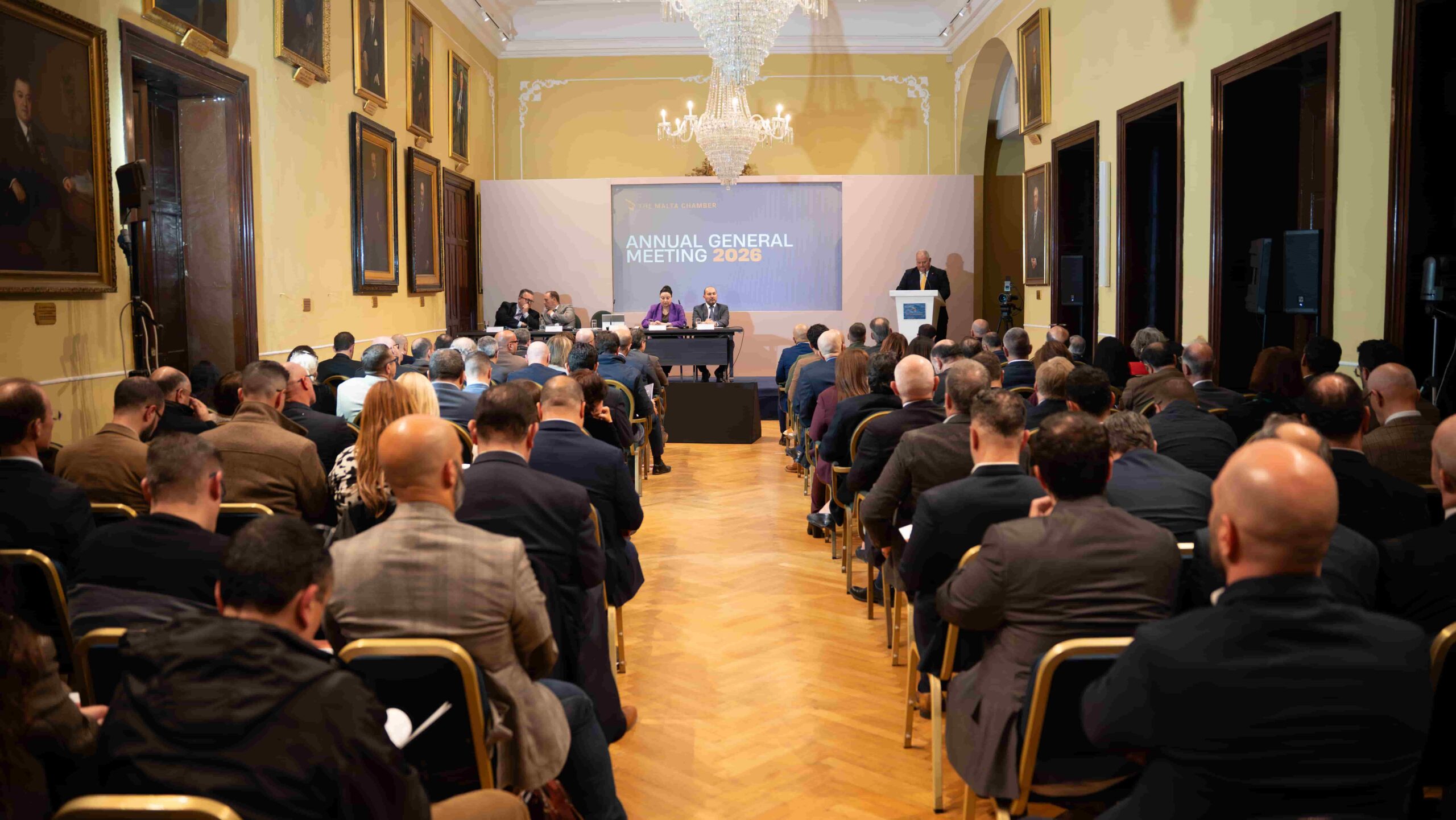
On 23rd March 2026, The Malta Chamber of Commerce, Enterprise and Industry convened its Annual General Meeting (AGM), bringing together members to reflect on the past year and outline priorities for the future.
In his opening address, President William Spiteri Bailey reaffirmed The Malta Chamber’s commitment to remaining a principled, independent, and constructive voice within Malta’s economic and business landscape. He emphasised that the organisation will continue to advocate, without compromise, for competitiveness, good governance, meritocracy, and long-term sustainability.
Before the AGM, Hon. Dr Ian Borg , Deputy Prime Minister & Minister for Foreign Affairs and Tourism, addressed those present and spoke about the geopolitical turmoil in the Middle East and how this is impacting local businesses.
Addressing attendees, Dr Marthese Portelli, CEO of The Malta Chamber, reflected on the organisation’s achievements over the past year. She highlighted key policy initiatives, major projects, communication efforts, and events that have contributed to strengthening The Malta Chamber’s role as a leading voice for business in Malta. Looking ahead, she also outlined upcoming plans and strategic priorities aimed at supporting sustainable economic growth.
As the AGM drew to a close, Donald Schembri, Partner at RSM Malta, presented the financial reports for the fiscal year 2025, providing members with a comprehensive overview of the Chamber’s financial performance.