PwC Malta Renews Gold Sponsorship Agreement with The Malta Chamber

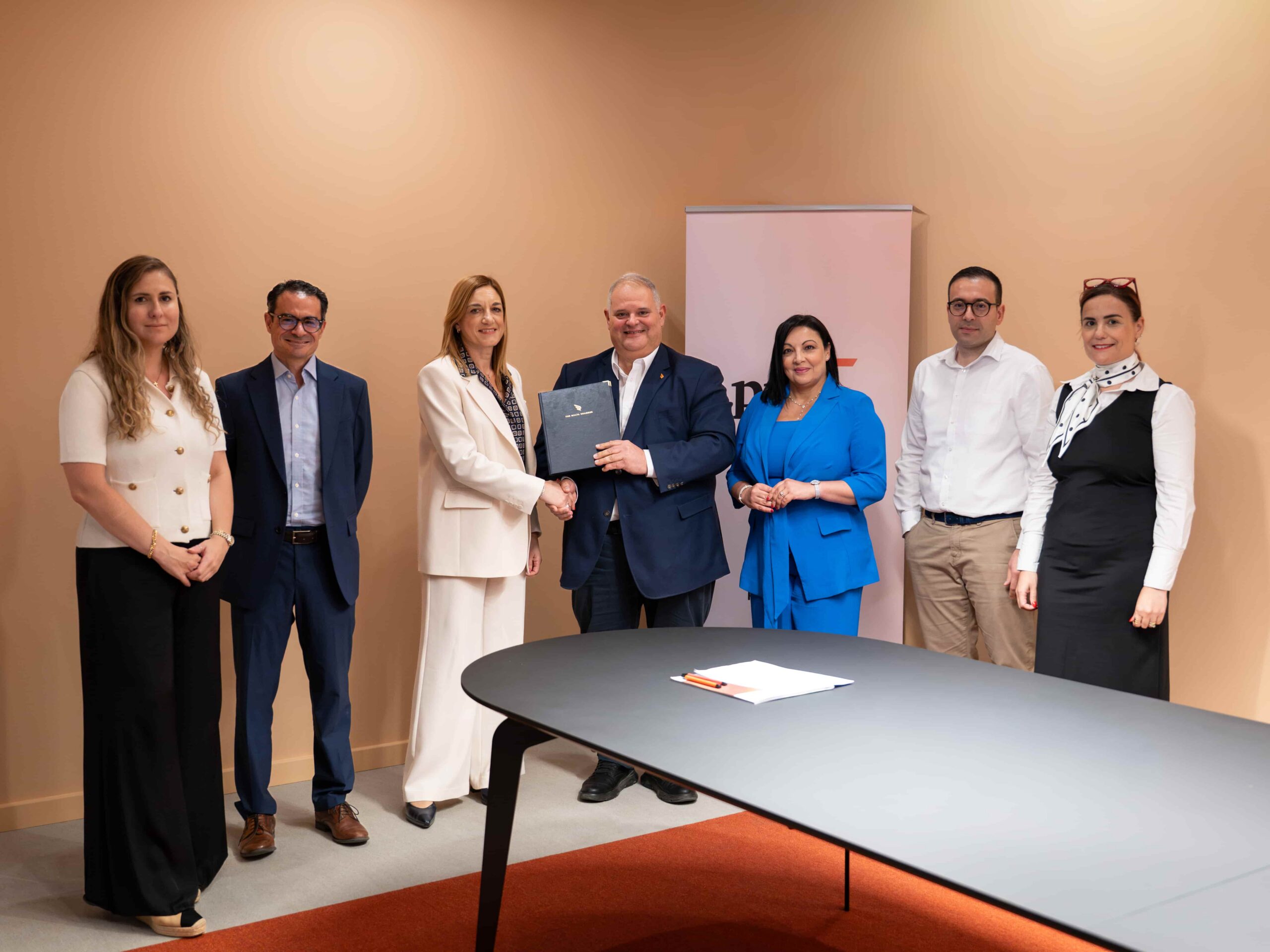
PwC Malta has renewed its Gold Sponsorship Agreement with The Malta Chamber of Commerce, Enterprise and Industry, reaffirming a long-standing partnership dedicated to supporting Malta’s business community and contributing to the country’s economic development.

The renewed agreement will continue to focus on a number of strategic priorities that are central to the competitiveness and resilience of Maltese businesses. These include facilitating access to national and European Union funding opportunities, advancing digitalisation across industries, addressing developments within the commercial property market, and supporting dialogue on workforce-related matters.

As the partnership’s principal areas of focus, The Malta Chamber and PwC Malta will collaborate on initiatives that help businesses identify and maximise funding opportunities, accelerate digital transformation, and navigate trends affecting the commercial property sector. In addition, the partnership will address workforce-related challenges, recognising the importance of talent, skills, and labour market policies in sustaining economic growth.

Commenting on the renewal, William Spiteri Bailey, President of The Malta Chamber, said that the re-confirmation of the Gold Sponsorship Agreement with PwC Malta reflects a shared commitment to strengthening Malta’s business ecosystem through meaningful collaboration.

“PwC Malta has consistently demonstrated its expertise and leadership across key areas that matter to our members and the wider economy. Together, we will continue to champion initiatives that support innovation, unlock funding opportunities, promote digital transformation, and address the evolving needs of businesses operating in an increasingly competitive environment,” he highlighted.

Lucienne Pace Ross, Territory Senior Partner at PwC Malta, shared her thoughts on the importance of this collaboration, explaining how it reflects the work the firm is doing in relation to funding, digitisation, the property market, and workforce. “Through our collaboration with The Malta Chamber, we’re renewing our commitment to share our knowledge in key areas vital for sustainable business growth. This includes funding opportunities, embracing responsible digital change, and addressing shifts in the property market and workforce needs. By joining forces, we can guide businesses through change confidently, bolster resilience, and drive lasting value for Malta’s economy,” she explained.

PwC Malta has been a valued strategic partner of The Malta Chamber, actively contributing its expertise to discussions and initiatives that help shape a more competitive, innovative, and sustainable business environment.

The renewed agreement further reinforces both organisations’ commitment to fostering informed dialogue, supporting policy development, and delivering practical value to businesses across Malta.

HSBC Malta celebrates the people and relationships behind its success

Customers and colleagues took centre stage over recent weeks as HSBC Malta hosted a series of events and celebratory moments that highlighted the people and relationships behind its success. While each event served a different purpose, they all reflected the values and relationships that continue to underpin and shape the Bank’s success.

From its annual Townhall to a customer event and the bank’s staff summer celebration, each occasion reflected HSBC Malta’s continued commitment to investing in its people, strengthening customer relationships and fostering a culture built on collaboration, inclusion and excellence. Together, the events highlighted the values that continue to define the bank as it looks confidently towards the future.

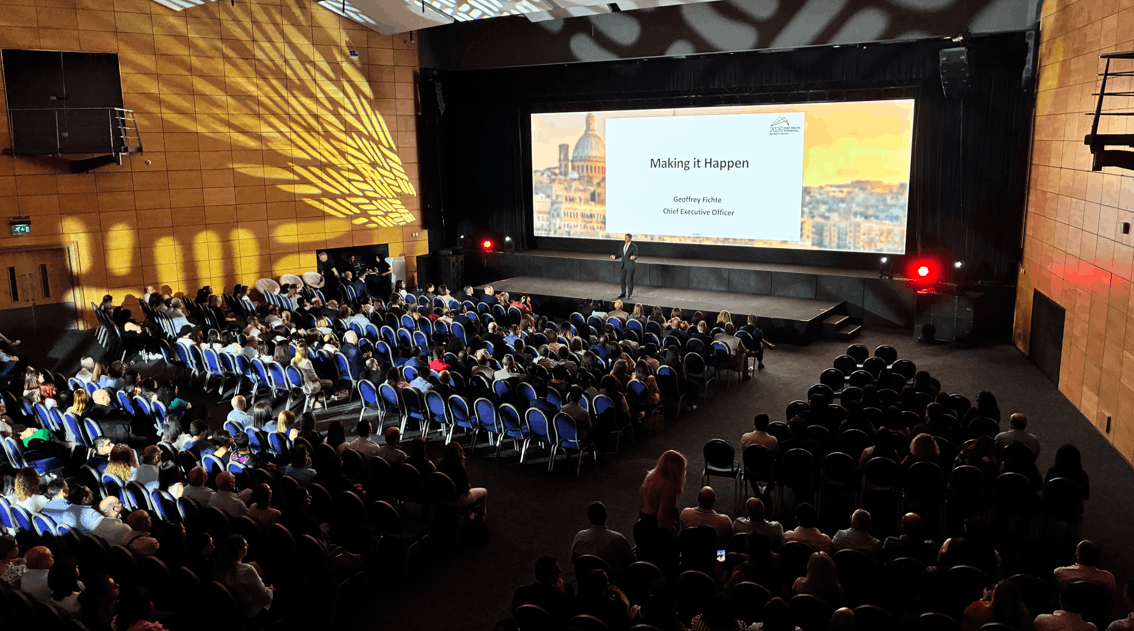
The programme began with HSBC Malta’s annual Townhall, where colleagues from across the organisation came together to reflect on achievements, discuss strategic priorities and look ahead to the next chapter of the bank’s journey. The event reinforced HSBC Malta’s culture of openness, collaboration and accountability, while recognising the collective contribution colleagues make every day in delivering exceptional service to customers. Employees also heard a clear and direct message: as the bank transitions to CrediaBank, the people who built the bank’s success will continue to drive it forward post transition.

The celebrations continued with a customer summer event, bringing together clients, partners and guests in recognition of the longstanding relationships built on trust, loyalty and shared success. The evening reflected HSBC Malta’s appreciation for the confidence customers continue to place in the bank and reaffirmed its commitment to supporting them through every stage of their financial journey.

The series concluded with HSBC Malta’s annual staff summer celebration, providing colleagues with an opportunity to celebrate achievements, strengthen connections across the organisation and recognise the teamwork and dedication that continue to drive the bank forward. Beyond celebrating success, the event reflected the importance HSBC Malta places on creating an engaging workplace where colleagues feel valued, connected and empowered.

Collectively, the three events underscored a simple but enduring message: HSBC Malta’s greatest strength lies in its people and the relationships they build every day. Whether supporting customers, collaborating with colleagues or engaging with the wider community, these relationships remain the foundation of the bank’s continued success.

Commenting on the events, HSBC Malta CEO Geoffrey Fichte said, “The continuity of people, relationships and expertise is the foundation of our transformation and upgrade programme to CrediaBank. Our greatest strength has always been our people and the relationships we have built with our customers over many years. These events were a celebration of the trust, collaboration and sense of community that define HSBC Malta and continue to shape who we are today.

As we progress towards the proposed acquisition by CrediaBank, subject to regulatory approval, it remains very much business as usual. We continue to focus on delivering the highest standards of service to our customers, investing in our colleagues and supporting the communities we serve. This is the same team that will carry it forward into CrediaBank’s next chapter.

These celebrations remind us that while organisations evolve, the values that define them endure. As the transaction progresses, subject to regulatory approval, we do so from a position of strength, built on the trust of our customers and the dedication of our colleagues. That continuity, of people, of relationships, of expertise, is non-negotiable. It is the foundation this transition is being built on.

We look forward to the opportunities ahead and are confident that this next chapter will enable us to build an even stronger bank, continuing to deliver exceptional service for our customers while creating new opportunities for our people and supporting Malta’s economic growth.”

BOV Foundation proudly supported the restoration of one of Malta’s  few 15th-century retables

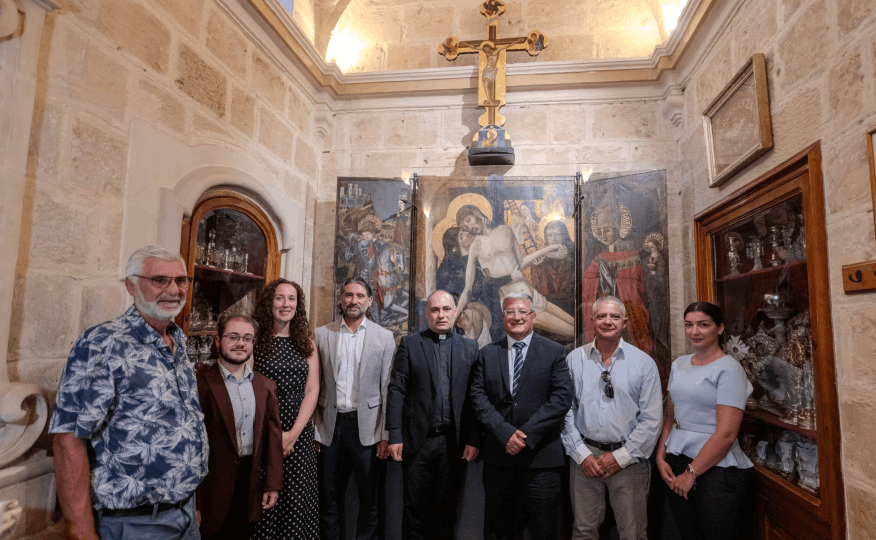
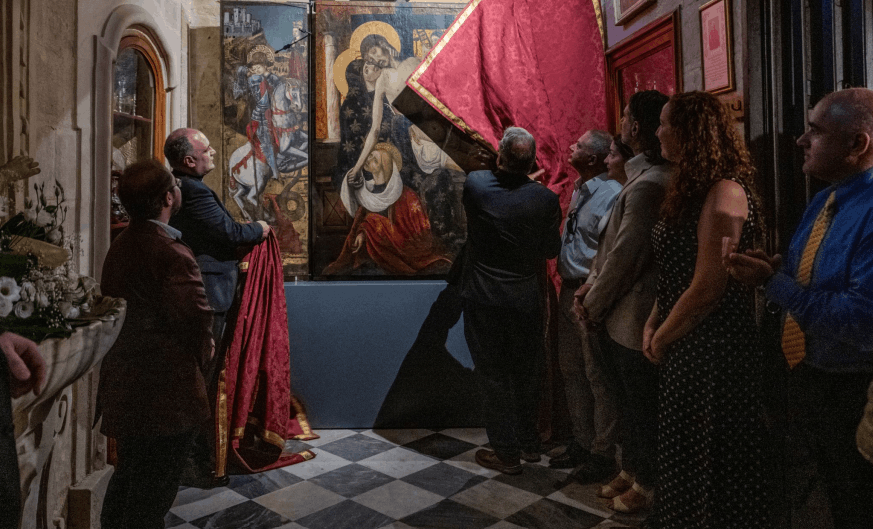
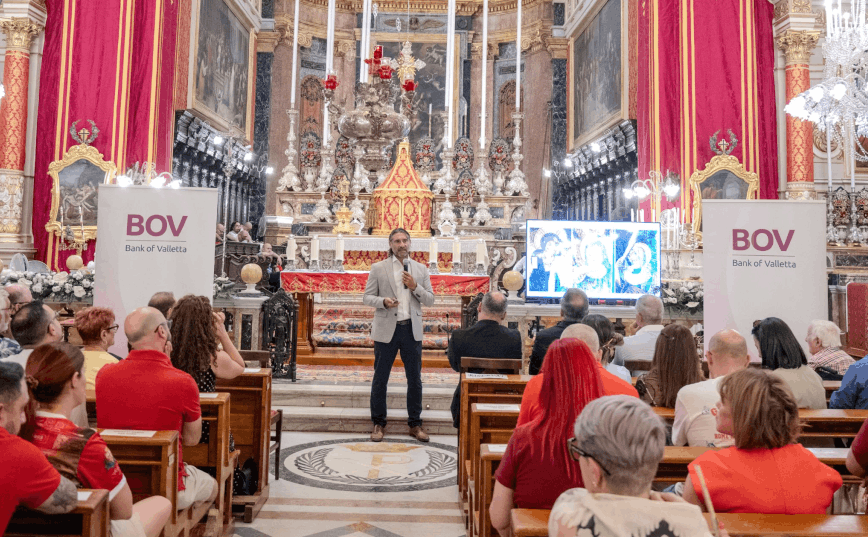
The BOV Foundation supported the conservation and restoration of the pala d’altare at the Parish Church of St George in Qormi, dating back to the 15th century. Following the completion of the three-year restoration project, the retable has now been returned to the church.

The retable is centred around The Lamentation, a highly significant 15th-century panel painting attributed to an unknown Sicilian artist active during the first half of the century. It is flanked by two later 15th-century side panels, St George and the Dragon and St Gregory with a Female Saint, attributed to a Northern Italian workshop, probably of Lombard provenance. Although now visually associated as a single ensemble, the three panels were created by different artists and at different times, before being brought together within the devotional and liturgical history of St George’s Parish Church.

By the mid-17th century, the panels had been reunited on the Pietà altar, where they were mounted separately within a stone framework. It was also during this period that the associated painted crucifix was incorporated into the ensemble.

The conservation works, entrusted to PrevArti Laboratories, included technical examination, photographic and graphic documentation, infrared and X-radiographic investigation, consolidation of unstable paint and wooden supports, cleaning, the controlled removal of deteriorated varnish and later overpaint, structural repairs, filling of losses, reversible retouching and the application of protective varnish. The project also included the design and installation of a suitable hanging system for the safe display of the restored ensemble.

Pierre Bugeja, Founder and Senior Conservator at PrevArti, noted that this conservation project revealed important historical and iconographic information. Infrared reflectography and cleaning showed that later overpainting had substantially altered the appearance of St George and the Dragon, obscuring original details of the dragon, armour, reins and other narrative elements. In the right-hand panel, conservation also clarified the identity of the female saint accompanying St Gregory: a vessel previously altered by overpaint to resemble a book was revealed to be an ointment jar, supporting her identification as Mary Magdalene.

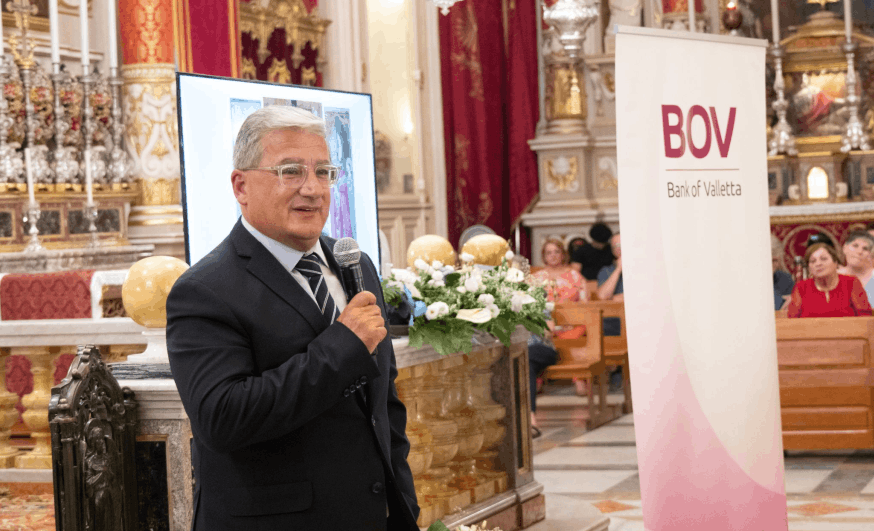
This project stands among the most significant conservation and restoration initiatives supported by the BOV Foundation. Ernest Agius, BOV COO and Deputy Chair of the Foundation, stated, “Through the BOV Foundation, we are proud to support initiatives that protect and preserve Maltese national heritage, ensuring they can be appreciated by present and future generations.”

The pala d’altare was the titular painting of the parish church from the mid-15th century to 1632, when it was replaced by a new titular painting of St George and the dragon, depicted by Gaspare Formica.

HSBC Malta and The Malta Chamber Renew Gold Sponsorship Agreement to Strengthen Malta’s Business Community

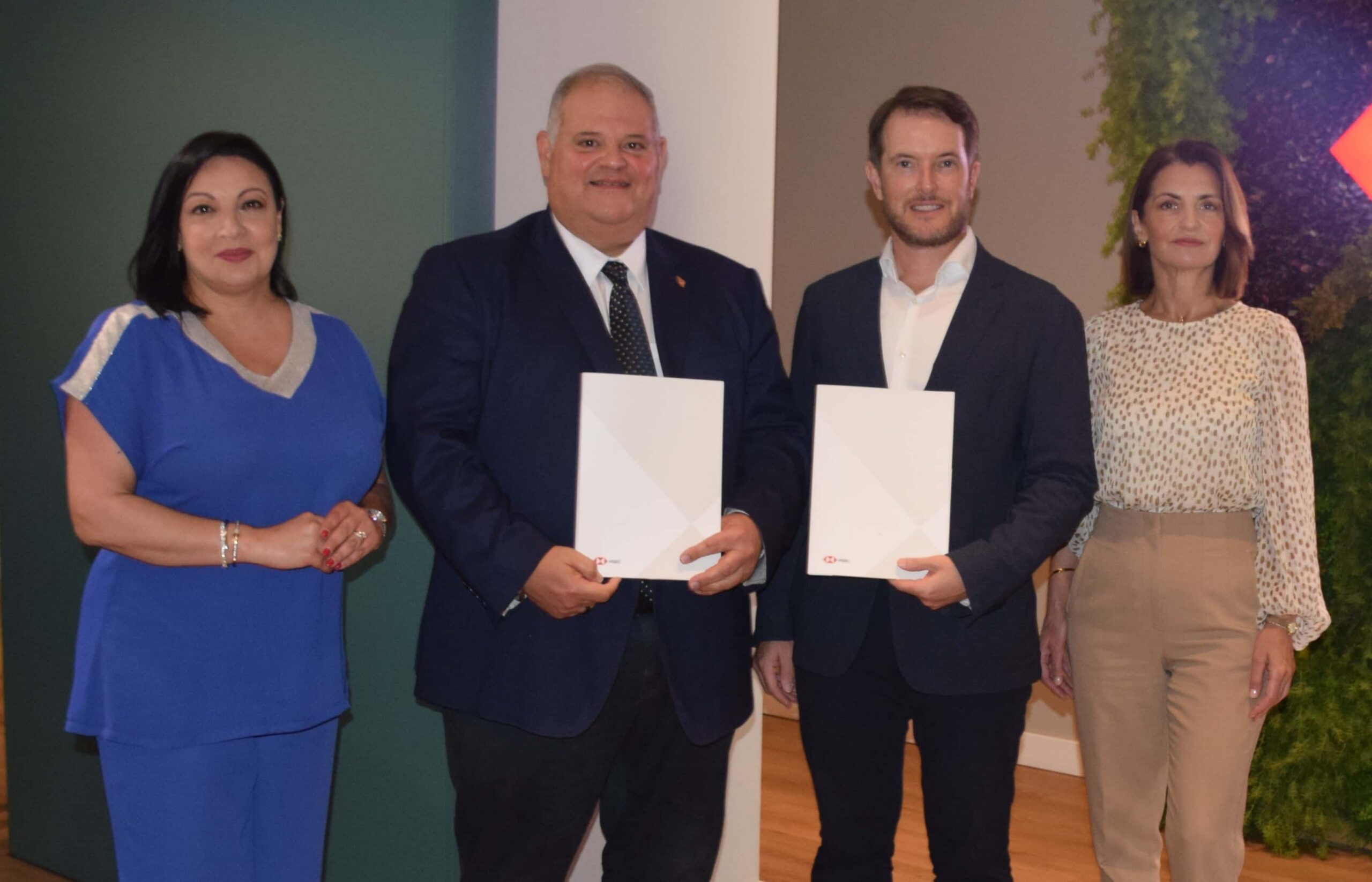
HSBC Malta and The Malta Chamber of Commerce, Enterprise and Industry have renewed their Gold Sponsorship Agreement, reaffirming a shared commitment to advancing Malta’s business community through strategic collaboration, knowledge exchange, and the promotion of sustainable economic growth.

Welcoming the renewal, Malta Chamber President William Spiteri Bailey said: “This agreement reflects a shared conviction that Malta’s business community deserves access to the knowledge, connections, and insights needed to compete and thrive in an increasingly dynamic global economy. HSBC Malta’s international expertise and strong market presence make them a genuinely valued strategic partner, and we look forward to delivering initiatives that create real, tangible value for our members.”

Geoffrey Fichte, Chief Executive Officer of HSBC Malta, said: “Our partnership with The Malta Chamber is one we hold in high regard. Malta’s business community is ambitious, internationally connected, and increasingly sophisticated in its needs. This renewed agreement reflects our commitment to being a bank that actively supports that ambition, not just through financial services, but through access, insight, and opportunity.”

The renewal of this Gold Sponsorship underlines the enduring relationship between The Malta Chamber and HSBC Malta, and both organisations’ commitment to fostering innovation, resilience, and sustainable business growth across Malta.

BOV announces changes to the Senior Management

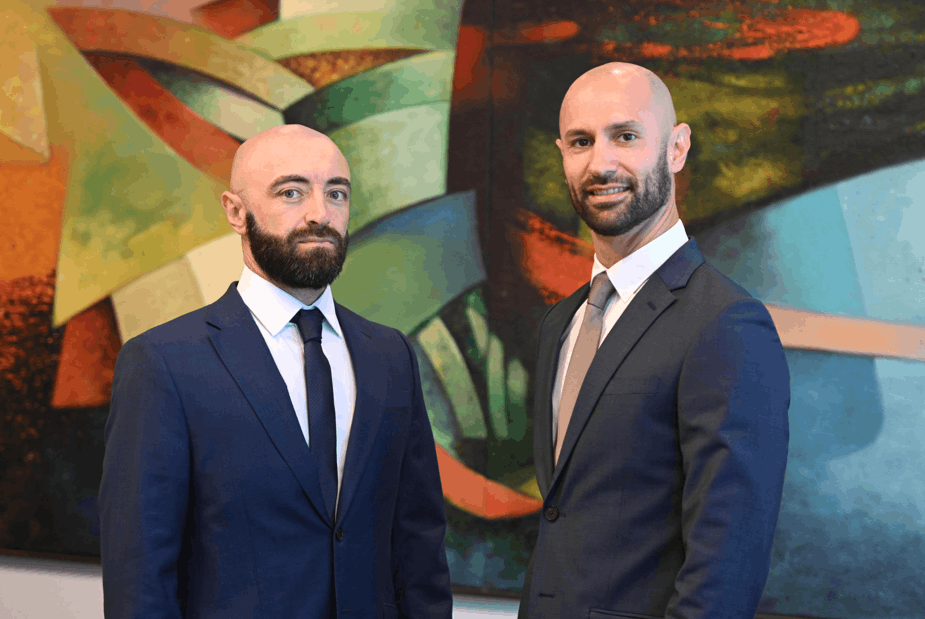
Bank of Valletta announced that it has appointed Mr Roderick Bartolo as Chief Risk Officer – Designate and Mr Lawrence Schembri as Chief People & Culture Officer – Designate. Mr Bartolo will assume the role of Chief Risk Officer upon successful completion of the regulatory approval process. Mr Schembri will assume the role of Chief People and Culture Officer (CPCO) upon successful completion of the process of regulatory approval, and upon the retirement of the incumbent CPCO, Ray Debattista, in September of this year.

Roderick Bartolo joins the Bank from outside the organisation and brings over 14 years of experience in banking, quantitative analytics and data science. He currently serves as a balance sheet optimisation consultant to the Bank on capital efficiency, funding strategy and banking book risk/return dynamics. Prior to that, he was Head of Quantitative Analytics and Financial Forecasting at MeDirect Bank Malta.

As Chief Risk Officer, Mr Bartolo will be responsible for establishing, maintaining and continuously enhancing a robust, independent and forward-looking enterprise-wide risk management framework.

Lawrence Schembri is a seasoned People & Culture professional with extensive experience in governance, employee relations, and organisational development within a regulated banking environment. He is currently Head of Quality & Governance within the People & Culture function at the Bank, where he leads the design and oversight of governance frameworks, policies and risk management relating to human capital.

As CPCO, Mr Schembri will be responsible for shaping and executing the Group’s People & Culture strategy to enable long-term organisational performance, leadership effectiveness, regulatory compliance, and a values-led culture.

Kenneth Farrugia, Chief Executive Officer of BOV, commented: “We have taken these steps with our long-term strategy and stakeholders’ trust in mind. By strengthening our risk management leadership and reinforcing our people-first culture, we are positioning the Bank for continued success. I am confident that our appointees will provide the expertise, stability and governance needed to keep the Bank on course as we continue to serve our customers, colleagues and community, and drive our strategic transformation forward.”

The Bank remains fully focused on delivering sustainable growth and value to its stakeholders amid this planned transition and beyond.

BOV employees visit MAPFRE head office in Madrid

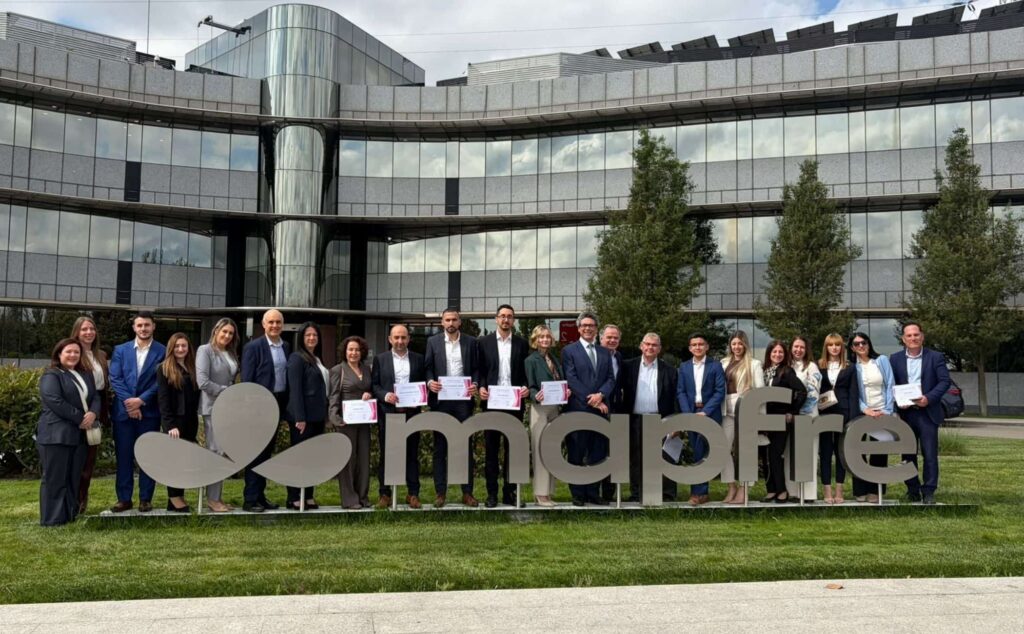
Bank of Valletta has reaffirmed its commitment to delivering high-quality insurance and pension solutions for customers through its ongoing collaboration with Mapfre Msv Life, following a visit to Madrid for high-performing representatives from across the Bank’s distribution network.

The short visit brought together representatives from BOV’s Investment Centres, Personal Banking Channels, Business Development and Customer Value, and Private Banking teams. The initiative recognised strong performance in Insurance Services and Pensions during 2025, while also giving participants direct exposure to one of the Group’s leading international operations.

During the programme, participants visited Mapfre’s head office in Majadahonda, where they met senior management and gained first-hand insight into the company’s business model, life insurance strategy and investment management operations. The visit also gave them the opportunity to broaden their product knowledge, understand Mapfre’s approach to customer service, and exchange ideas with colleagues and experts from across the Group.

Beyond recognising individual and team achievement, the visit highlighted the value of continuous professional development in helping BOV representatives strengthen their understanding of the solutions offered to customers in Malta. It also reinforced the Bank’s commitment to investing in the expertise needed to provide customers with informed guidance across insurance, protection and long-term financial planning.

Alex Bezzina, Head of Insurance Services and Pensions Office at the Bank, accompanied the group. Commenting on the trip, he noted that, “This initiative recognised the strong contribution of our teams while also giving them valuable exposure to Mapfre’s wider expertise and operations. Opportunities like this strengthen knowledge, encourage the sharing of ideas and help us continue supporting customers with greater confidence and insight when it comes to insurance and pension solutions.”

BOV remains committed to working closely with Mapfre Msv Life to build on this partnership and continue enhancing the quality of service and solutions available to customers seeking protection, savings and retirement planning options.

VAT in Aviation: Key Considerations for Malta and the EU

Article written by Michela Scicluna – Manager and Kurt Polidano – Lead Senior, RSM Malta Indirect Tax

Understanding VAT in the aviation sector in Malta and the EU

The aviation sector is international by nature. Aircraft, operators, lessors, service providers and customers are often located in different jurisdictions, and transactions may involve several parties across the same commercial chain. This creates a VAT landscape that is rarely straightforward.

Understanding VAT in the aviation sector in Malta and across the EU is essential for operators, lessors and service providers dealing with cross-border transactions.

VAT in aviation: Why it is complex

In aviation, the VAT treatment of a transaction cannot be determined by looking at one element in isolation. Place of supply rules, exemptions, contractual arrangements, the status of the parties involved, and the actual use of the aircraft all need to be considered together. This is particularly relevant in the context of aircraft-related exemptions under Article 148 of the EU VAT Directive, which apply only where specific conditions are satisfied.

VAT treatment of passenger air transport

One area where the VAT treatment may appear relatively clear is passenger transport. International passenger transport by air is generally treated as an exempt with credit supply under EU and Maltese VAT rules. This means that no VAT is charged to the customer, while the supplier may still be entitled to recover input VAT. However, this treatment is limited in scope and depends on the transport qualifying as international rather than domestic, among other factors.

Beyond passenger ticket sales, the VAT position becomes more nuanced. Many airlines and aviation operators use leasing arrangements rather than owning aircraft outright. This raises important questions around the nature of the supply, the place of taxation, and whether any exemption may apply.

VAT treatment of aircraft leasing (dry lease vs wet lease)

For example, a dry lease, where the aircraft is provided without crew, maintenance or insurance, will generally need to be assessed by reference to the rules applicable to the hiring or leasing of a means of transport. In contrast, a wet lease, often structured as ACMI, meaning aircraft, crew, maintenance and insurance, may be closer in nature to the provision of a broader aviation service. Since leasing models can vary significantly, the VAT treatment will depend heavily on the contractual and operational structure in place.

Aviation VAT exemptions under article 148 of the EU VAT directive

Importantly, exemptions within the aviation sector are not automatic. Under Article 148 of the EU VAT Directive, certain aircraft-related exemptions are generally linked to aircraft used by airlines operating for reward chiefly on international routes. This means that several conditions need to be assessed before the exemption can be applied.

The operator must qualify as an airline carrying out an economic activity involving the transport of passengers or goods by air. It must also hold the appropriate Air Operator Certificate issued by a competent aviation authority, evidencing that it is authorised to perform commercial air transport operations. The relevant flights must be carried out for consideration, rather than for purely private, recreational or internal corporate purposes.

Another important requirement is that the airline must be chiefly engaged in international transport. In practice, this is generally assessed by reference to the proportion of international activity carried out by the operator, based on measurable criteria. In Malta, specific percentage thresholds are applied in practice when determining whether an aviation operator is considered to be chiefly engaged in international transport for the purposes of the exemption.

The actual use of the aircraft is also central to the analysis. The exemption is linked to aircraft used by a qualifying airline for qualifying activities. This means that leasing or structuring arrangements need to ensure that the aircraft is effectively placed at the disposal of, and used by, the qualifying airline in line with the relevant conditions.

VAT challenges in aircraft leasing structures

Where one or more of these conditions are not met, the expected VAT relief may not be available. This may be the case, for example, where the operator does not hold an Air Operator Certificate, where the aircraft is used for non-commercial activities, or where the operator is not chiefly engaged in international transport. In such cases, the transaction would need to be assessed under the standard VAT rules.

Further complexity may arise where aircraft are leased through multiple entities before reaching the final operator. Each step in the chain needs to be considered separately. The VAT treatment at one level does not necessarily carry through to the next, even if the aircraft is ultimately used for international transport. As a result, an exemption available at the level of the final operator will not automatically extend to intermediate lessors, financiers or other parties in the structure.

There may also be cases where expected exemptions do not apply because of the way the transaction is structured, the status of the recipient, the place where the aircraft is made available, or the duration and terms of the lease. In certain situations, use and enjoyment rules may also need to be considered. These rules can affect the place of taxation or limit VAT to the portion of use taking place within EU airspace, introducing an additional layer of calculation and compliance for operators with both EU and non-EU activity.

VAT treatment of ancillary aviation services

The VAT framework in aviation also extends beyond the aircraft itself. Ancillary services such as ground handling, maintenance, repair and operational support may benefit from favourable VAT treatment where they are directly connected to qualifying international air transport. However, as with leasing and passenger transport, the application of any relief depends on the specific facts and on the status of the recipient.

Overall, VAT in aviation requires a careful review of both the legal framework and the commercial arrangements in place. Small differences in how a transaction is structured can have a significant impact on the VAT outcome. For businesses operating in this sector, understanding the rules at a high level is only the starting point. Applying them correctly to the facts is where the real challenge lies.

For aviation operators, lessors, financiers and service providers, the VAT treatment of aircraft-related transactions should be considered early in the structuring process. RSM Malta’s tax team can assist in reviewing the applicable VAT position, assessing potential exemptions, and supporting businesses with compliance and planning considerations.

To discuss how these rules may apply to your organisation, contact RSM Malta’s tax team.

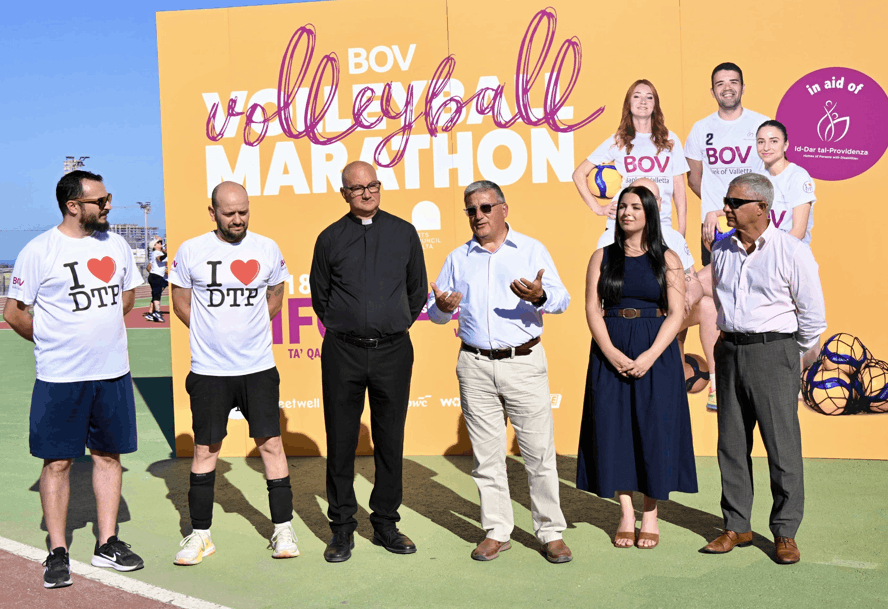
BOV Volleyball Marathon in Aid of Id-Dar tal-Providenza Officially Launched

Now in its 16th edition, the BOV Volleyball Marathon in aid of Id-Dar tal-Providenza will take place between Thursday 16 July and Saturday 18 July 2026 and, for the first time, will be held at the Malta Fairs and Conventions Centre (MFCC) in Ta’ Qali.

The marathon will be inaugurated by H.E. Dr Myriam Spiteri Debono, President of Malta, on Thursday 16 July at 6.30pm and will conclude at 11.00pm on Saturday 18 July 2026. Forty players, selected after six weeks of training, will form five teams and play continuous volleyball for over 53 hours, not for personal gain but to support a worthy cause. The BOV Volleyball Marathon is not only a sporting event but also a powerful expression of solidarity through sport.

Addressing those present at the Pembroke Training Grounds, Mgr Martin Micallef, Director of Id-Dar tal-Providenza, highlighted the need for funds to enable the Home to continue providing residential services to its 115 residents. He described the move to the MFCC as a significant undertaking that offers tremendous potential for growth and visibility. Mgr Micallef encouraged the public to attend the event, support the players taking on this challenge and, above all, contribute to the cause.

Speaking to the media, Mr Ernest Agius, Chief Operations Officer of Bank of Valletta, said that BOV is proud to once again support an event that promotes dignity, inclusion and opportunity for persons with disabilities. He noted that the Bank has been a longstanding supporter of the Volleyball Marathon and looks forward to continuing its commitment in the years ahead. Also present were Charles Azzopardi, Head of CSR, Events & Business Alliances at Bank of Valletta, and CSR Manager Samantha Abela Caruana.

Visitors attending the event at the MFCC can expect a family-friendly atmosphere, with the new venue providing an excellent opportunity for the BOV Volleyball Marathon to reach new heights. Arts Council Malta is also supporting the event and is working with the organisers to ensure a high-quality entertainment programme featuring established headline acts on all three nights. Lara & The Jukeboys will perform on Thursday evening, Versatile Brass & Ensemble on Friday, while the Spiteri Lucas Band will headline a Classic Rock Night on Saturday.

This year also marks the launch of a dedicated online platform for updates about the fundraising campaign and related initiatives. The website, sabihlitaghti.org, will complement Id-Dar tal-Providenza’s social media channels by providing regular updates and serving as an online donation portal.

Members of the public may support the initiative by calling the dedicated donation numbers, using BOV Mobile Banking or PayPal, donating online through the new portal, or making contributions directly to the Home’s bank accounts.

€15       5170 2012
€25       5180 2013
€50       5190 2070
€100     5130 2044

Pledge Line:      2146 3686
BOV Mobile:     7932 4834

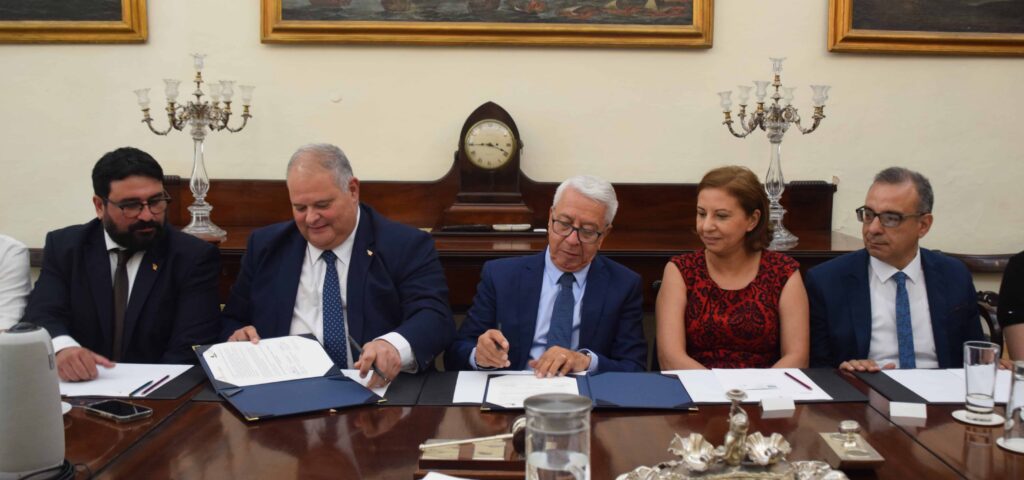
The Malta Chamber and the Chamber of Commerce and Industry of the Center (Tunisia) Renew Partnership to Boost Bilateral Business Opportunities

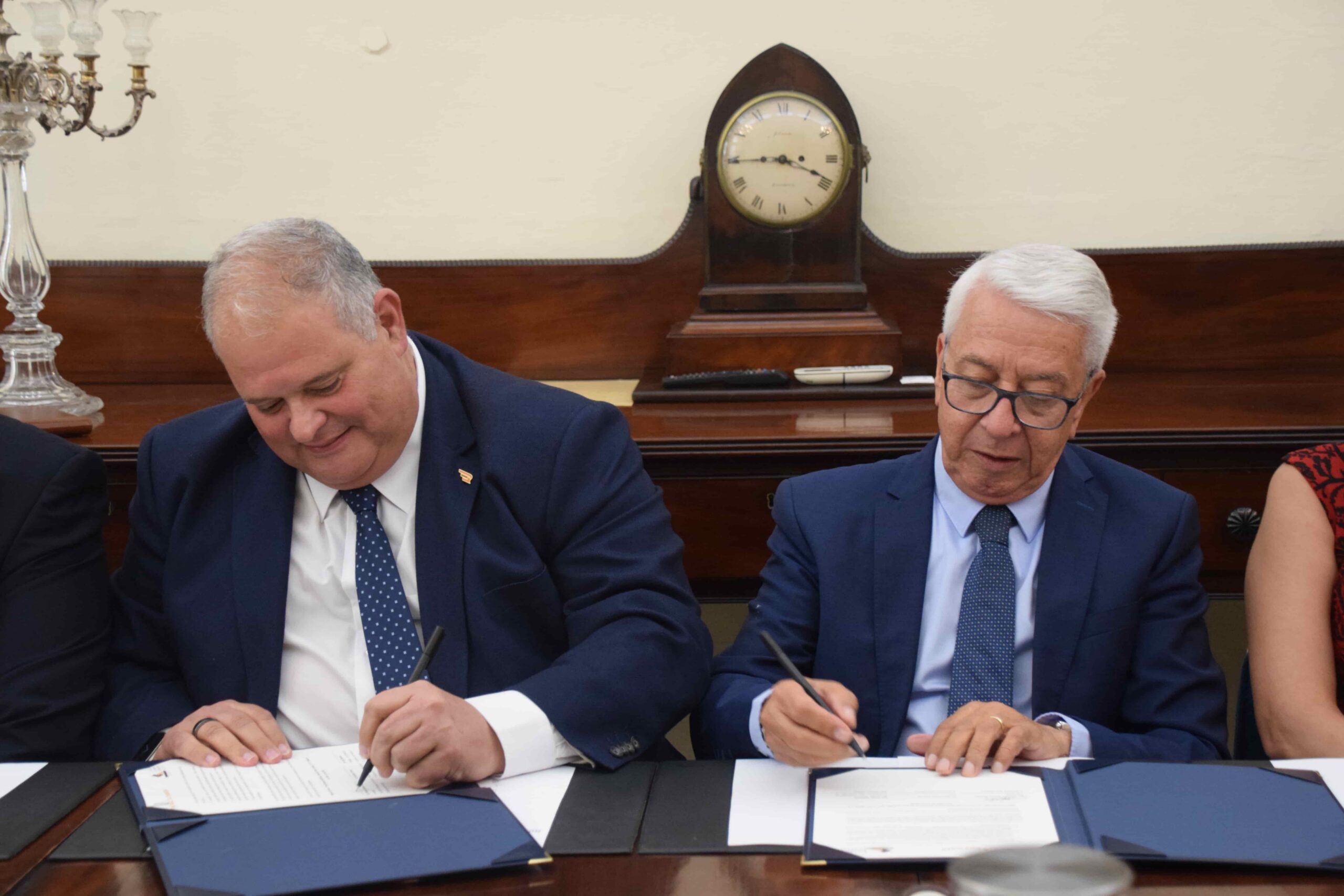
The Malta Chamber and The Chamber of Commerce and Industry of the Center (Tunisia) have strengthened their partnership through the signing of a renewed Memorandum of Understanding (MoU), reaffirming their shared commitment to promoting trade, investment, and business cooperation between Malta and Tunisia.

The agreement aims to foster stronger commercial ties by creating new opportunities for collaboration between businesses in both countries. Through the renewed MoU, the two Chambers will work together to facilitate networking, encourage investment, support business delegations, and promote the exchange of market information to help enterprises expand across both markets.

Speaking during the signing, William Spiteri Bailey, President of The Malta Chamber, said:

“This renewed Memorandum of Understanding reflects our commitment to strengthening the economic relationship between Malta and Tunisia. By bringing our business communities closer together, we are creating new opportunities for trade, investment, innovation, and long-term partnerships that will benefit enterprises in both countries.”

Nejib Mellouli, President of the Chamber of Commerce and Industry of the Center – Tunisia, highlighted the importance of renewing the agreement, stating:

“The renewal of our Memorandum of Understanding marks an important step in strengthening the longstanding relationship between our two Chambers. We are confident that this renewed partnership will create new opportunities for business cooperation, facilitate commercial exchanges and partnerships between our enterprises, and contribute to building stronger economic ties between Tunisia and Malta for the mutual benefit of our business communities.”

The agreement represents another milestone in the growing economic relationship between Malta and Tunisia, underlining the important role that business organisations play in facilitating international cooperation and driving sustainable economic development.