Bank of Valletta informs customers and the public that the issue affecting this morning’s stipend and salary payment processing run has been fully resolved.
All duplicate payments arising from the technical issue have now been successfully reversed, and all impacted accounts have been restored to their correct balances.
Upon identification of the issue, the Bank acted immediately to contain the matter and implement a structured and controlled remediation process. This ensured that corrections were completed efficiently while maintaining a high level of care for customers. At no point were customers’ legitimate stipend or salary entitlements affected.
The Bank acknowledges that this incident may have caused inconvenience, particularly for students who rely on these payments, and thanks customers for their patience and understanding throughout.
A review remains ongoing to establish the root cause of the incident. Any necessary enhancements to systems and controls will be implemented to further strengthen processes and minimise the risk of recurrence.
Bank of Valletta informs customers that, following a technical issue affecting a recent student stipend payment run dated 16 June, a payment file was processed more than once, resulting in multiple credits on a number of accounts.
The issue was identified promptly, and immediate action was taken to prevent further occurrences. The Bank’s Operations and IT teams are working closely to identify all impacted transactions and to reverse the duplicate entries in a controlled and orderly manner.
Customers are assured that:
• Only the duplicate amount(s) will be adjusted;
• Original stipend payments remain unaffected; and
• No action is required from the customers.
Reversals will be processed over the coming days and may be reflected as account adjustments during this period.
Bank of Valletta remains committed to maintaining the integrity of its services and is taking all necessary steps to resolve the matter swiftly and minimise any inconvenience caused.
For further information, customers may contact the Customer Service Centre on 2131 2020 or via email at customercare@bov.com.
The Bank thanks customers for their understanding and sincerely apologises for any inconvenience caused.
The HSBC Malta Foundation has renewed its support for the OASI Foundation’s Youths 4 Youths initiative, a Gozo-based youth programme focused on prevention, awareness, and community engagement. Now in its latest edition, the initiative will take place on 16 September 2026 at the OASI Foundation in Victoria, Gozo, between 8.15am and 1.30pm, bringing together young participants and educators from across the island for a day of educational and recreational activities.
The HSBC Malta Foundation will continue its support for this year’s event, building on a partnership that has backed the programme since its early editions and so underlining its ongoing commitment to youth-focused community initiatives in Gozo.
The initiative is designed for school-aged participants, combining educational sessions with interactive activities aimed at promoting wellbeing. This year’s program will include hands-on experiential learning activities such as a basic first aid and life skills session for children, and interactive team-based challenges designed to build communication, cooperation, and confidence in real-life situations. Schools, educators and young people are encouraged to participate and make the most of this fun and educational experience.
Speaking about the renewed support, Glenn Bugeja, on behalf of the HSBC Malta Foundation, said the initiative remains closely aligned with the organisation’s community focus. “We are proud to continue supporting the OASI Foundation’s Youths 4 Youths initiative. Empowering young people and investing in prevention and education programmes is central to our community strategy, and this event continues to make a meaningful impact year after year,” said Glenn Bugeja.
OASI Foundation CEO Noel Xerri said the continued partnership plays an important role in sustaining the programme’s reach and impact among young people in Gozo. “This support from the HSBC Foundation enables us to keep expanding the initiative and ensures we can continue offering meaningful, practical experiences that help young people build awareness, resilience and life skills in a safe environment,” he said.
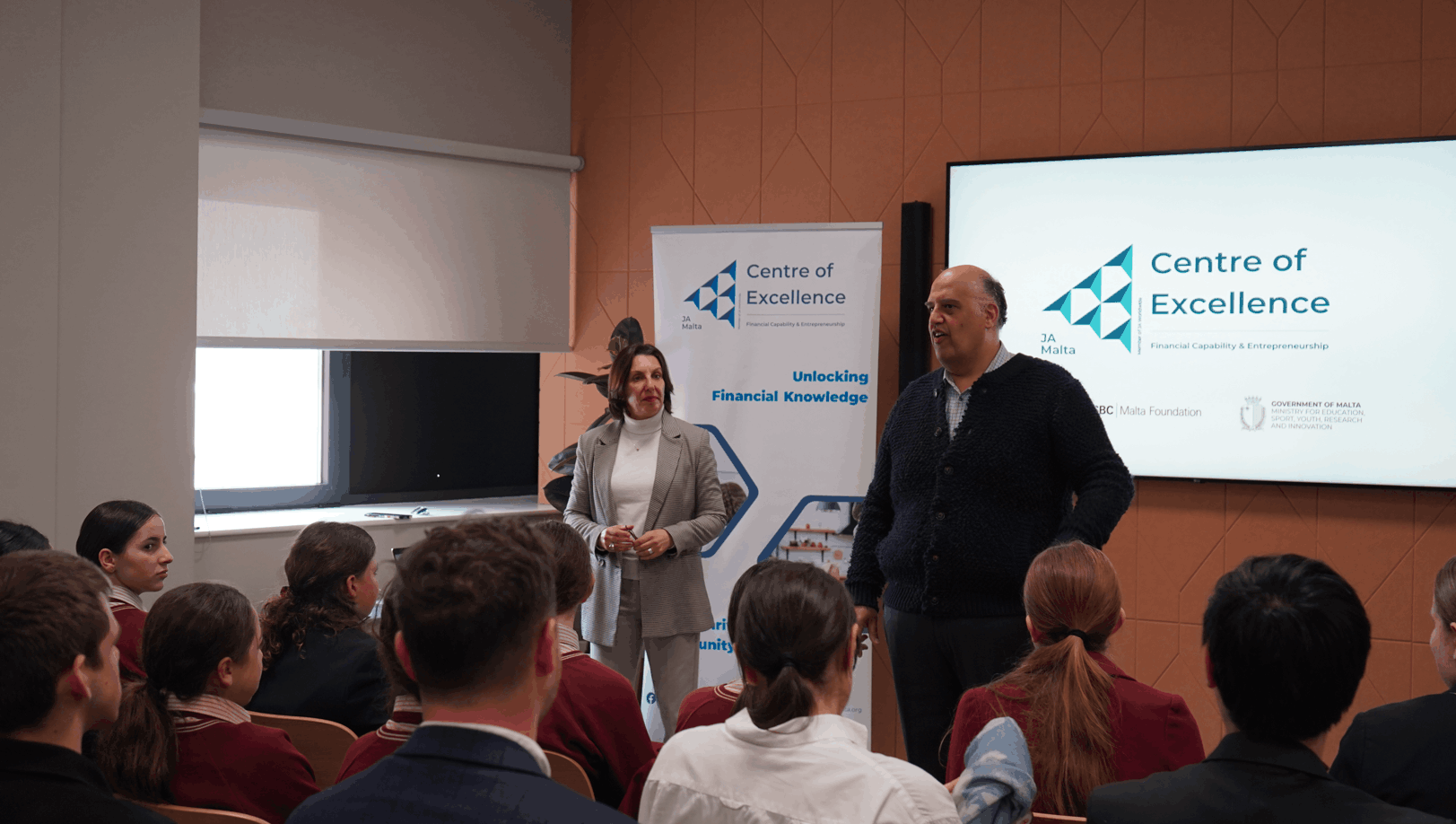
The HSBC Malta Foundation, together with JA Malta and the Ministry for Education, is supporting the continued growth of the Centre of Excellence (CoE) in Financial Capability & Entrepreneurship across Malta and Gozo, helping embed financial capability and entrepreneurship as practical life skills within the school experience.
In its first academic year (2024/2025), the CoE ran as a pilot in five schools, with 19 accredited educators, reaching 568 students, and two schools achieving accreditation. In the second academic year (2025/2026), the programme expanded to eight schools, 44 accredited educators, and 2,867 students taught, with around seven to eight schools progressing through accreditation. Across the two years combined, the CoE has now reached 13 schools, 63 accredited educators, 3,435 students, and around 10 accredited schools.
A key sign of progress is the growing commitment within participating schools. While the programme encourages schools to train a minimum of three educators, several schools have gone further, with five or more educators from the same school completing accreditation, supporting a whole-school approach that integrates financial capability across subjects and year groups.
Participation spans State, Independent and Church schools, including major State colleges such as St Clare’s College, St Benedict’s College and St Thomas More College, which are working towards becoming fully recognised Financial Capability and Entrepreneurship Colleges. The programme’s reach also includes the First Sixth Form and the Institute of Tourism Studies, reflecting its relevance beyond compulsory schooling.
The next phase will focus on deepening national reach, including increased engagement among some Church and State schools, particularly in the North and Central areas of Malta, as well as specialised educational settings, including schools with a focus on sport and performing arts.
Glenn Bugeja, HSBC Malta Foundation representative, said, “Financial capability is a life skill that shapes everyday decisions, be it at home, at school and later at work. Through the Centre of Excellence, we’re helping schools build this capability in a practical, sustainable way by investing in educators and supporting a whole-school approach that reaches more students year after year.”
Matthew Caruana, CEO from JA Malta said, “What is especially encouraging is not only the number of schools taking part, but the deeper level of engagement we are seeing within schools. More educators are coming forward, more schools are committing to embedding financial capability across different levels, and this shows that schools increasingly understand that these are not extra topics, but essential life skills for every student.”
The Malta Business Bureau (MBB) acknowledges the Commission’s publication of the EU Strategy for Islands as an important step. Nevertheless, MBB now calls for more tangible European solutions.
For the first time, an official EU communication recognises the challenges faced by EU islands, including island states. The strategy structured around four pillars covering economic development and connectivity, energy and green transition, communities and quality of life, and security and crisis preparedness, proposes a range of “actions to better tailor the main EU policies to the islands’ specificities”. Key commitments include the launch of an in-depth analysis of the cost of insularity and best-practice measures to mitigate it.
MBB’s CEO Mario Xuereb said: “MBB strongly pushed to secure this recognition of the challenges faced by EU islands. We now call upon other stakeholders, MEPs and the national government to step up efforts to ensure that, in the spirit of the island strategy published today, any new legislative proposals by the European Commission take account of the strategy, and that these are applied equally to island states and islands.”
The MBB, marking its 30th anniversary this year, has consistently advocated for the EU to integrate the structural realities of island Member States into concrete policy work, rather than treating them as an afterthought.
The strategy makes special reference to examples of EU legislation that hinder the connectivity of islands, such as the Emissions Trading System (ETS). However, it stops short of offering tangible solutions. MBB has proposed amendments to the ETS such as a 50% derogation for maritime ETS and a 50% free allocation for island airports.
MBB’s Brussels-based Nigel Caruana, said “With this text, Maltese, and other island stakeholders will have a concrete tool in their arsenal for lobbying legislative changes where they really matter, such as in the upcoming ETS review, the next Multiannual Financial Framework, and state aid rules. That is where we will be testing the strategy’s political commitments.”
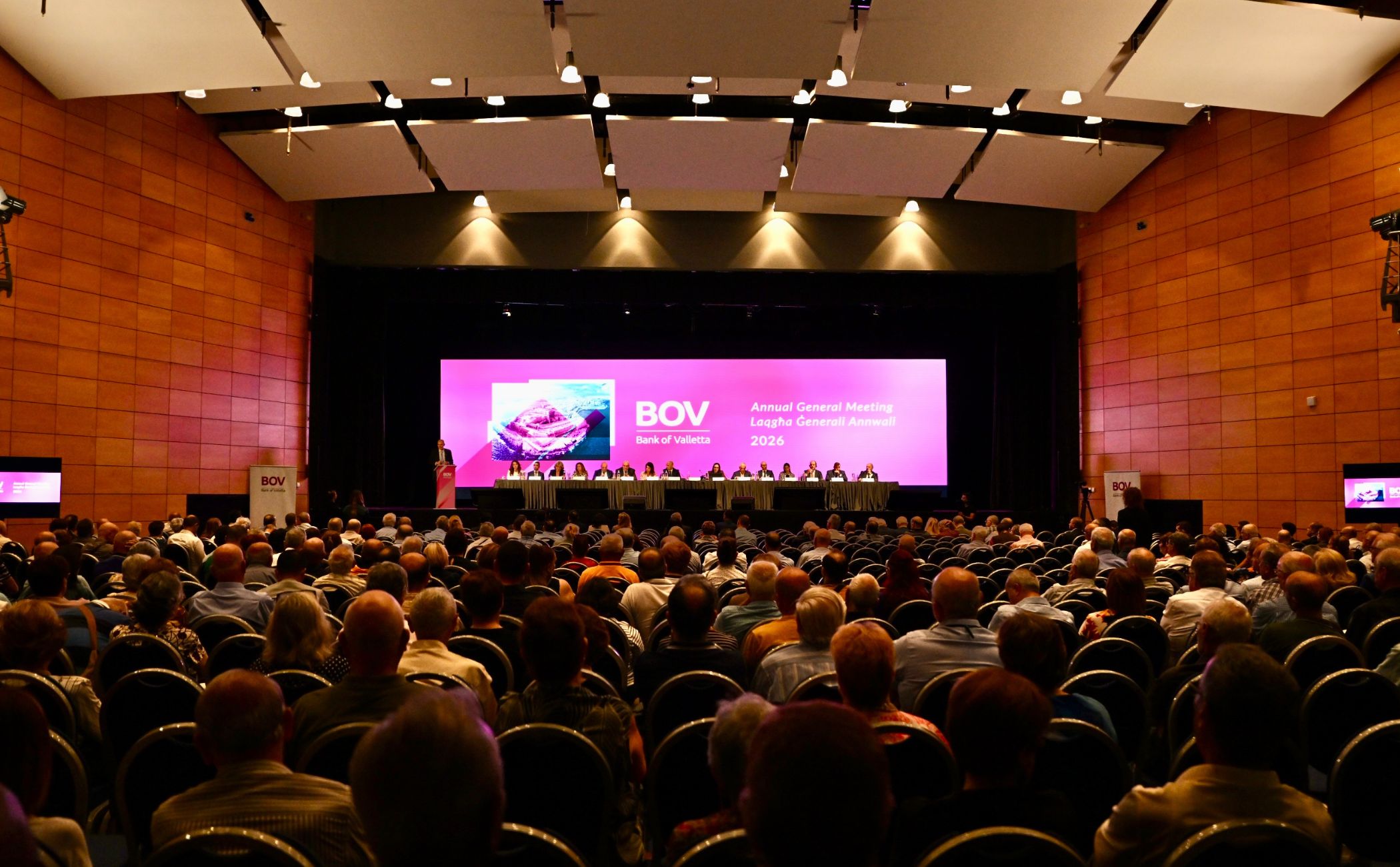
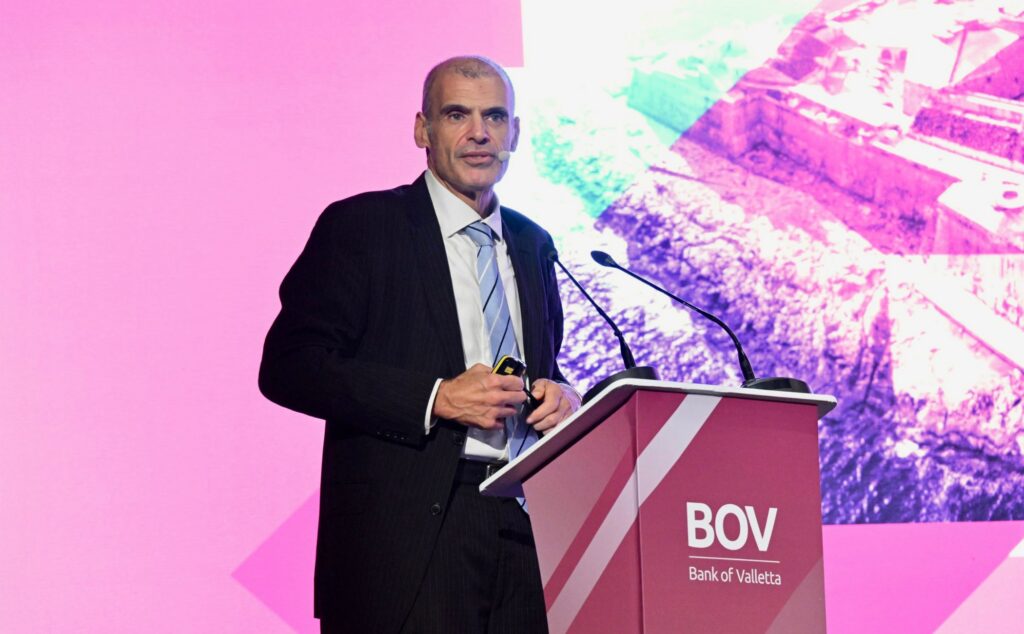
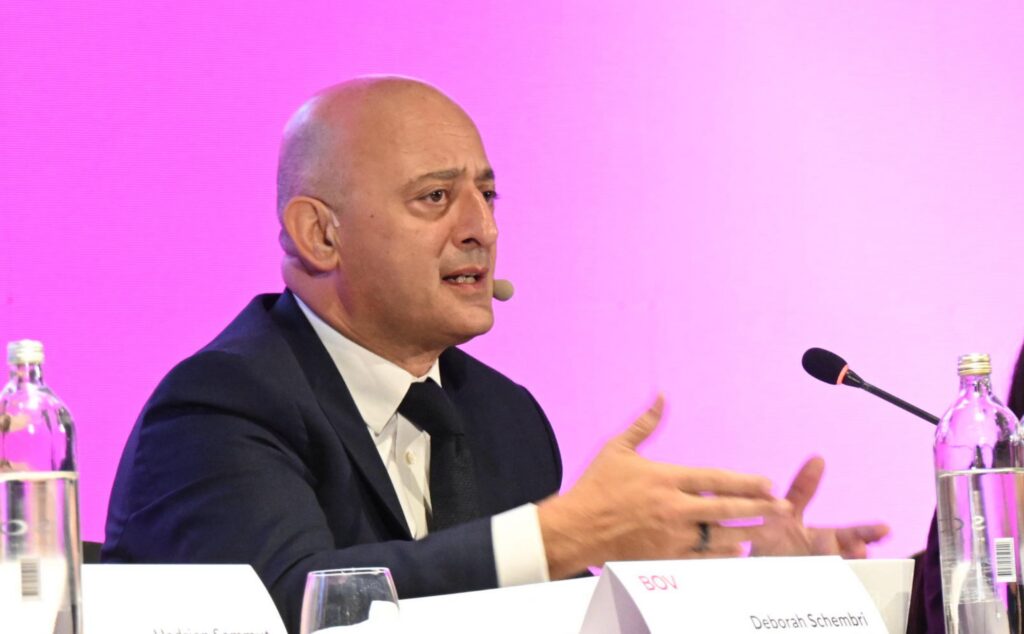
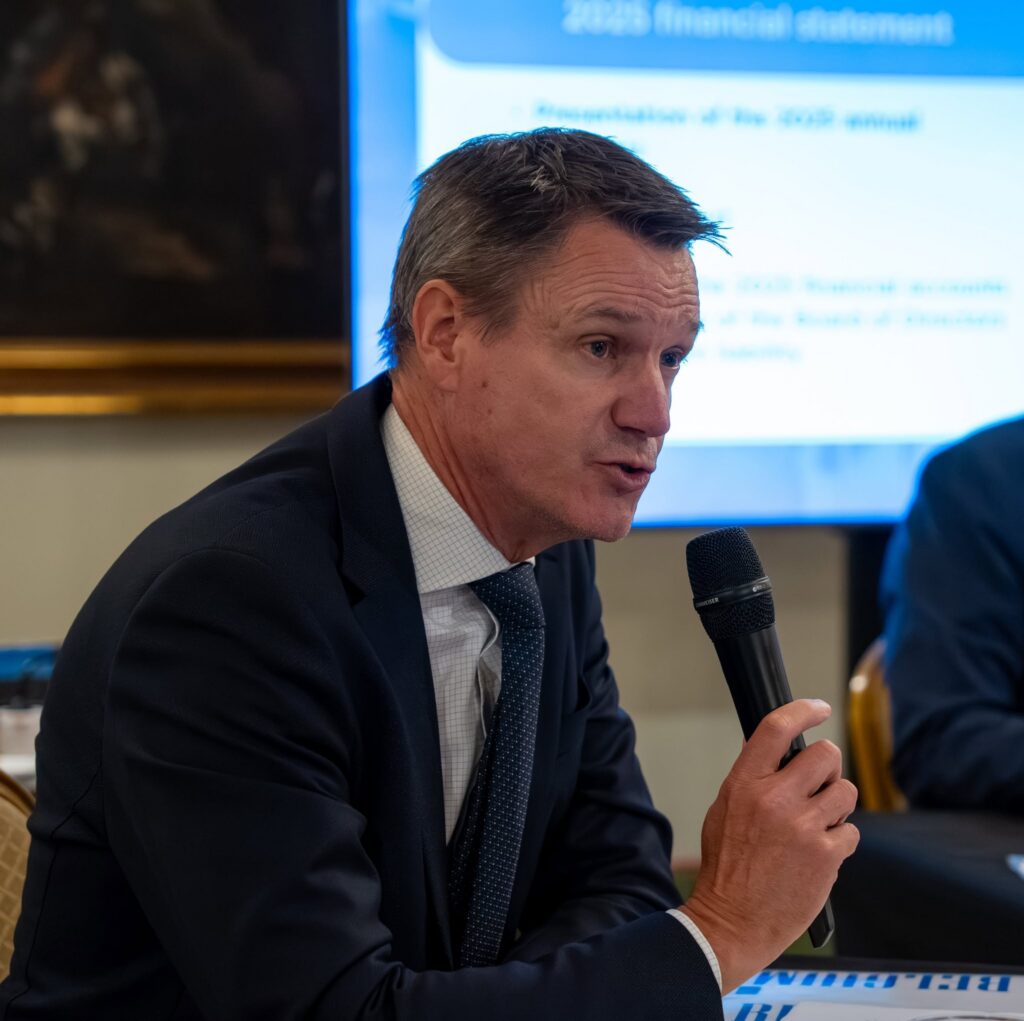
Bank of Valletta held its 52nd Annual General Meeting, during which shareholders approved one of the highest dividend payouts in recent years. The AGM also reflected on another year of solid financial performance and outlined the Group’s direction as it prepares for its next strategic cycle.
The BOV Group’s Chairperson, Dr Gordon Cordina and CEO Kenneth Farrugia addressed the shareholders present, explaining the BOV Group’s Financial Performance achieved in 2025, and the ongoing ambitious projects. Shareholders approved a final gross cash dividend of €65.1 million approved from the end-of-year 2025 profits. Over and above, shareholders will be taking a special dividend of €10.4 million gross. This brings the total gross dividend distribution for Financial Year 2025 to €130.5 million, equivalent to €0.2032 per share.
A Stronger and More Resilient Bank – Dr Gordon Cordina, Chairperson
Addressing shareholders, Dr Gordon Cordina, highlighted the Bank’s sustained performance over recent years and its continued focus on delivering long-term value. “Over the past three years, the Bank has built strong earnings momentum, achieving record results in 2024 and maintaining a robust performance in 2025,” Dr Cordina said. “This has enabled us to significantly increase dividend distributions, while sustaining the bank’s strong capital and liquidity buffers.”
He also highlighted a number of initiatives aimed at strengthening shareholder value, including the Share Buy-Back Programme, which supported market activity and liquidity. The Bank’s share price rose from €1.56 at the end of 2024 to €1.89 by the end of 2025, reaching €2.10 by March 2026, with BOV shares being by far the most actively traded on the Malta Stock Exchange.
Dr Cordina reiterated the Bank’s role in supporting Malta’s economy, as well as its commitment to customers and the wider community. “Bank of Valletta remains focused on creating sustainable value for its customers, shareholders and all stakeholders, while continuing to support economic development in Malta,” he added.
From Strength to Service: A More Accessible and Personal Bank – Kenneth Farrugia, CEO
In his address, BOV CEO Kenneth Farrugia said that the Bank is entering its next strategic phase from a position of strength, with a clear focus on improving how customers experience the Bank. “Our strong performance has given us the capacity to invest in strengthening customer access to the Bank, ensure resiliency and efficiency through technology, nurture human capital, aiming to sustain the delivery of long-term shareholder value. We are now moving towards positioning the Bank more strongly as a more accessible and personalised financial services provider.”
He pointed to the progress made in recent years, including the refurbishment of 11 branches and agencies, as well as the opening of a new business hub bringing together commercial banking services. On the digital side, he highlighted the Bank’s continued investment in innovation. “We continue to invest heavily, empowering customers to self-service their needs from wherever they are. Our new omnichannel e-banking platform is now in its final phase and will soon be rolled out to the first cohort of customers, as is our investment in the new generation of ATMs. We consolidated our payment solutions under the BOV SmartPay brand, whilst also rolling out digital onboarding solutions giving our customers the choice of options to engage with the Bank.”
Looking ahead, Mr Farrugia outlined the Bank’s priorities for the coming years. “We will continue to invest in improving customer journeys across all channels, strengthening our cybersecurity capabilities, and making better use of data to deliver more seamless, secure and, more importantly, personalised services,” he said.
Board Appointments
During the meeting, Mr Kelvin Camenzuli was appointed to the Board. He is replacing Mr Nicola Angeli, who did not seek re-appointment. On behalf of the Board, the Chairperson thanked Mr Angeli for his exemplary contributions during his years of service. The appointment of Mr Camenzuli is subject to regulatory approval, and his effective date of appointment shall be the date of receipt of his regulatory approval.
The Annual General Meeting has reappointed Dr Robert Suban for another term as Non-Executive Director, and Dr Gordon Cordina, nominated by the Government of Malta as a Qualifying Shareholder, for a third consecutive and final term, in accordance with the Memorandum and Articles of the Bank.
The Board of Directors is now composed as follows:
Gordon Cordina – Chairperson and Non-Executive Director Ingrid Azzopardi – Non-Executive Director Christian Bonnici West – Non-Executive Director Diane Bugeja – Non-Executive Director Kelvin Camenzuli* – Non-Executive Director Kenneth Farrugia Executive – Director Anatoli Grech – Executive Director Anita Mangion – Non-Executive Director Hadrian Sammut – Non-Executive Director Deborah Schembri – Non-Executive Director Jonathan Spiteri – Non-Executive Director Robert Suban – Non-Executive Director Sue Vella – Non-Executive Director
* Subject to regulatory approval, and the appointment date shall be deemed to be the date of receipt of regulatory approval.
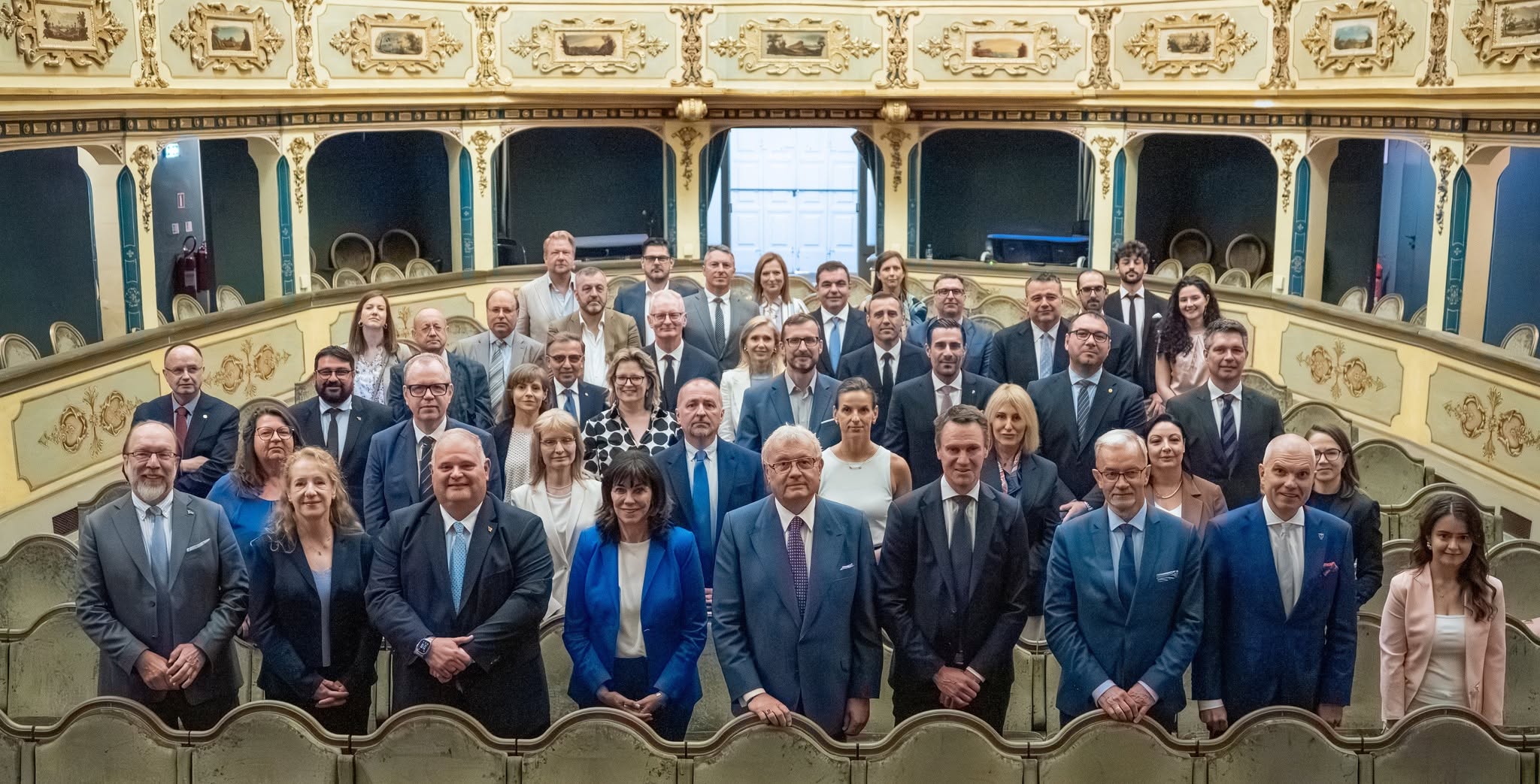
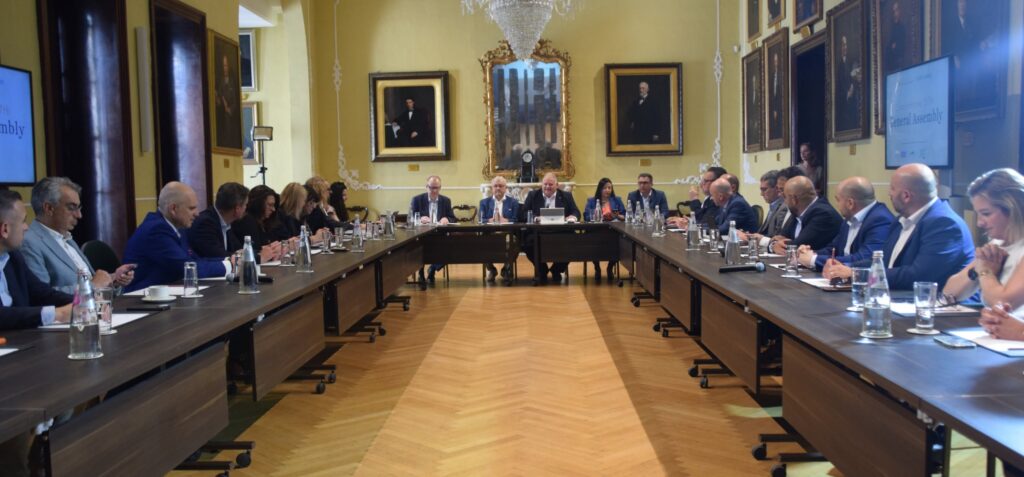
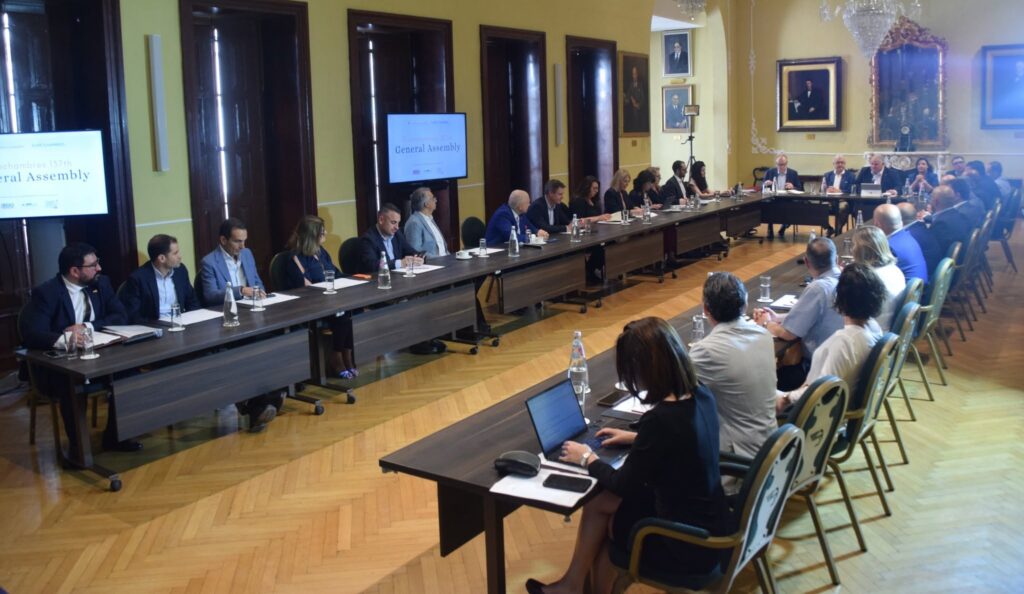
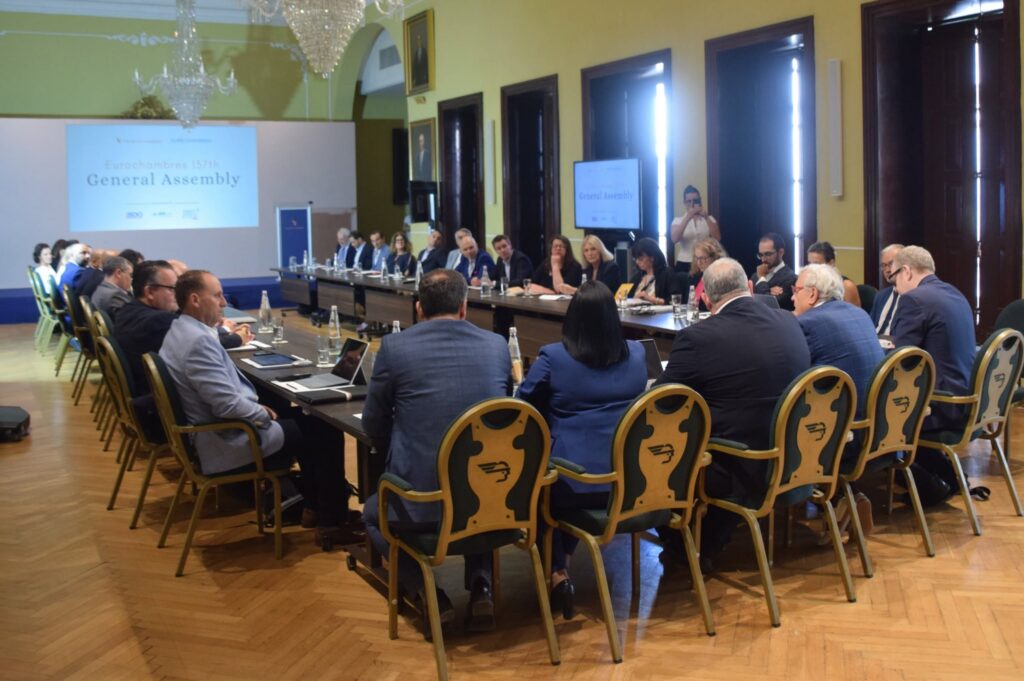
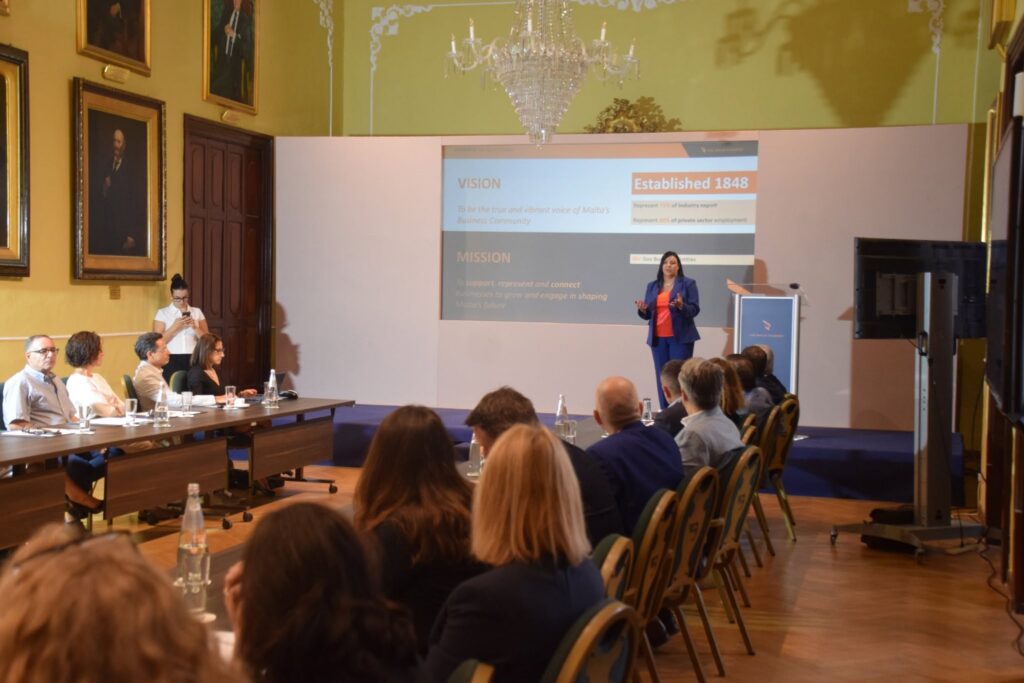
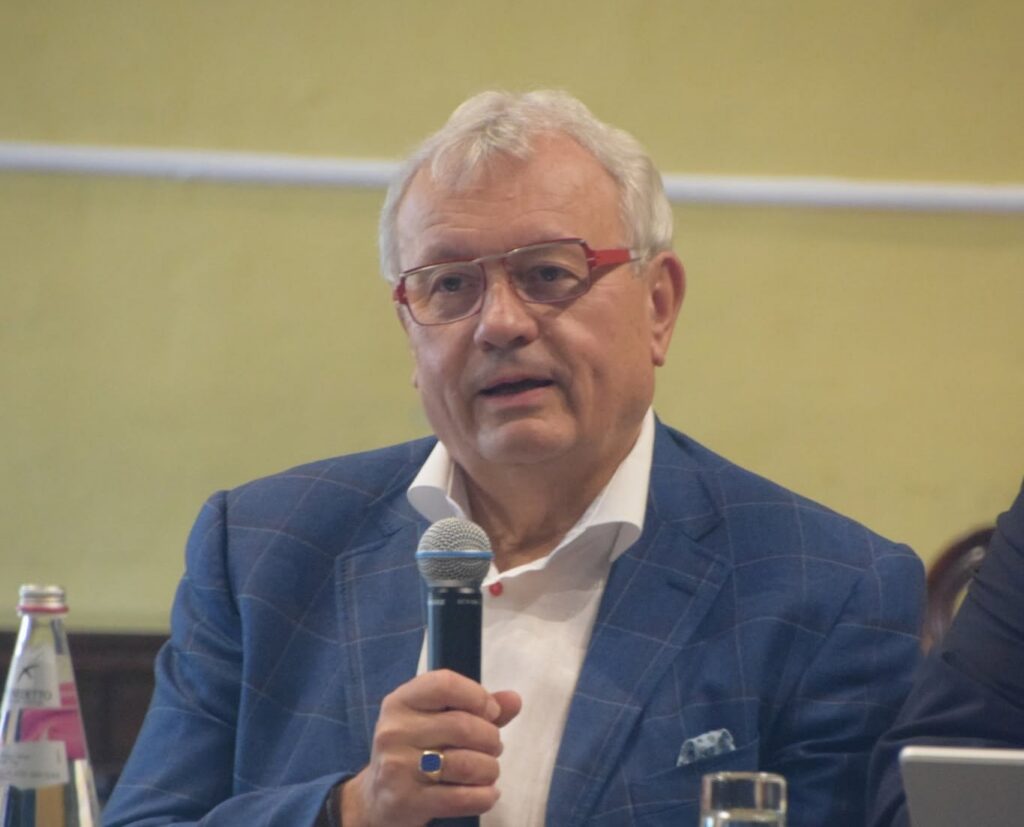
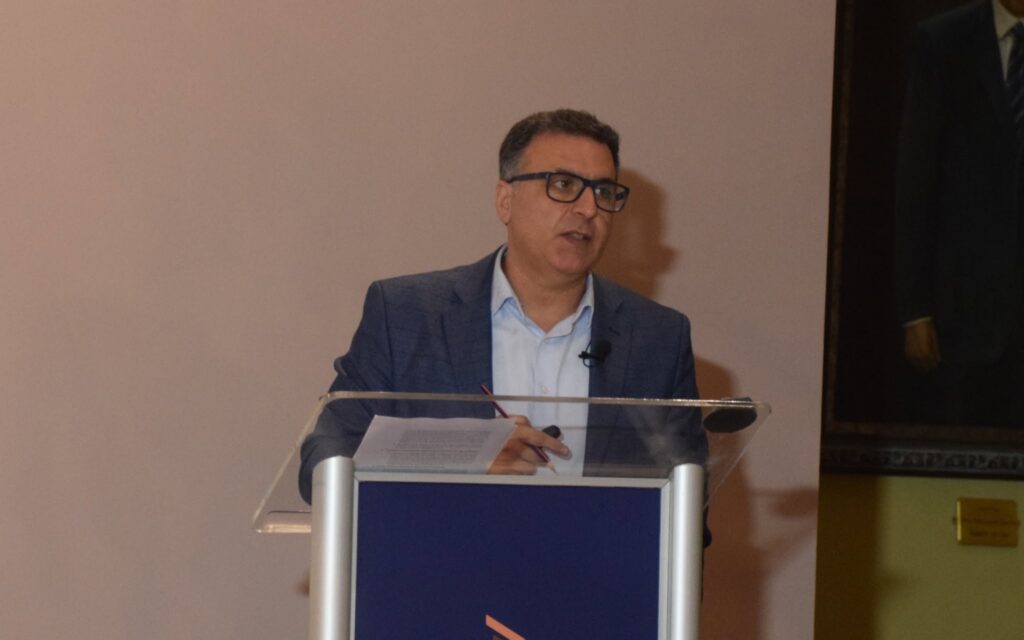
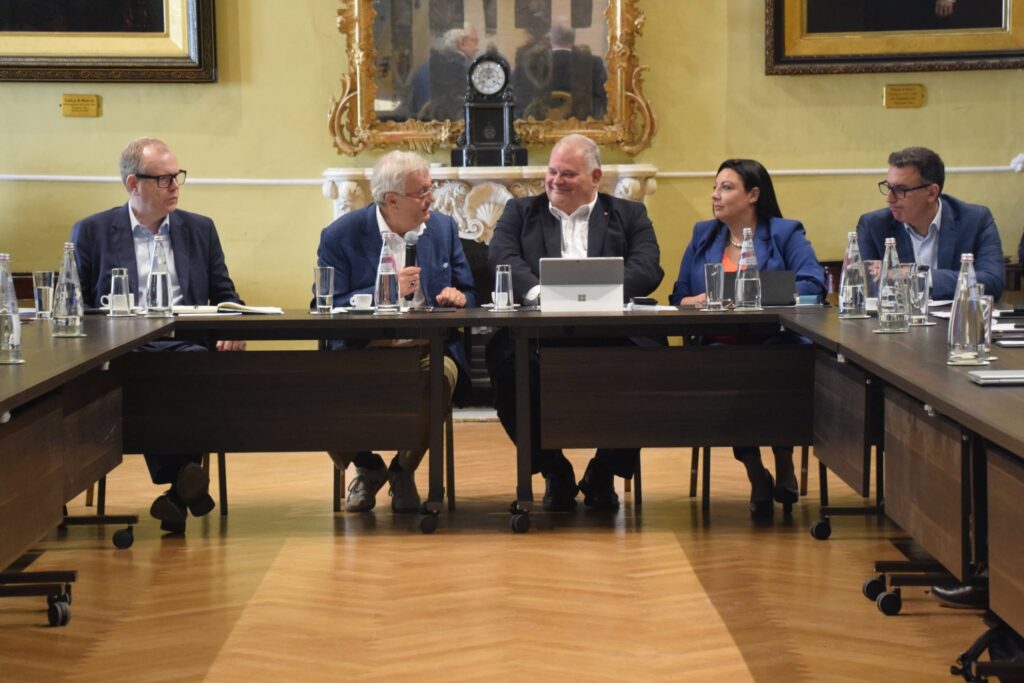
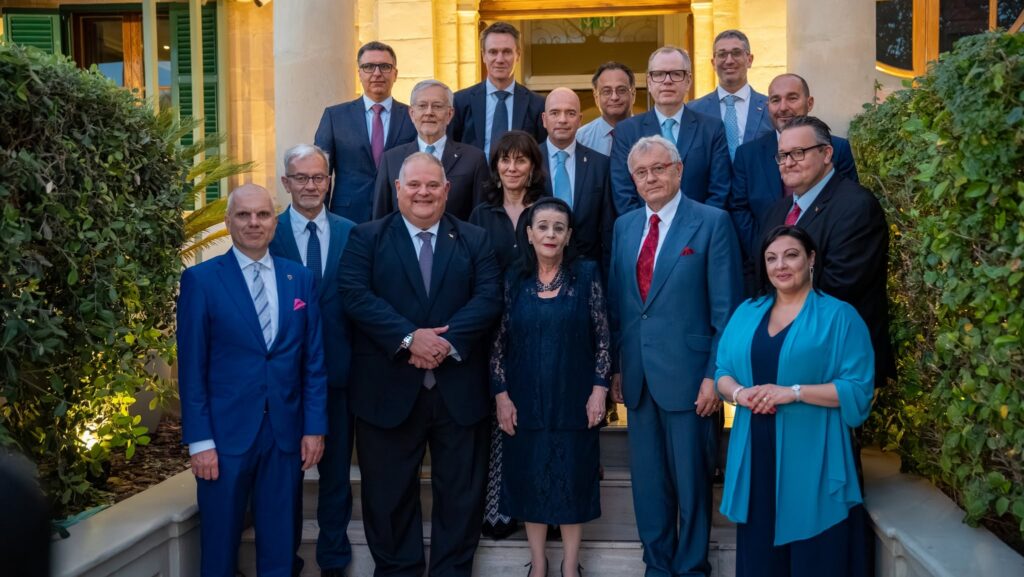
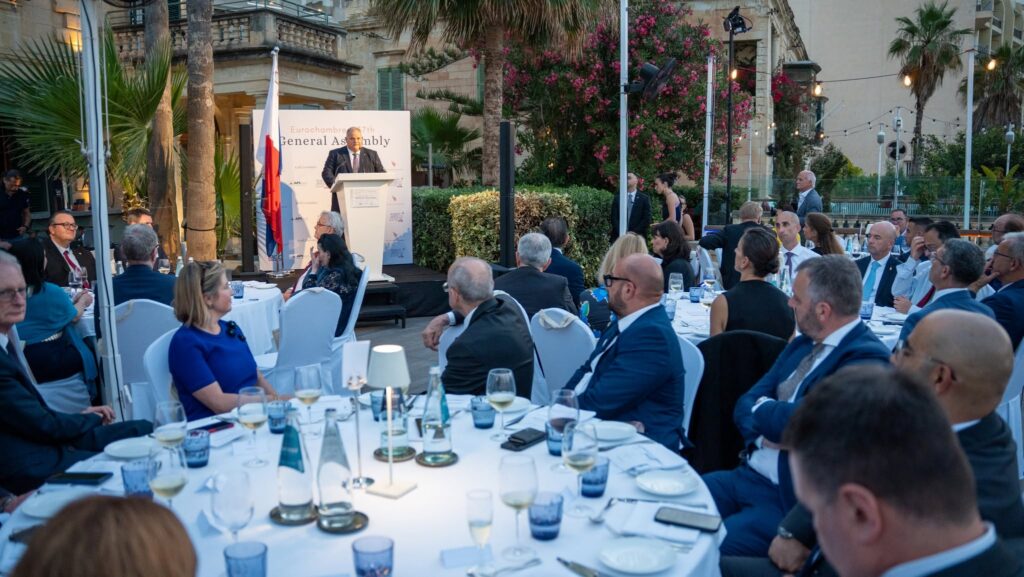
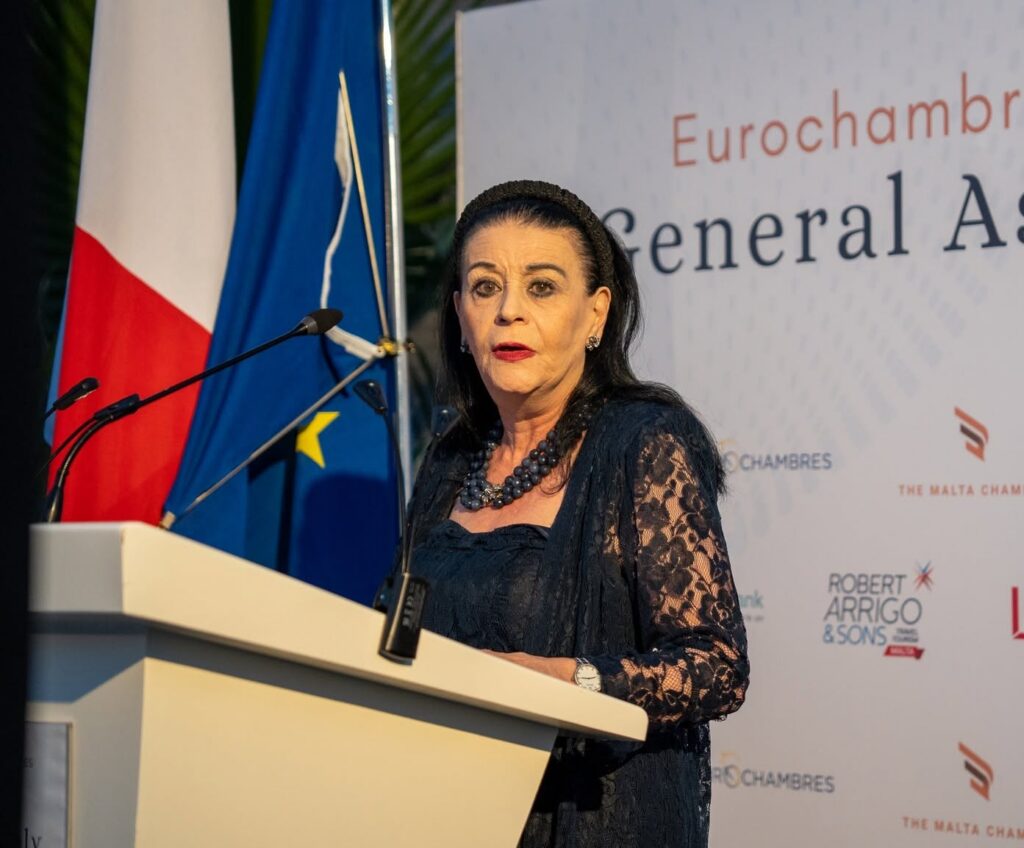
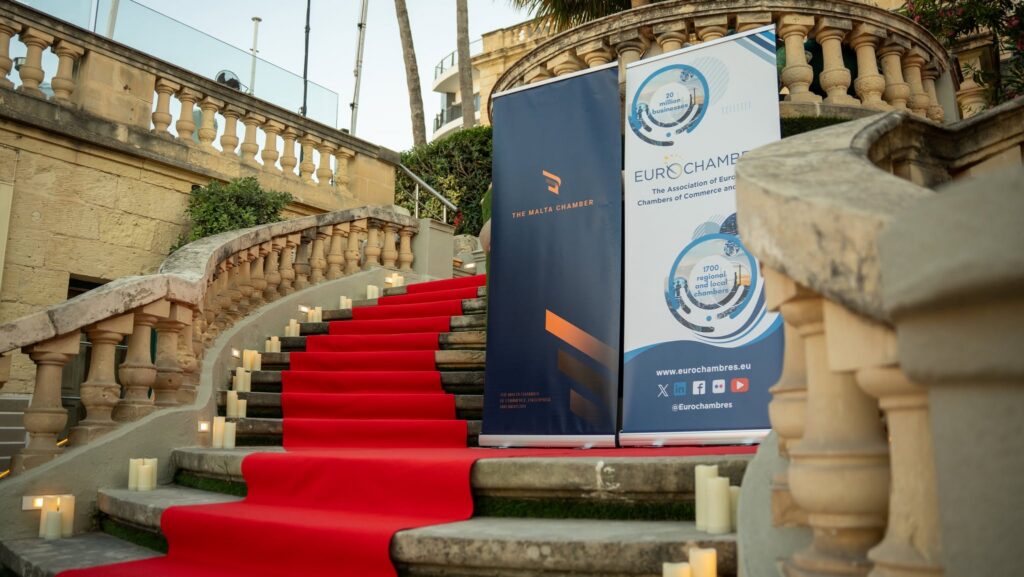
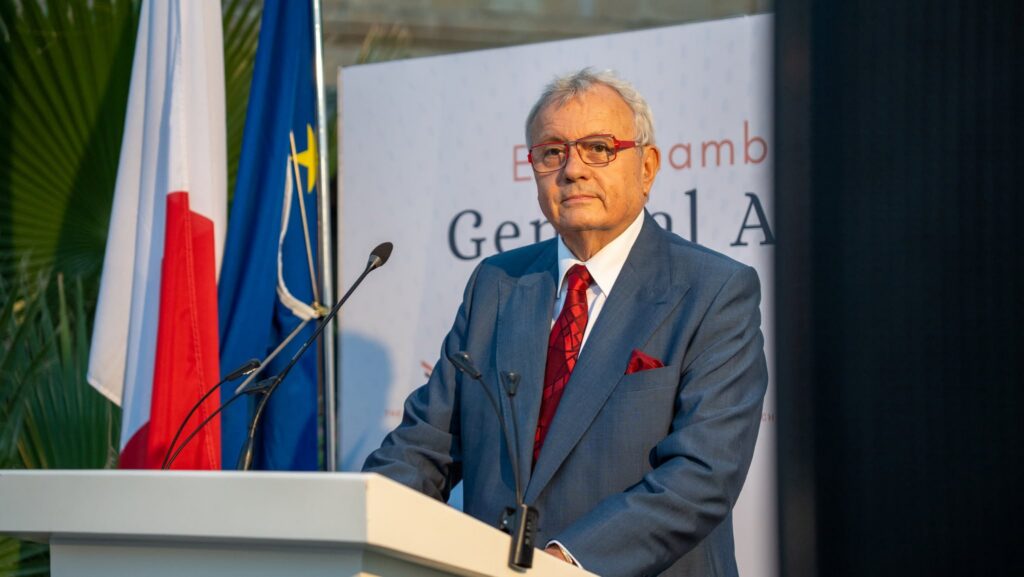
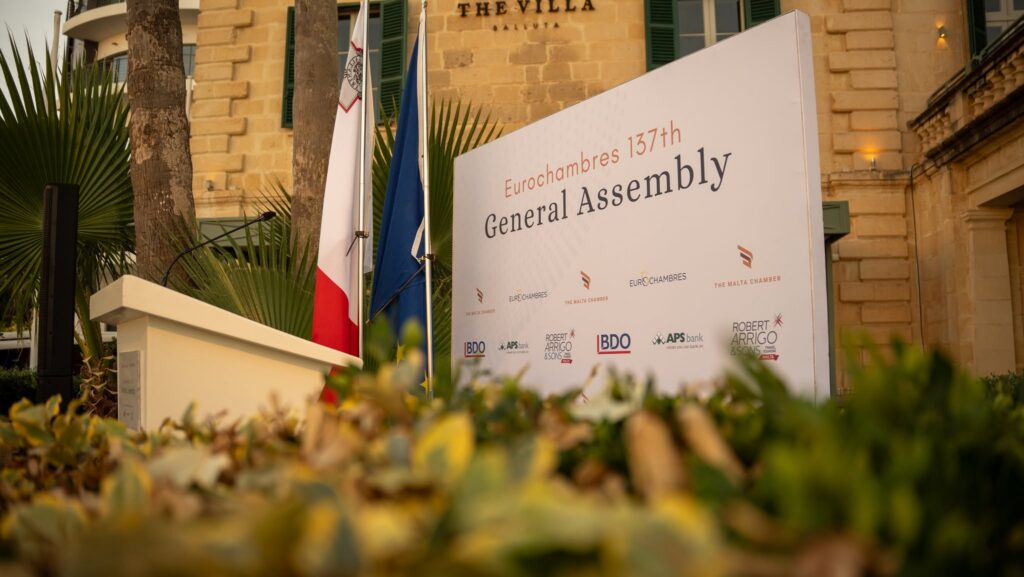
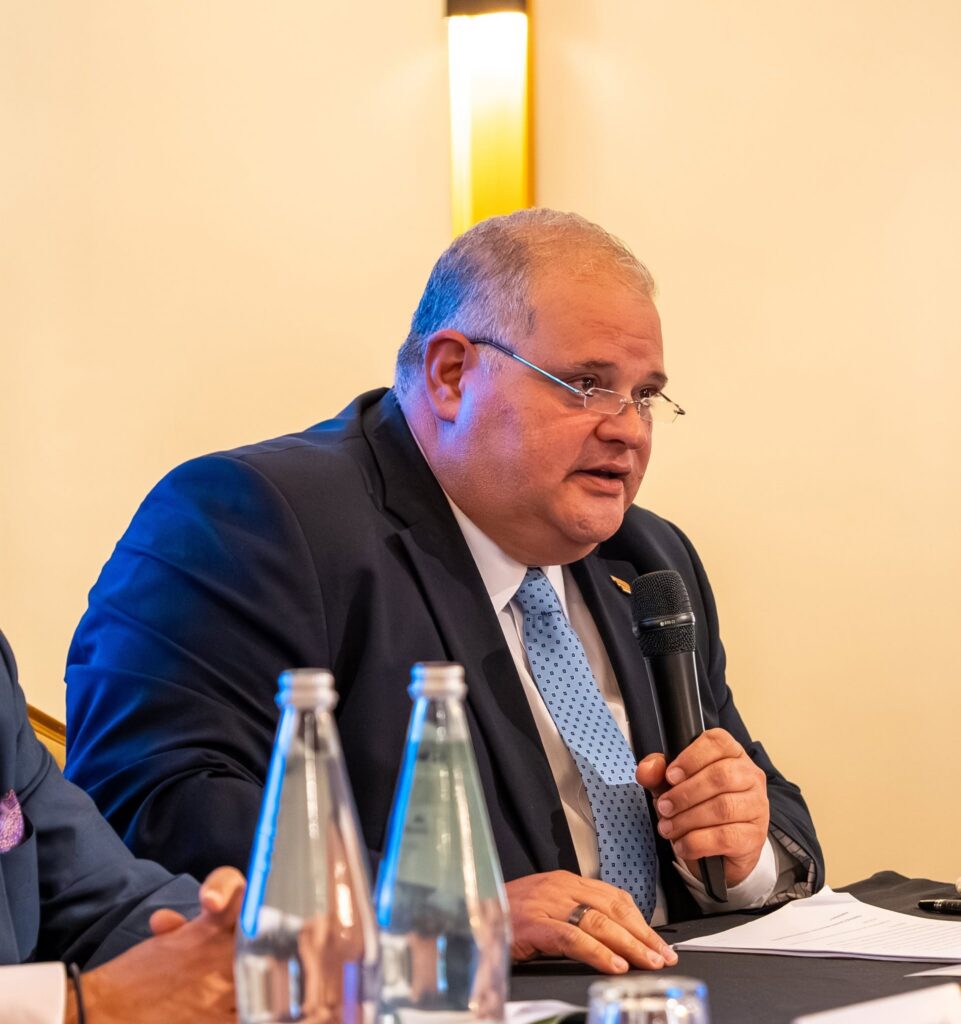
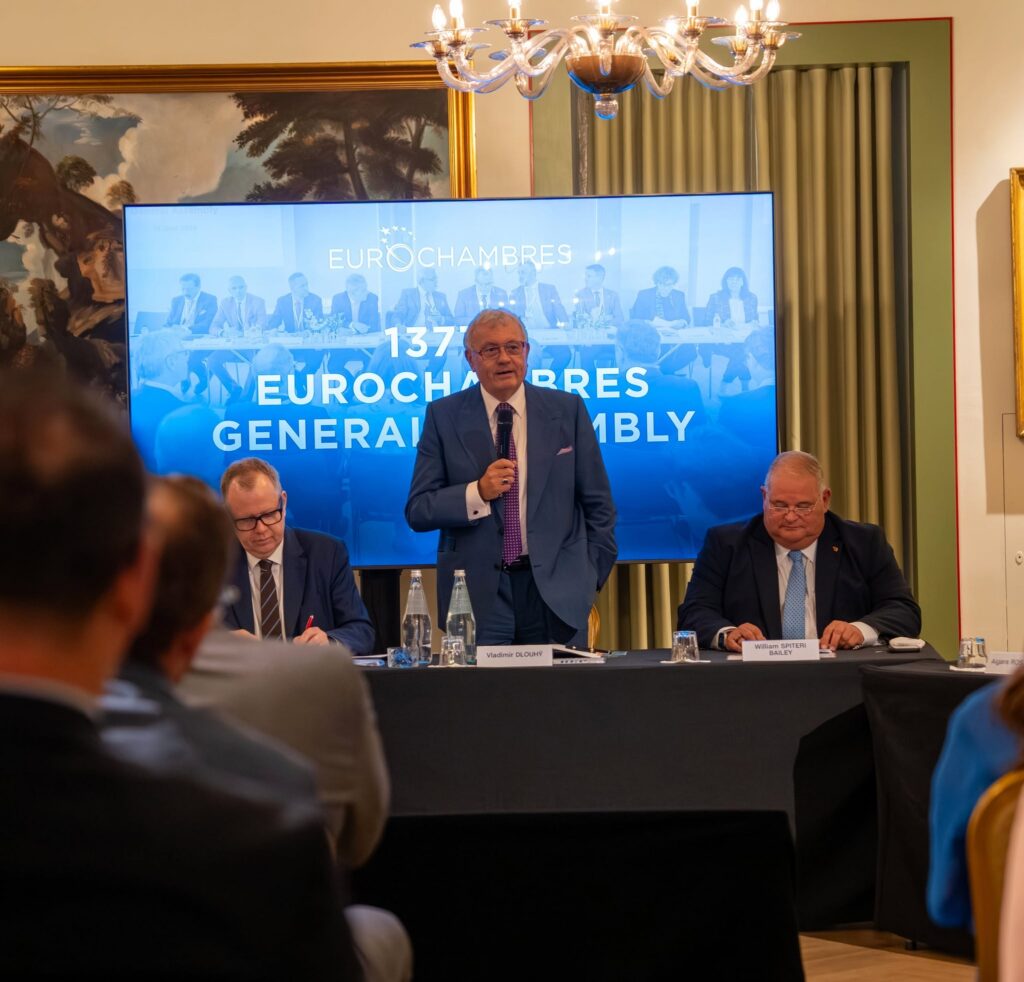
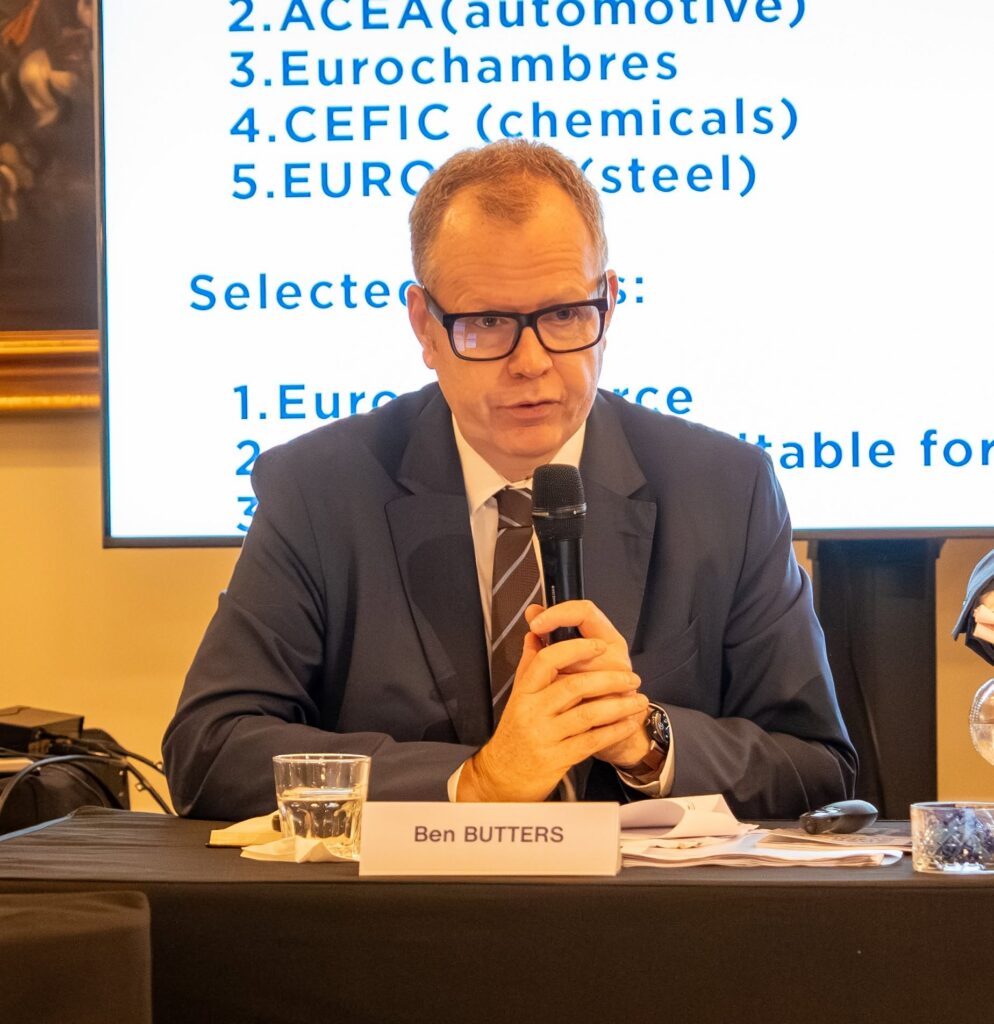
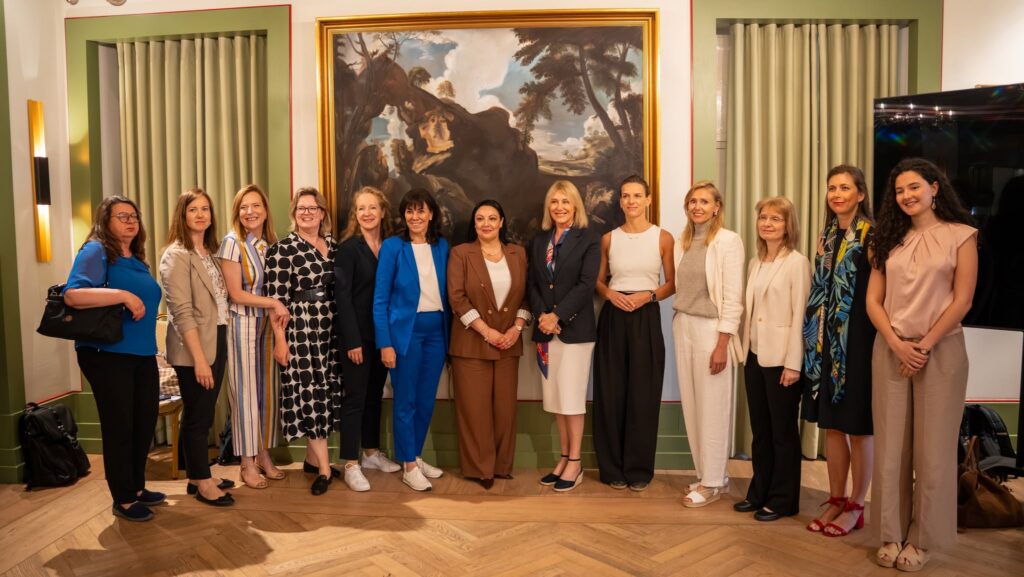
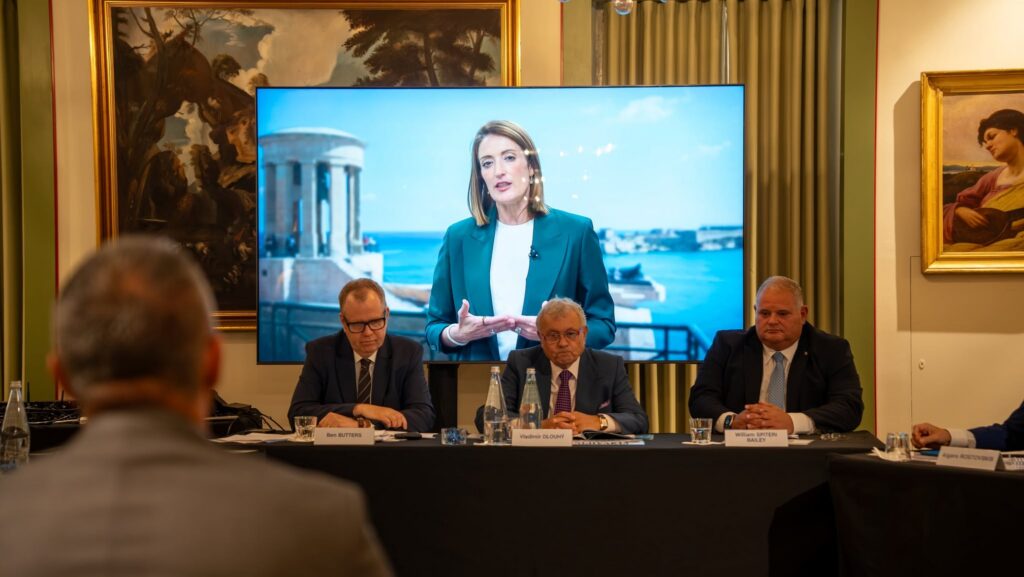
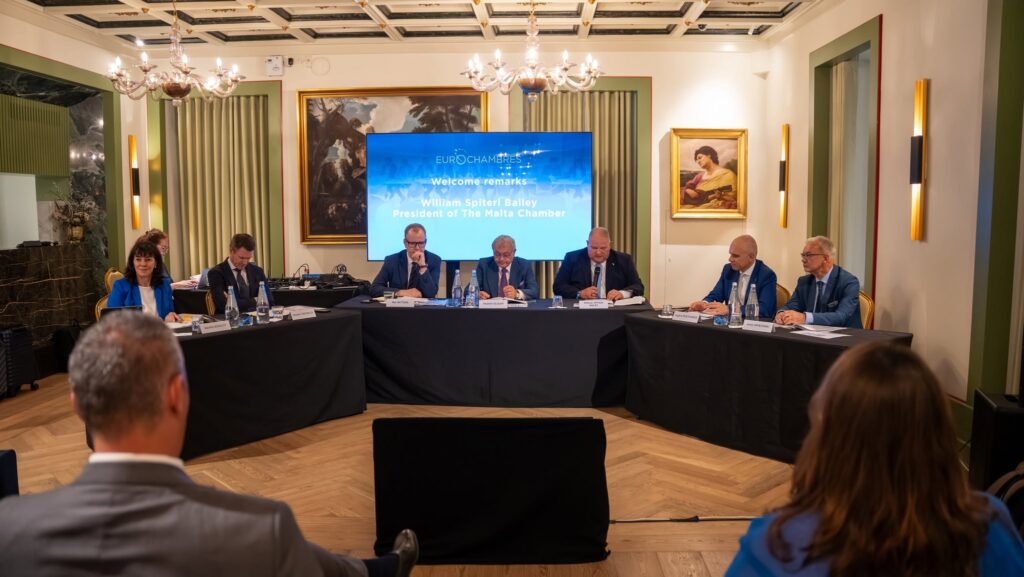
The Malta Chamber’s hosting of the 137th Eurochambres General Assembly delivered tangible value to the local business community by strengthening Malta’s voice within the European business network and facilitating direct dialogue with key stakeholders. The engagement between the Eurochambres delegation, The Malta Chamber Council, and the Malta Business Bureau created a platform for knowledge exchange, enabling Maltese businesses to better understand EU-level priorities while showcasing the realities and challenges of operating in a small island economy.
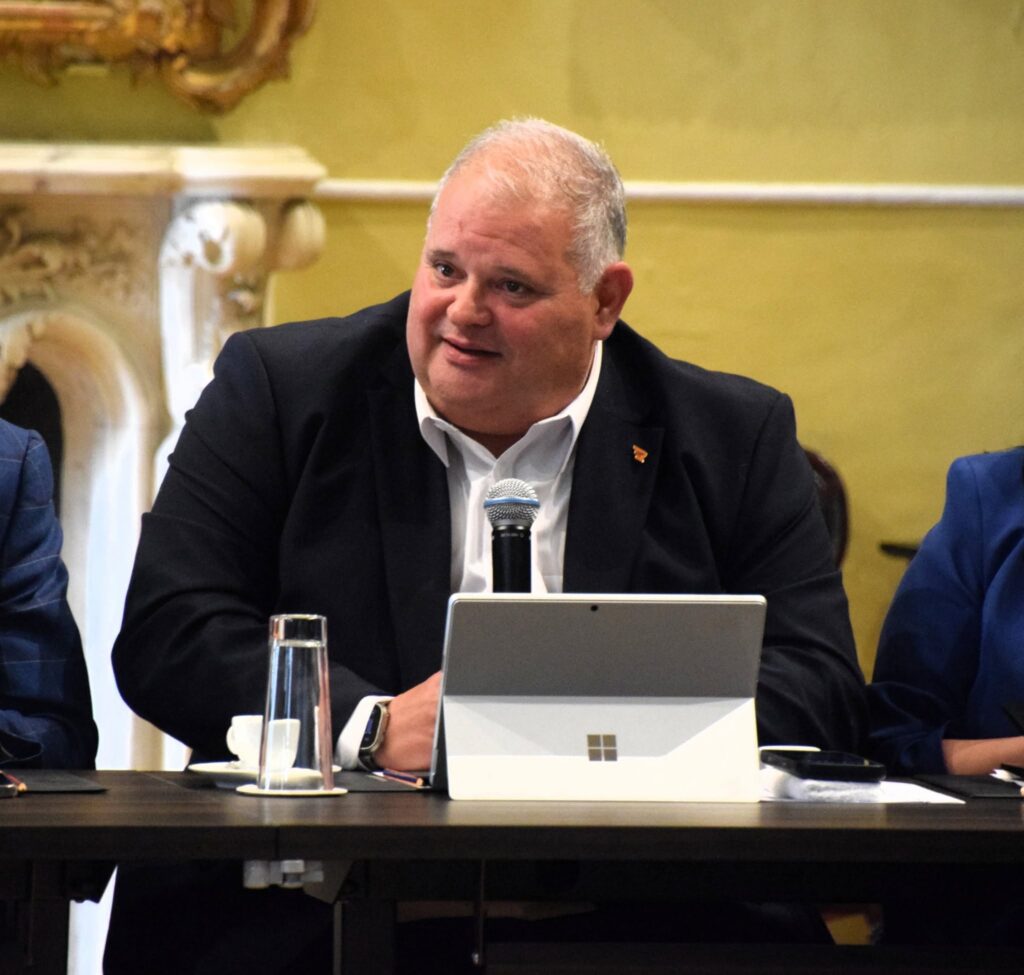
The event also elevated Malta’s profile as an active contributor to Europe’s competitiveness agenda, reinforcing its role in shaping practical, business-focused policy discussions. Key interventions—particularly on the need for clearer and more workable implementation of mechanisms such as CBAM—ensured that the concerns of Maltese enterprises are heard at European level. Additionally, high-level networking opportunities, including the official dinner hosted under the auspices of the President of Malta, strengthened relationships that can translate into future collaborations, investment prospects, and more effective representation of Maltese business interests within the EU framework.
Meeting held between Eurochambres Delegation and The Malta Chamber Council
PwC Malta’s recently published economic update points to a moderation in growth and a slowdown in productivity in Malta, highlighting important considerations for policymakers and business leaders. The report provides a comprehensive look at Malta’s economic performance in 2025 and the trends shaping the future, while noting that Malta continues to lead in the euro area.
The recent analysis unveiled how Malta’s GDP growth slowed to 4.0% in 2025, down from 6.2% the previous year. Despite this, the country’s growth is still significantly stronger than the euro area’s 1.4% in 2025, which improved from 0.9% in 2024. But the gap between Malta and the euro area is narrowing.
On a per-capita basis, the convergence is more evident. GDP per capita increased by 1.6% and consumption per capita by 1.2% in 2025. This aligns with euro area averages and indicates a shift from exceptional to more moderate growth.
The most notable finding is the slowdown in productivity. Gross value-added (GVA) per worker grew by only 1.4% in 2025, compared to 5% in 2024. With GVA per worker now at approximately €67k, compared with around €83k in the euro area, this slowdown prompts questions about the sustainability of Malta’s long-term growth advantage. The report highlights a structural imbalance: some of the fastest-growing sectors are among the least productive, while higher value-added sectors are underperforming.
Strong performers: ICT, wholesale and retail, and the public sector.
Slower growth (below 2%): professional services, finance, construction, and arts & recreation.
Productivity by sector remains uneven, with ICT leading at €162k GVA per worker, followed by professional services (€93k) and finance (€76k). Wholesale and retail, construction, and the public sector are at the lower end of the value-added spectrum. “Our most recent economic update depicts an economy that is resilient yet recalibrating.
Malta continues to outpace its European peers, but the combined effect of slowing headline growth, flattening per-capita indicators, and weaker productivity gains suggests that the drivers of past growth are losing steam. To sustain long-term competitiveness, Malta must focus on improving productivity and supporting higher value-added sectors,” explained Lucienne Pace Ross, Territory Senior Partner at PwC Malta.
The Malta Business Bureau (MBB) launched the Erasmus+ project POL: cultivating peaceful work environments. This 15-month initiative aims to strengthen relational competencies at work and introduce innovative peace education methodologies into the European Vocational Education and Training (VET) sector.
Workplaces are facing structural challenges that directly impact productivity and organisational competitiveness. Recent studies show that global employee engagement has declined to 20%. Furthermore, only 36% of workers involved in workplace conflicts consider them to be satisfactorily resolved.
This highlights a need to upskill and train managers and employees to tackle the reduction in workplace engagement and mitigate negative impacts on productivity.
The project will carry out in-depth research to understand the current training needs of organisations and their employees, as well as current training options. This research will help inform an expert-led 30-hour training course, combining online self-paced learning and interactive workshops, focusing on the following core competences:
Active Listening
Assertive Communication
Emotional Self-Awareness
Mindful Leadership
Intergroup Dynamics
Creative Conflict Transformation
It will leverage digital tools, such as 2D and 3D simulations, as well as branch-learning methodologies to help learners adopt and understand the concepts being taught. This training will culminate in a 3- day in-person workshop in Cyprus to translate the theoretical knowledge into hands-on exercises and practical workplace applications.
By integrating peace education principles into daily professional life, the POL project aims to create work environments that support employee well-being and elevate organisational performance. VET professionals will be equipped to act as multipliers, ensuring that sustainable leadership and inclusive practices are transferred across company trainers, businesses and employees.
The POL project is implemented by the Malta Business Bureau (lead), Società Cooperativa Sociale Sinergie (Italy), and Silversky3D (Cyprus). Those interested in learning more are encouraged to reach out to the MBB on info@mbb.org.mt.
Funded by the European Union. Views and opinions expressed are however those of the author(s) only and do not necessarily reflect those of the European Union or European Union Programmes Agency (EUPA). Neither the European Union nor the granting authority can be held responsible for them.