Containing 150+ proposals, the document is based on six pillars:
• Reforms that initiate structural change • Transformations prioritising core, value-added productivity • Measures promoting Excellence and value-add replacing volume-driven expansion • Standards to reshape business and institutional culture • Execution anchored in firm legislative foundations and a fair, level playing field • Good governance to build trust, uphold the rule of law, and ensure efficient use of national resources
In his opening statement, President Spiteri Bailey highlighted a fundamental message: “Governments change. Institutions remain.”
He also stressed that trust has economic value, just as losing it comes with an economic cost. “These are not new messages from The Malta Chamber. We have been communicating them consistently year after year, and we will continue to do so because we believe they are essential to building a stronger, more competitive and sustainable Malta for the future.”
Bank of Valletta and the Malta Football Association (Malta FA) brought together representatives of Malta FA member clubs for a one-day seminar aimed at helping football clubs better understand of the evolving AML obligations, governance expectations, and wider legal and regulatory responsibilities impacting football clubs. The seminar provided participants with insights into both current and emerging compliance requirements, highlighting the importance of strong governance and financial crime prevention within the football sector. The initiative forms part of a broader effort to support clubs in strengthening their control frameworks and ensuring they are well prepared to meet future regulatory and AML compliance expectations.
The seminar was one of the first initiatives, delivered under the recently signed three-year Memorandum of Understanding between the two entities. It reflects a shared commitment to supporting clubs, building on a partnership that has supported Maltese football for more than two decades as the regulatory environment around sport continues to evolve.
The seminar featured sessions led by the Bank’s anti-financial crime specialists and the Malta FA Integrity Officer. They guided participants through key topics including financial crime risks, sanctions, fraud and scams awareness, and governance requirements. They also covered documentation practices and forthcoming EU anti-money laundering obligations, which are expected to bring certain professional football clubs within scope in the coming years.
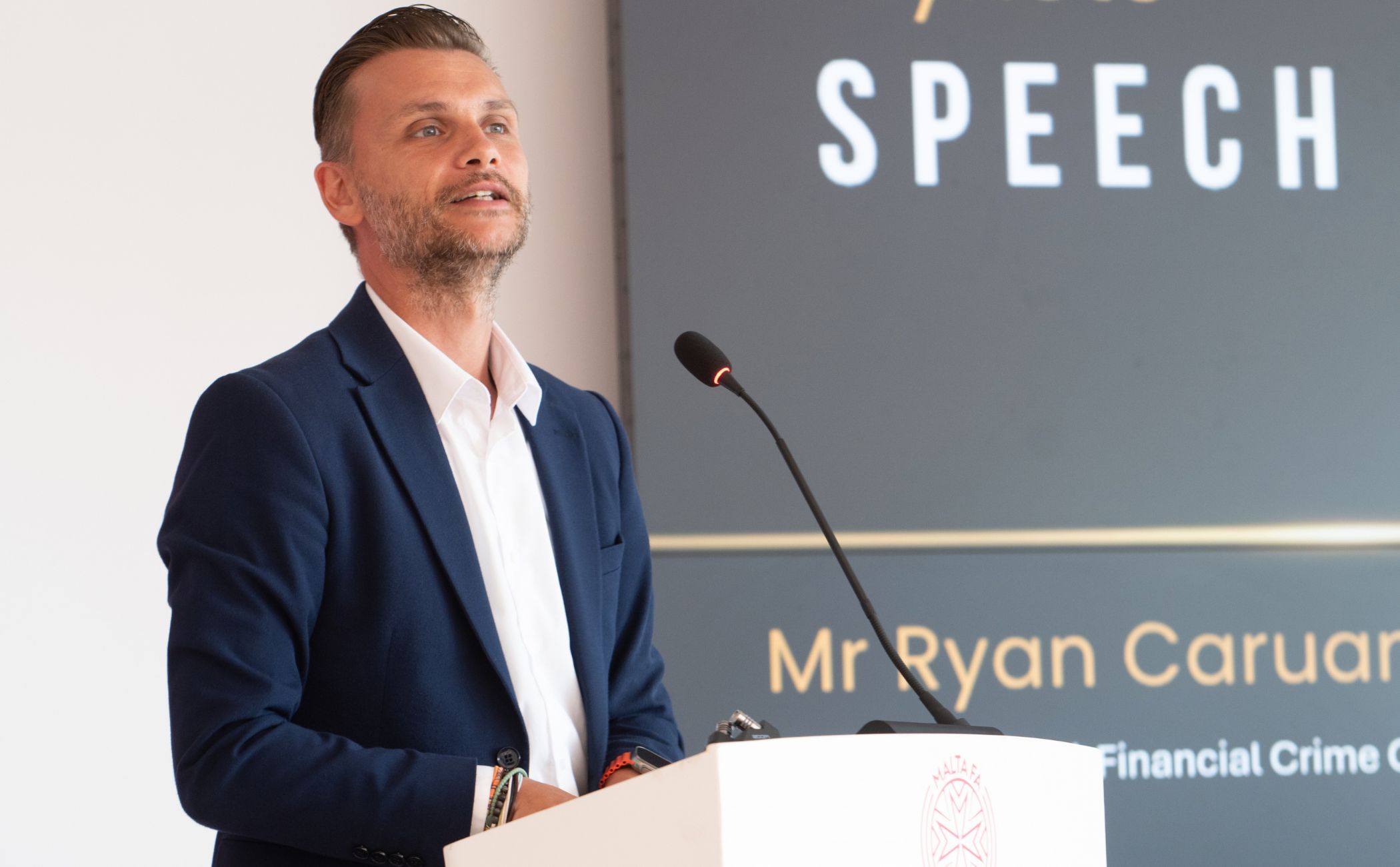
Opening the event, BOV Group AFC Officer and MLRO Ryan Caruana emphasised the importance of education, awareness and continued collaboration between financial institutions and the sporting community. “This seminar builds on a partnership that goes back many years and gives clubs our practical guidance to better understand their obligations and strengthen their resilience, so they may navigate in a changing regulatory landscape with confidence. By sharing our expertise, we want to support clubs strengthen their resilience, not only in meeting regulatory expectations, but also in protecting their organisations, their members and contribute to a stronger wider football community.”
Mr Caruana noted that stronger AML governance and effective AML risk management are increasingly important for all organisations that handle funds, manage relationships and serve their communities. As a leading financial services provider, BOV remains committed to supporting clubs’ education, regulatory preparedness, and responsible financial resilience.
Dr Herman Mula, Malta FA Legal, Integrity and Prosecutor, explained that sound procedures, proper documentation, transparency and good governance are becoming increasingly important for football clubs. “The management of a football club can no longer be viewed solely as a sporting matter. The decisions taken by those managing a sports organisation can have serious consequences, which is why procedures, documentation, transparency and good governance are becoming increasingly important.”
Dr Mula explained that such sessions do not only aim to gain a better understanding of the rules, regulations and risks, but also to build a culture in which sound decisions are made with knowledge, responsibility and through the correct procedures. We will also explain the new reality of Sports Private Limited Liability Companies, a topic which further highlights how the structure and governance of sport are evolving, and how those responsible must be prepared for these developments. He went on to thank the Bank for its support and collaboration, as well as the individuals within the Malta FA who made the seminar possible.
The initiative reflects the shared commitment of BOV and the Malta FA to supporting stronger governance, regulatory awareness and integrity across Maltese football. It also aligns with BOV’s broader focus on education, responsible banking and community engagement, ensuring that organisations within the community are better prepared to respond to emerging risks and responsibilities. Further initiatives are expected to follow under the ongoing three-year collaboration between the Bank and the Malta FA.
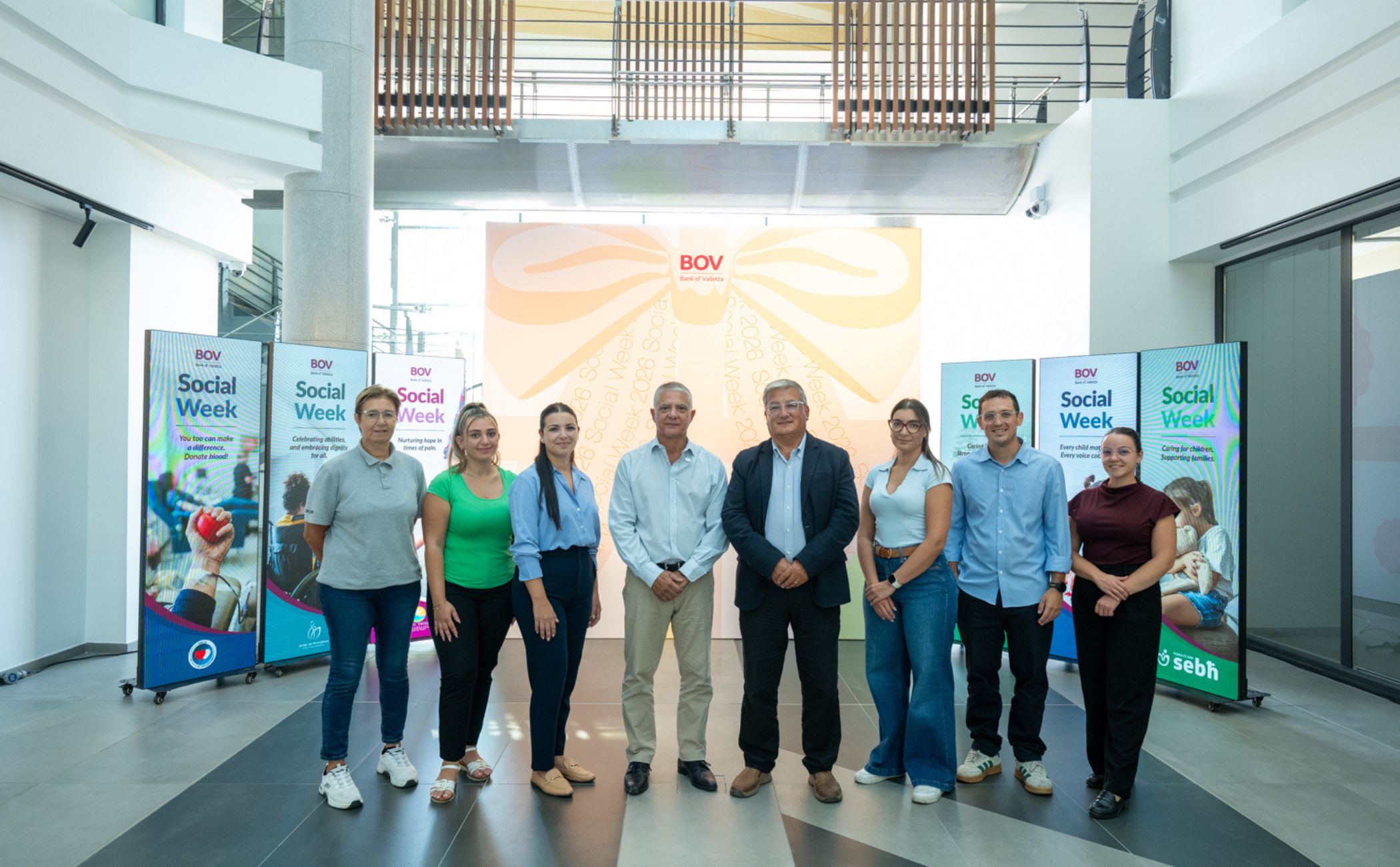
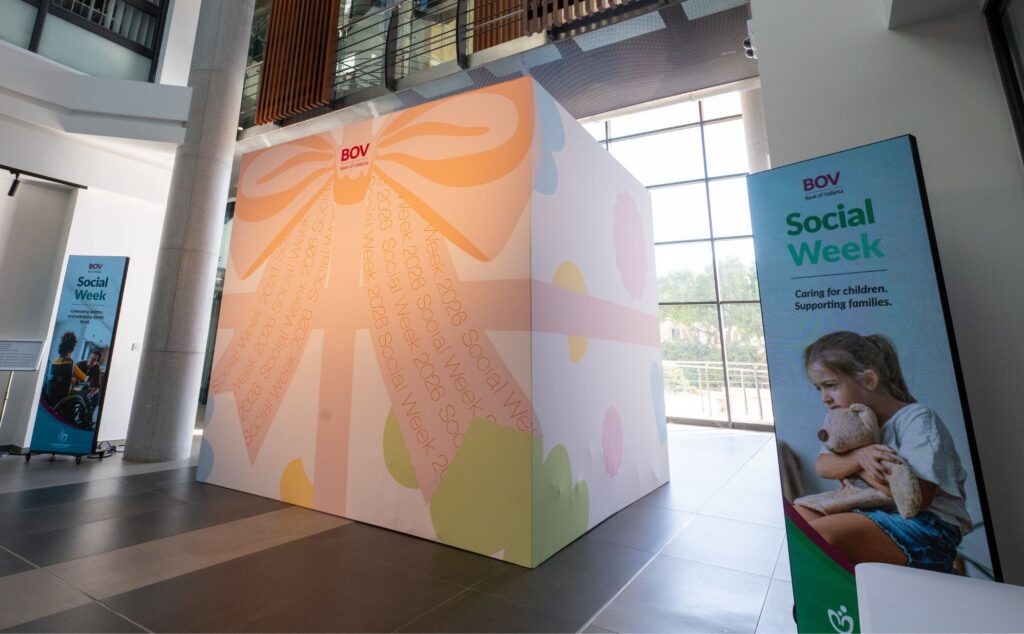
Bank of Valletta, in collaboration with the World Savings and Retail Banking Institute (WSBI), hosted its first-ever BOV Social Week, bringing employees together for a week of meaningful action in support of initiatives centred on people, communities and the environment. Held between the 7th and 11th September, the week included blood donation, the collection of school essentials for children living in residential care, and volunteering.
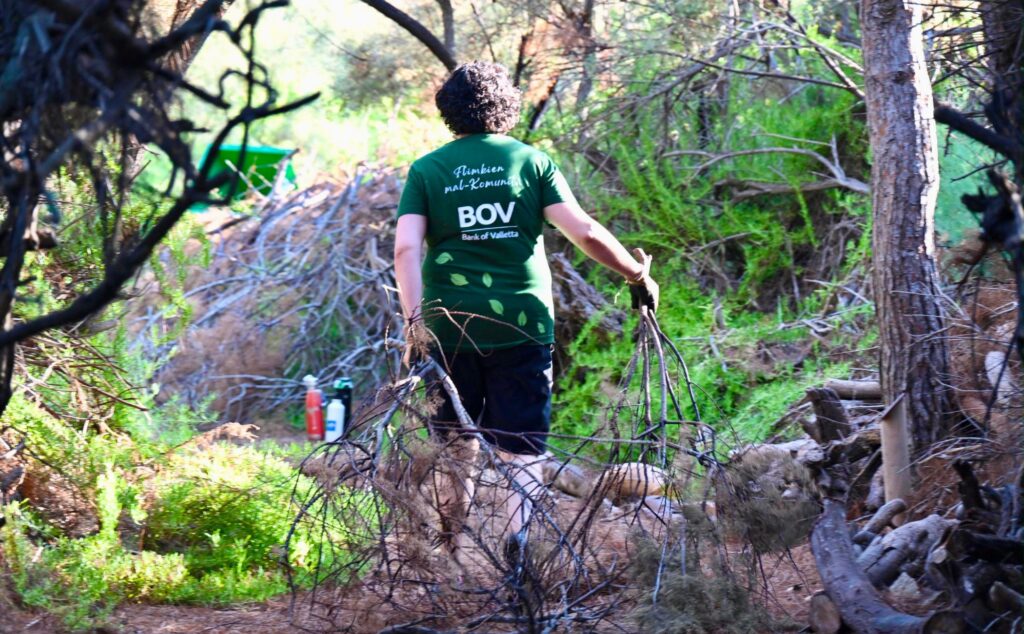
The week opened with employees leaving their desks to assist BirdLife Malta’s conservation work at the Għadira Nature Reserve. This activity reflected the Bank’s commitment to giving back through volunteering. In the first eight months of this year, 400 employees benefited from the Bank’s one day of volunteering leave, contributing up to 3,200 hours to NGOs working across social and environmental sectors.
BOV Social Week also saw around 50 employees step forward to donate blood, most of them for the first time, at the Blood Donation Mobile Unit stationed outside the BOV Centre in Santa Venera.
Children from Fondazzjoni Sebħ and St Joseph Home spent an afternoon at the BOV Centre’s Internal Street during an interactive workshop organised in collaboration with the NGOs Żibel and Nature Trust. Employees also donated a range of school essentials, which were presented to Fondazzjoni Sebħ and St Joseph Home by Chief Operations Officer (COO) Ernest Agius during the closing activity of the BOV Social Week. The response was so generous that additional items will be donated to other organisations working with children.
As part of the week, Chief Executive Officer (CEO) Kenneth Farrugia and Chief Operations Officer Ernest Agius visited Karl Vella Foundation and Id-Dar tal-Providenza, two organisations whose work touches many lives. The visits offered an opportunity to meet the people behind these organisations, gain a deeper understanding of their work, and reaffirm BOV’s commitment to causes that bring care, dignity and support to the community.
Commenting on Bank of Valletta’s first-ever Social Week, the CEO and COO thanked all employees who took part and collectively helped extend the Bank’s support to people and communities. They said, “Social Week provided another opportunity for us at BOV to give back to society and support different entities. It strengthened our commitment to causes that touch lives, strengthen communities and help protect the environment around us.”
BOV Social Week was coordinated by the BOV Corporate Social Responsibility Team, led by Charles Azzopardi, Head of CSR, Events and Business Alliances. He thanked his team for bringing the week together and acknowledged the strong response from employees, whose participation helped make the first edition a success.
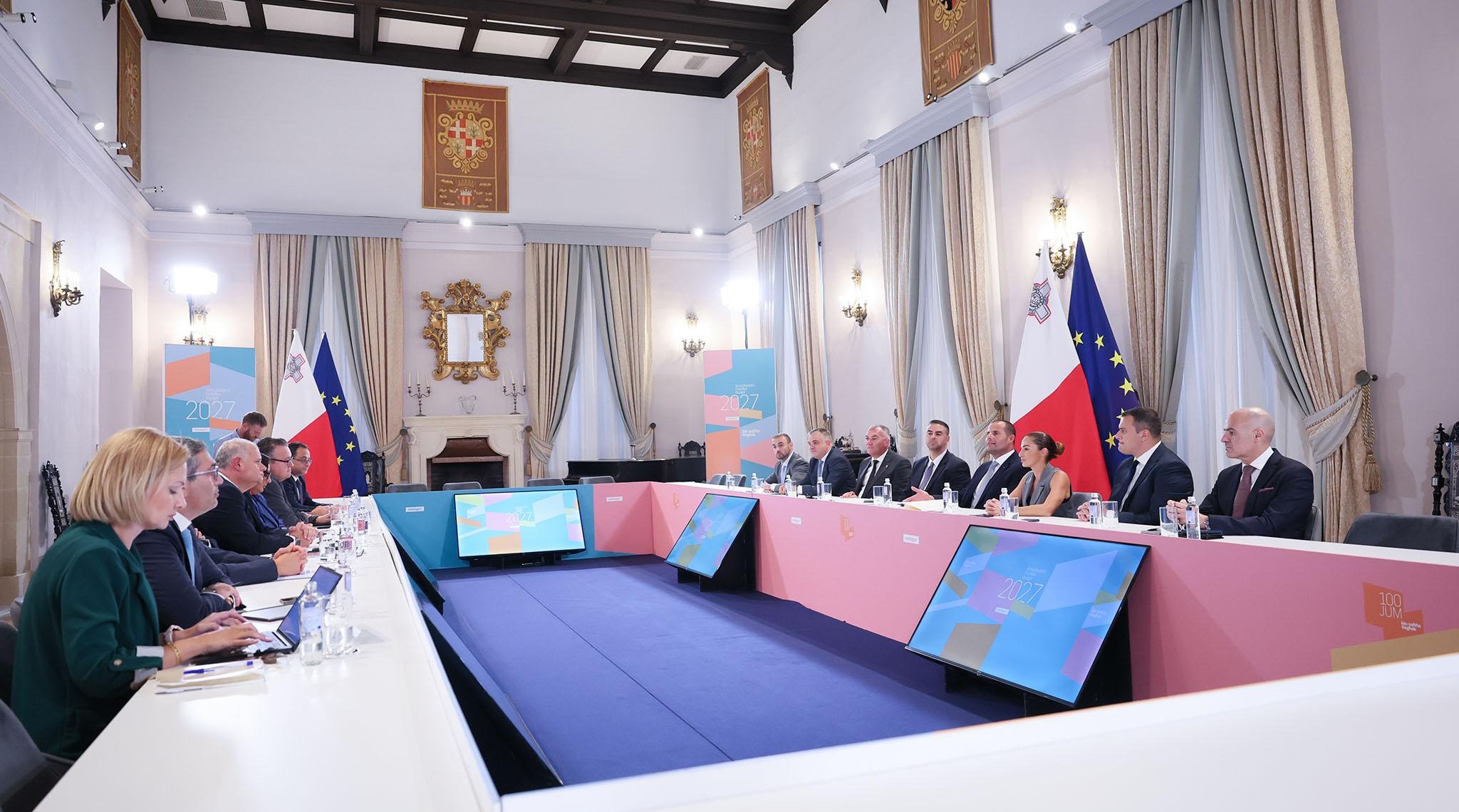
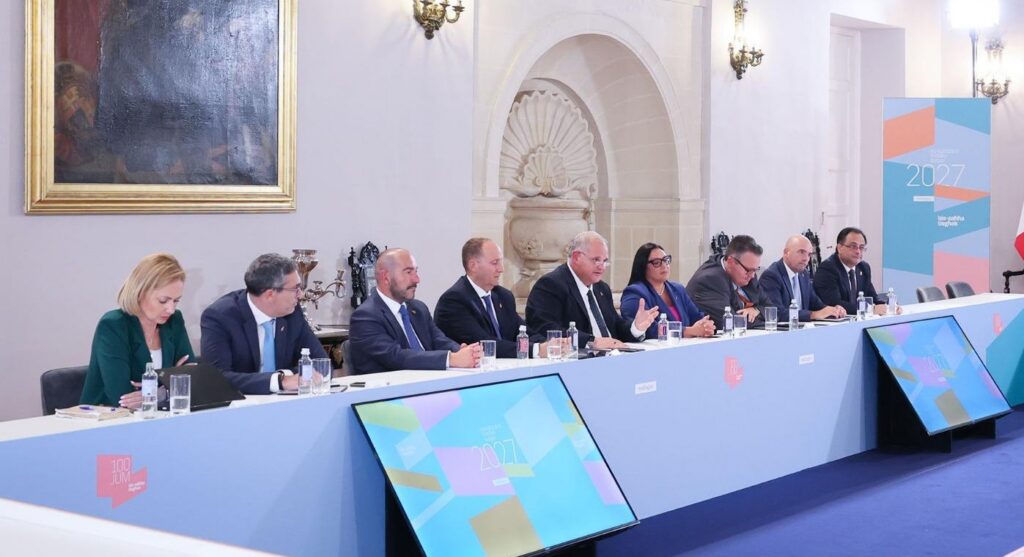
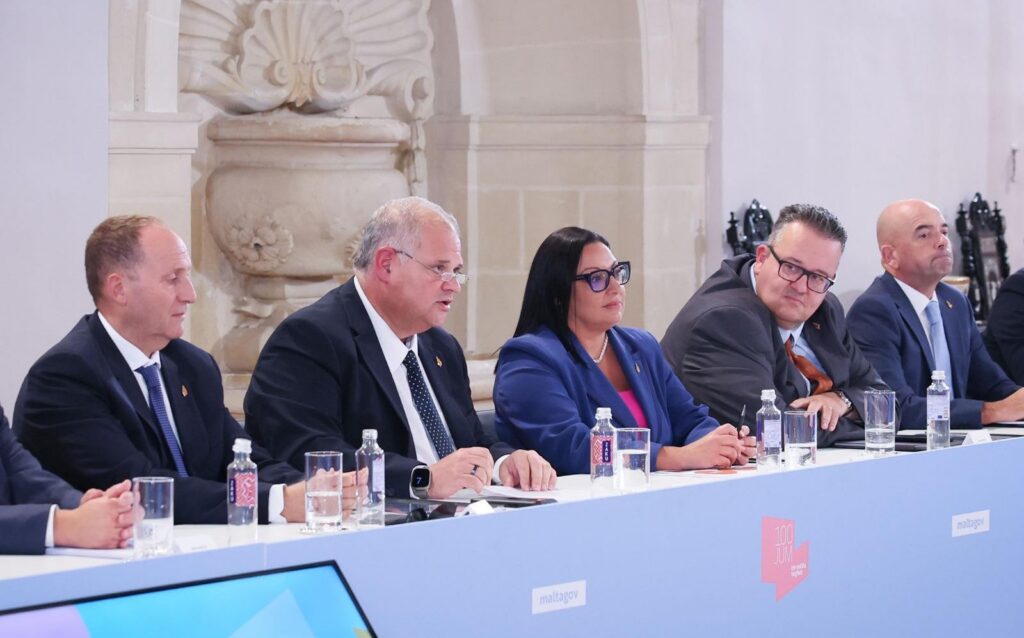
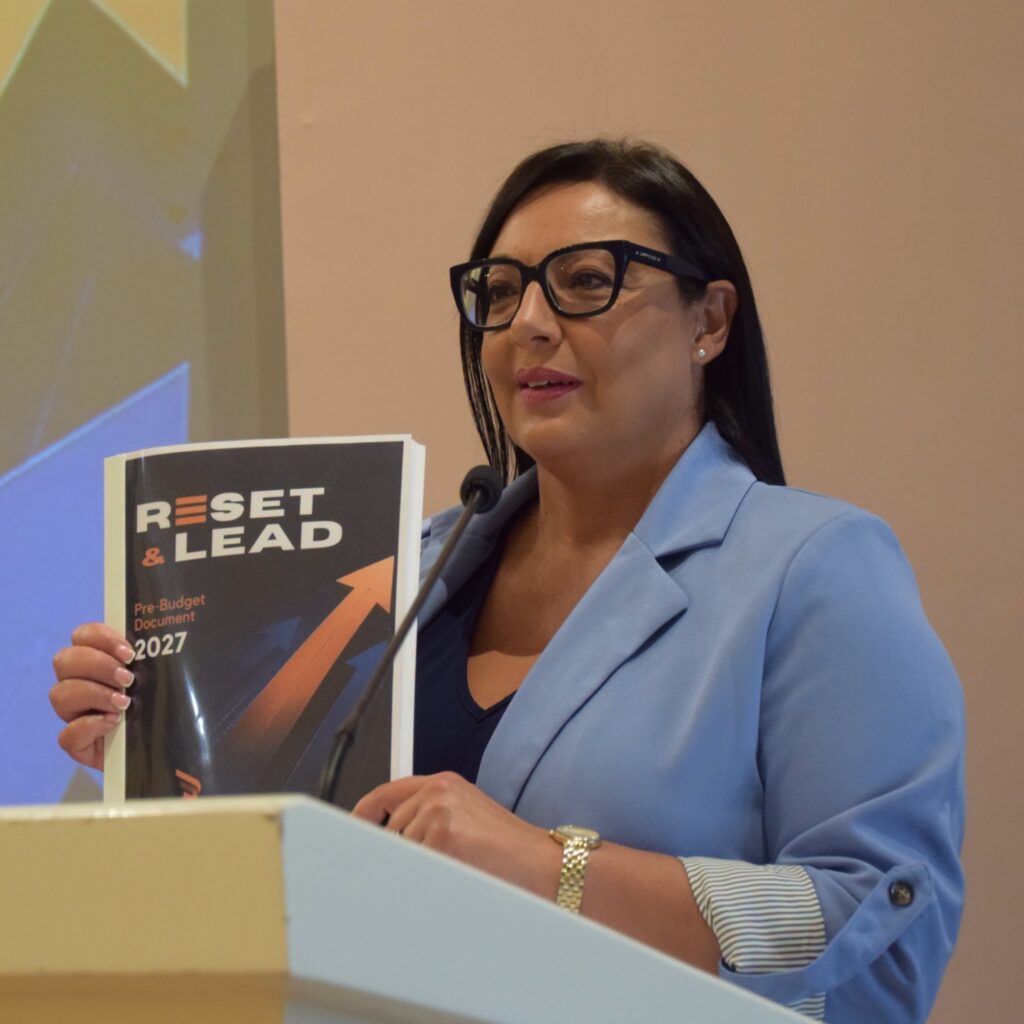
The Malta Chamber of Commerce, Enterprise and Industry today launched its Pre-Budget 2027 document, titled RESET and LEAD, setting out more than 150 proposals aimed at driving structural reform across Malta’s economy and institutions. The document was presented by The Malta Chamber CEO Dr Marthese Portelli, with a welcoming address by the President of The Malta Chamber William Spiteri Bailey.
Opening the press conference, President Spiteri Bailey said that Malta had reached a point where “adjusting around the edges is no longer enough,” and that the country needed “the courage to RESET what is not working and LEAD through the realities we face.”
While acknowledging Malta’s economic resilience, the President was direct about the challenges still facing the country: infrastructure under pressure, weak productivity, persistent bureaucracy, energy dependence, and damaged trust in some institutions. “Not everything is well,” the Malta Chamber said, stressing that raising these issues is “not talking Malta down” but a necessary condition for fixing them: “You cannot fix a problem that you are unwilling to admit exists.”
The Malta Chamber linked Malta’s energy exposure directly to policy choices of recent years, arguing that had part of the substantial sums spent on indiscriminate fuel and energy subsidies instead been directed toward renewables, efficiency and storage, “Malta would today be less exposed to international energy shocks.” On the labour market, the Malta Chamber President called for a shift “from volume to value,” paired with a more efficient work permit system so that businesses can make better use of the workers already in Malta.
Governance featured prominently in Spiteri Bailey’s address, who insisted that institutions “exist to serve the people — not Governments, not political parties, not individuals,” and called for regulators to regulate, enforcement authorities to enforce, and courts to deliver justice within a reasonable time. “Good governance is economic policy,” President Spiteri Bailey said, warning that “trust has economic value. And the loss of trust has an economic cost.”
President Spiteri Bailey closed by framing RESET and LEAD as a national, not a partisan, agenda: “This is not a Labour position. It is not a Nationalist position. It must be Malta’s position.”
150+ proposals for structural change
Presenting the substance of the proposals, CEO Dr Marthese Portelli set out The Malta Chamber’s case that the “time for incremental adjustments has passed,” pointing to an uncomfortable reality: too many critical proposals raised in previous years remain unaddressed, delayed or stalled.
The presentation grounded this call for reform in economic data. Between 2015 and 2025, Malta’s Gross Value Added grew by 81.9%, but the Malta Chamber’s analysis shows this growth was driven overwhelmingly by an expanding workforce (68.9%), with only a modest contribution from higher value-added sectors (9.9%) and productivity improvements (3.1%). Equally important to that, The Malta Chamber noted that compensation growth has consistently outpaced labour productivity growth in recent years, and that government debt has risen sharply since 2019 while productivity per person employed has remained broadly flat — trends projected to continue into 2026, with compensation set to rise 4.4% against productivity growth of just 0.1%, compared to a projected EU average of 1.0%.
The Malta Chamber Pre-Budget 2027 document is based on six pillars:
• Reforms that initiate structural change • Transformations prioritising core, value-added productivity • Measures promoting Excellence and value-add replacing volume-driven expansion • Standards to reshape business and institutional culture • Execution anchored in firm legislative foundations and a fair, level playing field • Good governance to build trust, uphold the rule of law, and ensure efficient use of national resources
The 150+ proposals are organised into two broad sections.
The first addresses economic and sectoral priorities which need to be executed by end-2027, including funding and investment support and taxation; human resources, education and skills; technology and AI adoption; infrastructure (spatial planning and construction, mobility, energy, water and waste management); value enhancement in tourism; addressing state-induced market distortions and unfair competition; Malta’s island-state and EU-related challenges; and internationalisation.
The second section focuses on national and institutional reforms kickstarting in 2027, whose execution would spread over the rest of the legislature; covering planning and construction, mobility and transportation, energy, waste management, digital transformation, education and skills alignment, public procurement, pensions reform, and public good governance and parliamentary reform.
A shared national agenda
The contribution by The Malta Chamber provides an evidence-based call for Government to move from strategy to execution because “The Malta Chamber has spoken about these things for long enough. Now we need the courage to RESET, LEAD and, above all, execute.”
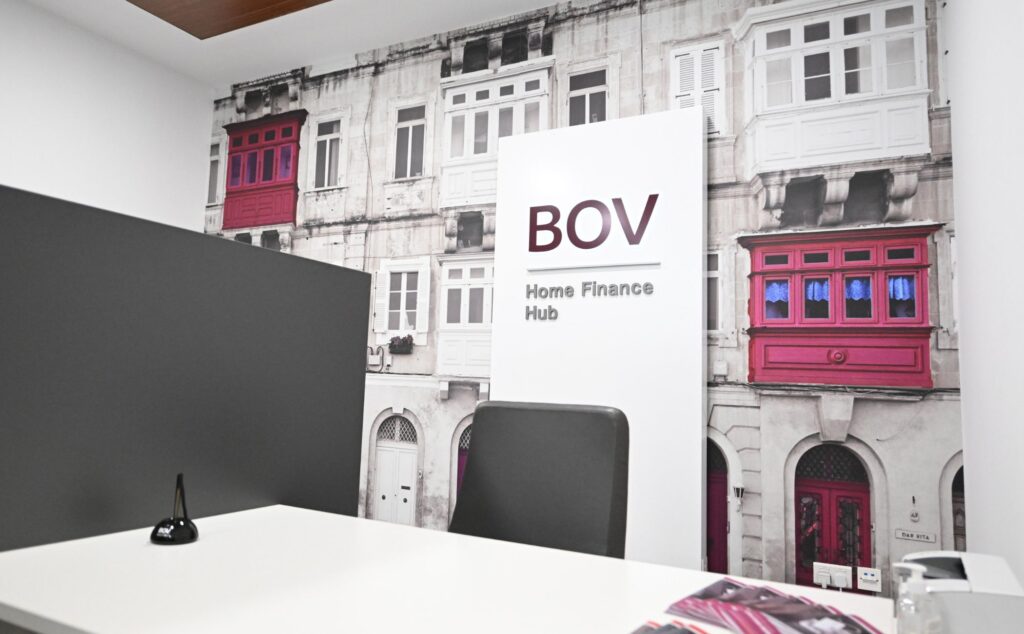
Bank of Valletta has inaugurated its second Home Finance Hub in Gżira, extending its specialised and personalised approach to home financing and bringing personalisation, one of the Bank’s key strategic priorities, to life for customers. Serving the Centre-East Region, the new Hub forms part of BOV’s wider plan to establish four dedicated Home Finance Hubs across Malta. This Home Finance Hub is situated in Triq ix-Xatt in Gżira, next door to the Bank’s branch.
The initiative recognises that buying a home is one of the most important financial and personal decisions a person can make. Through its Home Finance Hubs, BOV is giving customers direct access to specialist expertise, clearer guidance and dedicated support throughout their home-buying journey, with a process designed to be simpler, more transparent and more responsive to individual needs.
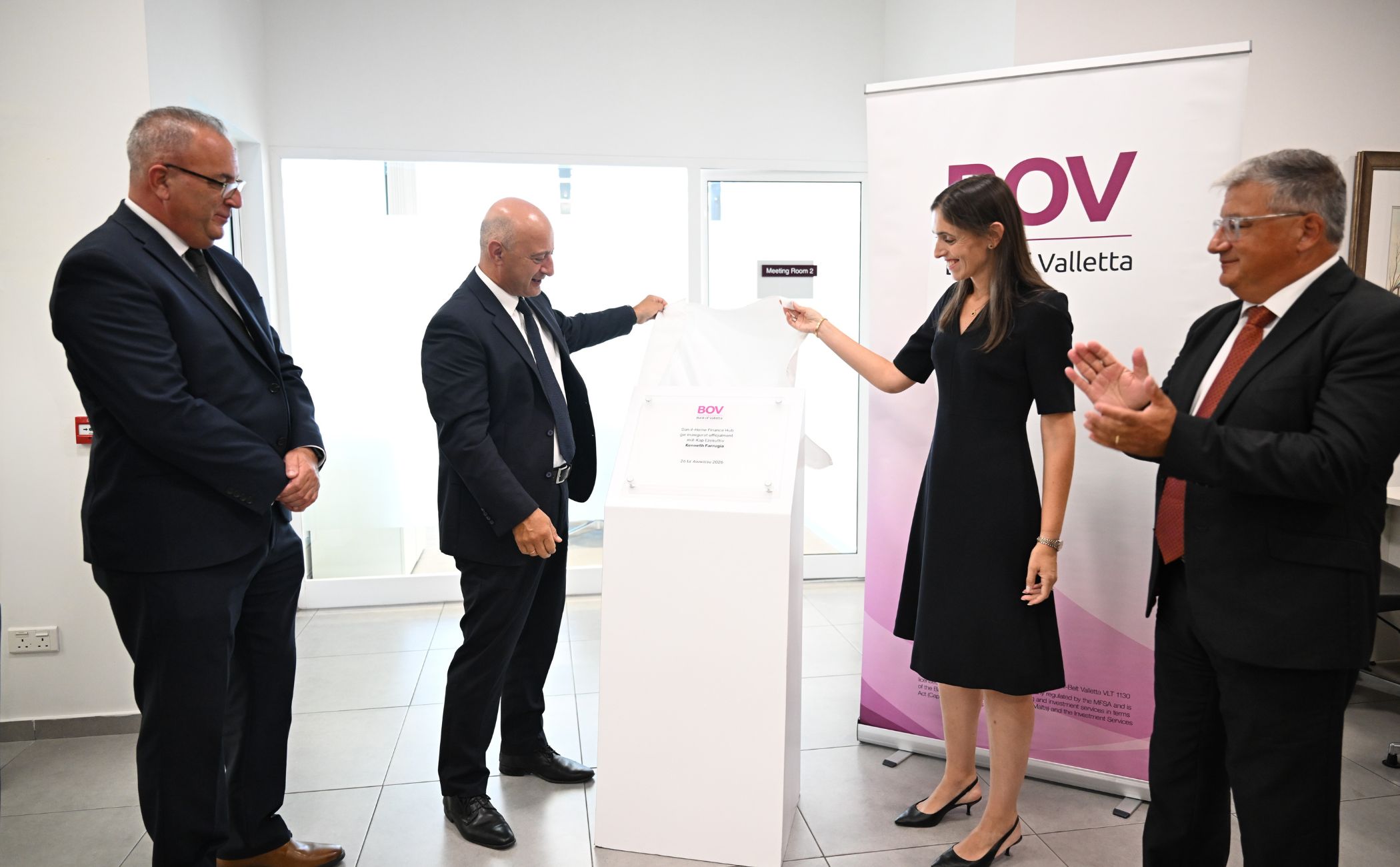
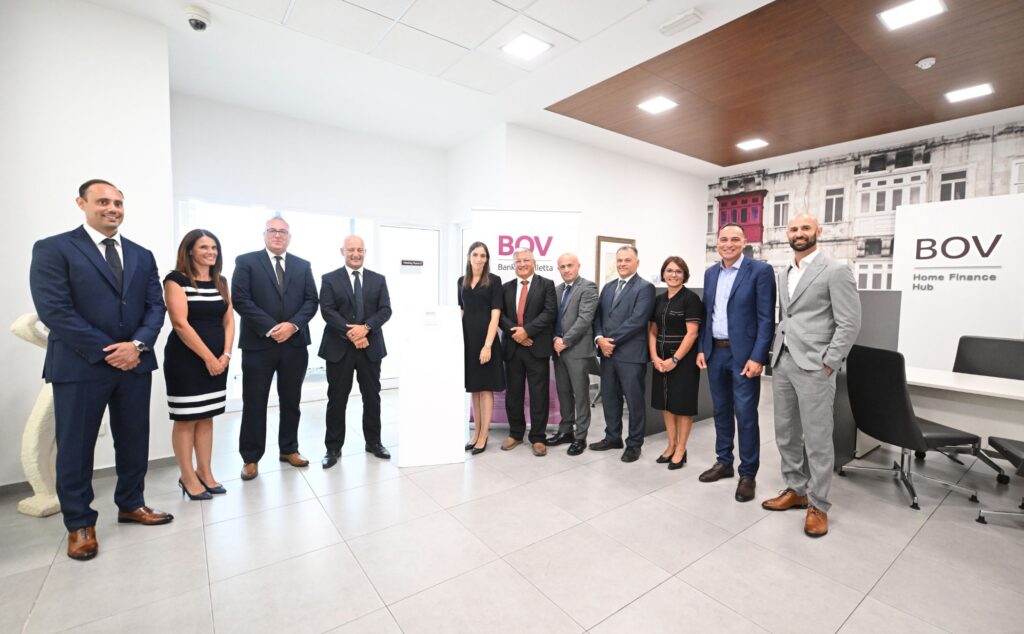
The Gżira Home Finance Hub was officially inaugurated by CEO Kenneth Farrugia, in the presence of Director Diane Bugeja, Chief Personal & Wealth Officer Simon Azzopardi, Chief Commercial Officer Simon Grech, Chief Operations Officer Ernest Agius, and Chief People & Culture Officer Ray Debattista. The Hub has been serving customers since May 2026 and builds on the experience gained through the successful launch of the Bank’s first Home Finance Hub in Mosta earlier this year.
Speaking during the inauguration, Kenneth Farrugia explained, “Personalisation is a key strategic priority for Bank of Valletta because no two customers are the same. The Home Finance Hub model reflects this philosophy in a very practical way. Purchasing a home is far more than a financial transaction. It is a significant life milestone, and customers rightly expect support that reflects their individual circumstances, aspirations and needs. Our ambition is not simply to open new locations, but to create a better experience for our customers. Through these Hubs, we are bringing specialist expertise closer to customers, providing greater clarity throughout the process and strengthening ownership across every stage of the journey. This is how we translate strategy into meaningful improvements that customers can see, feel and value.”
The Home Finance Hub model complements the Bank’s Branch Network by bringing home loan specialists and supporting teams into a more coordinated operating model. Stronger collaboration between branches, Consumer Finance, Credit and other supporting functions is intended to provide a smoother, more consistent experience, reduce avoidable delays and improve communication with customers.
Simon Azzopardi, Chief Personal & Wealth Officer, said, “The Home Finance Hubs are where strategy becomes visible to customers. They enable us to offer specialist support while remaining closely connected to the wider customer journey. Customers want clarity, reassurance and confidence that they have the right support at the right moment. The Hub model allows us to deliver that in a more focused and effective way, combining specialist expertise with a personal approach.”
Addressing guests, Director Diane Bugeja highlighted the importance of continued investment in areas that have a direct impact on customers’ lives. “Financing a home is one of the most significant decisions many people will ever make. Customers are looking not only for competitive solutions but also for guidance, transparency and confidence that their application is being managed with care and professionalism. The Home Finance Hub model strengthens our ability to offer that consistently while reinforcing the trust customers place in the Bank.”
Customers visiting the Gżira Home Finance Hub can discuss first-time buyer home loans, property purchase financing, buy-to-let financing, refinancing of existing home loans, affordability assessments and property-related financial planning. The Hub also provides guidance on Government incentives, insurance requirements and other aspects related to home ownership.
The Gżira Home Finance Hub is the second of four dedicated Home Finance Hubs being established by BOV. Through this strategy, the Bank is strengthening its position as a leading provider of home financing in Malta while continuing to invest in personalised service, specialist expertise and stronger customer relationships at every stage of the journey.
Bank of Valletta brought together hundreds of colleagues for the BOV People Awards, its annual celebration recognising employees and teams whose dedication, professionalism and ideas continue to drive the Bank forward.
The ceremony recognised outstanding achievements across several award categories, while also celebrating the collective effort behind the Bank’s continued transformation and growth, from customer-facing teams to colleagues in operations, technology, risk and governance.
Addressing attendees, Bank of Valletta CEO Kenneth Farrugia said the Bank’s greatest strength has always been its people. “Every milestone we achieve as a Bank is built on the commitment, talent and determination of our colleagues. Whether they are supporting customers, driving innovation, managing risk, delivering projects or enabling our operations, they make a meaningful difference every day. The BOV People Awards give us the opportunity to celebrate that contribution and thank the people who help make Bank of Valletta the trusted institution it is today.”
“As we look to the future, our success will increasingly depend on our ability to work as one Bank. Greater collaboration, faster decision-making and a willingness to embrace new ways of working will be essential if we are to deliver on our strategic ambitions. By leveraging the collective strength of our people and teams, we can achieve far more together than any one function can achieve alone.”
Mr Farrugia added that the awards also reflect the strong culture across the organisation. “What makes me proud is not only what our colleagues achieve, but how they achieve it. The stories behind these awards speak of teamwork, integrity, professionalism, innovation and a genuine commitment to doing the right thing. These are the qualities that define our culture and position us strongly for the future.”
Chief People and Culture Officer Ray Debattista described the awards as a powerful reminder of the importance of recognising and investing in people. “At Bank of Valletta, success starts with our people. Creating an environment where employees feel valued, supported and empowered to grow is fundamental to our long-term success. The People Awards celebrate excellence, but they also celebrate the culture we are building together, one where contribution is recognised and people are encouraged to reach their full potential.”
“Year after year, the talent across the organisation stands out. The dedication, quality of work and passion our people bring to their roles reinforce why Bank of Valletta continues to be recognised as one of Malta’s leading employers,” he concluded.
This year’s event also placed colleagues at the heart of the celebration through the People’s Choice Awards, giving employees the opportunity to recognise peers who made a meaningful impact through their work, attitude and dedication.
The BOV People Awards form part of the Bank’s wider commitment to employee engagement, professional development and well-being, supporting a workplace where people can build rewarding careers while contributing to the Bank’s long-term success.
As a new scholastic year approaches, bringing with it a new chapter of the Klabb 3 – 16 service, the HSBC Malta Foundation is once again sponsoring the initiative Enhancing Children’s Well-being through After-School Programmes, delivered by the Foundation for Educational Services (FES). Building on the achievements of the previous scholastic year, the Foundation’s continued support will further enrich the experiences and wellbeing of children attending Klabb 3 – 16.
With preparations underway for the 2026/2027 scholastic year, this renewed sponsorship also provides an opportunity to reflect on the impact made possible through HSBC Malta Foundation’s support during the 2025/2026 scholastic year.
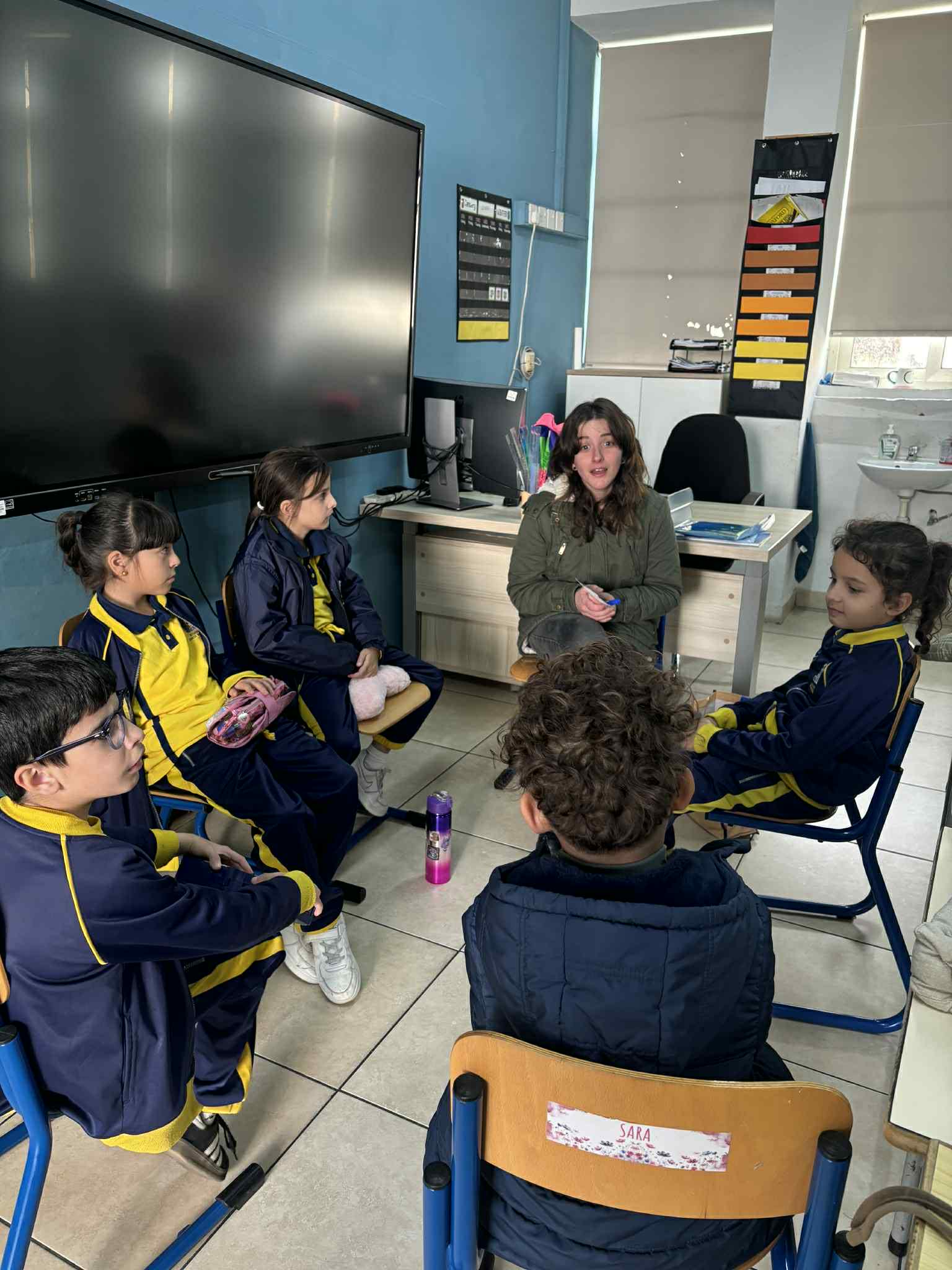
The initiative offers educational experiences supporting children beyond the classroom and which extend beyond the academic curriculum. Delivered across Klabb 3 – 16 centres in Malta’s southern and central regions, the sessions focused on fostering self-expression, creativity, mindfulness, and healthy living among children aged seven and above.
The programmes included:
Mindfulness for Children, helping participants strengthen emotional regulation, concentration, and mental wellbeing;
Creative Movement and Dance, encouraging self-expression, confidence, and physical health through artistic movement.
Each programme ran over two academic terms and was delivered by warranted practitioners in a safe, inclusive environment. The sessions were offered free of charge to ensure equal access for all children, irrespective of socio-economic background.
Glenn Bugeja, Head of Corporate Sustainability at HSBC Malta said: “This is such a meaningful initiative because it supports children’s well-being in a holistic way, nurturing both their personal and creative development. It’s wonderful to see the Foundation for Educational Services continuing to deliver these impactful programmes, and we are proud to stand behind their work for another year.”
Therese Ellul, representing the Foundation for Educational Services, expressed her appreciation, saying “HSBC Malta Foundation’s continued support has enabled us to expand the reach of our after-school well-being initiatives, ensuring that more children have access to creative, educational, and emotionally enriching experiences. This collaboration allows us to invest in Malta’s future by helping children develop skills that last a lifetime.”
The Foundation for Educational Services operates a range of community-based initiatives that promote learning, inclusion, and social development. Through this renewed partnership, the HSBC Malta Foundation continues its long-standing commitment to supporting education, sustainability, and community wellbeing across Malta.
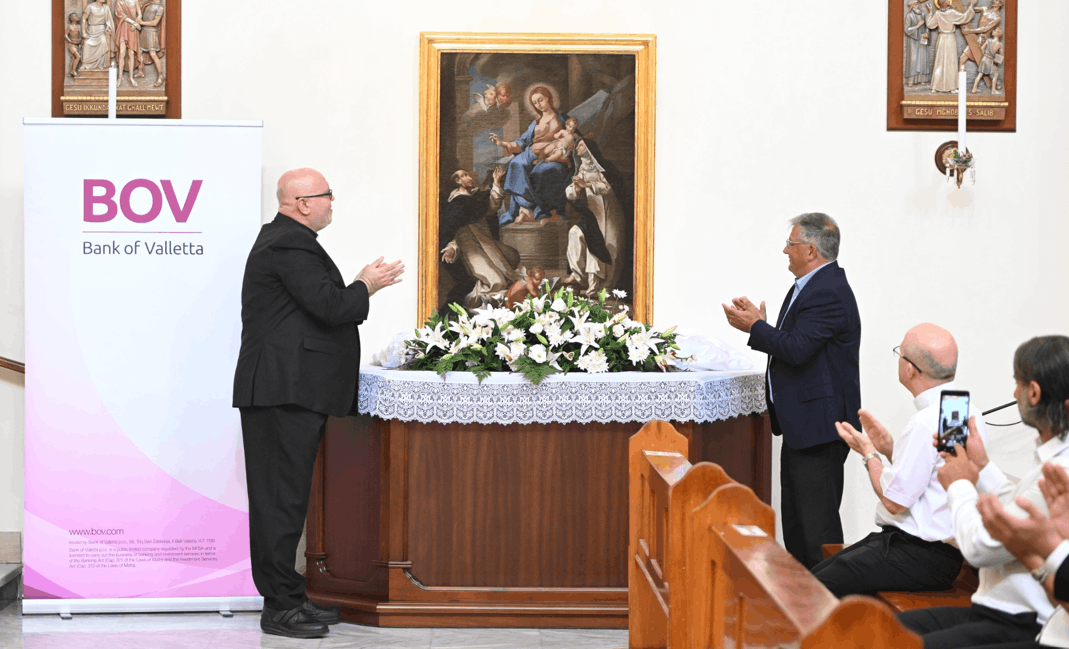
The BOV Foundation has supported the restoration of the painting of Our Lady of the Rosary at Maria Reġina Parish Church in Marsa, helping to preserve this 18th-century oil painting on canvas. Attributed to the school of Francesco Zahra, one of Malta’s leading painters of religious works, the painting reflects the rich character of the Maltese Late Baroque tradition.
The composition shows the Virgin Mary enthroned with the Christ Child and surrounded by angels, as she presents the Rosary to St Dominic, kneeling on the left in the distinctive black-and-white habit of the Dominican Order. A dog, one of his traditional symbols, appears at his feet. On the right, St Catherine of Siena is depicted in the Dominican habit, alongside symbols of prayer and contemplation, including a skull, an open book and lilies.
The conservation project was entrusted to PrevArti’s team, whose careful intervention has given the painting renewed clarity and presence. Pierre Bugeja, Founder and Senior Conservator at PrevArti, said the work had been urgently required following several earlier interventions over the years and was obscured by layers of overpainting.
Mr Bugeja explained that the process involved removing accumulated dust and dirt, the deteriorated varnish, and any previously applied retouching; consolidating areas where the paint layer had become detached; and strengthening the canvas support to strengthen the fibres. It also addressed deformations in the canvas support, while areas of loss were filled and levelled using restoration gesso. Mr Bugeja noted that the conservators used ethical and fully reversible techniques to minimise the visual impact of these losses on the artwork’s overall aesthetic. The project was thoroughly documented, with detailed records produced before and after the conservation process. It was completed with the construction of a new decorative gilt frame, produced using traditional methods and designed to complement the historic character of the restored painting.
The restored painting has now returned to Maria Reġina Parish Church, where it has been placed more prominently for parishioners and visitors to appreciate.
Speaking at the inauguration, Ernest Agius, Deputy Chairperson of the BOV Foundation and Chief Operations Officer at the Bank, thanked Pierre Bugeja and his team for their outstanding work. “The Bank and the BOV Foundation are proud to help yet another community preserve a work of art that reflects Malta’s rich cultural heritage and the devotion of its people,” he said. “Our support is a testament to our commitment to being a trusted partner to the communities we serve.”
Mr Agius also underlined the Bank’s wider role in safeguarding Malta and Gozo’s artistic patrimony, noting that culture and heritage form one of the five pillars guiding the purpose of the BOV Foundation. Through its work, the Foundation also supports initiatives in social inclusion, ethical conduct, education, and environmental sustainability. He added that these efforts are complemented by distinctive initiatives such as volunteering leave for staff members, recognising that giving back benefits both the communities supported by the Bank and the employees who dedicate their time to them.
HSBC Bank Malta today announced it has entered into a partnership agreement with FinanceMalta in support of the flagship London reception organised by the Malta Financial Services Advisory Council (MFSAC) and FinanceMalta, to be held on Wednesday 25 November 2026 at the Great Hall of the Guildhall.
The reception, which is being hosted for the fourth time, brings together senior stakeholders to promote Malta’s financial services sector internationally and to strengthen engagement with the UK market. The initiative also supports the wider momentum behind the sector’s national strategy, led through joint efforts by regulators and industry.
Geoffrey Fichte, HSBC Malta’s CEO said, “our bank has a long-standing commitment to supporting the island’s growth and its international connectivity. This partnership reflects our shared ambition to present Malta’s financial services offering with clarity and confidence on a global stage, and London remains an important place to do that.”
Mr Fichte added, “Events like the London reception help open doors for dialogue, investment interest and collaboration. They also give international audiences a practical sense of Malta’s capabilities, professionalism and long-term direction.”
Joseph Zammit Tabona, Chairman of the MFSAC commented, “We are grateful for HSBC’s continued support of this important initiative. The London reception is an invaluable opportunity to further promote Malta’s financial services overseas and to demonstrate the progress being made through the country’s focused Financial Services sector strategy as well as through the close cooperation between the public and private sectors driving implementation.”
George Vella, Chairman of FinanceMalta, said, “This partnership strengthens the platform we’ve built in London to connect Malta’s financial services sector with key international decision-makers. Showcasing our capabilities and the progress of our national strategy helps reinforce confidence in Malta as a forward-looking, well-regulated and collaborative jurisdiction.”
With a significant proportion of the original initiatives in the sector’s long-term strategy already delivered, the MFSAC is now working on an updated strategy for 2027 to 2032. Continued collaboration across the sector and key stakeholders will be important to sustain this momentum.
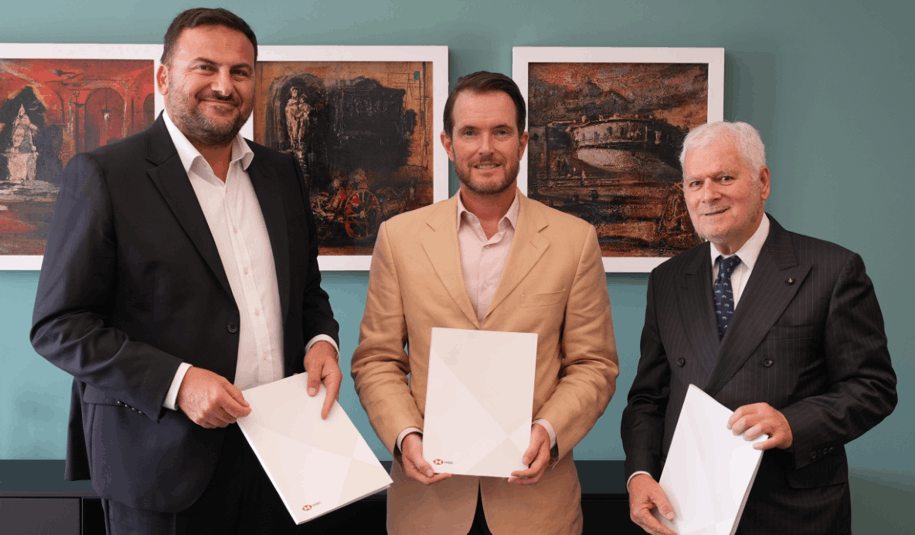
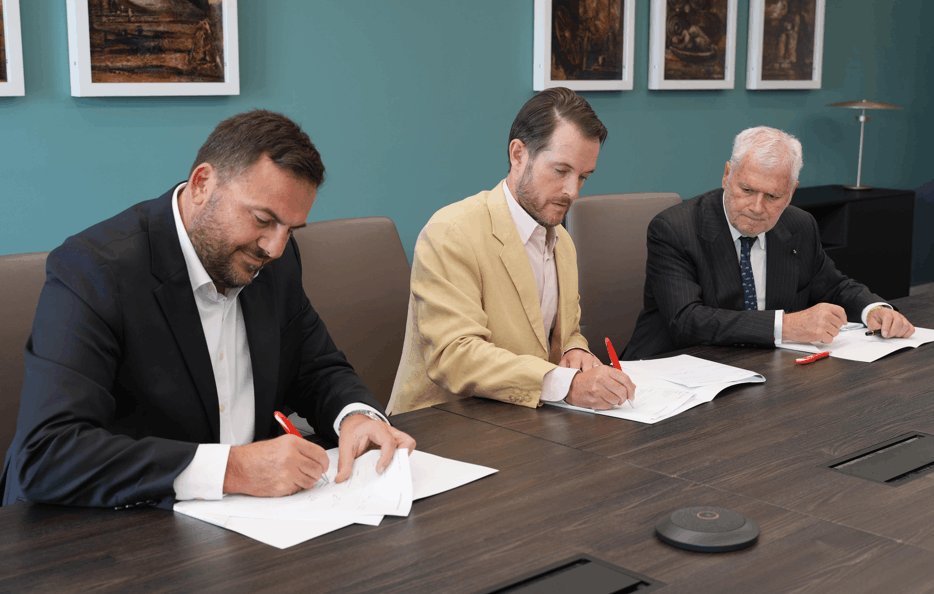
The partnership agreement was signed at HSBC Hub in Qormi, with HSBC Bank Malta, FinanceMalta and MFSAC now working closely together on the final event logistics arrangements ahead of the London reception in November.