Rediscover to Align: Over 115 recommendations for the tourism sector proposed by The Malta Chamber

More than 115 recommendations aimed at shaping the future of Malta’s tourism sector have been presented by The Malta Chamber of Commerce, Enterprise and Industry in collaboration with EY Parthenon. The proposals were developed through extensive consultation with tourism stakeholders from both the public and private sectors.

A central theme running throughout the recommendations is alignment—alignment between authorities and operators, between policy and practice, and between the brand Malta promotes internationally and the on-the-ground experience delivered to visitors.

The following are the top proposals (to view the full document click here):

• Shift Malta’s Tourism Narrative to Value over Volume
• Valletta & Gozo Marketed as Destinations
• Use Data to Manage Visitor Flows
• Strengthen Enforcement Against Unlicensed Listings
• Remove the Additional Two-Floor Planning Incentive for Hotels
• Stop development harming natural landscapes, heritage sites, and ODZ areas.
• Adopt a national aesthetics and landscape policy
• Reduce seasonality by expanding events, experiences, and travel segments that attract visitors year-round
• Strengthen cross-ministry coordination
• Establish a Tourism Resilience & Reinvestment Reserve (TRRR)

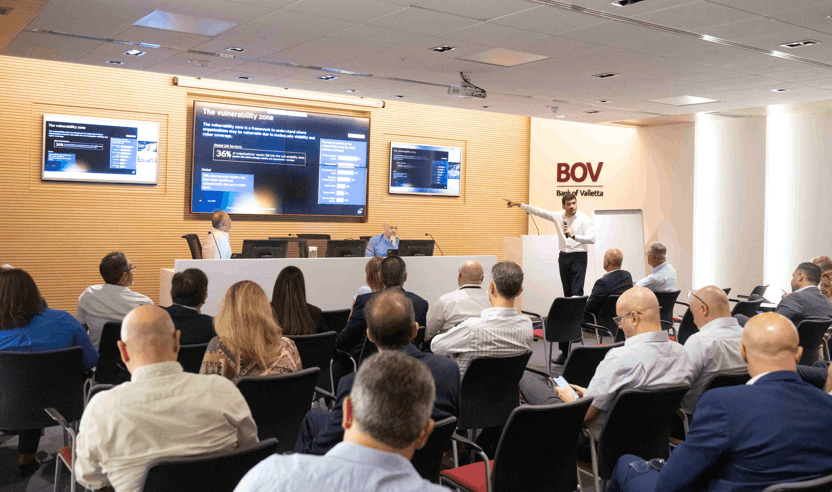
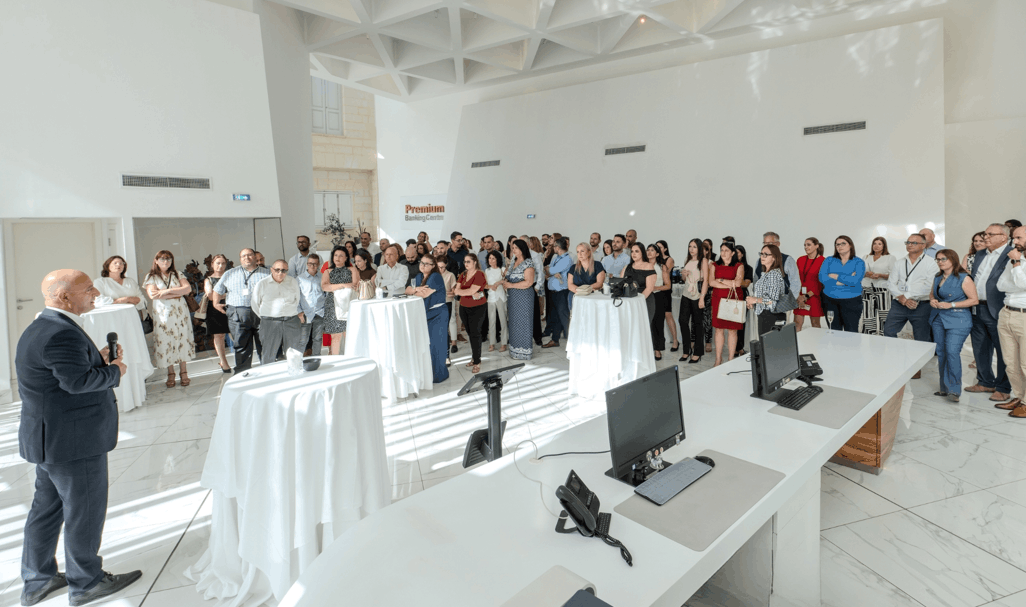
Opening the presentation, The Malta Chamber President, William Spiteri Bailey, emphasised the importance of managing the sector’s success responsibly.

“Success must be managed carefully. As the sector reaches this level of maturity, the conversation in the country should move from recovery to stewardship. We must ensure that our progress remains sustainable, safeguarding the authenticity of our islands while protecting the wellbeing of our communities and the resilience of our infrastructure,” he stated.

Alan Arrigo, Board and Council Member of The Malta Chamber, underscored the importance of alignment across the tourism ecosystem.

“Everything we’ve proposed is designed to do one thing: manage success through alignment. When government and authorities align planning and enforcement, operators compete on quality and authenticity, and communities are respected partners, success becomes sustainable: happier residents, higher-value visitors, cleaner and better-kept places, and a healthier year-round rhythm,” he said.
He added that focusing on more personalised and authentic experiences will help protect Malta’s communities and environment while easing pressure on infrastructure and strengthening the long-term sustainability of the industry.

Dr Marthese Portelli, CEO of The Malta Chamber, explained that the publication provides a comprehensive roadmap for the sector’s next phase of development.

“This document brings together data, international trends and extensive consultation across the tourism ecosystem to provide a strategic framework for the sector’s next phase. It aims to guide Malta towards a model that prioritises value over volume, strengthens governance and coordination, invests in human capital and innovation, and safeguards the natural, historical and cultural assets that define the Maltese tourism experience,” she stated.

Dr Portelli emphasised that tourism must be understood as a national endeavour extending beyond the industry itself. “At its core, this publication recognises tourism as a national endeavour that extends beyond the industry itself. It intersects with urban planning, infrastructure, culture, environmental stewardship and community wellbeing,” she concluded.

Commenting on the strategic approach behind the framework, Chris Meilak, EY Partner and Economist, explained that the initiative focuses on guiding Malta towards a sustainable tourism model.

“Rediscover to Align is about managing success to achieve a sustainable, authentic and resilient tourism future. EY was pleased to support The Malta Chamber in this process by translating evidence, stakeholder insight and global tourism trends into a practical framework that helps Malta protect what makes it unique while strengthening tourism’s role as a sustainable driver of economic value,” he said.

Glenn Fenech, EY Senior Manager and Economist, noted that while Malta’s tourism sector has achieved remarkable growth, the next phase must focus on improving outcomes rather than simply increasing numbers.

“Tourism has been one of Malta’s great success stories – we should be proud of these achievements and at the same time be aware of the responsibility this brings. This strategy recognises that the next phase for tourism needs to view visitor numbers in terms of better outcomes — for communities, for the economy, and for the quality of the experience Malta offers,” he highlighted.

BOV Colour My Run highlights community well-being with Richmond Foundation

Part of the proceeds from the latest BOV Colour My Run were donated to Richmond Foundation, supporting the NGO’s ongoing work to promote mental well-being across the community.

The 5K fun run took place in November 2025 and was organised by X-Tribe in collaboration with Colour My Run Malta. It also formed part of the Bank’s well-being challenge, which encourages a more balanced approach to physical, mental and financial health. Part of the proceeds of the event went directly to Richmond Foundation, alongside a donation from Bank of Valletta and contributions from co-sponsors.

BOV CEO Kenneth Farrugia presented the donation to Richmond Foundation CEO Daniela Calleja Bitar during a visit last week, in the presence of Nathan Farrugia, Founder of X-Tribe and Daniel Magrin, Head of Marketing and Product Lifecycle Management at Bank of Valletta.

The Bank’s well-being challenge is about making healthy choices easier to stick to, including  looking after your body, taking care of your mind, and staying on top of your finances. By partnering with organisations working in wellness and community support, BOV aims to encourage small, practical steps that can make a real difference.

Kenneth Farrugia said, “We talk a lot about well-being, but it really comes down to everyday life;  how we feel, how we cope, and the support we have around us. That’s why we’re proud to back Colour My Run and Richmond Foundation’s work, and to keep encouraging open, stigma-free conversations about mental health. When we pull together as a community, we can make a lasting difference for people and families across Malta.”

Nathan Farrugia, founder of X-Tribe, said the aim is to make movement feel open to everyone. “Mental health is something we all must safeguard. We truly believe that physical and mental health go hand-in-hand and one can be leveraged to boost the other. Our organisation is keen to support the work of the Richmond Foundation in this space, through our Colour My Run event. In this way, not only does this event create joy in the moment, encourage outdoor physical activity and gets families to enjoy time together; it also supports financially. We therefore hope that this event, and others like it, continue to be a trigger for mental health awareness through physical activity.” 

Richmond Foundation CEO Daniela Calleja Bitar said: “Colour My Run continues to highlight the strength of our community when it comes together for mental health. This event is a powerful example of what meaningful collaboration can achieve. We sincerely thank Bank of Valletta, sponsors, partners, and the organisers X-Tribe for their invaluable support and commitment to help us continue raising awareness and promoting mental wellbeing, while reminding everyone that no one has to face their challenges alone.”

Understanding the State of Family Businesses in Malta

The Family Business Thematic Committee within The Malta Chamber, together with the Family Business Office and with the professional assistance of EMCS, has commissioned updated research to gain a clearer and more comprehensive understanding of the current situation of family businesses in Malta.

This study aims to explore a range of key areas that are particularly relevant to family-owned enterprises, including governance structures, succession planning, strategic priorities, operational challenges, and the overall outlook for the future. By gathering insights directly from family businesses, this research will provide a reliable picture of the realities, opportunities, and pressures that these businesses face today.

CLICK HERE TO START SURVEY

Your participation is extremely valuable. The information collected will help shape evidence-based policy positions, inform targeted support initiatives, and guide the development of training programmes specifically designed to address the needs of family businesses in Malta. The findings will contribute to ensuring that future policies and support mechanisms are grounded in the real experiences of family-run enterprises.

All responses will be treated with the utmost confidentiality. Individual responses will not be disclosed, and all data will be analysed and reported in aggregate form only.

By taking part, you will be contributing to a stronger understanding of the family business landscape in Malta and helping to ensure that the voice of family businesses is accurately represented in future policy and support initiatives.

The Malta Chamber and PTL Limited Sign Alliance Agreement to promote Technology for Business

The Malta Chamber of Commerce, Enterprise and Industry and PTL Limited have signed a strategic alliance agreement aimed at promoting the adoption of technology-driven solutions within Malta’s business community. The collaboration seeks to strengthen competitiveness, enhance productivity, and support sustainable economic growth through innovation.

Through this partnership, PTL Limited will collaborate closely with The Malta Chamber in proposing forward-looking solutions and ideas that empower businesses to harness technology more effectively. The alliance will focus on identifying practical strategies that improve operational efficiency, create value for society, and act as a catalyst for innovation across various sectors of the economy.

Ahead of the signing, President of The Malta Chamber, William Spiteri Bailey, stated that “this alliance with PTL Limited reinforces The Malta Chamber’s commitment to equipping Maltese businesses with the technological tools and strategic insights necessary to remain competitive in an increasingly digital world. By combining PTL’s technical expertise with the Chamber’s policy leadership and network, we aim to foster innovation, drive productivity, and deliver tangible value to our members and to society at large.”

CEO of The Malta Chamber, Dr Marthese Portelli, added that “this agreement reflects The Malta Chamber’s strategic vision to place the use of technology at the core of Malta’s economic development. By fostering strong partnerships with industry leaders such as PTL Limited, we are ensuring that businesses of all sizes are supported in their digital transformation journey. Our goal is not only to enhance operational performance, but to build a resilient, knowledge-driven economy capable of competing successfully on the international stage.”

PTL Limited Managing Director Lorn Chetcuti stated that “PTL Limited is honoured to formalise this alliance with The Malta Chamber at a defining moment for Malta’s digital evolution. As custodians of critical national systems and long-term technology partners to both public and private sectors, we view this collaboration as a catalyst to accelerate innovation, strengthen internationalisation, and elevate Malta’s digital footprint beyond our shores.

By combining PTL’s engineering depth, governance-driven delivery and resilient infrastructure capabilities with the Chamber’s policy leadership and national reach, we aim to unlock new opportunities for productivity, competitiveness, and exportable innovation. Together, we will shape a future-ready digital economy that positions Malta as a confident, credible and globally competitive hub for advanced technology and sustainable growth.”

The agreement was signed by William Spiteri Bailey and Dr Marthese Portelli, President and CEO of The Malta Chamber respectively, and Lorn Chetcuti, MD of PTL Limited.

BOV marks International Women’s Day

In the lead‑up to International Women’s Day, Bank of Valletta recently held a workshop focusing on recognising domestic violence red flags, underscoring the Bank’s commitment to advancing safety, dignity, and equality at work. The session focused on equipping people with awareness and the confidence to recognise potential warning signs and respond in a manner that is safe, respectful, and supportive.

The workshop, delivered at the BOV Centre Conference Hall, was led by Samantha Pace Gasan, Commissioner on Gender‑Based Violence and Domestic Violence, and was organised by the Bank’s Domestic Violence Awareness Sub‑Committee in collaboration with the Commission. It was targeted at team leaders, recognising the important role that people play in recognising warning signs and supporting colleagues in times of need.

Ray Debattista, Chief People and Culture Officer, participated in the session and highlighted the importance of creating an environment where colleagues feel supported. “A safe workplace is not only about physical safety. It’s also about ensuring that people are treated with care and dignity. Through these sessions we are strengthening a culture where colleagues can seek help with confidence and where support is handled with sensitivity and respect,” he said. 

Speaking about the wider impact of workplace awareness, Samantha Pace Gasan noted the important role that organisations can play in offering the right support to their people. “Domestic violence doesn’t always stay behind closed doors. It can surface in patterns that we may notice first at work. When leaders understand what warning signs to look out for, and how to respond adequately, workplaces can become a safer bridge to support,” she said.

Alongside internal education, the Bank also supports community‑facing initiatives focused on women’s empowerment and resilience. This holistic approach reflects the Bank’s belief that awareness, financial confidence, and supportive workplace cultures are closely linked, particularly in enabling women and vulnerable individuals to thrive both professionally and personally. The domestic violence workshop also marks the first DEI‑led session at the Bank specifically focused on education on domestic violence, with plans already in place to build on this effort and increase awareness throughout the rest of the year.

The Malta Chamber and GBC Host Information Session to Support Competitive and Resilient Growth for Gozitan Businesses

The Malta Chamber, in collaboration with the Gozo Business Chamber, organised an information session to help Gozitan entrepreneurs, managers, and employers understand how sustainability can be a key driver of growth and efficiency.

In his opening address, William Spiteri Bailey, highlighted that ‘sustainability is not a slogan. It is a framework for competitiveness, resilience and long-term prosperity’. He also shared 7 key reflections:

  1. Sustainability must be practical. It must translate into lower operational risk, stronger margins, better governance, and improved access to finance — not additional bureaucracy.
  2. Civil society and business organisations must be trusted partners in delivery. We are closest to our members and understand their day-to-day realities. When government collaborates meaningfully with representative bodies, implementation improves and results are measurable.
  3. Gozo faces structural realities that Malta itself already struggles with. Malta operates within the constraints of insularity. Gozo faces the challenge of double insularity. Distance increases costs. It limits economies of scale. It restricts labour mobility and access to specialised services.
  4. Compliance burdens weigh more heavily on small and medium-sized enterprises. In larger jurisdictions, companies may have dedicated compliance teams. In Gozo, many businesses operate with lean structures. The same regulatory requirement thus incurs a disproportionately higher cost.
  5. Access to talent continues to be a key challenge. As highlighted in the latest EY Malta Attractiveness Survey 2025, skills shortages are now seen as the biggest threat to Malta’s competitiveness. In Gozo, this issue is even more pronounced. We need to enhance vocational pathways, digital skills, and sector-specific training that reflect Gozitan realities.
  6. Connectivity — both physical and digital — is essential. Sustainable growth in Gozo relies on effective transport links, dependable logistics, and top-tier digital infrastructure. Without these, the island’s ability to progress up the value chain is limited.
  7. Productivity must remain central to the discussion. Sustainable growth isn’t about doing the same things, but about doing them better. This involves digitalisation, process optimisation, improved planning, and coordinated enforcement — areas we have strongly highlighted in our Pre-Budget 2026 proposals under Envision 2050.

Michael Galea, Gozo Business Chamber President, emphasised that the green transition must not be viewed purely as a compliance obligation. It must remain practical, phased and business oriented.  “If approached intelligently, it becomes a driver of competitiveness, efficiency, and long-term resilience for our enterprises.  Sustainability and competitiveness must move forward together,” he said.

Ivan Falzon, CEO of the Gozo Regional Development Authority (GRDA), noted that sustainability is fundamentally about adaptation and resilience, qualities that are particularly relevant given Gozo’s distinct vulnerabilities, including its insularity, limited infrastructure capacity, and heightened exposure to supply chain disruption and resource constraints. “It is essential that businesses are aware of the obligations and opportunities ahead, and that adaptation is approached in a manageable, proportionate manner. This includes considerations around sustainability in supply chains, procurement decisions, and internal resource management.” he stated.

“The Agency schemes will align with the new legislation wherein eligibility will now be in terms of energy consumption rather than enterprise size or Nomenclature of Economic Activities (NACE Code). Notwithstanding, the Agency will continue to provide aid to promote energy and water conservation principles without disrupting the economic activity”, said Mark Anthony Callus, Professional Officer at the Energy and Water Agency

“The recast Energy Efficiency Directive mandates a shift in energy audit obligation from one depending on enterprise size towards one dependent on energy consumption. New legislation now mandates all enterprises exceeding a total 10 of Terajoules (TJ) to undertake an energy audit. Enterprises whose consumption exceeds 85 TJ will also be required to implement an energy management system.” highlighted Matthias Agius, Professional Executive at the Energy and Water Agency.

Alison Mizzi, Director (Advisory Service) at EMCS delivered a presentation on ‘Sustainable benefits and opportunities: available EU and National Schemes for Businesses’. “Gozo’s enterprises are well‑positioned to benefit:  the support exists, it is practical, and it is accessible. I encourage businesses to take the next step and translate these opportunities into long‑term competitiveness and resilience,” she noted.

This initiative was part of The Climate Funding 4 Cities – Gozo Idea Competition, managed by GRDA, which welcomed submissions supporting climate mitigation, strengthening community resilience, and promoting greener practices across the island. The aim was to empower local actors to develop projects that effectively reduce emissions, encourage sustainable behaviour, or enhance the island’s environmental capacity. It was funded following a successful application by The Malta Chamber for the available grant. 

BOV & the Malta FA sign a Memorandum of Understanding

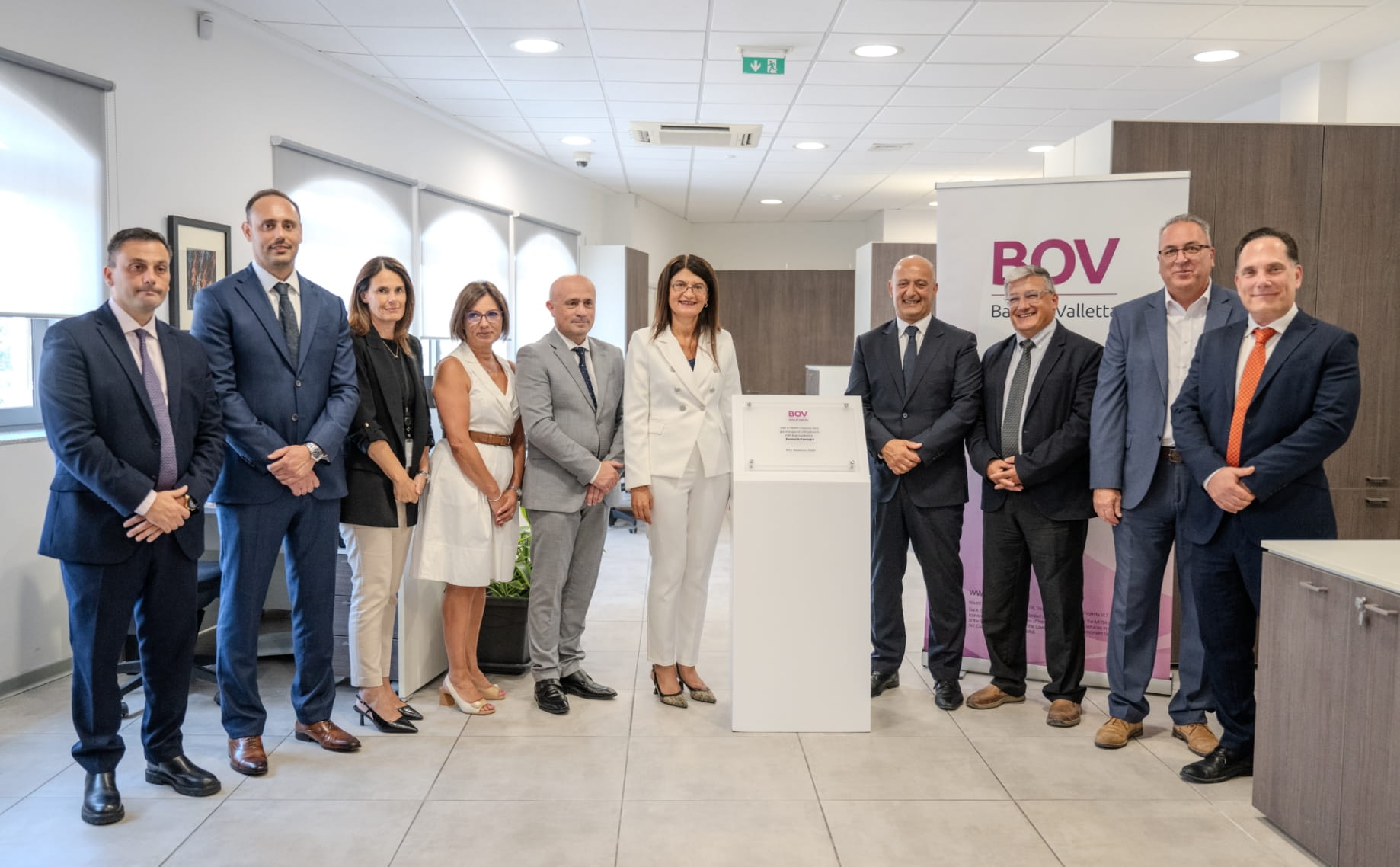
Bank of Valletta and the Malta Football Association signed a Memorandum of Understanding to improve resilience against financial crime risk through collaborative efforts in information sharing, education, and risk awareness in the sports discipline of football.

The Memorandum of Understanding was officially signed by Kenneth Farrugia, Chief Executive Officer of Bank of Valletta; Bjorn Vassallo, President of the Malta FA; and Dr Maria Azzopardi, General Secretary of the Malta FA, in the presence of Ryan Caruana, Group Chief Anti-Financial Crime Officer and MLRO at BOV, and Dr Herman Mula, Malta FA Legal, Integrity and Prosecutor.

The agreement, spanning over a period of three years, is designed to strengthen resilience against financial crime through a series of joint initiatives focused on public education and awareness, to mitigate financial crime risks in sport. These include, amongst others, campaigns highlighting various forms of scams and promoting good sports governance. With this MoU, Bank of Valletta and the Malta Football Association also aim to facilitate a regular and secure exchange of information and typologies related to financial crime risks, strengthen investigative capabilities through shared expertise and training, and improve customer protection mechanisms through collaborative innovation.

Speaking during the signing event at the Malta Football Association, Bank of Valletta CEO Kenneth Farrugia emphasised the importance that such an agreement can have on the wider community. “Today’s agreement underscores our commitment to fostering a governance culture that places AML and KYC principles at its core. Football clubs, like all organisations operating within the financial system, must uphold robust standards of transparency, integrity, and accountability. Strengthening these foundations is essential not only to protect the sport from financial crime risks, but also to safeguard its reputation and long-term sustainability.

Through this partnership with the Malta FA, we are taking a proactive role in supporting clubs and stakeholders to better understand and manage financial crime risks. By encouraging stronger due diligence practices, improving awareness, and promoting responsible governance behaviours, we aim to build a resilient environment where football can thrive free from the influence of illicit activity,” Mr Farrugia said.

Bjorn Vassallo, Malta FA President, noted that the contribution of a partnership like this today is very strategic, with an important purpose of knowledge sharing between both entities. “The outlining of the desirable outcomes in better governance, mainly in the financial crime area and risk awareness, will assist both organisations to maintain a forefront position, working through intelligence to ensure monitoring, analysis and processes are in place, thus creating a strong compliance through educational, innovative and joint initiatives.

We look forward to working more closely with Bank of Valletta to be able to promote aspects which mitigate abuse. Financial safeguarding is our main objective, and the Malta FA will continue to do its utmost in its football field so that regulatory standards are effectively met,” he said. This Memorandum of Understanding establishes a strategic partnership based on mutual trust and shared responsibility. It is the second such agreement signed by Bank of Valletta in 2026 as part of its ongoing efforts to combat financial crime. Earlier, in January, the Bank entered into a similar agreement with the Malta Police Force, with the aim to increase awareness on financial crime and strengthening the protection for both customers and society at large.

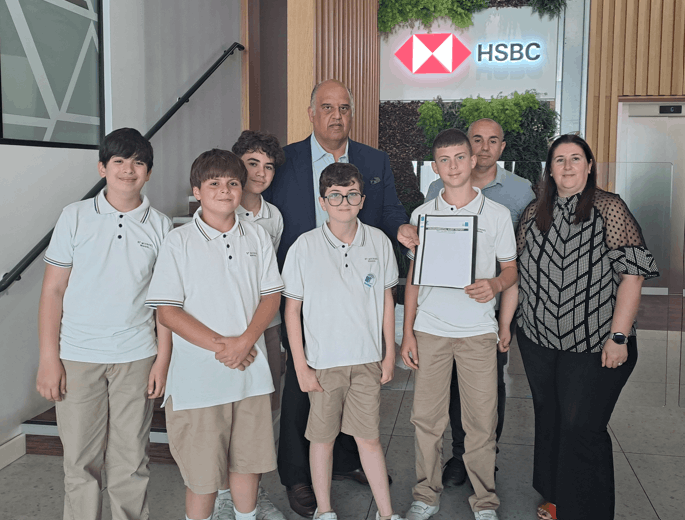
HSBC Malta Foundation supports technical upgrade at Teatru Salesjan in Sliema

HSBC Malta Foundation has extended its support to Teatru Salesjan, the oldest existing theatre in Sliema and one of the oldest working theatres in Malta, through the sponsorship of new professional-grade stage equipment aimed at enhancing the venue’s technical capabilities and safety standards.

The support enabled the theatre to install new electric motors and lighting trusses, critical infrastructure that will allow Teatru Salesjan to host more ambitious productions, safely elevate lighting and stage equipment, and provide young artists with access to a fully professional creative environment.

The donation builds on the Foundation’s ongoing commitment to education, culture and community development, and supports Teatru Salesjan’s broader mission of using the arts to promote inclusion, creativity, and cross-generational dialogue.

Geoffrey Fichte, CEO of HSBC Bank Malta, commented: “Teatru Salesjan holds a unique place in Malta’s cultural and social landscape, not only as a historic venue, but as a space where creativity and community come together. Our Foundation is proud to support this investment in technical infrastructure, which we believe will enable new opportunities for artistic expression and help empower future generations of performers, technicians and audiences.”

Peter Gingell, Theatre Manager at Teatru Salesjan, added: “We are deeply grateful to the HSBC Malta Foundation for their generous sponsorship for motors and lighting trusses recently installed at Teatru Salesjan. These motors, which elevate the trusses safely and efficiently, represent a vital investment in our theatre’s technical capabilities. This support goes far beyond infrastructure; it strengthens our commitment to nurturing creativity and providing the next generation with access to professional artistic environments. We hope this collaboration inspires other foundations to support the ongoing development of arts and culture within our community.”

This latest upgrade is part of a wider multi-year regeneration process at Teatru Salesjan, which has seen the transformation of the Sliema-based venue into a vibrant, inclusive cultural hub. The team is now finalising plans for a three-year programme focused on cultural education and social integration, ensuring that the theatre continues to serve as a platform for connection, creativity and opportunity.

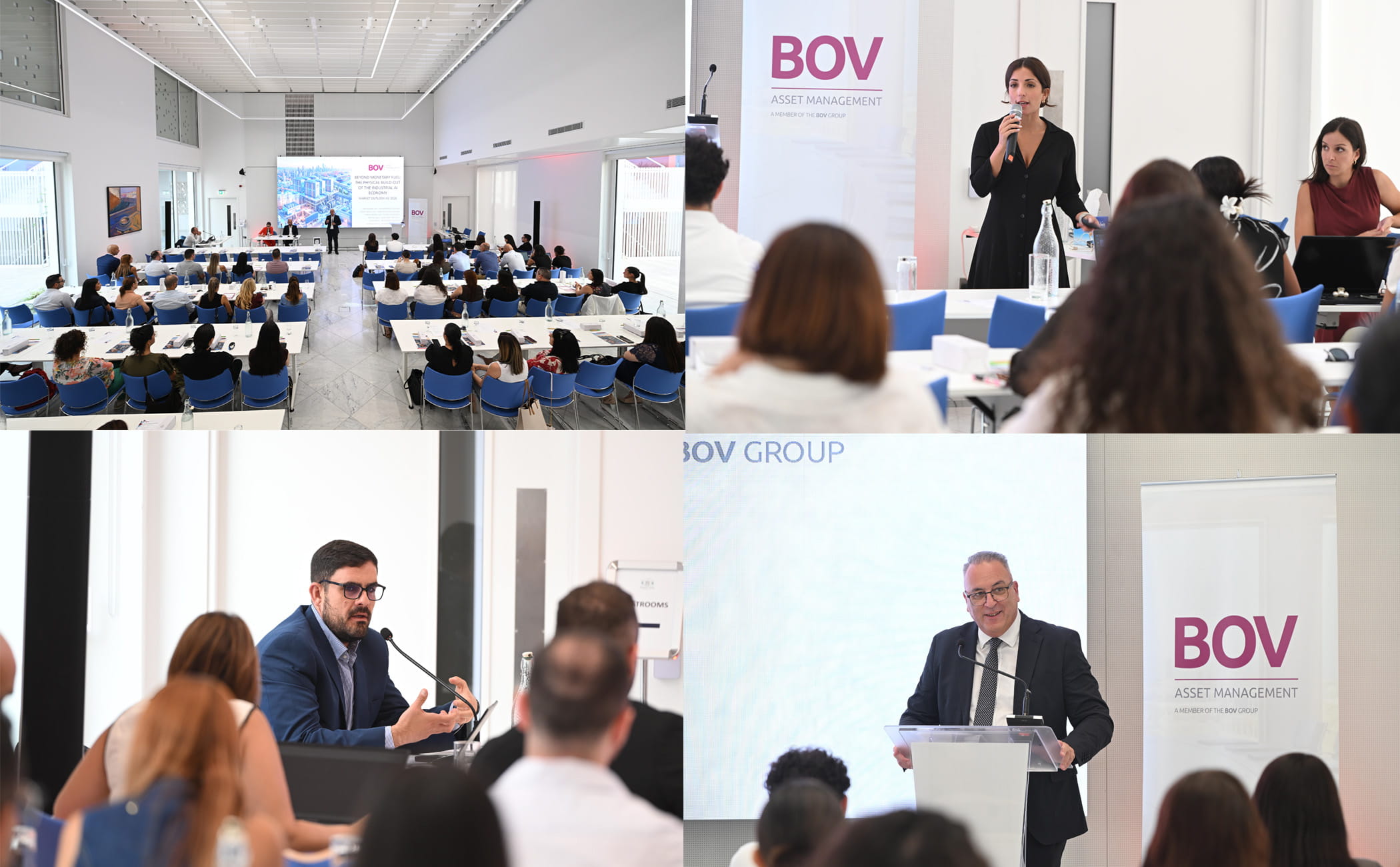
BOV Asset Management Funds deliver positive results in a volatile year

BOV Asset Management closed 2025 with solid results across its full range of investment funds, demonstrating resilience in a year marked by heightened uncertainty and sharp swings in global financial markets.

Commenting on the performance, Peter Paul Cilia, Head of BOV Asset Management, explained, “2025 reminded investors that market volatility is part of the journey. What matters most is staying focused on long-term goals. By maintaining a disciplined approach and investing across different assets, our funds were able to remain resilient and deliver positive results despite a challenging environment.”

Global markets experienced significant ups and downs throughout the year. Nevertheless, both equity and bond markets finished 2025 in positive territory. This resilience was reflected across all funds managed by BOV Asset Management, with almost every strategy recording gains over the period.

Several funds stood out for their strong performance. The Vilhena Global Themed Fund – USD Share Class recorded a return of 18.4%, supported by its focus on long‑term global growth themes. The Vilhena European Multi‑Manager Fund and the Vilhena US Multi‑Manager Fund – USD Share Class also delivered robust outcomes, each achieving returns of just over 15%.

The broader BOV Investment Funds range performed well across different risk profiles, highlighting the importance of diversification. The BOV Growth Portfolio Fund delivered double-digit returns, while the BOV Balanced Portfolio Fund – Accumulator Class Share and the BOV Conservative Portfolio Fund – Accumulator Class Share posted steady positive results. These funds are designed to support investors at different stages of life, whether they are building wealth, balancing growth with stability, or prioritising capital preservation.

Income-focused strategies also generated dependable outcomes during the year. The Vilhena Sterling Income Fund and the Vilhena High Yield Fund – Euro Accumulator Class Share both delivered positive returns, appealing to investors seeking regular income as part of a longer-term financial plan.

BOV Asset Management forms part of the wider BOV Group, one of Malta’s leading financial services providers. Through its investment funds and solutions, BOV Asset Management helps individuals and families grow and protect their wealth, underlining the importance of investing as a key element of long‑term financial well-being.

Investing over time can help individuals manage inflation, build financial security, and work towards future goals, even during periods of market uncertainty. By offering a range of funds with different risk profiles and investment objectives, BOV Asset Management aims to help investors stay invested, remain informed, and make confident financial decisions.