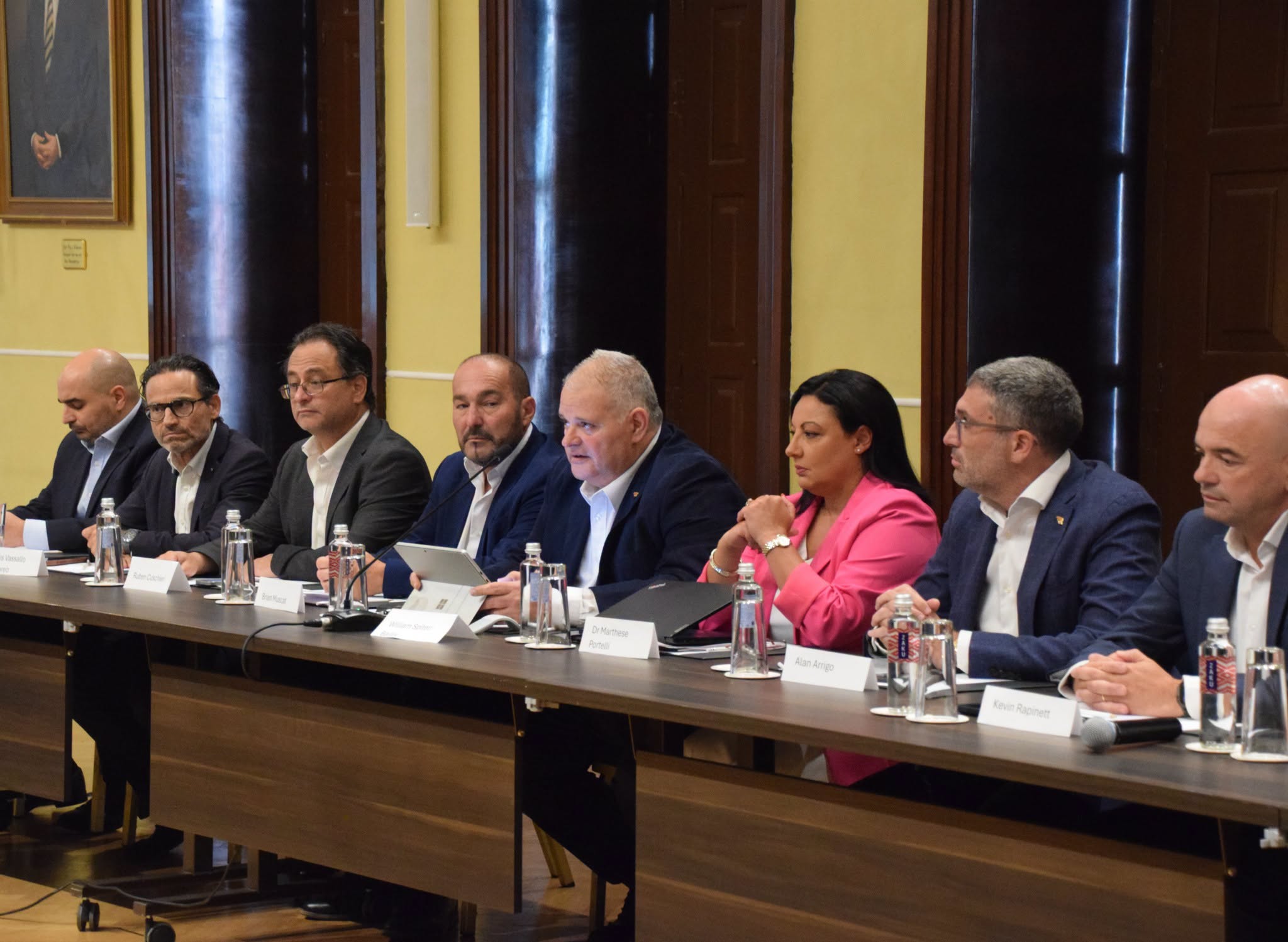
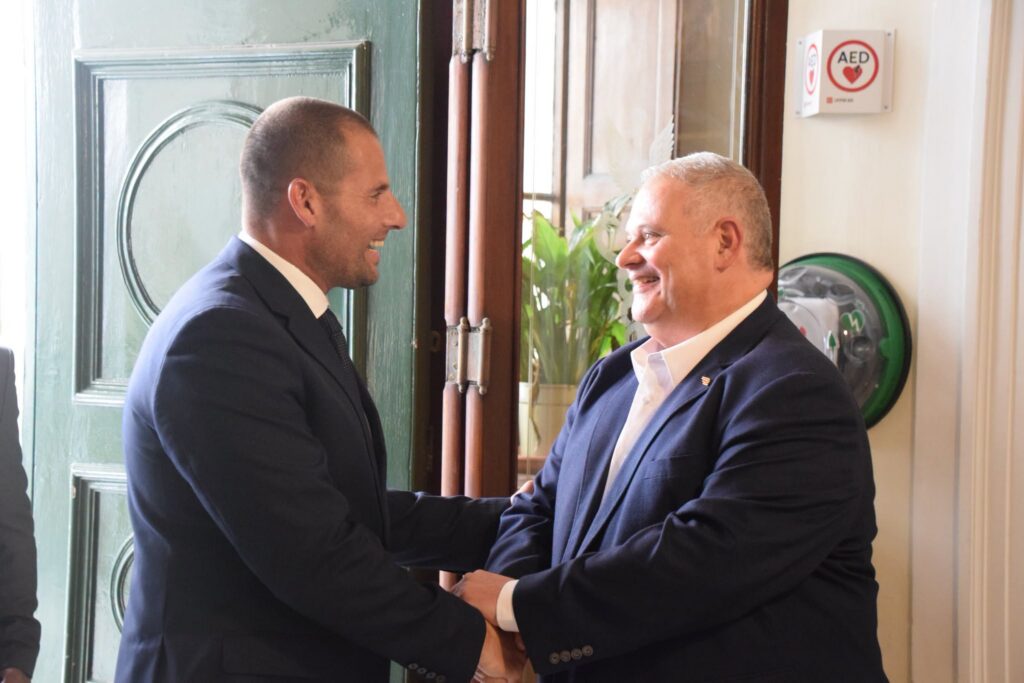
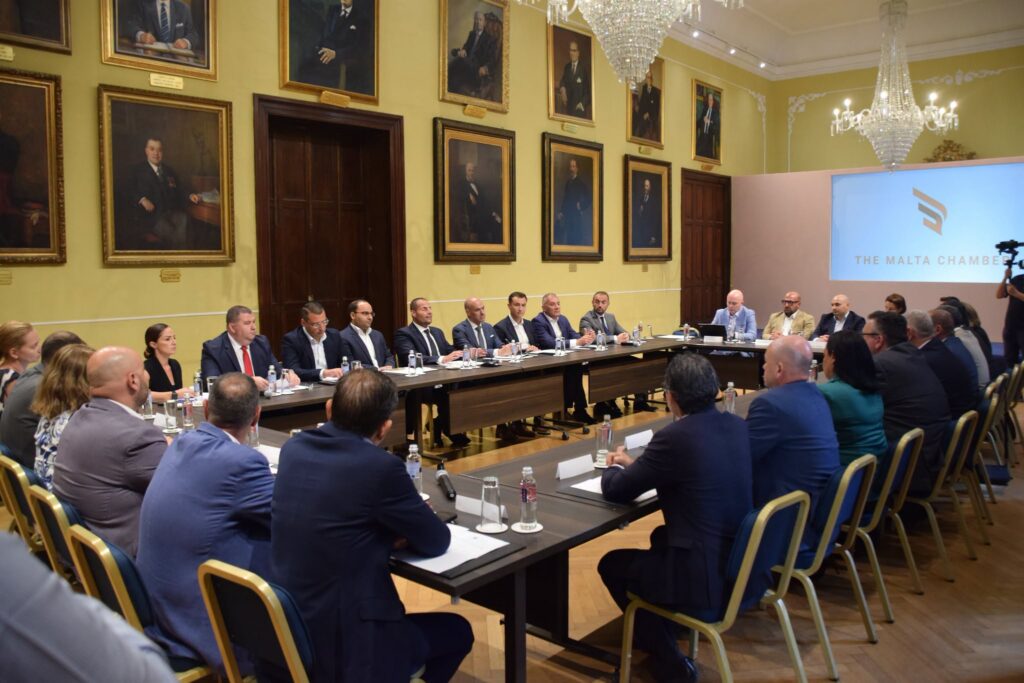
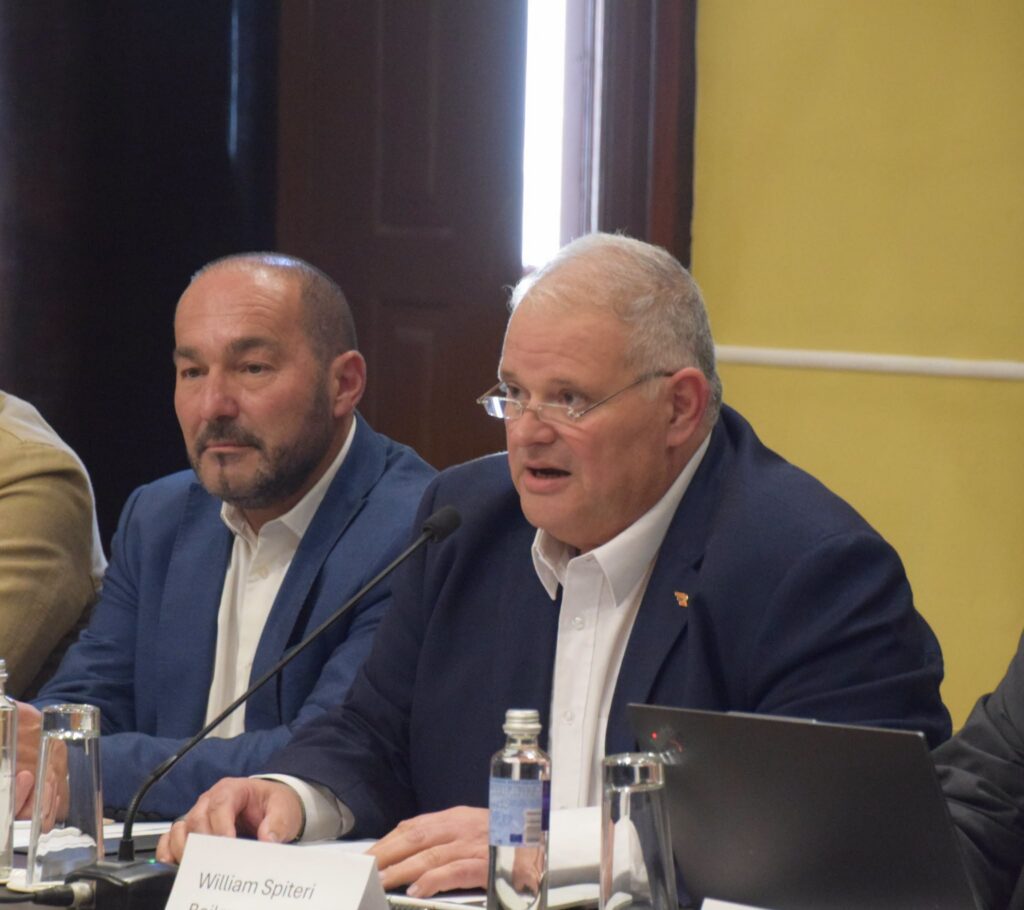
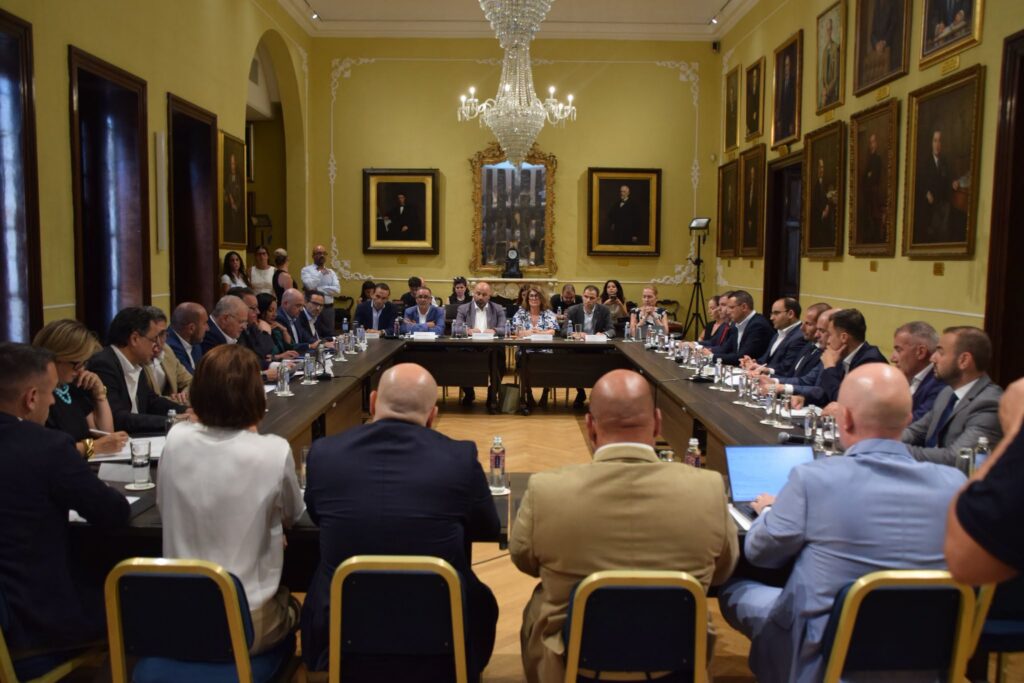
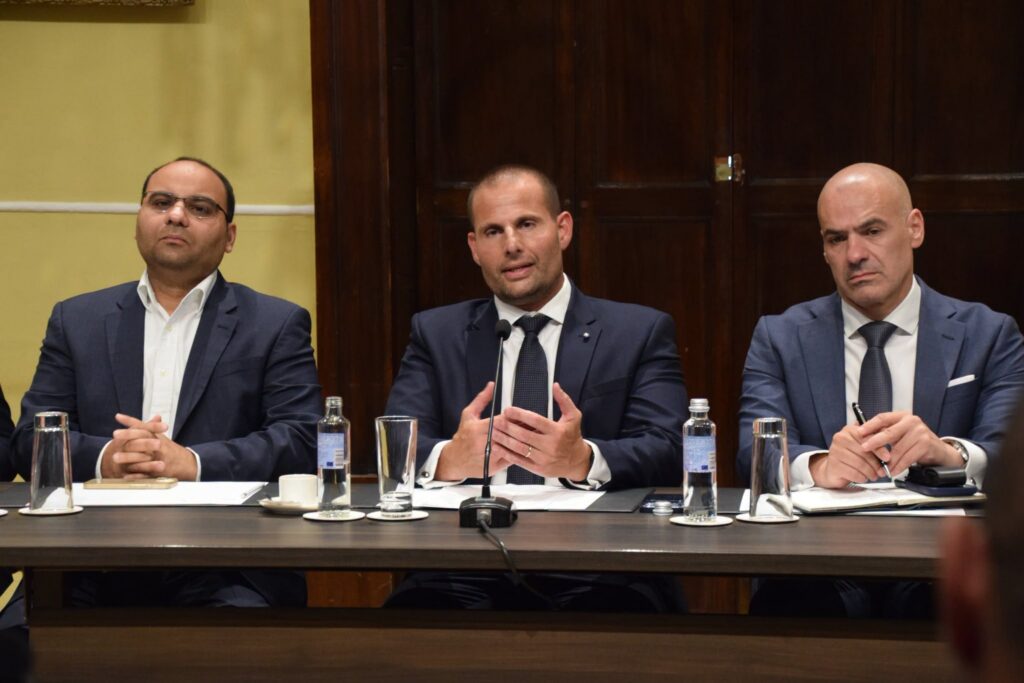
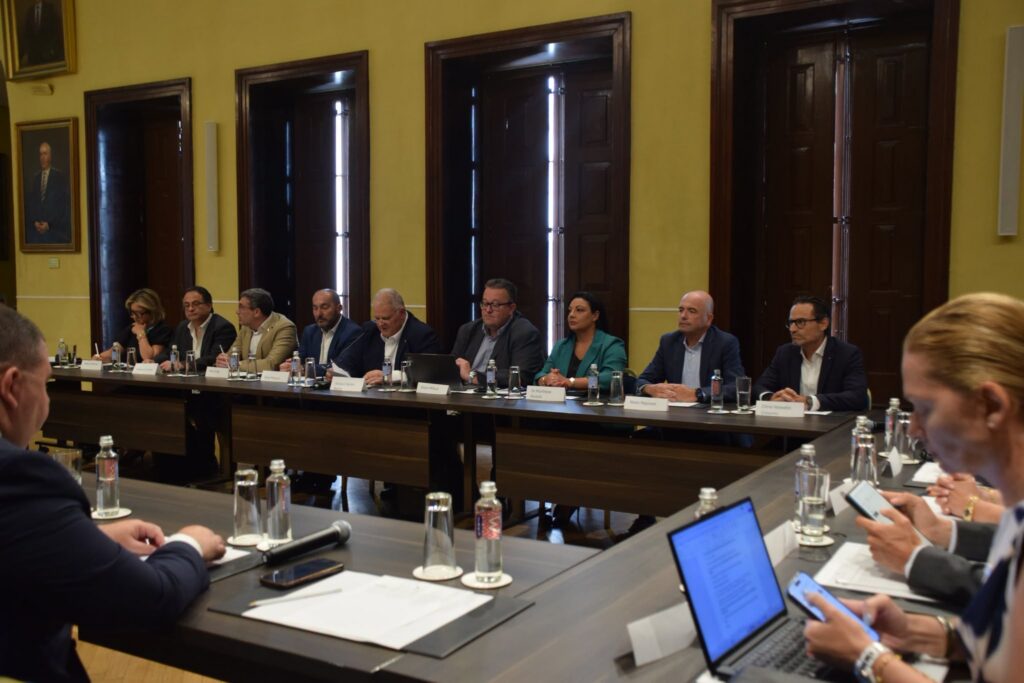
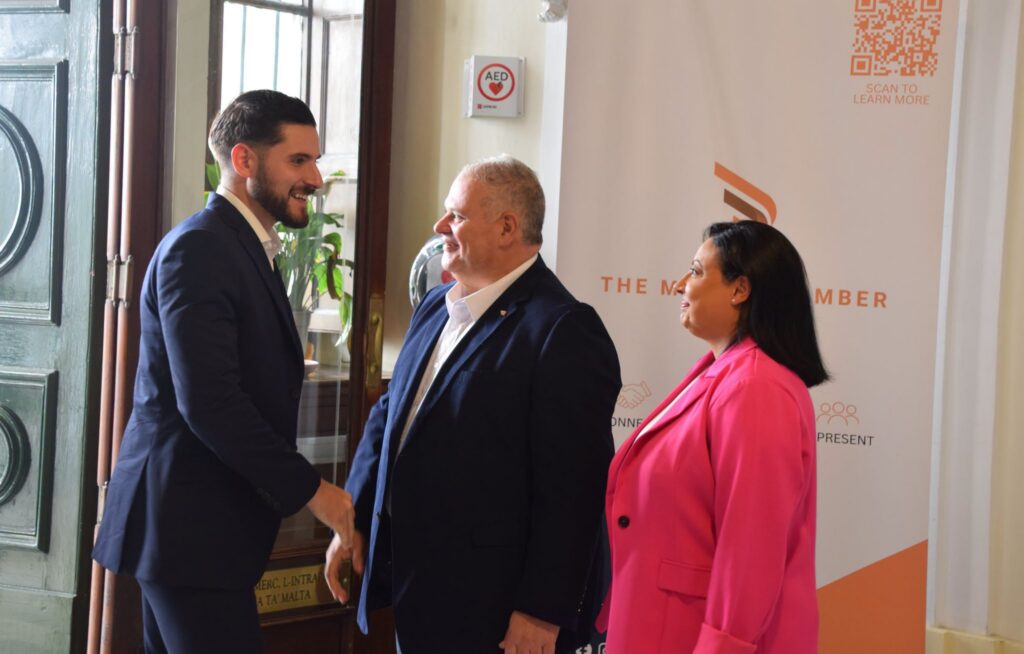
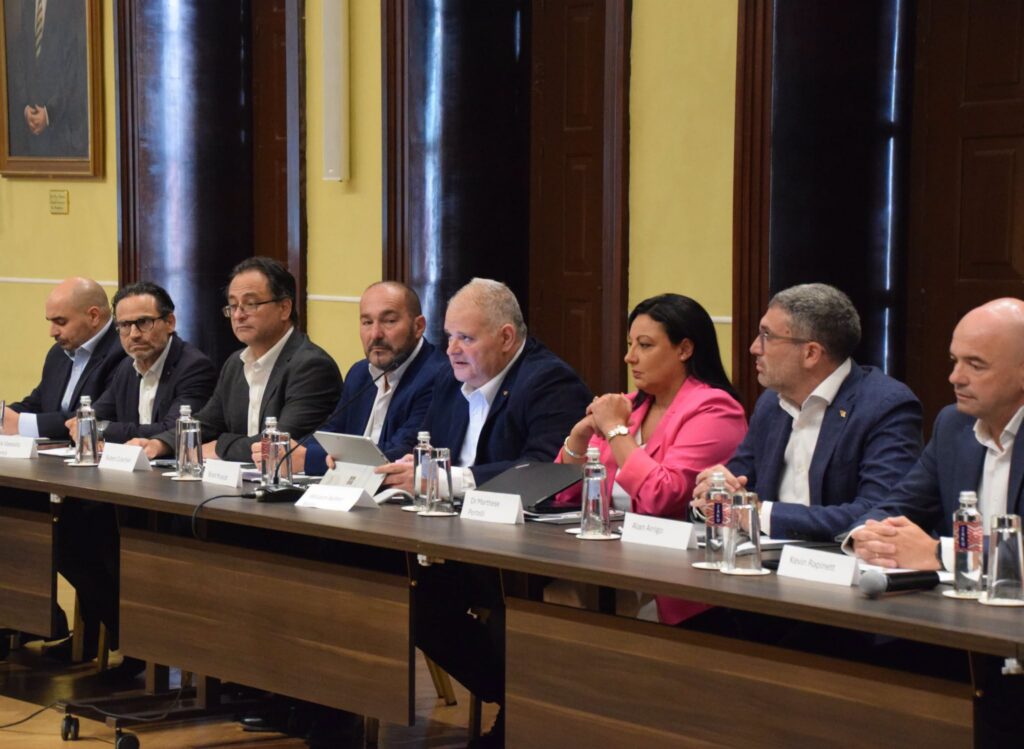
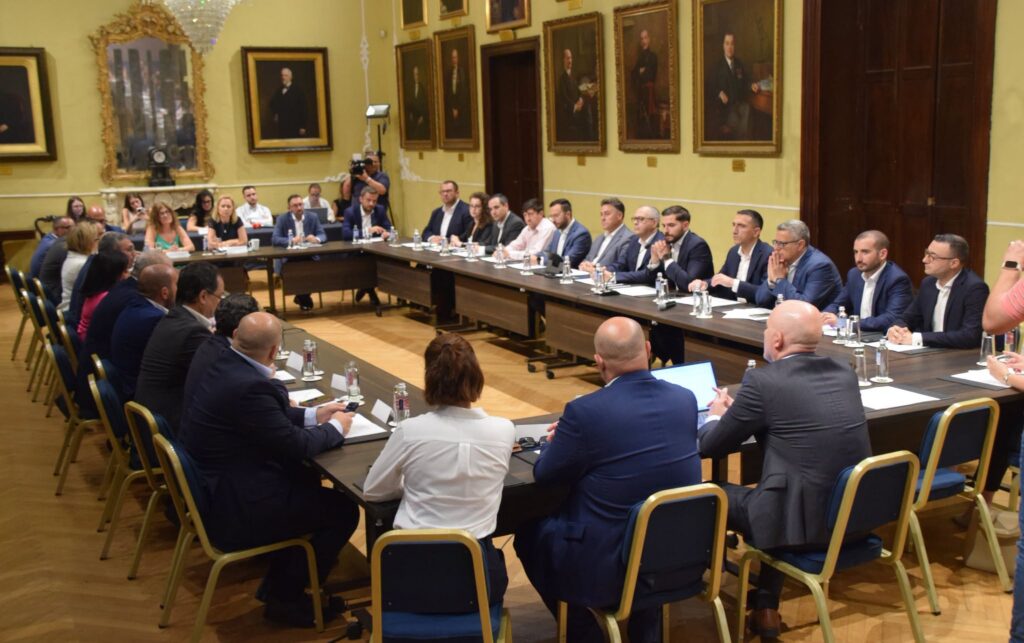
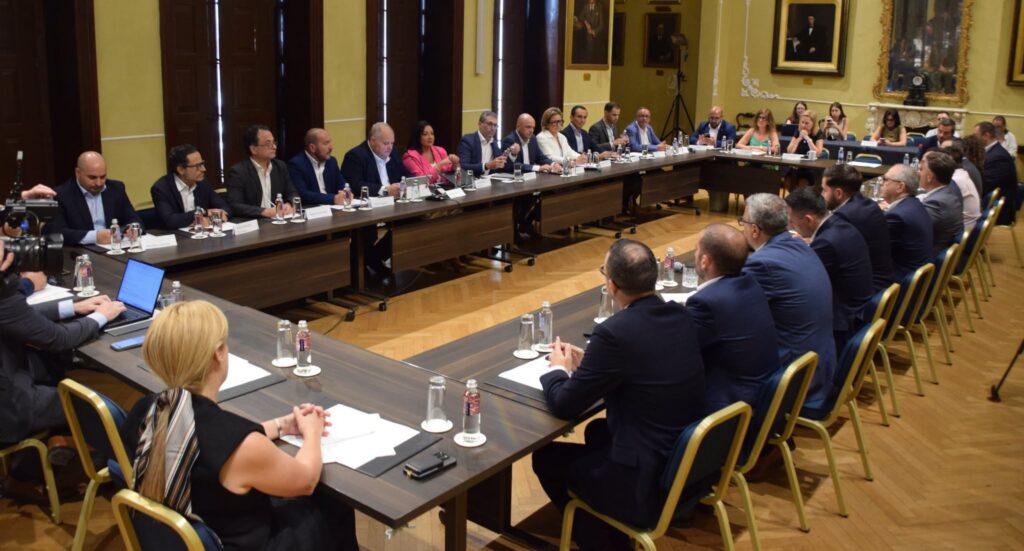
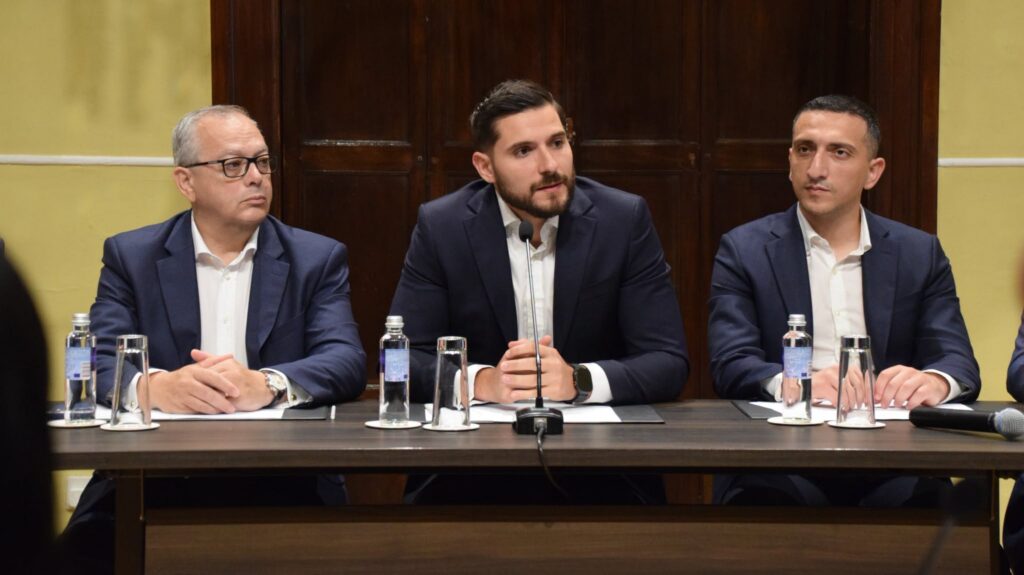
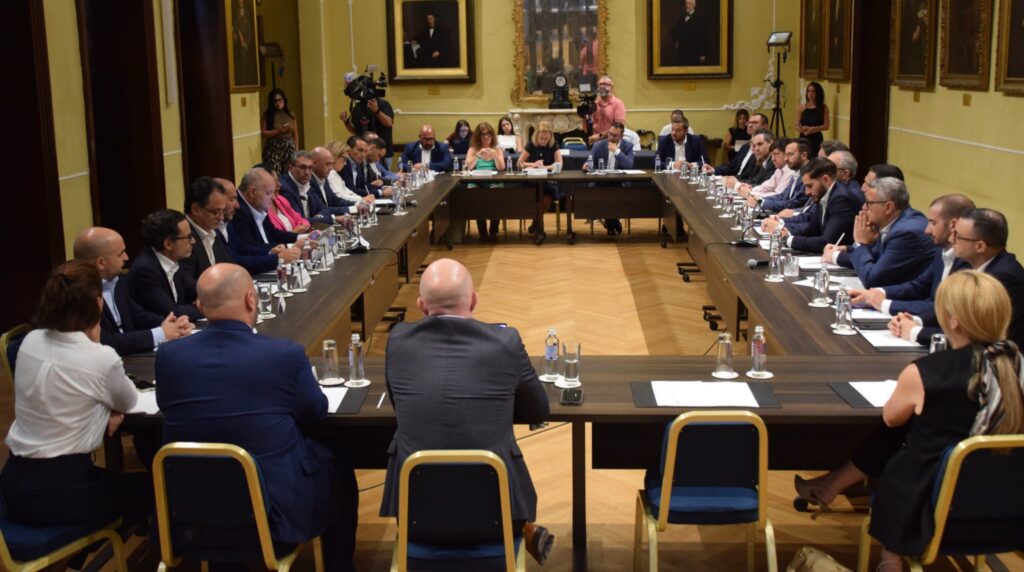
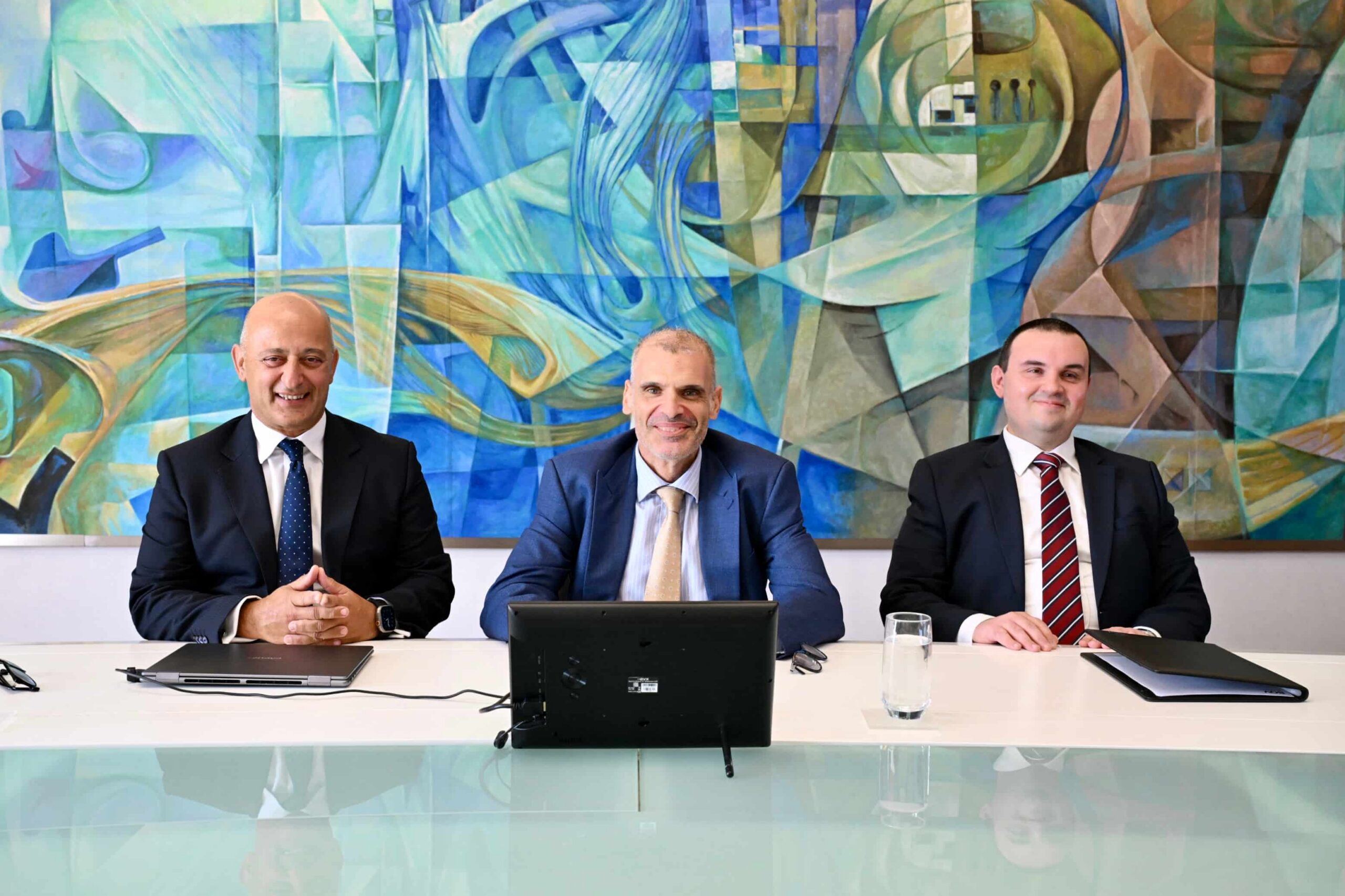
The Malta Chamber recently held separate high-level meetings with Prime Minister Robert Abela and several Government Ministers, as well as with Leader of the Opposition Alex Borg and several Shadow Ministers, as part of its ongoing engagement with Malta’s political leadership.
Led by President William Spiteri Bailey, The Malta Chamber Council used these meetings to discuss the key national priorities that will shape Malta’s future over the next five years. The discussions focused on a broad range of strategic issues, including Malta’s economic model, productivity, traffic, tourism and energy. Additional topics raised included education, infrastructure, planning, and the importance of transparency and good governance.
These meetings provided an important opportunity for constructive dialogue on the policies and reforms required to strengthen Malta’s long-term competitiveness and resilience. By engaging with both Government and Opposition representatives, The Malta Chamber reaffirmed its commitment to contributing meaningfully to national policymaking through evidence-based recommendations and collaboration.
The Malta Chamber remains committed to championing policies that promote sustainable economic growth while improving both the quality of work and the quality of life. Through continued dialogue with all stakeholders, it will continue to advocate for reforms that support businesses, strengthen the economy, and create lasting value for society.
Meeting with Prime Minister & Ministers
Meeting with Leader of the Opposition & Shadow Ministers
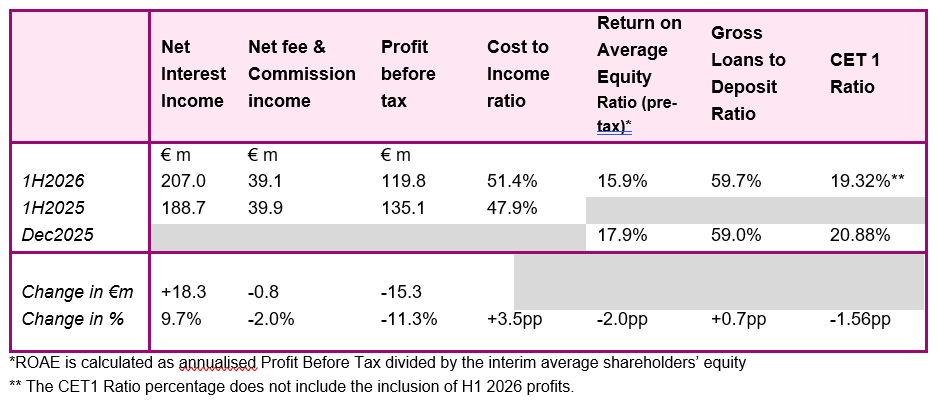
The Bank of Valletta Group registered a profit before tax of €119.8 million for the period between January and June 2026, compared with €135.1 million for the corresponding period in 2025. The result reflects a resilient first-half performance, supported by continued growth across the Group’s core banking activities, further strengthening of the balance sheet, sustained strategic execution and the successful completion of a landmark international capital markets transaction.
Against a backdrop of evolving market conditions, geopolitical uncertainty and continued investment across strategic, regulatory and technology initiatives, the Group continued to deliver solid underlying performance. Core operating income increased to €251.3 million, while net interest income rose by €18.3 million to €207.0 million, supported by growth in lending and treasury activities and demonstrating the strength of the Group’s earnings profile.
While profit before tax was lower than the exceptionally strong comparative period in 2025, the prior year benefited from favourable market conditions and certain non-recurring income items. The Group’s underlying operating performance remained strong, with the year-on-year decrease in profit before tax primarily reflecting higher impairment charges, less favourable fair value movements and the absence of those one-off benefits.
The Group continued to strengthen its balance sheet during the period, with total assets increasing by €1.1 billion, to exceed €17.6 billion, compared with the €16.5 billion at the end of 2025. Customer lending reached approximately €8.6 billion, while customer deposits increased to approximately €14.5 billion. These developments reflect the continued confidence placed in the Bank by households and businesses, and reinforce its role in supporting customers and the wider Maltese economy.
Reflecting the Group’s strong financial performance, capital position and confidence in its outlook, the Board of Directors approved an interim gross cash dividend of €51.6 million, equivalent to €0.0805 gross per share. This represents a net dividend of €33.6 million and a payout ratio of 42.5% of profit after tax.
Financial Performance
The Group remains firmly on track to achieve its FY2026 Profit Before Tax guidance of between €210 million and €250 million. Based on its performance during the first half of the financial year, management is satisfied that the Group continues to progress in line with expectations, underpinned by resilient earnings, sustained balance sheet growth, strong capital and liquidity positions, and ongoing improvements in asset quality.
Building on Strong Foundations for the Next Phase – Dr Gordon Cordina, Chairperson
“The first half of 2026 demonstrated the resilience of Bank of Valletta’s business model and the strength of the foundations built over recent years. Despite an operating environment characterised by heightened geopolitical uncertainty and evolving market conditions, the Group continued to generate strong results while maintaining the financial strength and flexibility required to support future opportunities.
During the period, we also achieved an important milestone through our second issuance in the international capital markets. The strong response from institutional investors reinforced confidence in the Bank’s financial standing, strategic direction and long-term prospects, while further strengthening our funding profile.
As we continue developing our strategy for the period 2027 to 2029, our focus remains firmly centred on sustainable growth, customer relevance, operational efficiency, risk discipline and long-term value creation. We remain committed to supporting the evolving needs of our customers and the Maltese economy, while delivering sustainable returns for shareholders and maintaining the resilience that has long characterised our organisation.”
Delivering Today, Investing for Tomorrow – Kenneth Farrugia, CEO
“Customer expectations continue to evolve rapidly, and our objective is to ensure that Bank of Valletta evolves with them. Throughout the first half of the year, we continued investing in the capabilities that will define the next generation of banking, with a strong focus on personalisation, simpler customer journeys and deeper, more meaningful relationships.
The continued rollout of our Omnichannel Banking Platform, together with significant progress in our Customer Relationship Management programme, is enabling us to create a more connected banking experience across every customer touchpoint. These investments are helping us move beyond traditional banking models towards a more proactive, relationship-driven approach that better anticipates customer needs and delivers greater value.
At the same time, we remain focused on strengthening the foundations that support long-term success, including operational resilience, cybersecurity, data capabilities and the development of our people. These are critical enablers of the Bank we are building for tomorrow; a Bank that remains firmly rooted in the trust of its customers while continuing to innovate, adapt and grow in a changing environment.”
A practical six-part series helping businesses harness AI, automation and digital technologies for sustainable growth
The Malta Chamber of Commerce, Enterprise and Industry is launching ‘The Malta Chamber Digitalisation Workshops’, a new six-part workshop series designed to help Maltese businesses understand, adopt and benefit from the latest digital technologies.
Running between 10 September and 29 October 2026, the workshops will provide business owners, directors and senior decision-makers with practical knowledge and real-world strategies to embrace digital transformation with confidence.
As businesses face increasing pressure to innovate, improve productivity and remain competitive, The Malta Chamber Digitalisation Workshops will cut through the hype surrounding digital technologies and focus on what really matters: how automation, data, artificial intelligence, cybersecurity and digital transformation can deliver measurable business value.
Rather than focusing on theory or technical jargon, every workshop has been developed to provide practical insights, live examples and actionable takeaways that participants can apply immediately within their own organisations.
President of The Malta Chamber William Spiteri Bailey said that, “Digitalisation is no longer optional. It drives competitiveness, strengthens business adaptability and supports sustainable growth. Through The Malta Chamber Digitalisation Workshops, we want to equip businesses with the knowledge and confidence to embrace new technologies, make informed investment decisions and unlock new opportunities for innovation and growth.”
The Malta Chamber Digitalisation Workshops Programme:
WORKSHOP 1 | 10 September 2026 Beyond the Buzzwords: Automation, IoT and AI Explained (All Sectors) Discover the differences between automation, the Internet of Things (IoT), intelligent operations and artificial intelligence, and learn how these technologies work together to improve efficiency, reduce operational costs and provide greater visibility across business operations. REGISTER HERE
WORKSHOP 2 | 16 September 2026 The Intelligent Factory: Turning Manufacturing Data into Better Decisions (Manufacturing Companies) Learn how manufacturing businesses can transform operational data into actionable insights to improve production planning, forecast demand, identify trends and increase efficiency. REGISTER HERE
WORKSHOP 3 | 22 September 2026 Predict What’s Next: Smarter Data for Retail and Distribution (Importers, Distributors and Retailers) Explore how predictive analytics can support better stock planning, improve customer retention, optimise marketing performance and identify new commercial opportunities. REGISTER HERE
WORKSHOP 4 | 6 October 2026 AI That Delivers: Growth, Innovation and Better Customer Experiences (All Sectors) Discover how generative AI, machine learning, AI agents and conversational technologies can drive business growth, improve customer engagement and create operational efficiencies. REGISTER HERE
WORKSHOP 5 | 19 October 2026 Transform Smarter: A Practical Roadmap for Digital Growth (All Sectors) Understand how to build a successful digital transformation strategy through ERP integration, software solutions, branding, web and mobile technologies, and user experience. REGISTER HERE
WORKSHOP 6 | 29 October 2026 Securing the Future: Cybersecurity, Cloud and Responsible AI (All Sectors) Learn how to build secure digital businesses by understanding cybersecurity, cloud technologies, responsible AI and the governance needed to manage digital risks. REGISTER HERE
The workshops are open to businesses across all sectors, with specialised sessions dedicated to manufacturing and to importers, distributors and retailers. By launching The Malta Chamber Digitalisation Workshops, The Malta Chamber continues to support the business community in building the knowledge, skills and confidence needed to thrive in an increasingly digital economy.
Further information, including registration details, will be announced shortly on The Malta Chamber website https://maltachamber.org.mt/ and all our social media platforms.
PwC Digital Services Malta Limited announces the appointment of David Micallef as Head of Business Unit (HBU) within the PwC Digital Services leading the Cloud and Infrastructure and IT Managed Services team. In this role, he will also be appointed as a company director of PwC Digital Services Malta Limited.
Over the past two years, PwC Digital Services has continued to invest to grow and expand its capabilities and portfolio. We’ve become a trusted collaborator in digital transformation, offering services that span business-led transformation, cybersecurity, data and AI, cloud infrastructure, and software solutions, all focused on helping you achieve real results. “David’s appointment shows our long-term commitment to growth, sustainability, and creating career development opportunities for our people.
As technology evolves, our priority remains to ensure our firm stays ahead of these shifts, investing in forward-thinking capabilities, and bringing the best of our talent together to deliver innovation and lasting value for our clients,” expressed Lucienne Pace Ross, Territory Senior Partner of PwC Malta.
Meet David
David brings extensive experience in ICT and computer engineering, with a strong track record of leading large-scale technology initiatives across the banking, manufacturing, and logistics sectors. Throughout his career, he has helped organisations embrace innovation, strengthen their technological capabilities, and remain at the forefront of industry advancement, while consistently delivering tailored, high-quality client services. Beyond leadership and project delivery experience, David has played a significant role in expanding IT managed services, cloud, and infrastructure capabilities following PwC’s acquisition of Megabyte. By combining deep technical expertise with strategic insight, he has been instrumental in strengthening and broadening the organisation’s technology-driven service offerings.
PwC Digital Services – A snapshot of our offerings
At PwC Digital Services, we focus on driving innovation and supporting our clients in achieving sustainable business outcomes. Our solution offerings are designed to address diverse needs, bringing together our deep industry knowledge and technology expertise to address specific challenges and goals. With expertise in areas such as Digital Strategy and Transformation, Business Solutions, Data and AI, Cybersecurity, Cloud and infrastructure, and IT Managed Services, we offer comprehensive support throughout the digital transformation journey, from strategy to execution. By partnering closely with our alliances, we help clients navigate the digital landscape, adapt to market changes, and realise their full potential in a dynamic environment.
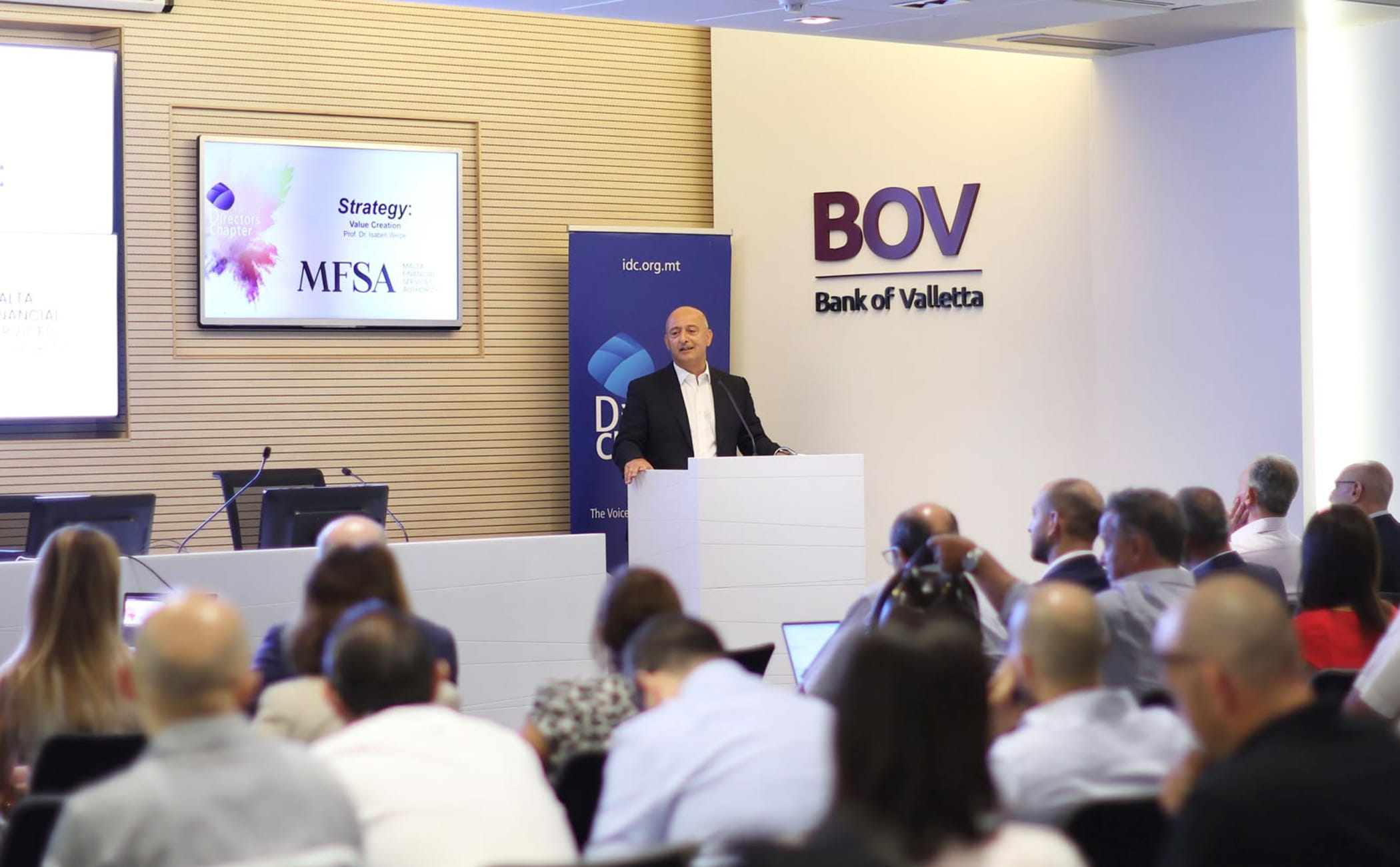
Bank of Valletta and the Institute of Financial Services Practitioners are continuing to strengthen their strategic collaboration through the latest Boardroom Excellence workshop.
Organised by IFSP’s Directors Chapter, IDC Malta, the workshop focused on Strategy and Value Creation, bringing together directors, senior executives and financial services practitioners for a practical discussion on boardroom effectiveness, strategic decision-making and sustainable value creation.
The session forms part of the Boardroom Excellence Workshop Series, a five-part programme designed to elevate governance standards and strengthen boardroom performance in an increasingly complex regulatory and business environment.
Speaking during the workshop, Kenneth Farrugia, Chief Executive Officer at Bank of Valletta, highlighted governance as a strategic capability, particularly in financial services, where trust, accountability and long-term resilience remain central to institutional credibility.
“Strong governance is one of the foundations on which trust in financial services is built,” said Mr Farrugia. “It goes beyond structures, policies and reporting lines. It is reflected in the quality of decisions, the clarity of accountability, and the ability of institutions to create sustainable value while managing risk responsibly.”
Mr Farrugia noted that the sector is being shaped by heightened regulatory expectations, technological change, evolving customer needs and increasing stakeholder scrutiny. In this context, he said, boards and senior leaders must continue to strengthen their judgement, oversight and ability to balance opportunity with responsibility.
“Our collaboration with IFSP reflects BOV’s commitment to supporting the continued development of Malta’s financial services sector,” Mr Farrugia added. “As Malta’s largest financial institution, we have a responsibility to contribute to initiatives that promote professional development, thought leadership and stronger governance capability across the industry.”
The workshop reflects the broader objectives of the strategic agreement between BOV and IFSP, centred on knowledge sharing, professional development and joint initiatives that support Malta’s financial services professionals and organisations.
Through this collaboration, BOV and IFSP are creating practical opportunities for dialogue, learning and engagement on issues shaping the future of the sector, including governance, regulatory readiness, innovation, leadership and long-term competitiveness.
Commenting on the collaboration, Mr Nick Captur, President of IFSP, said: “The relationship between IFSP and BOV reflects the importance of collaboration between professional bodies and leading market institutions. Through the Directors Chapter and the Boardroom Excellence series, we are creating opportunities for directors and senior professionals to engage with governance in a practical, relevant and forward-looking way.”
The Boardroom Excellence Workshop Series combines expert insight, practical case studies and boardroom simulations to support current and aspiring directors and senior executives in strengthening their understanding of board responsibilities and leadership-level decision-making.
BOV and IFSP reaffirmed that continued investment in governance capability, professional standards and sector-wide dialogue remains essential to Malta’s long-term competitiveness as a financial services jurisdiction. Their collaboration will continue to support responsible leadership, regulatory awareness and sustainable value creation.
Inspire Foundation welcomed HSBC Malta CEO Geoffrey Fichte and Hudson Group Founder and Chairman Alfie Borg to its LinC Day School Programme in Bulebel to view the newly extended therapeutic playground, made possible through the continued support of the HSBC Malta Foundation and the Hudson Foundation.
Building on the first phase launched last year, the HSBC Malta Foundation and the Hudson Foundation again joined forces to double the size of the facility in response to growing demand. The expansion follows a combined investment of over €50,000 and is already benefiting children attending the Learning in Context (LinC) programme, which supports 45 learners with high and complex support needs, including autism, learning disabilities, communication difficulties, and sensory processing challenges.
The expanded playground features additional sensory-regulatory equipment, including trampolines, a roundabout, swing seats, and specialised proprioceptive and vestibular tools aimed at helping children regulate, reduce anxiety, improve focus, and prepare for learning. Inspire’s educators and therapists report improved regulation, stronger readiness to learn after outdoor sessions, enhanced communication and social interaction, and more opportunities for movement-based therapy in a safer, more inclusive environment. With more space, the playground can support more children at the same time, enabling more structured sessions throughout the school day.
Antonello Gauci, CEO of Inspire Foundation, emphasised the impact of the investment, “This playground has enabled us to create a therapeutic space where our learners can regulate, connect, and thrive. The extension has allowed us to address their sensory needs more effectively, every single day, while ensuring they thoroughly enjoy the experience. We are deeply grateful to the HSBC Malta Foundation and the Hudson Foundation for recognising the importance of sensory and therapeutic play in the lives of children with complex needs.”
Geoffrey Fichte, CEO at HSBC Malta, highlighted the Foundation’s long-standing commitment to inclusion, commenting “Seeing the children benefit from this space first-hand reinforces why this project matters. The playground is giving learners the tools they need to feel calm, confident, and ready to engage. Supporting Inspire Foundation aligns with our mission to promote education, wellbeing, and equal opportunities for all children.”
Alfie Borg, Founder and Chairman of Hudson Group, reflected on the Foundation’s focus on meaningful community impact stating, “The transformation here is remarkable. This extension is an investment in the wellbeing and future of these children. We are proud to support Inspire Foundation in creating environments where every child can experience joy, regulation, and growth through play.”
Since launching in 2019, the LinC programme has tripled in size from 15 learners to 45. The extended playground will help Inspire continue delivering holistic support that integrates learning with sensory and motor development, demonstrating how investment in therapeutic environments can improve outcomes for children with diverse needs.
PwC Malta has released its Summer 2026 Economic Update, which shows strong demographic growth as Malta’s population reached 588,254 by year-end 2025. This marks an increase of approximately 14,000 residents (2.4%) from the previous year. The update sets out how population growth is now one of the most powerful forces reshaping Malta’s economic and social landscape.
The latest figures show that foreign residents now make up 31% of Malta’s population, with net migration patterns continuing to drive growth. Based on PwC’s demographic modelling, Malta’s population is projected to reach a base case of 636,000 by 2030. This path puts the country among Europe’s fastest-growing economies by population.
This rapid expansion brings both economic opportunity and important challenges. At its current population level, Malta already ranks as the fourth most densely populated country globally, with a population density of approximately 1,862 people per square kilometre. By 2030, this density is projected to increase to 2,013 people per square kilometre, which will add further pressure on the nation’s finite resources. Infrastructure demands require urgent investment.
The report highlights clear infrastructure pressures that call for decisive action. Currently, Malta ranks 17th among EU peers on hospital beds per 100,000 residents, with 397 beds compared to the EU average of 511. To simply maintain this relative standing by 2030, Malta would need to add approximately 329 additional hospital beds, meaning a 15% increase.
To reach parity with the European average Malta would require nearly 1,054 additional beds, a 48% increase. Energy infrastructure is also worth considering, given the increasing population. According to the latest data, Malta produced 2,138k MWh of locally generated electricity in 2024, with a net 970k MWh imported to meet total energy demand. Assuming the same level of local energy capacity for a projected population of 636,000, Malta would need to import 1,304k MWh of electricity to maintain current per capita consumption levels, representing a circa 25% increase in imported energy requirement.
While the demographic path presents challenges, it also underscores the urgency of strategic planning. Our projections are based on varying levels of slowdown in current net migration flows. Nonetheless, population is still expected to increase significantly, with the mix of foreign to local residents potentially reaching around 38% by 2030. The key policy change will be ensuring that infrastructure, public services, and long-term planning keep pace with this changing reality.
“Malta’s population growth reflects our economy’s resilience and attractiveness, but it demands proactive planning,” said Lucienne Pace Ross, PwC Malta’s Territory Senior Partner. “The decisions we make today regarding infrastructure investment and resource allocation will fundamentally determine whether this growth improves our quality of life or strains our public systems. We must make sure that our hospitals, energy networks, and essential services scale proportionally with population expansion.”
The full PwC Economic Update offers a detailed update of Malta’s economic performance and sets out demographic projections. To access the complete report and explore detailed insights into Malta’s economic outlook, visit here.
The Malta Chamber Urges Immediate Action on Power Grid
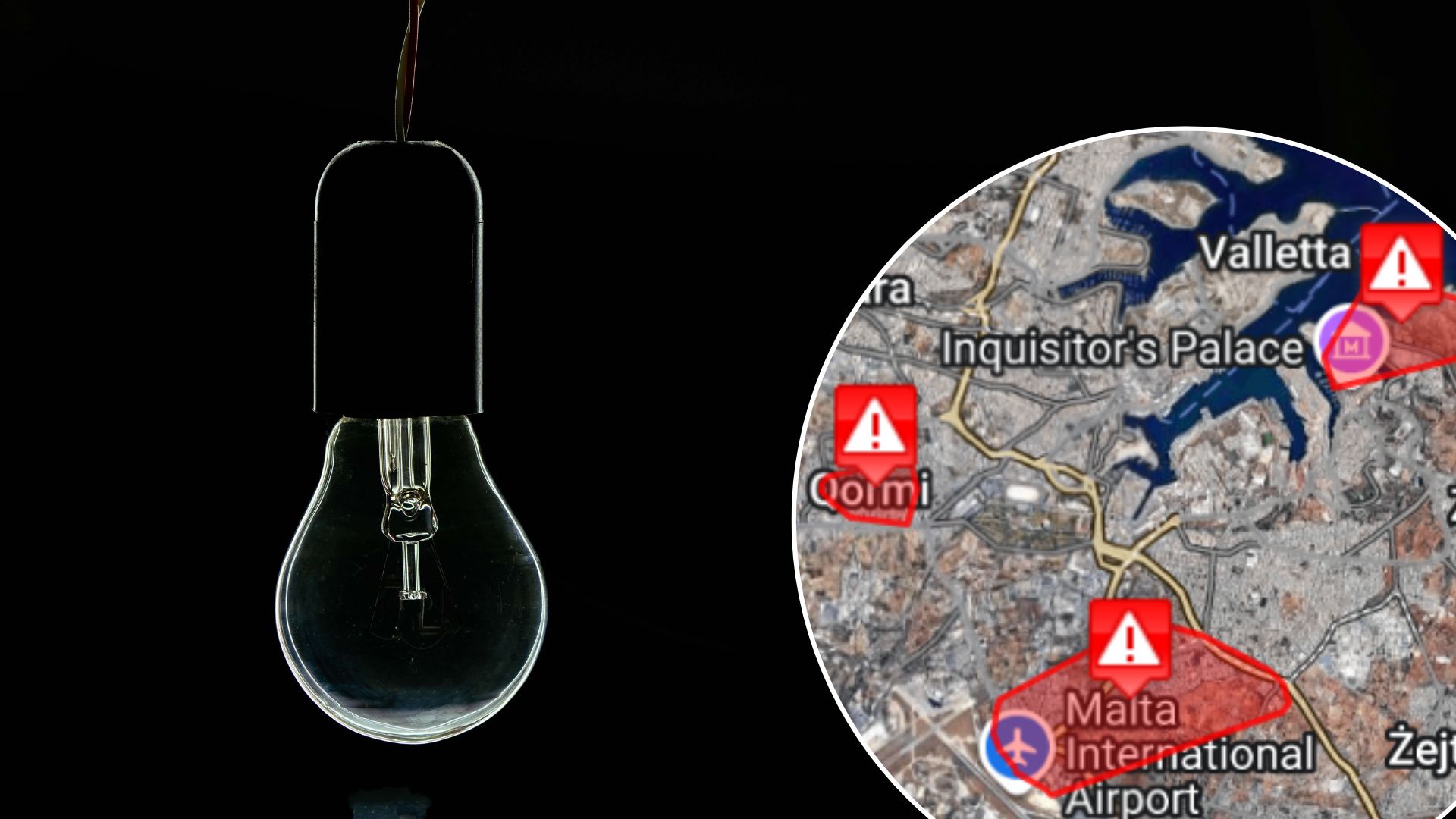
The Malta Chamber of Commerce, Enterprise and Industry is seriously concerned about the recurring power outages being experienced across Malta and Gozo. Whilst one understands that an increased demand increases strain, The Malta Chamber would like to point out that this increase was predictable – given the trends in increase in population, increase in number of tourists and temperature soaring brought about by climate change, all of which place additional and predictable pressures on existing infrastructure. Yet it is evident that the upgrades and forward planning did not keep pace.
The Malta Chamber has repeatedly warned that any investment carried out in infrastructure upgrades must also take into consideration and meet future demands.
These frequent disruptions are increasingly disrupting economic activity, daily operations and quality of life, ultimately undermining operational reliability and eroding confidence in the country’s infrastructure. This leads to frustration, inefficiencies, lost productivity, and growing uncertainty for businesses.
It is evident that the investment carried out was not enough.
At this point, rather than visibility on the millions invested in distribution network fixes over the last years, the country needs visibility on the total investment expenditure required to ensure that this problem is solved once and for all, supported by a doable roll-put plan with clear implementation milestones.
The root cause of this energy distribution capacity problem, just like the traffic issue is linked directly with our economic growth model. It is highly evident that the economic growth model based on low value added growth that requires high input of low skilled workers has reached its physical limits. Which is why, as The Malta Chamber has been long advocating, transforming our economy to achieve much higher productivity levels should be Malta’s most important holistic project.
Moreover, energy security is not only about generating more electricity. It is also about using it more wisely. The current framework does too little to reward energy efficiency or encourage consumers to use electricity more responsibly.
The Malta Chamber urges Government to act with urgency and resolve. Addressing this critical issue is essential to safeguard economic resilience, maintain competitiveness, and protect the quality of life of residents and the sustainability of business activity.
We cannot speak of Malta Vision 2050 when we are still failing at the basics. If we cannot guarantee a reliable electricity supply today, any discussion about the Malta of 2050 risks becoming little more than an exercise in rhetoric.
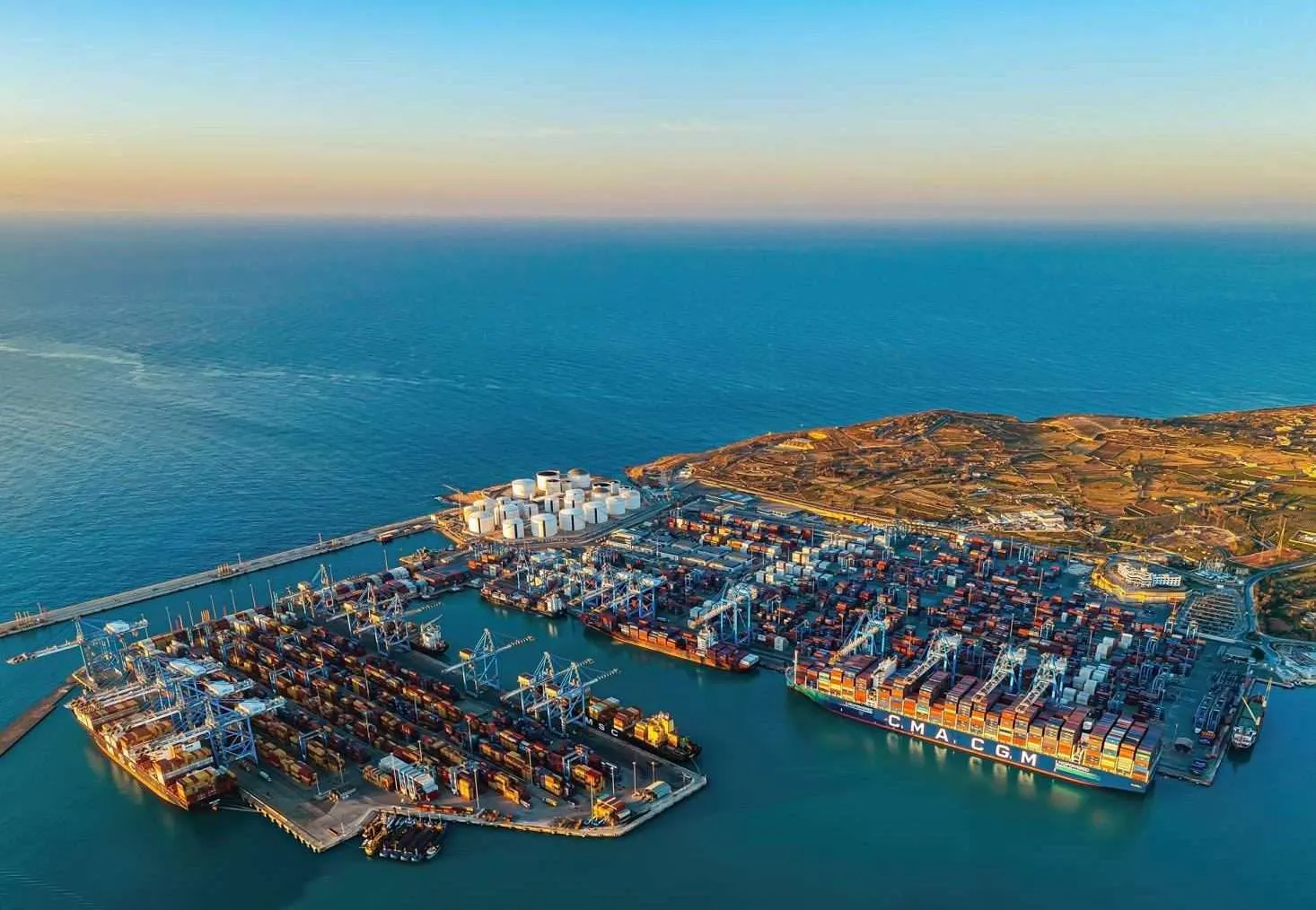
The European Commission presented its long-awaited proposal to revise the EU Emissions Trading System (ETS) Directive. The Malta Business Bureau (MBB) calls for the re-design of EU ETS to deliver for all Member States, especially those in the periphery. MBB has proposed concrete amendments to prevent disproportionate harm to Malta and other island Member States. In line with MBB amendments, the Commission has proposed a reduction in the transhipment activity threshold from 65% to 50% providing relief for Maltese transhipment against North African ports.
The review was tasked by European Council conclusions of 19 March 2026, with reducing the volatility of the carbon price and mitigating its impact on supply chain costs, while preserving the ETS’s role in the climate transition. It nonetheless falls short of proposing tangible measures which will reduce costs for maritime and aviation operators.
MBB’s CEO Mario Xuereb said: “MBB supports ambitious decarbonisation, but the structural realities of island states, higher transport and energy costs, limited economies of scale, and import dependence, must be reflected in the design of the EU ETS. Without targeted safeguards, the reform risks overburdening Malta with the costs of decarbonisation, without reaping any of the benefits.”
Malta, as an island Member State with no land connection to the rest of the Single Market, depends entirely on maritime and air links for the movement of goods and people. The MBB has repeatedly flagged that vessels carrying the majority of goods consumed in Malta return to the mainland more than half empty, meaning the full ETS cost is absorbed disproportionately across the round trip. Decarbonisation measures in both sectors are far from being feasible to be implemented, and until then, Malta will be left to foot the bill.
MBB has submitted concrete textual amendments to the Commission, including partial derogation from the maritime ETS surrender obligation for routes serving small islands with no fixed link to the mainland, and an equivalent free allocation for aviation to and from island airports of less than 10,000 km².
MBB had also proposed extending the definition of a “neighbouring container transhipment port” from 300 to 1,000 nautical miles, alongside lowering the threshold from 65% to 50%, which was accepted. While the Commission did not extend the radius itself, it introduced a further anti-evasion safeguard: any port within 150 nautical miles of an EU port with adequate transhipment infrastructure, will now qualify as a “neighbouring transhipment port” regardless of its transhipment share. MBB welcomes this additional layer of protection against the relocation of transhipment activity to nearby non-EU ports.
MBB’s Brussels-based Nigel Caruana said: “This ETS review is the first real test of the Commission’s commitment to tailor policies to island realities. The measures MBB has proposed would mitigate the impact on essential connectivity while preserving the environmental integrity of the system.”
Additional Information on the EU ETS
The European Commission published its EU ETS reform proposal on 17 July 2026. The reform, the first legislative proposal shaping the post-2030 climate architecture, adjusts the Linear Reduction Factor, phases out free allowances, strengthens the Market Stability Reserve, and considers extending the system to waste and extra-EU/EEA flights. It also addresses revenue use and the potential inclusion of carbon removals and international credits.
The EU ETS was extended to maritime transport from 2024 and reached full compliance from January 2026, with shipping companies now required to surrender allowances for 100% of verified emissions on qualifying voyages. Aviation allowances moved to full auctioning from 2026, following the phase-out of free allocation.
Malta, as one of three island Member States alongside Ireland and Cyprus, faces structural economic constraints recognised explicitly in Article 174of the Treaty on the Functioning of the European Union (TFEU), which identifies islands among regions “suffering from severe and permanent natural or demographic handicaps.”
The Commission’s ETS 2021 Impact Assessment (SWD(2021) 601 final) recognised that extra-EU imports and exports transported by sea account for over 50% of the total value of traded goods for island countries such as Malta, Cyprus and Greece, and that these countries and regions are among those most exposed to changes in shipping activity resulting from the ETS. Transport costs can exceed mainland benchmarks by up to 300%, and geographic isolation imposes GDP per capita costs estimated between 7% and 36%.
BusinessEurope and several Member States have highlighted competitiveness concerns, while others have called for greater ambition.
The MBB, marking its 30th anniversary this year, will continue to advocate the Maltese government, the EU Commission, MEPs and BusinessEurope counterparts to ensure the final text of the ETS revision take proportionate account of the structural realities faced by island Member States.