
Why valuer judgement still matters in the age of AI

The role of professional judgement in modern business valuation

One of my recurring thoughts as I see more applications of artificial intelligence (AI) in finance is whether AI could independently generate a full valuation model and determine an equity value range on its own.

These tools are undeniably powerful. Generative AI has already created significant efficiencies through faster data extraction, automation and the ability to process large volumes of information. But valuation presents a particular challenge because, while it is academic in theory, it is highly practical and judgement-based in application.

Valuations support acquisitions, shareholder exits, financial reporting, tax and restructuring purposes and, occasionally, litigation. When a conclusion is challenged, someone has to sit across the table and defend why a particular valuation methodology was chosen, why a specific discount rate range was selected, why one comparable company was included and another rejected, or why management’s forecast was accepted or adjusted.

AI cannot assume that professional responsibility. It is also not uncommon for two valuers to arrive at materially different conclusions because of differences in the assumptions and underlying drivers applied. Ultimately, responsibility remains with the professional signing the work. This means the valuer must genuinely own the judgement, not simply the output.

Context matters in comparable company analysis

When applying the guideline public company method, peer analysis and the selection of an appropriate valuation multiple can be misleading without a proper understanding of the companies being compared and the metric being applied.

Assessing business quality is an important part of selecting appropriate peer companies. A comparable business may operate in the same sector but have a different growth profile, customer base, geographic exposure, profitability or risk profile.

The potential application of a discount for lack of marketability, a discount for lack of control or, alternatively, a control premium also requires careful consideration. These adjustments are not always automatically reflected in valuation models and generally require an understanding of the circumstances surrounding the interest being valued.

Understanding what sits behind the financial statements

Financial analysis also requires normalisation, particularly in the context of a transaction.

Items such as above- or below-market salaries, non-recurring revenues, expiring contracts or declining business segments require context. This information is often identified through discussions with management and other key stakeholders rather than through the financial statements alone.

Similarly, identifying debt-like items when moving from enterprise value to equity value may require analysis that goes beyond what can be extracted directly from the accounts.

These considerations are important because they provide the foundation for the financial projections used in the valuation.

Testing management’s forecasts

Testing a company’s financial projections is another important part of the valuer’s role.

A discounted cash flow model can demonstrate how sensitive a valuation is to changes in growth rates, margins, discount rates or terminal growth assumptions. What the model cannot determine on its own is whether management’s forecast is realistic in the first place.

A five-year projection showing double-digit compounded growth may appear perfectly reasonable in a spreadsheet, even when the business has never previously achieved that level of growth.

Key assumptions therefore need to be considered in the context and purpose of the valuation. Understanding how and where future growth is expected to arise may not be apparent from historical financial analysis. This is where management interviews and a deeper understanding of the business become particularly important.

The application of a company-specific risk premium within the discount rate also requires judgement. Factors such as key person risk, customer concentration, geographic exposure and sensitivity to external conditions may not otherwise be fully reflected in the forecast and should be considered when determining whether an additional risk premium is appropriate.

Capital structure is another consideration. The valuer must assess whether the structure applied should reflect the company’s expected long-term capital structure or be informed by the capital structures of comparable companies.

AI as a collaborator rather than the source of truth

AI has already created meaningful efficiencies for valuers, particularly when extracting information, conducting initial research and cross-checking analysis.

Its role, however, should be viewed as that of a collaborator rather than the source of truth.

Used appropriately, AI can reduce the time spent on information gathering and repetitive analytical tasks, allowing valuers to focus more of their attention on understanding the business, challenging assumptions and applying professional judgement.

The valuers who are likely to succeed over the coming years will therefore be neither those who resist the technology nor those who outsource their thinking to it.

They will be those who allow AI to do more of the heavy lifting around information while reserving their own time and expertise for the areas where judgement matters most.

Because ultimately, clients are not only paying for the mathematics behind a valuation. They are paying for a professional who can understand the context, challenge the assumptions and stand behind the conclusion.

And judgement remains considerably harder to automate than mathematics.

RSM Malta’s Financial Advisory team supports businesses, shareholders and investors across a range of valuation requirements, combining financial analysis with the professional judgement and commercial context required to arrive at well-supported conclusions.

By Andre Tan – Manager, Financial Advisory
BOV Fund Services marks 20 years of growth

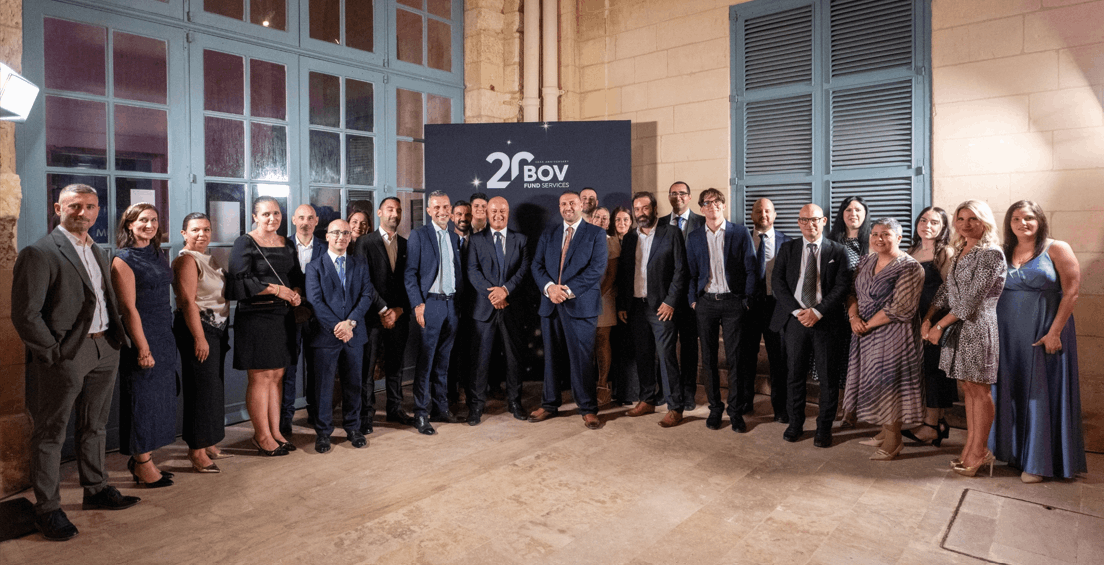
BOV Fund Services (BOVFS) is marking 20 years of growth, service and commitment to Malta’s funds industry. Incorporated in September 2006 as Valletta Fund Services, the company took over the fund administration business of Valletta Fund Management, which had been established in 1995 through a joint venture between Bank of Valletta p.l.c. and Rothschild & Co Asset Management. Since then, BOVFS has grown into a leading provider of fund administration solutions, offering fund managers and promoters a comprehensive range of fund administration and corporate services. These include fund structuring, fund accounting, shareholder registry services, regulatory reporting, company secretarial services and ancillary support tailored to the industry’s evolving needs.

The milestone was celebrated at an anniversary event bringing together those who contributed to the company’s journey. Kenneth Farrugia, Chief Executive Officer of Bank of Valletta and BOVFS’s first General Manager, reflected on the values that have sustained the business over the past two decades. “This milestone highlights the longevity, trust, commitment and professionalism that have shaped BOVFS.  We remain committed to supporting the company’s continued growth. This aligns with our vision as a Bank to contribute to the growth of the economy, and to help strengthen and develop Malta’s fund services sector.”

Dr Diane Bugeja, Chairperson of BOVFS and a non-executive director of BOV, highlighted the company’s resilience and ability to adapt throughout two decades of regulatory change. “BOVFS has continued to grow while sustaining its position in a constantly evolving regulatory environment. This anniversary is not only an opportunity to celebrate our achievements, but also to look ahead with confidence as we continue to support the development of the funds industry,” she said.

Looking ahead, Loredano Agius, General Manager and Director of BOVFS, said that changing investor expectations would require faster and more digital interaction without compromising robust controls. “As we mark this anniversary, our focus is firmly on the future. We will continue modernising our technology and operating model, so that BOVFS is equipped to serve its clients and the industry for many more years to come.”

BOVFS is a fully owned subsidiary of Bank of Valletta p.l.c., and it is recognised to provide fund administration services and is licensed as a Class C Company Service Provider by the Malta Financial Services Authority. Over the past 20 years, it has developed alongside Malta’s emergence as an established and respected EU fund domicile. As the industry has grown in scale and complexity, the Company has continued to broaden its range of services to meet the changing needs of fund managers operating across diverse structures and investment strategies, including digital assets.

For more than half of family businesses, growth is not leading to increased profits

Family businesses with a strategic business plan were more likely to achieve profitable growth

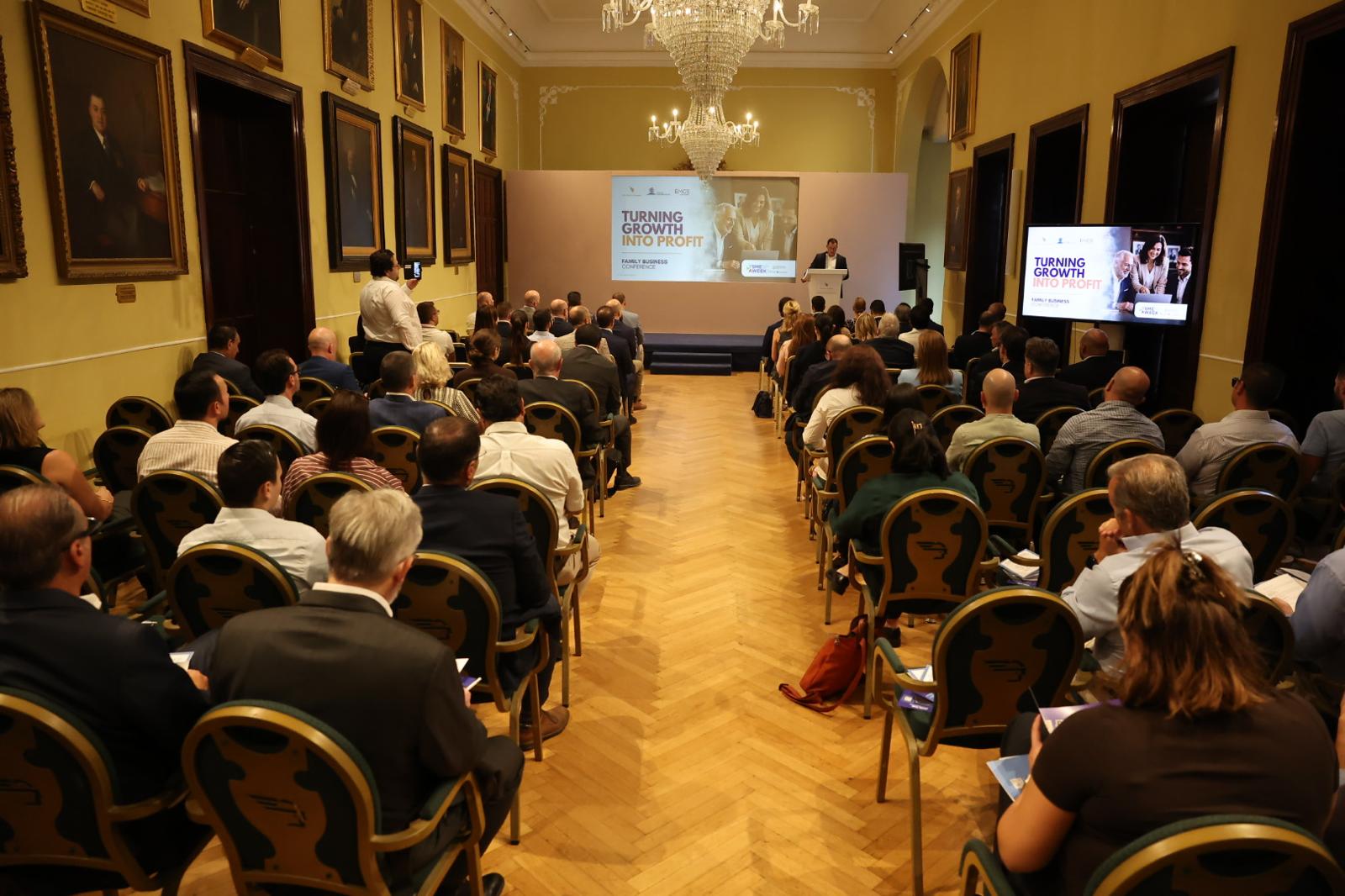
The Malta Chamber of Commerce, Enterprise and Industry, together with EMCS Advisory and the Family Business Office in Malta as part of Malta SME Week 2026, organised the third family business conference. The ‘Turning Growth into Profit: Structure, Governance & Digitalisation in Family Business’ conference brought together business leaders, policymakers, and family business owners to explore practical solutions for building more resilient, efficient, and future-ready organisations.

The focal point of the event was the presentation of the key findings of a comprehensive Family Business Survey 2026, providing valuable insights into the opportunities and challenges facing family-owned enterprises today. The survey highlighted that companies with an active written strategic plan have a markedly superior financial trajectory. Some local firms are experiencing profit compression. This underlines the fact that family businesses realise that traditional informal setups cannot handle expanding turnovers efficiently, prompting them to lean heavily into standardizing roles and professional processes.

The largest collective headache across the survey resides within the ‘Profitless Growth’ segment (increase in turnover but lower profits, accounting for 37.% of respondents). This pressure is felt most acutely by mid-sized firms falling into the 10-50 employee ‘scaling canyon’ and companies operating inside the ‘Importation & Distribution’ industry. When family businesses scale without formalising their framework, they face severe margin contraction.

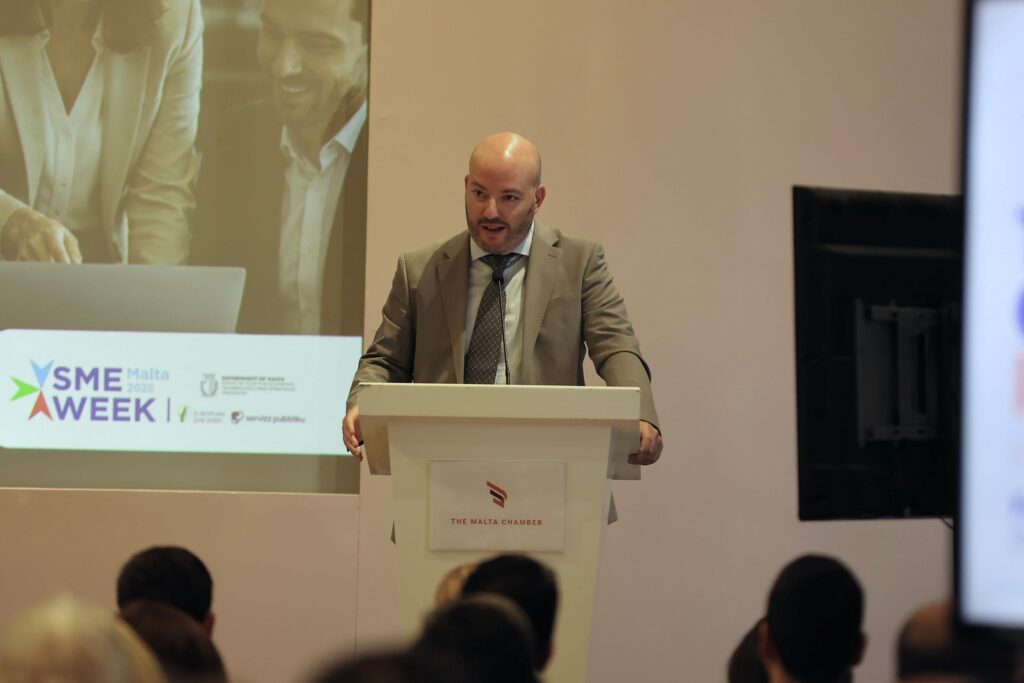
Vice President and Chair of Family Business Committee within The Malta Chamber, Silvan Mifsud, presented the Family Business 2026 Survey Results. Mifsud highlighted that “expanding turnover is meaningless if it merely dilutes profit margins. The survey findings reveal 55% of family businesses saw profits stall or decline despite higher sales, in the post pandemic years, trapped in relentless daily firefighting. Long-term survival demands breaking this cycle through disciplined governance, digitalisation, and a clear strategic plan that turns volume into sustainable profit.”

In a message to the Family Business Community, Hon. Silvio Schembri, Minister for Economy, Technology and Strategic Projects, said “when we speak about Family Businesses we are speaking about some of Malta’s most enduring success stories. Across generations, they have created jobs, invested in communities, and built enterprises that continue to contribute to our country’s prosperity.”

Minister Schembri also highlighted the number of support measures available for Family Businesses, and the efforts which will continue to be made to make assistance clearer, accessible and easier to navigate. Minister Schembri also emphasised that efforts must continue to be made to invest in skills, training and lifelong learning and the importance of digitalisation to help businesses embrace technology by making use of the funding available.

Dr Joseph Gerada, Regulator of the Family Business Office, said that “the survey highlights the commitment of family businesses and the challenges they face in turning growth into stronger profits. It also shows encouraging progress in how families plan for the future and manage their businesses. This conference builds on that progress by encouraging business owners to set aside time for strategic planning, to prepare for succession, and to seek advice that addresses the needs of both the business and the family. Through the Family Business Office, we support families with training, guidance and partnerships that help them turn their hard work into lasting profitability. Our aim is to help them strengthen what they have built, give the next generation the confidence and skills to carry it forward, and preserve the family values that underpin their success.”

In his opening remarks, Jordy McKay, Head of Corporate Banking Department at BNF Bank, said that “turnover is vanity, profitability is sanity, cashflow is reality. Turnover is vanity because sales figures can look impressive. Revenue growth often attracts attention and creates a perception of success. Profitability is sanity because ultimately a business must generate sustainable returns if it is to invest, innovate and endure.”

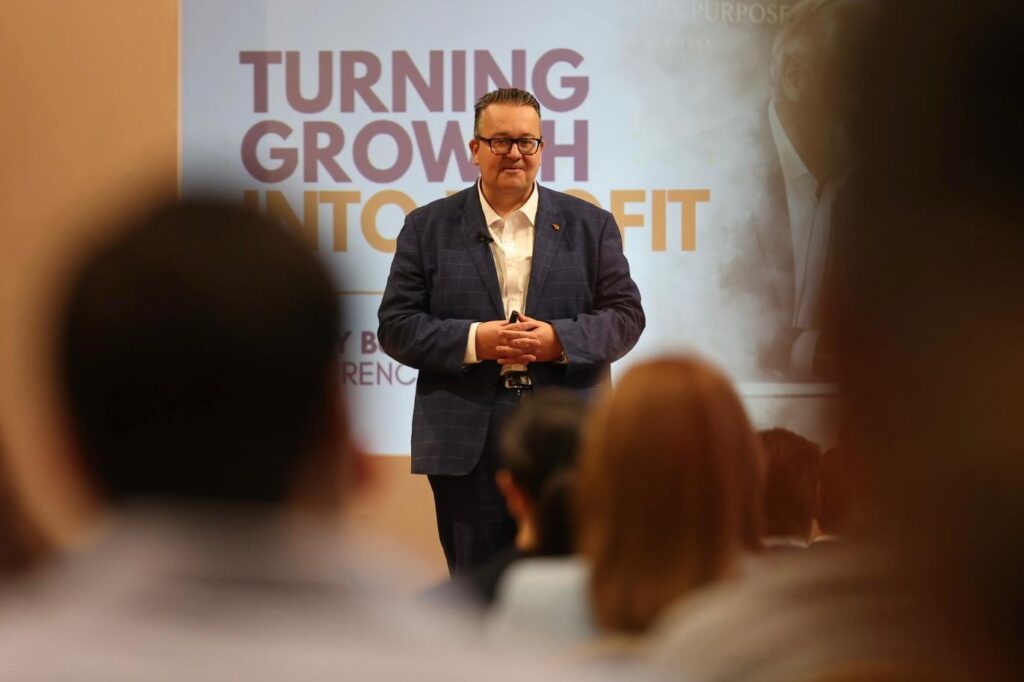
Kurt Muscat, Manager at EMCS Advisory, in his presentation said that businesses need to professionalise through stronger governance and invest in productive capital if they are to achieve sustainable growth. “Otherwise, they risk falling into the same trap, where headline growth is driven primarily by an increase in workforce. In a tight labour market, wage growth outpaces productivity growth, ultimately resulting in lower profits or, to quote today’s theme, “profitless growth.” The key takeaway is clear: businesses need to make productive investments to ensure they are not only successful today, but resilient enough to thrive for generations to come,” he noted.