12 November, 2026
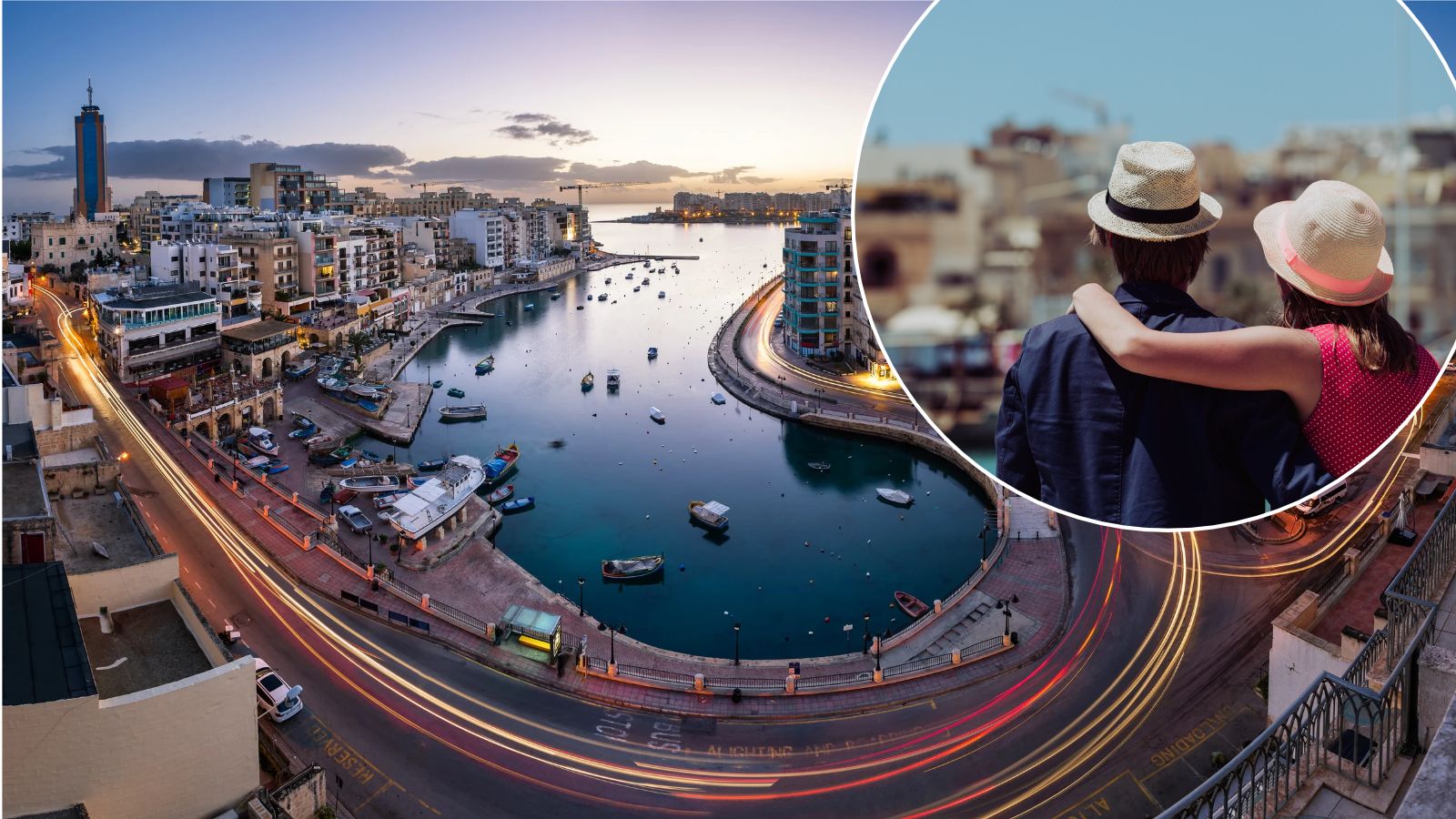
The Malta Chamber of Commerce, Enterprise and Industry reiterates its support for the continued development of a higher-quality and more sustainable tourism product, with greater emphasis on value, improved visitor experience and reinvestment in the destination.
In this context, the revised eco-contribution can support these objectives, provided that the additional revenue generated translates into visible and tangible improvements in Malta’s tourism offering. Investment in public spaces, cleanliness, landscaping, infrastructure and the overall visitor experience will be essential to ensure that a higher cost to the visitor is matched by a stronger destination product and overall quality experience.
As implementation approaches, The Malta Chamber encourages Government to ensure that the measure continues to support Malta’s competitiveness and the progress achieved in developing year-round tourism. The impact of a fixed contribution is naturally more pronounced during the winter months, when accommodation rates are lower and demand is more price sensitive. Consideration should therefore be given to a seasonally sensitive approach that supports the objectives of the measure while safeguarding Malta’s quieter tourism periods.
Consideration should also be given to Gozo. Concerns raised by stakeholders point to the cumulative impact of increased costs, particularly when the revised eco-contribution is considered alongside higher ferry costs for visitors. Given Gozo’s particular tourism realities, including its strong reliance on domestic tourism, measures should continue to encourage tourism flows towards the island and support its year-round tourism product.
At the same time, several important implementation matters remain unclear. The Malta Chamber calls on Government to provide timely clarification on:
• Which cruise passengers will be subject to the cruise eco-contribution, whether this applies only to passengers who disembark, and how the contribution will be collected at the port.
• Which exemptions will apply to accommodation providers offering rooms to English Language Teaching students and how these exemptions will operate in practice.
• When the necessary legislation and detailed implementation guidelines will be published to allow businesses to understand and prepare for their obligations.
• What transition period will apply between the publication of the relevant legislation and its effective date, allowing businesses sufficient time to adapt their systems, contracts, pricing and communications with clients.
Beyond the practical implementation of these measures, The Malta Chamber maintains that the collection and administration of taxes, levies and statutory contributions are functions that should remain under the responsibility and oversight of the competent public authorities. This is an important principle of good governance, ensuring clear lines of accountability, transparency and institutional responsibility.
Tourism operators contract rates and packages well in advance and require regulatory certainty and sufficient time to adapt. The Malta Chamber therefore believes that an adequate transition period should apply from the date on which the relevant legislation is published before the new rates become effective, particularly where businesses are required to adjust existing contractual, pricing and administrative arrangements.
The Malta Chamber therefore calls on Government to couple the revised eco-contribution with a seasonally sensitive approach, particular consideration for Gozo, clear implementation guidelines and an adequate transition period for businesses.
The Malta Chamber also believes that continued dialogue between Government and industry can ensure that the additional revenue generated is translated into visible investment in the destination in the short term. Ultimately, the objective should not simply be a more expensive destination, but a better destination that delivers greater value for visitors, businesses and residents alike.
...
...
...
...
...
...