
The Intersection of AI and KAIZEN™: The Future of Continuous Improvement

Integrating Artificial Intelligence (AI) with KAIZEN™, the practice of relentless, employee- led incremental improvement, creates a powerful engine for operational excellence, but it does not make Kaizen obsolete. Kaizen is not a technique to be switched on and off; it’s a culture: small, continuous experiments driven by frontline staff, disciplined problem-solving, and waste elimination. For businesses, Kaizen delivers dependable, low-cost gains in quality, lead time and morale because improvements are local, practical and sustainable. AI should be seen as an amplifier of that culture, a way to scale insight, speed decision-making and automate routine tasks so people can focus on higher-value improvements, rather than a replacement. For Maltese companies seeking resilience and growth, combining Kaizen’s human-centred rigour with targeted AI tools unlocks faster, more enduring results than either approach alone.

Why the pairing matters

KAIZEN™ builds the culture and discipline for steady improvement; AI supplies scale and speed. Organisations with established improvement mindsets find it easier to adopt AI because they already measure, test and act on small experiments. In practice, AI provides precise, real-time insights that make improvement cycles faster and more targeted, while automation frees employees from repetitive work so they can concentrate on higher-value problem solving. Together they turn reactive fixes into proactive, data-driven improvements, anticipating issues and acting before small problems become expensive ones.

Practical AI tools that amplify KAIZEN™

Machine Learning (ML) is the backbone of these advances: by detecting subtle patterns in large datasets, ML models can automatically tune processes, reduce defects and optimise logistics in ways that would be impossible by manual analysis alone. Natural Language Processing (NLP) transforms unstructured text such as customer reviews, support logs and internal reports into ranked, actionable themes so teams can prioritise improvements based on real voice-of-customer evidence. Predictive analytics uses historical and streaming data to forecast demand, supplier risk and equipment health, enabling teams to plan interventions rather than firefight. AI chatbots and modern large language models (LLMs) enhance service delivery and capture structured insights from everyday customer interactions, feeding continuous learning loops.

Real-world applications with a high impact

  • Manufacturing: Predictive maintenance, computer-vision quality checks and dynamic process tuning reduce downtime and scrap while improving throughput.
  • Supply chain: Better forecasting and scenario planning cut stockouts and logistics costs while increasing resilience to supplier shocks.
  • Customer experience: NLP and chatbots accelerate issue resolution and surface recurring product or service problems that KAIZEN™ teams can address in focused improvement cycles.

Implementation priorities for leaders

Start with culture: a KAIZEN™ mindset encompassing openness to change, small rapid experiments and data-driven decision-making is the single most important enabler of AI success. Choose use cases strategically, focusing on measurable, high-impact problems such as machine uptime, first-call resolution or inventory turns where gains are visible and quantifiable.

Invest in people: train teams to interpret AI outputs and to use them as inputs to improvement experiments rather than as replacements for judgement.

Finally, measure outcomes rigorously and treat early projects as pilots: document learning, measure ROI in terms the business cares about (cost, quality, lead time) and scale what demonstrably works.

Risks and governance

AI projects generate and depend on large volumes of data, including personal or commercially sensitive information; this makes robust data governance non-negotiable. It is important for companies to ensure GDPR compliance where relevant, adopt encryption and access controls, and conduct regular audits and risk assessments so that data use remains ethical, lawful and aligned with customer expectations. Clear policies and transparency about how AI is used will preserve trust as systems scale.

Emerging enablers

The Internet of Things (IoT) brings continuous, machine-level telemetry that feeds richer AI models and enables real-time adjustments. Augmented Reality (AR) can be a powerful training and operational aid, helping employees apply improvements on the shop floor with step-by-step visual guidance. Cloud platforms make advanced analytics accessible to SMEs without heavy capital investment, lowering the barrier for Maltese firms to experiment and capture quick wins.

Conclusion

AI does not replace KAIZEN™, it magnifies it. For Maltese businesses aiming to compete and grow, coupling disciplined continuous improvement with targeted AI delivers faster, measurable gains: fewer failures, smarter services and a more agile organisation. The practical advice is simple: cultivate the right culture, pick focused use cases, train your

people, and measure relentlessly. Start small, scale what works, and let AI expand the reach of Kaizen across the organisation.
European Roundtable Addresses AI’s Impact on Workplaces

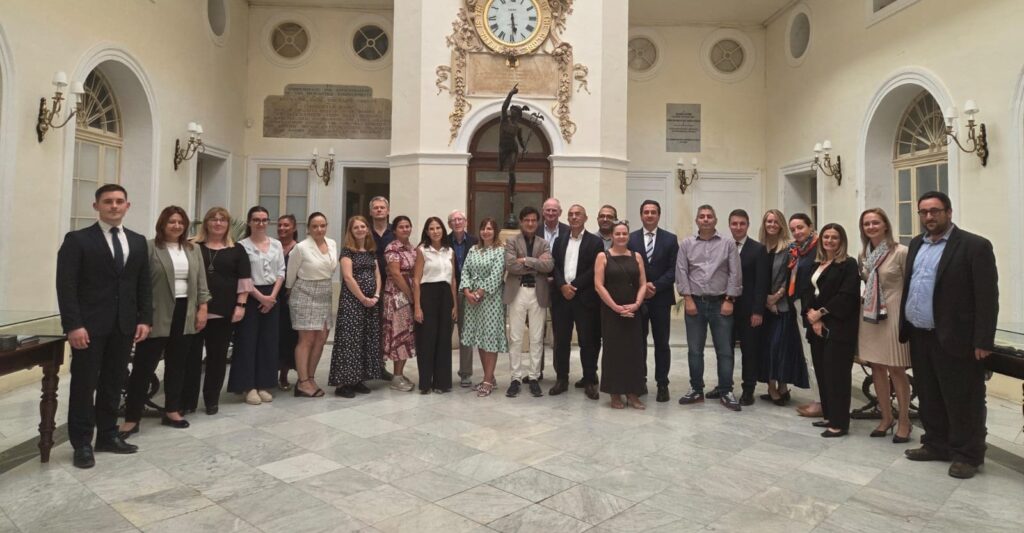
The Malta Chambers hosted social partners from 7 European countries

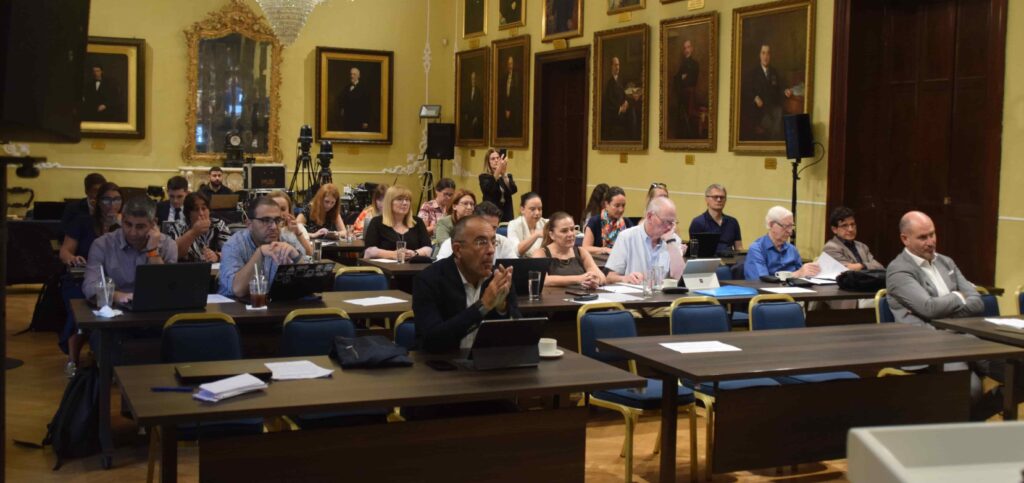
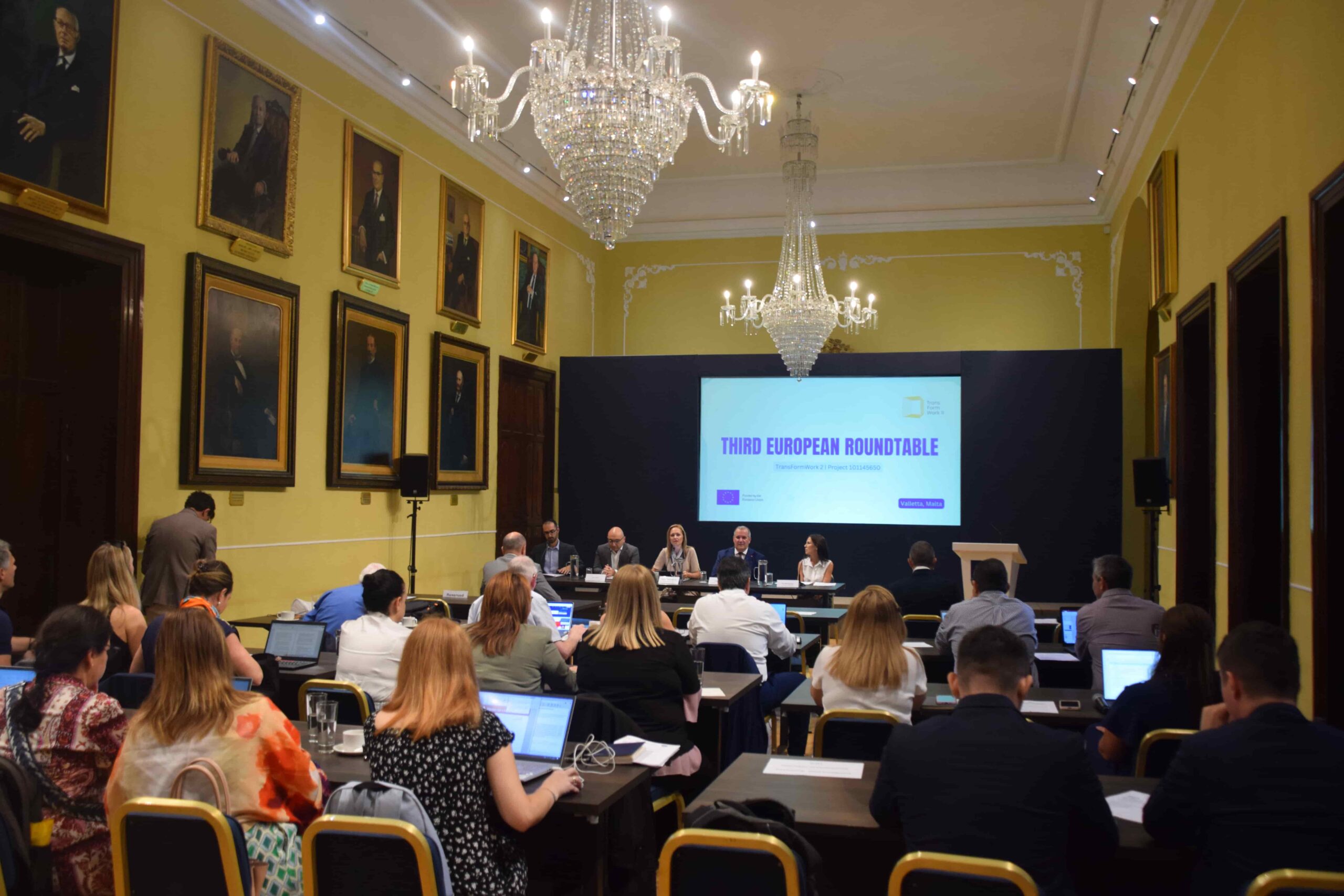
The Malta Chamber of Commerce, Enterprise and Industry hosted representatives from seven European countries for the third European Roundtable under the TransFormWork 2 project. In collaboration with the General Workers Union (GWU) and Malta Business Bureau (MBB), this pivotal event explored the opportunities and challenges posed by Artificial Intelligence (AI) across the workplace.

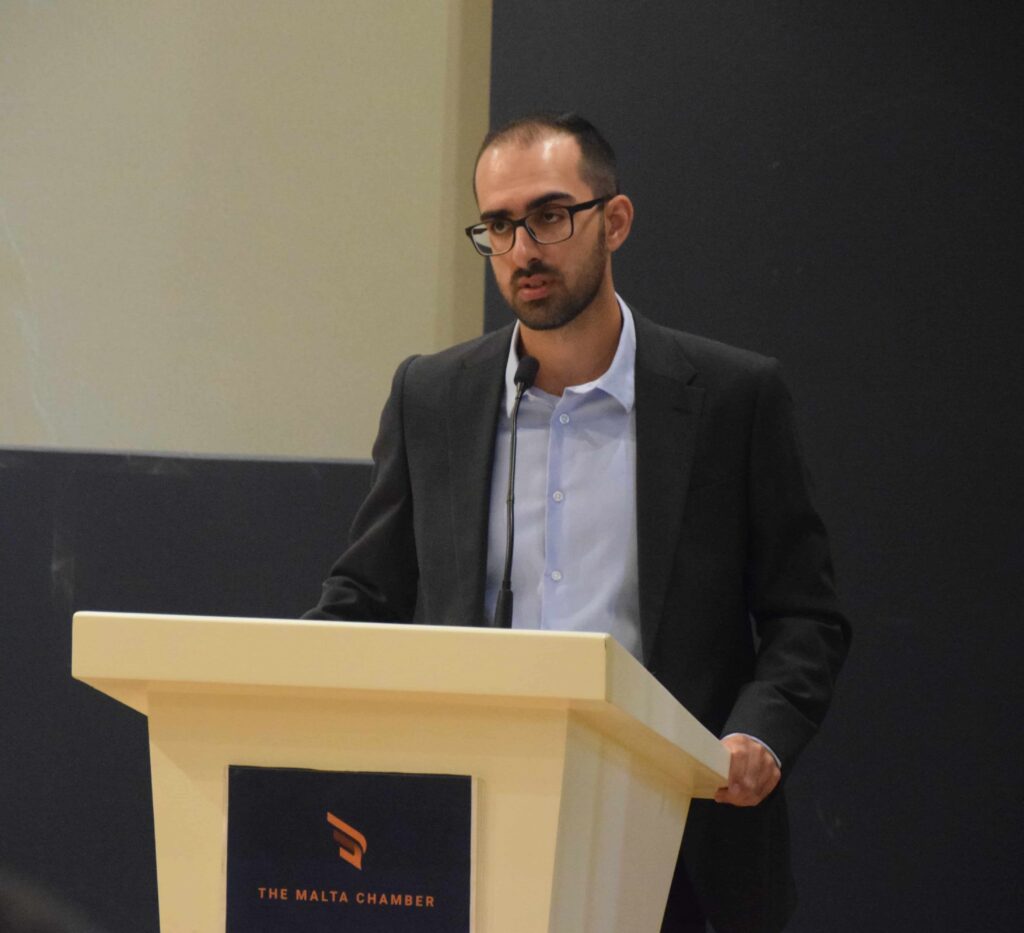
Jack Mizzi, Deputy Chairperson of The Malta Chamber’s Tech Businesses Section, stressed the urgency of Malta’s digital transformation. “Moving from policy to action is challenging, but The Malta Chamber promotes responsible, human-centred adoption of technology and AI,” Mizzi stated. He highlighted the essential role of partnerships among social partners, policymakers, businesses, and educators to realize the economic and social benefits of digital and AI advances.

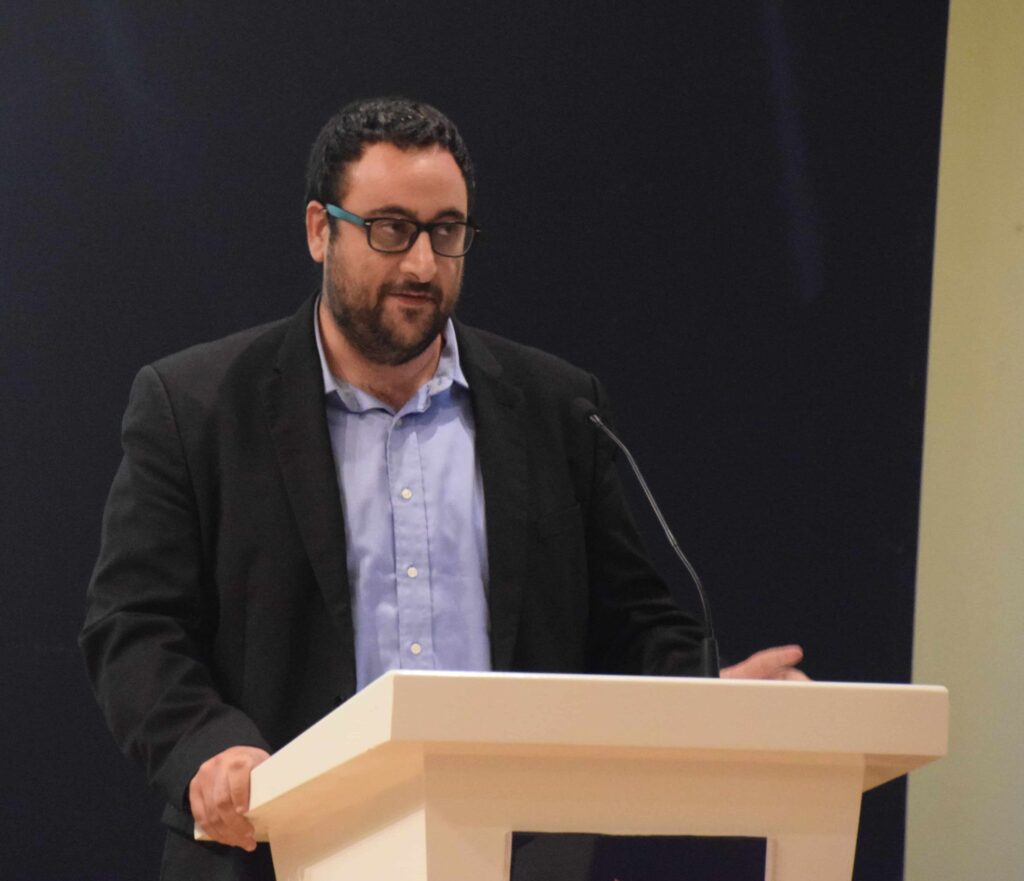
GWU Secretary General Josef Bugeja warned that while AI offers innovation and growth, it presents critical issues for workers’ rights, job security, and skills. “Our mission in TransFormWork 2 is to ensure this transition is fair, inclusive, and people-focused. Technology must be human-centric—AI should boost human work and dignity, not undermine it or worsen inequality,” Bugeja said. He called for active management and collaboration to prevent job displacement and erosion of rights.

MBB’s Head of Project and Sustainability, Gabriel Cassar, underlined the need for AI to support rather than supplant human decision-making. “EU policy must balance innovation with appropriate guidance, enabling businesses to use AI responsibly, build trust, and improve competitiveness,” Cassar commented.

Discussions featured data and insights from local and international experts. Parliamentary Ombudsman, Hon. Justice Emeritus Joseph Zammit McKeon, emphasised that AI must remain subject to human rights principles, referencing Article 8 of the European Convention on Human Rights regarding privacy and data protection. Zammit McKeon highlighted the importance of ensuring AI systems comply with standards protecting individuals’ privacy and preventing bias and discrimination.


International perspectives came from Kontaro Ishi, former IMF Mission Chief for Malta, and IMF Senior Economist Thomas Pihl Gade, who estimated that two-thirds of jobs in Malta could be affected by AI, with one-third at risk. They urged ongoing upskilling, reskilling, and education reforms to promote labour mobility in the digital era.

Mr Xabier Irastorza, representing EU-OSHA, pointed to increasing adoption of digital technologies across Europe, though uptake varies by country, sector, and technology type. The ESENER survey illustrates both positive and negative impacts of these technologies on occupational health and safety. EuroFound’s Sara Riso discussed AI’s transformative influence on the digital workplace throughout Europe.

A range of experts contributed further perspectives, including Kenneth Brincat (MDIA CEO), Dr Matthew Brincat (Ganado Associates), Prof. Alexiei Dingli, Dr Conrad Attard (Faculty of ICT), and Dr Patrick Massa (WHPartners). The event also featured video addresses from Isabelle Schömann (ETUC) and Isaline Ossieur (BusinessEurope).

The roundtable, which convened social partners to consider both the risks of job displacement and the prospects for new opportunities arising from AI, underscores the importance of coordinated, cross-sector dialogue. Malta’s experience should inspire similar discussions across Europe, driving proactive approaches to harnessing AI for inclusive growth and wellbeing.

Expression of Interest – Technology & Innovation Experts

Reference: ‘Technology & Innovation Experts’ EoI 2025
Issued by: The Malta Chamber of Commerce, Enterprise and Industry & Malta Enterprise
Issue Date: 1 October 2025
Closing Date: 31 October 2025

The Malta Chamber of Commerce, Enterprise and Industry is inviting Expressions of Interest (EoI) from local companies, firms, and professionals with proven expertise in technology and innovation.

The objective is to establish a trusted network of experts who can support Maltese businesses in carrying out the digitalisation transformation that they might require. The aim is to connect these businesses with reliable technology partners and strategic advisors. This initiative forms part of The Malta Chamber’s ongoing efforts to drive digitalisation, foster innovation, and strengthen Malta’s competitiveness in line with Vision 2050.

EoI responses are to be sent via email on eoi@maltachamber.org.mt by not later than 31 October 2025.

Bringing back the colour at this year’s ‘Colour My Run’

Bank of Valletta is proud to once again partner with Colour My Run, the event that has fast become known as Malta’s happiest fun runs. The colourful 5km walk or run returns on Sunday 2 November at 9.00 am, with Fort Manoel providing the stunning backdrop for what promises to be another morning of colour, laughter, and community spirit.

Unlike traditional races, Colour My Run is not about competition or timings. Instead, it is about enjoying a few hours in good company, whether you choose to run, jog or simply walk the route. The experience is designed for everyone, be they families with children, groups of friends, colleagues or individuals who simply want to take part in something light-hearted, positive and uplifting. Last year’s edition brought together more than 1,200 participants, and this year promises to be even bigger.

Importantly, the 2025 event will also support a meaningful cause. Proceeds will go to the Richmond Foundation, helping the organisation continue its vital work in mental health.

Speaking about the initiative, Kenneth Farrugia, CEO of Bank of Valletta, said, “Colour My Run is about more than a fun experience. It is about people coming together in a spirit of joy and inclusion. The fact that this year’s edition will also help the Richmond Foundation makes it even more special. At BOV, we are delighted to support an event that not only puts smiles on people’s faces but also reinforces the importance of wellbeing within our community.”

For Nathan Farrugia, the event organiser, the run is an opportunity to show that sport and movement can be for everyone. He said, “We can all do with a bit more joy in our lives,  and laughing triggers more muscles than you’d expect! So we thought of combining fun and physical activity for all the family to encourage everyone to stay active for both their physical and mental health. We know this event is often the trigger for participants to keep up some form of exercise, so we encourage everyone to come and join the fun and live the #RunHappy experience!”

Daniela Calleja Bitar, CEO of Richmond Foundation, highlighted the impact of the event’s fundraising efforts, explaining, “Every step you take and every burst of colour you share at this event sends out a message of hope. For the people we support, knowing that so many stand behind them makes a real difference. Colour My Run is more than a fun event — it is a celebration of compassion, community, and the belief that together, we can make life brighter for those struggling with their mental health.”

With its mix of fun, fitness, colour, and purpose, Colour My Run is once again set to brighten up the Maltese islands and leave participants with memories that will last a lifetime. Register here.

Family Leave Policies Must Not Jeopardise Productivity

Research shows that increasing parental leave is not a guaranteed solution to improving fertility rates

The Malta Chamber of Commerce, Enterprise and Industry acknowledges the importance of policies that improve the quality of life for families and support better work-life balance. However, while The Malta Chamber is supportive of initiatives that ease the pressures on working families, these policies must be designed carefully and sustainably. Such a sensitive and important subject should not descend into a populist competition over who can promise the most generous benefits or the longest periods of leave, without first understanding the implications on productivity and our country’s competitiveness. Unsound measures will ultimately be borne by businesses and taxpayers, and risk undermining the competitiveness and productivity of Maltese businesses.

Research shows that increasing parental, paternal or maternity leave is not a guaranteed solution to improving fertility rates. Studies highlight that while there are instances where longer and paid leave policies may have a positive outcome, the deeper causes of declining fertility – such as increase in housing costs, economic instability and constraints, high living costs, lack of childcare solutions, pursuit of higher education and greater female labour force participation, as well as reconciling work and family life challenges – play a far greater role in family planning decisions. Extending leave without addressing these fundamental issues would risk creating costly policies with little meaningful impact.

The Malta Chamber stresses that politicians should resist the temptation of identifying a problem and then immediately proposing a “fix” without proper research, consultation, and analysis. A piecemeal approach that focuses only on leave entitlement risks shifting attention away from the root causes.
A balanced approach should protect families’ wellbeing and keep businesses competitive.

The Malta Chamber urges Government, Opposition and policymakers to:
– Ground policy decisions in evidence-based research that reflects Malta’s realities
– Consider the broader socio-economic factors driving declining fertility, including cost of living and work support structures
– Avoid turning family policy into an electoral bidding war and
– Ensure that any new measures are sustainable, both financially and administratively.

Enhancing the quality of life for families is an important objective. However, it is necessary to also consider economic growth and productivity. Malta requires comprehensive and well-researched approaches rather than temporary measures.

Commercial Courier – Movers & Shakers 2025

The Malta Chamber Welcomes Direct US-Malta Flights, Calls for Focus on Quality Visitor Experience

The Malta Chamber of Commerce, Enterprise and Industry welcomes the announcement that its long-standing proposal for direct flights between the US and Malta has finally been realised. US carrier Delta Airlines has announced plans to commence direct flights from New York to Malta starting June 2026. This development marks a significant milestone in boosting US tourism to Malta and will strengthen trade links between the two countries.

This proposal was first introduced in The Malta Chamber’s Rediscover document in November 2021 and since then it has been a recurring recommendation in every set of prebudget submissions to the Government. Over the past two years, The Malta Chamber has actively encouraged its members, particularly those within the Tourism Operators Business Committee, to leverage their US business contacts to advance this initiative. Some members have even reported productive discussions with American carriers underlying the level of commitment put into this effort.

The US is considered one of the most attractive source markets for Malta, provided that we attract the higher per capita visitor spending. Visitor numbers from the US have been steadily increasing, reflecting the strong potential of this market.

While the launch of direct flights represents a major breakthrough, The Malta Chamber underlines that this development alone is not sufficient. To sustain progress and maximise the opportunity, Malta must redouble its efforts to deliver an exceptional visitor experience. US travellers are known for their discerning tastes, which means quality across all aspects of the tourism product chain is crucial.

As a starting point, The Malta Chamber calls for stricter enforcement of regulations related to cleanliness, upkeep, and overall service standards. This will safeguard Malta’s reputation as a competitive and attractive destination while ensuring that the country capitalizes fully on this landmark opportunity.

Lucienne Pace Ross elected Territory Senior Partner for PwC Malta

PwC Malta has announced the appointment of Lucienne Pace Ross as Territory Senior Partner (TSP), effective 1 October 2025. She succeeds David Valenzia, who has served as TSP of the firm for the last eight years.

David Valenzia has been with PwC for 36 years, 27 of them as a partner, and will be retiring from the firm on 31 December 2025 having reached the firm’s official retirement age.

Commenting on the election of his successor, David Valenzia said, “Congratulations to Lucienne on her election. Throughout her years at PwC, Lucienne has strengthened our quality and risk agenda and built trusted relationships across industries and our network. She brings deep business and assurance experience, a clear, objective view of the facts and a relentless focus on quality. I believe that PwC Malta is in very capable hands as it moves forward to deliver outcomes that our clients can rely on. I am grateful to our clients and our people for their support over the last eight years, and I am confident that Lucienne will maintain our fundamental principles, values and culture as she guides the firm to further success in the years ahead.”

Lucienne joined PwC Malta in 1997 after graduating in Accountancy from the University of Malta. She is a Certified Public Accountant (CPA) and a member of the Association of Chartered Certified Accountants (FCCA) and the Malta Institute of Accountants (MIA), where she currently serves as vice-president. She was appointed assurance partner on 1 July 2006 and assumed the role of quality and risk management partner in 2011. Lucienne has acted as assurance engagement leader on a diverse client portfolio, including groups of companies and other non-group companies that vary in size and structure. Her experience spans the audit of local and foreign-owned companies across multiple industries and sectors. She has complemented her experience with secondments to PwC offices in New York and Brussels and has participated in and led various global projects at a network level.

“It is a privilege to have been elected Senior Partner and to have the opportunity to lead our talented team. I would like to thank David for his leadership over the last eight years. My aim is to build on the firm’s strong foundations. As we look ahead, the market is evolving rapidly – clients face pressure to transform, to digitise responsibly, and to maintain trust in a challenging environment. My priority will be to ensure our firm stays ahead of these shifts, bringing the best of our people and our network to deliver insight, innovation and lasting value for our clients, while continuing to build a sustainable and resilient firm for the future,’ said Lucienne Pace Ross.

Centre of Excellence in Financial Capability & Entrepreneurship Marks Breakout Year as Demand Triples

Less than a year since its launch, the Centre of Excellence in Financial Capability & Entrepreneurship (CoE) is making a remarkable impact. Established by JA Malta, the HSBC Malta Foundation, and the Ministry for Education, the CoE has seen demand for its teacher training more than triple, with four upcoming October sessions already fully booked.

The CoE equips schools to integrate financial capability and entrepreneurship across the curriculum through accredited training, practical resources, and ongoing mentorship. From its early pilot projects in schools across Malta, the initiative has demonstrated that when teachers are given the right tools and training, students quickly engage with essential money skills such as budgeting, saving, evaluating offers, avoiding scams, and planning for future goals.

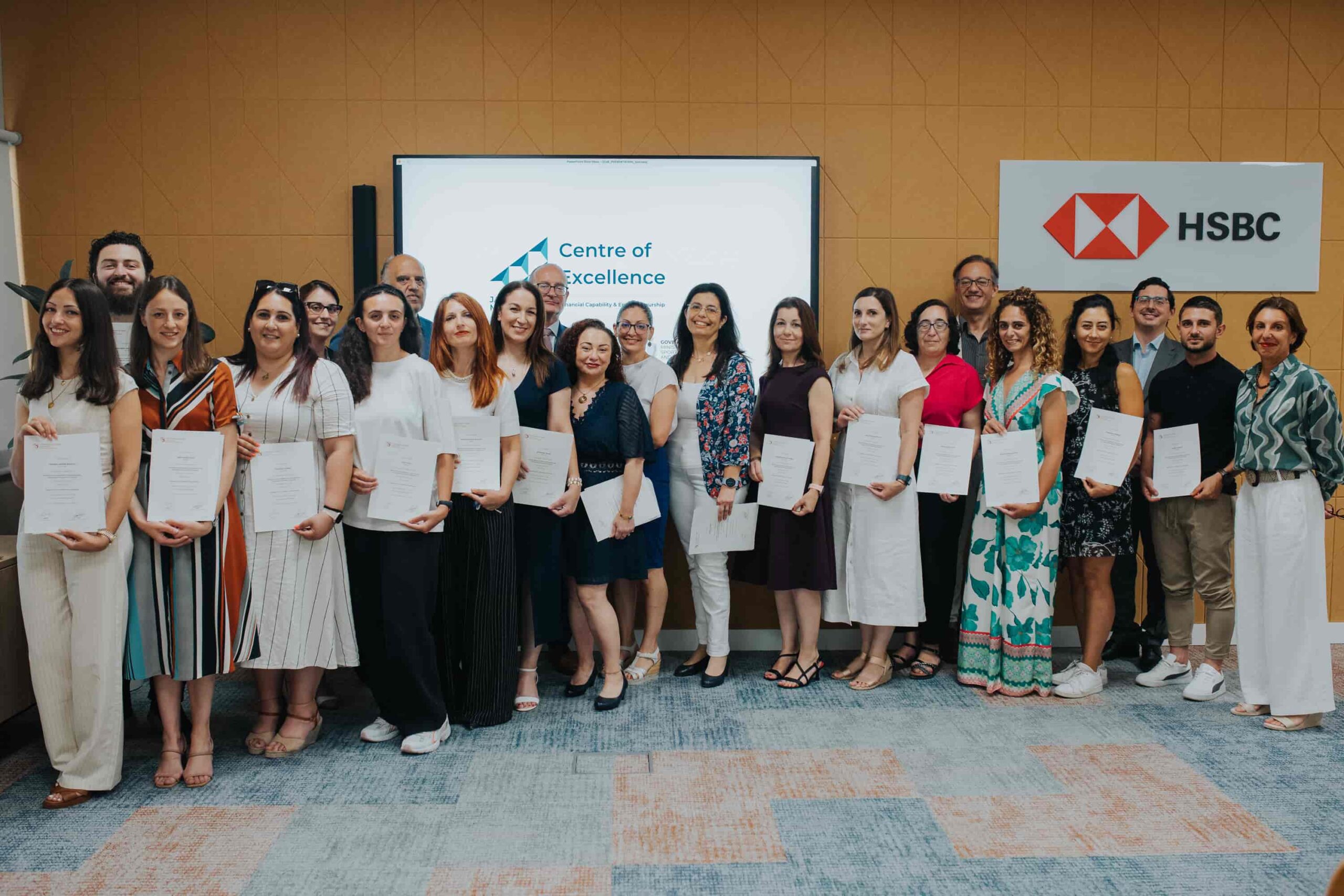
In June 2025, 19 educators were recognised as Accredited Financial Capability Teachers, reflecting months of practical implementation in classrooms. Many of these teachers are now active contributors to the CoE’s community of practice, sharing resources, co-creating activities, and mentoring peers.

Petra Ellul-Mercer, Financial Capability Project Developer at JA Malta, said: “Our vision was clear: financial capability should not be a stand-alone subject but a way of teaching across disciplines. The surge in demand shows that schools and educators are eager for practical training that delivers immediate benefits for students.”

The CoE’s work also connects with broader educational initiatives such as Let’s Talk Farming and Eco Skola, embedding financial literacy into sustainability and entrepreneurship projects. Its hands-on resources include Dilemme, a financial education board game adapted for Maltese classrooms with support from the HSBC Malta Foundation.

Glenn Bugeja, Head of Corporate Sustainability at HSBC Bank Malta p.l.c., added: “This is such an important initiative, and it is encouraging to see it off to such a strong start. By working together with educators and partners, we are helping to build lifelong skills and confidence that young people will carry into their future careers and communities.”

Looking ahead, the CoE will honour the first schools to achieve recognition as Centres of Excellence in Financial Capability & Entrepreneurship at the Digital Finance Frontiers conference on 15 October 2025—one year to the day since its inception.

About the Centre of Excellence in Financial Capability & Entrepreneurship

Launched on 15 October 2024 by JA Malta in partnership with the HSBC Malta Foundation and the Ministry for Education, the CoE equips educators and schools to integrate financial capability and entrepreneurship across the curriculum through accredited training, resources, and mentorship, helping young people become confident, critical thinkers and responsible decision-makers. Click here for more info.