BOV obtains regulatory approval to update and upsize EMTN programme to €650m

Bank of Valletta has renewed and upsized its €500 million Euro Medium Term Note (EMTN) Programme, originally established in 2022, following the receipt of regulatory approval from the Central Bank of Ireland of a base prospectus dated 15th May 2026. The updated programme provides the Bank with the ability to issue up to €650 million in new notes and provides it with continued flexibility to access international capital markets efficiently.

In line with its funding strategy, the Bank is currently considering an issue of up to €300 million Senior Preferred Notes under the programme, to be offered in both the international and domestic capital markets (the “Notes”). This would mark its second benchmark transaction following its successful debut issuance in 2022. The issuance forms part of the Bank’s long‑term funding strategy to support balance sheet growth and strategic development initiatives 

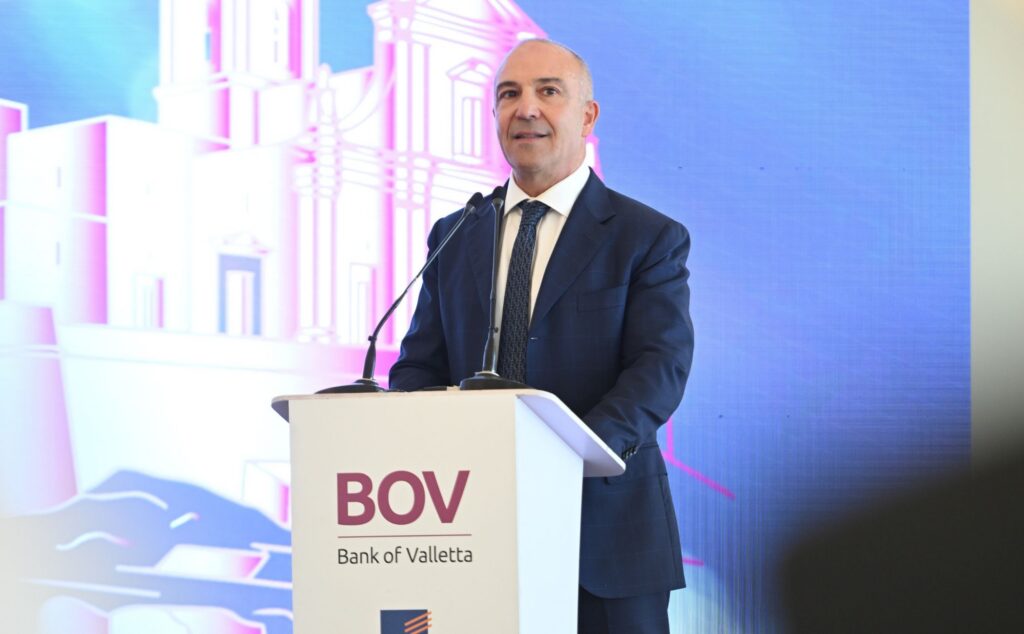
Commenting on the regulatory approval obtained, Dr Gordon Cordina, Chairperson of BOV, said,
“This step marks another important milestone in the Bank’s access to international capital markets. It is aimed to strengthen and diversify our wholesale funding base while supporting the continued optimisation of our liability structure in line with evolving regulatory expectations.”

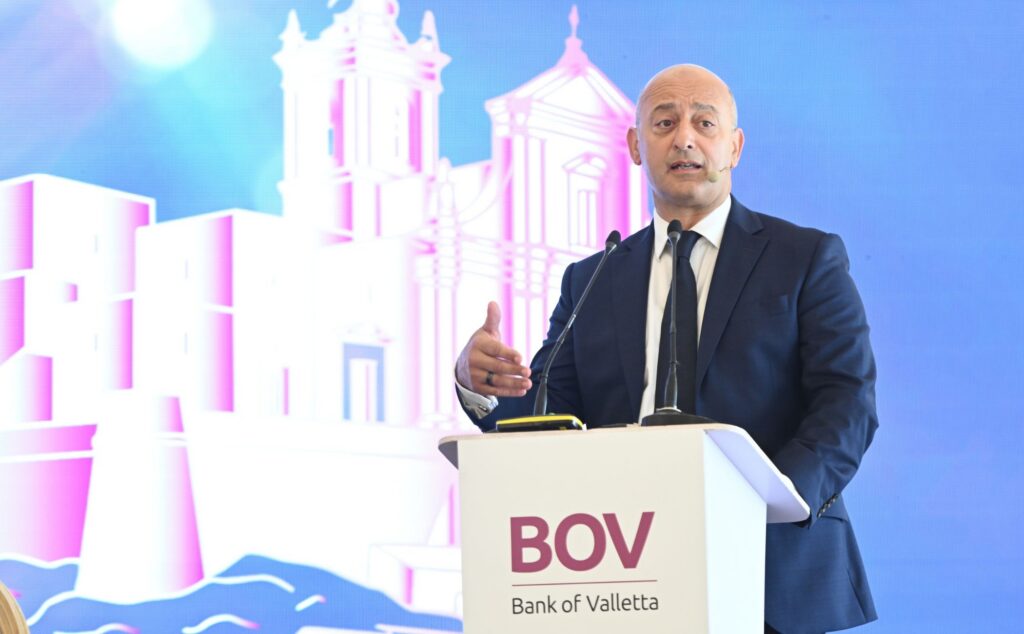
Kenneth Farrugia, BOV Chief Executive Officer, added, “In recent weeks, we conducted a series of non‑deal roadshows across key international markets to present the Bank’s strategy and engage with global investors. The strong level of engagement across these meetings highlights continued confidence in the Bank’s strategic direction, financial performance and robust balance sheet. This expected transaction supports our lending growth and general financing needs, while representing a further step in broadening our investor base beyond the domestic market.”

Given their structure and minimum denomination, as the Notes are intended solely for professional clients and eligible counterparties, the minimum denomination of each Note will be €100,000 (or equivalent). The Notes will not be offered or sold to retail investors in the European Economic Area or the United Kingdom.

The Notes are expected to be admitted to listing on the Official List and to trading on the regulated market of the Irish Stock Exchange, trading as Euronext Dublin.

The Malta Chamber launches its Proposals for the 2026-31 Legislature

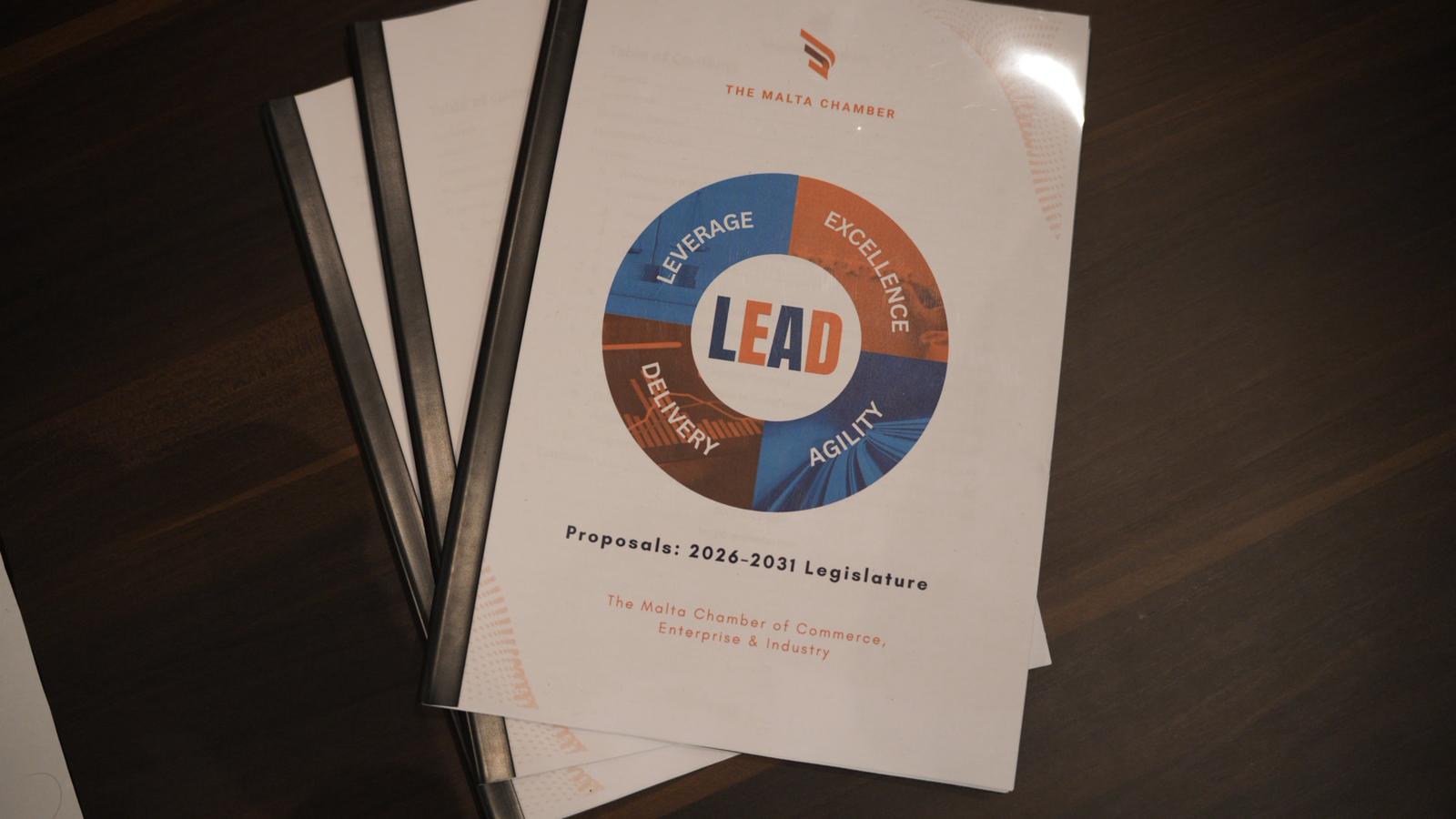
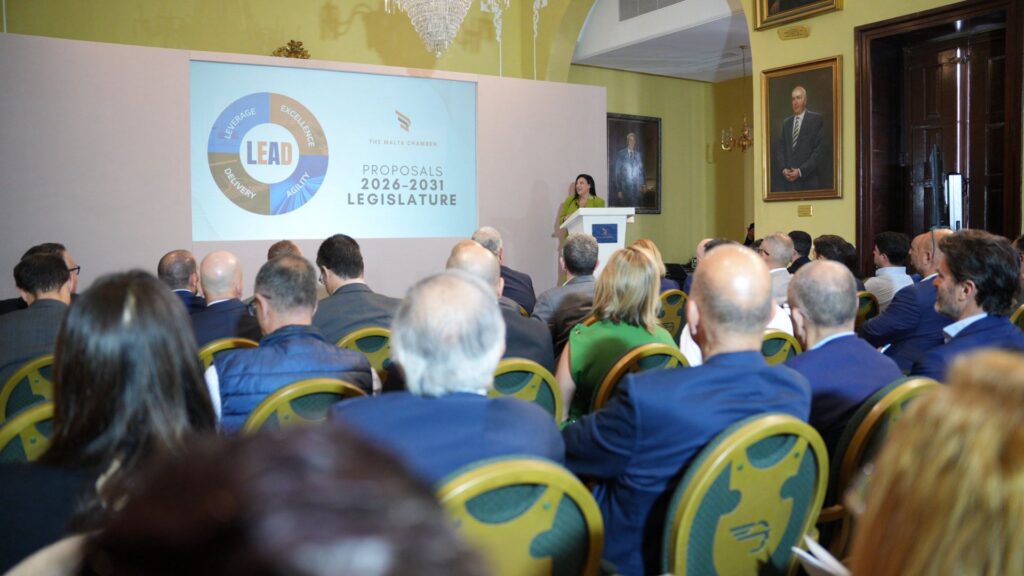
The Malta Chamber of Commerce, Enterprise and Industry launched its proposals for the 2026-31 legislature. The document titled ‘LEAD: Leverage, Excellence, Agility, Delivery’ focuses on what should be the direction of the country in the next 5 years.

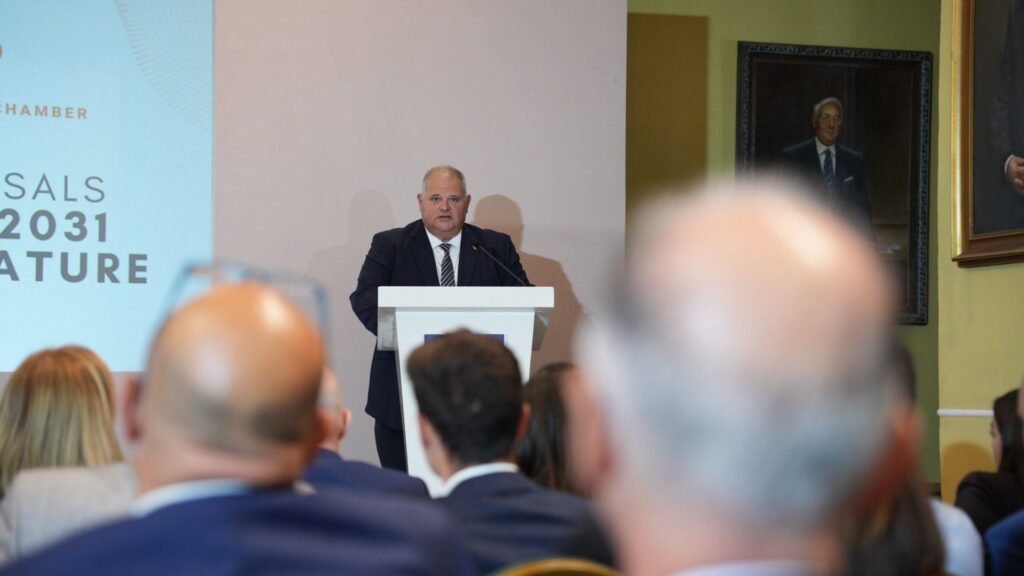
In his opening remarks, The Malta Chamber President, William Spiteri Bailey,  highlighted that these recommendations are not a wish list. “They are a strategic roadmap, grounded in consultation, evidence, and the lived realities of businesses operating in Malta today,” he emphasised.

“A few weeks ago, we addressed the country’s political parties with a clear message: Malta stands at a crossroads. The decisions taken in the next legislature will determine whether we consolidate our progress or allow emerging challenges to erode our competitiveness,” he stated.

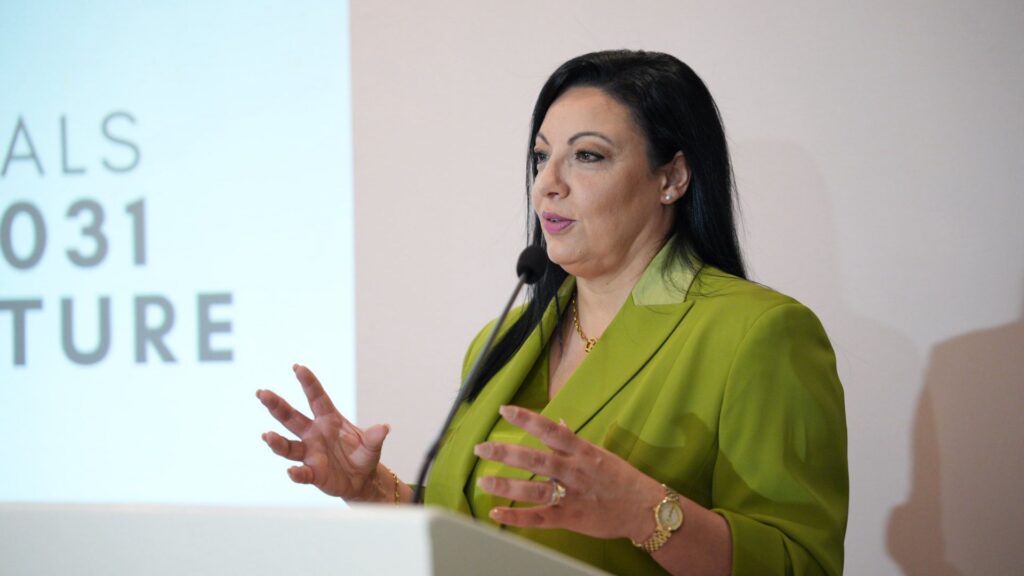
CEO Dr Marthese Portelli presented the 144 proposals. She insisted that to be ready, we must immediately gear up on:

  • Productivity
  • Competitiveness
  • Infrastructure
  • Connectivity
  • Logistics
  • Utilities and Renewables
  • Technology
  • Human Resources
  • Spatial Planning
  • Governance
  • Institutional Agility
  • Quality
  • Excellence

In her presentation, Dr Portelli reiterated that “a Government needs to inspire trust in the general public, as well as in local and foreign investors and international regulatory bodies.  A government needs to foster an ecosystem that promotes economic growth without compromising the quality of life. A Government needs to be truly able to lead the country through current challenges and also challenges that may lie ahead, while at the same time safeguarding the country’s long-term fiscal stability.”

She explained that Malta’s future economic performance will be determined less by how fast it grows and more by how efficiently it functions.

Children’s voices take centre stage during the 15th Young People’s Summit

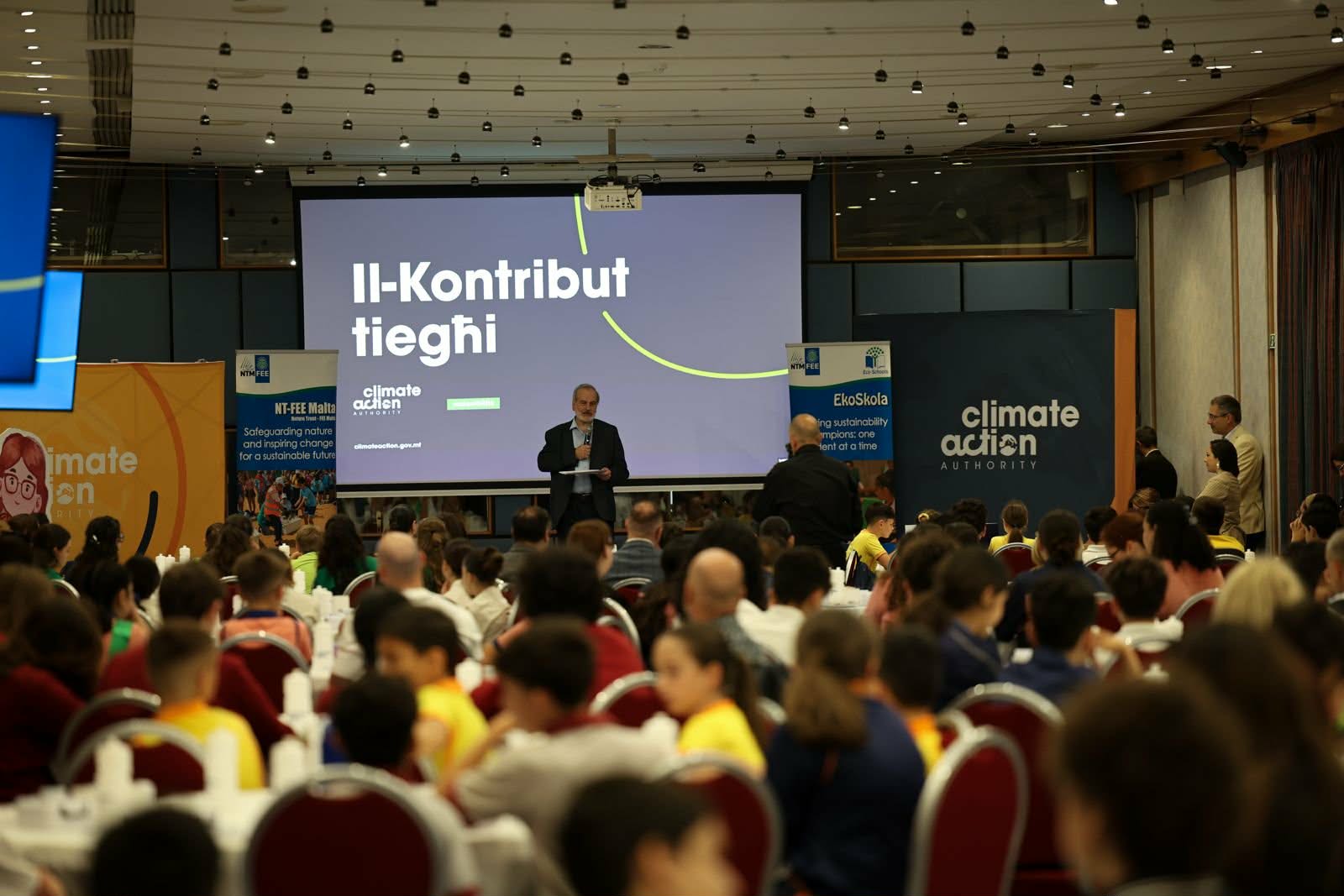
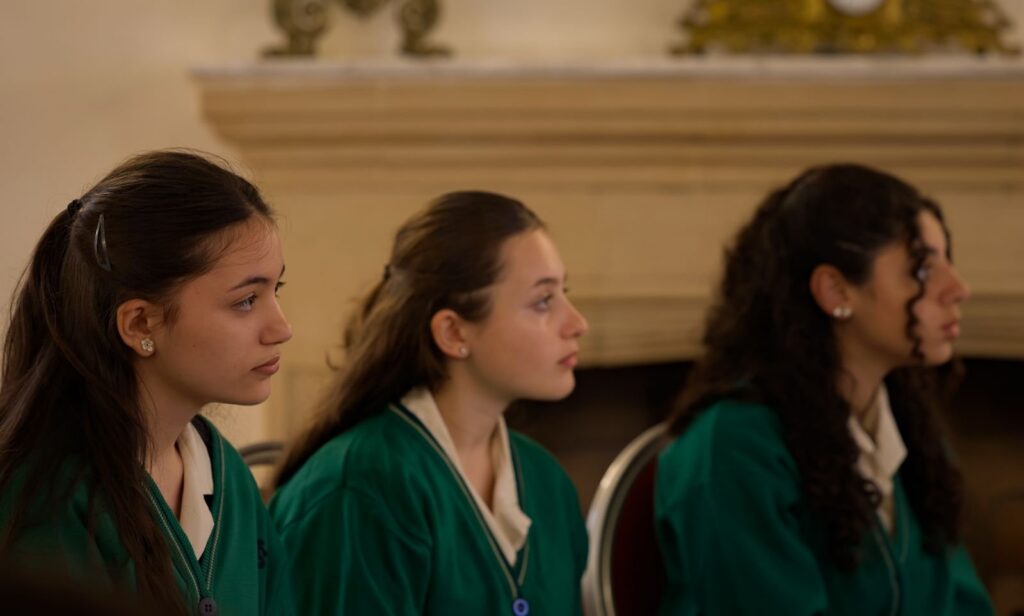
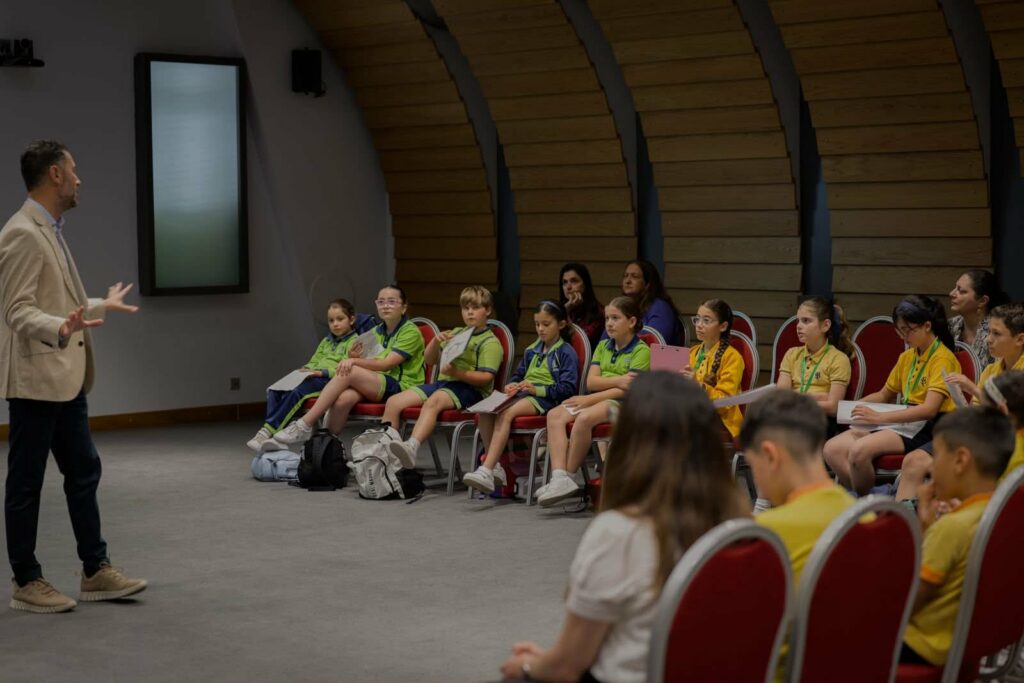
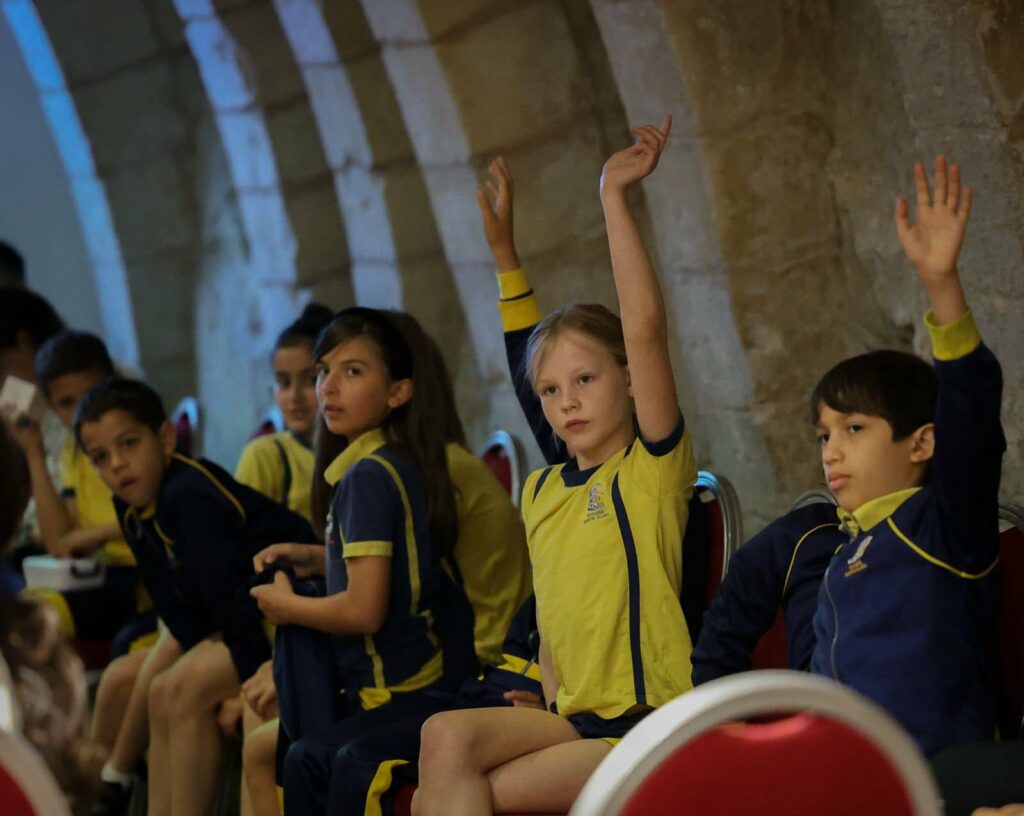
Over 112 students and 43 educators from schools across Malta and Gozo gathered on Monday for the 15th edition of the Young People’s Summit, organised by Nature Trust – FEE Malta through the EkoSkola programme in collaboration with the Climate Action Authority and the Malta ESG Alliance.

The summit continued to provide a national platform where children and young people can actively participate in discussions related to climate action, sustainability, and the future they wish to see for Malta. Through interactive workshops and discussions, students shared ideas, concerns, and practical recommendations linked to environmental and climate-related challenges.

The event opened with welcome addresses by Mr Vincent Attard, President of Nature Trust – FEE Malta, Perit David Xuereb, Chairperson of the Malta ESG Alliance, and Ing. Abigail Cutajar, Chief Executive Officer of the Climate Action Authority.

During the summit, participating students engaged in workshop sessions focusing on the four main pillars of the Envision 2050 where they presented tangible SMART goals with several KPIs in line with the document’s objectives. This was followed by a question-and-answer session with company CEOs from the Malta ESG Alliance. The discussion gave students the opportunity to engage directly with leaders from the business sector on environmental responsibility, innovation, and sustainable practices. Pertinent questions raised and suggestions offered by the students related amongst others to transport, construction and well-being practices.

As a continuation of last year’s initiative, the Climate Action Authority also provided participants with a lunch box and a reusable Ġuża Ħanfusa drinking bottle, further promoting sustainable practices during the event.

The summit concluded with the presentation and approval of the final declaration containing the students’ recommendations and proposals. The Minister for the Environment, Energy, and Public Cleanliness, Hon. Miriam Dalli, attended this concluding session and addressed participants.

Speaking during the summit, Minister Miriam Dalli emphasised the importance of listening to children and young people when shaping climate and environmental policies, noting that initiatives such as the EkoSkola Young People’s Summit help ensure that students’ voices fuels national discussions and future action.

Mr Vincent Attard, President of Nature Trust – FEE Malta, stated that the EkoSkola programme has, for more than twenty years, continued empowering children to participate actively in environmental decision-making processes. He highlighted that students are not only expressing concern about environmental challenges but are also proposing the best practical solutions that can positively influence schools, communities, and the country as a whole. Mr Attard also thanked two corporate partners in the EkoSkola programme, HSBC Bank Malta and Atlas Insurance, who have been instrumental for this programme’s success in the Maltese Islands.

Ing. Abigail Cutajar reiterated that the Climate Action Authority considers young people important partners in climate action efforts and gave tangible examples of how the authority worked on the suggestions put forward by students in the past edition. She also stressed the importance of continuing to create spaces where students can meaningfully contribute to discussions on sustainability and environmental responsibility.

Perit David Xuereb highlighted the importance of collaboration between schools, public entities, and the private sector in building a more sustainable future, while encouraging continued dialogue between young people and businesses on environmental, social, and governance practices to ensure resilience in economic and wellbeing practices.

The declaration approved during the summit will continue contributing to ongoing discussions related to environmental and climate action initiatives, reinforcing the importance of youth participation in shaping a more sustainable future.

Since the Parliament is presently dissolved due to the upcoming general election, the yearly EkoSkola Parliament session will not be held this year. EkoSkola students will be presenting the declaration to the main party leaders in the coming days as a memorandum, to be considered for their respective electoral manifestos.

Patching an old coat: why most AI deployments miss the point

By Rachel Cauchi – RSM Malta Manager, Digital

There is a conversation happening in boardrooms across Malta right now. It usually starts with a simple question: “Should we be doing something about AI?”

The question itself is understandable. The urgency behind it, however, is often misplaced.

Because the real issue is not whether AI is coming for your business. It is whether the executive sitting across from you at your next industry event has already begun deploying it, and what that will mean for your competitive position twelve months from now.

The barrier to entry has disappeared, and the biggest barrier now is internal

Not long ago, AI-powered automation was largely reserved for multinational corporations with substantial budgets and specialist technology teams. That is no longer the case.

Today, businesses of all sizes can access tools capable of automating repetitive, manual, and time-consuming processes that quietly consume valuable operational capacity every day. Invoice processing, customer onboarding, internal reporting, document handling, and data reconciliation can now be streamlined at a cost that many organisations can realistically justify.

This is not a future scenario. It is already happening in businesses comparable to those operating in Malta.

As a result, the conversation around AI has fundamentally changed. The biggest obstacle is no longer technology, cost, or availability. In many cases, it is hesitation. Every month spent delaying decisions around AI adoption is another month in which competitors may be building efficiencies, improving decision-making, and strengthening their operational advantage.

The quick wins matter, but they are only the beginning

The immediate benefits of AI adoption are very real.

Automating routine processes can reduce errors, accelerate workflows, improve visibility, and free employees from repetitive administrative work. In many cases, organisations begin seeing measurable returns within a relatively short period of time.

These early successes are important for another reason: they build organisational confidence. Once leadership teams and employees experience tangible improvements, AI stops being viewed as an abstract concept and becomes something practical and commercially relevant.

For many organisations, this is the right place to begin. Identify a process that is manual, repetitive, and clearly defined. Improve it. Measure the outcome. Demonstrate the value.

That is a sensible and often necessary first step.

Where businesses often go wrong

The problem is not the quick win itself. The problem is when it becomes the entire strategy.

Many businesses proudly point to several automated processes across their operation. Individually, these improvements may be effective. But when viewed collectively, the broader operating model often remains unchanged.

In these cases, AI has simply been layered onto existing ways of working rather than being used to rethink them.

This is the critical distinction many organisations miss. Improving an outdated process is not the same as questioning whether the process should continue to exist in its current form at all.

Businesses that treat AI solely as a tool for incremental efficiency risk limiting its long-term value. In some cases, this can create a false sense of progress, where organisations believe transformation has occurred simply because several tasks have been automated.

The more important question leaders should be asking

Meaningful AI adoption requires organisations to step back and look at the bigger picture.

Instead of asking which tasks can be automated, businesses should ask a more strategic question: if we were designing this organisation today, with these technologies available, what would we do differently?

That question is significantly more challenging.

It may require organisations to rethink workflows, reporting structures, customer journeys, decision-making processes, and in some cases even elements of the business model itself. It demands leadership teams that are willing to challenge established assumptions rather than simply optimise them.

The businesses that will derive the greatest long-term value from AI will not necessarily be those that automate the highest number of processes. They will be the organisations that use AI adoption as an opportunity to fundamentally rethink how they operate, compete, and create value.

A strategic opportunity for Maltese businesses

Malta’s business landscape is uniquely positioned to benefit from this shift. The agility of many local organisations allows decisions to move faster than in larger markets, creating opportunities for businesses willing to act decisively and strategically.

But speed alone is not enough. AI adoption without direction can easily become fragmented, reactive, and disconnected from broader business objectives.

The organisations that will succeed are those that combine experimentation with strategic thinking. They will use early deployments to build momentum, but they will also ensure that leadership remains focused on the wider operational and commercial implications of AI.

The window for strategic AI adoption is open, but it will not remain open indefinitely.

Businesses that approach AI thoughtfully today will be far better positioned to compete tomorrow.

If your organisation is exploring how AI can move beyond isolated efficiencies and become a genuine driver of operational transformation, the team at RSM Malta can help you assess opportunities, identify practical use cases, and build a strategy that aligns technology adoption with long-term business objectives.


Gozo’s Economy: the Context and Future Direction

Bank of Valletta, in collaboration with the Gozo Business Chamber, organised a conference titled ‘Gozo’s Economy: The Context and Future Direction’, bringing together key stakeholders to discuss Gozo’s economic landscape amid an increasingly complex and uncertain global environment. The conference assessed Gozo’s economic performance, examined emerging challenges, and explored opportunities that can shape its future trajectory.

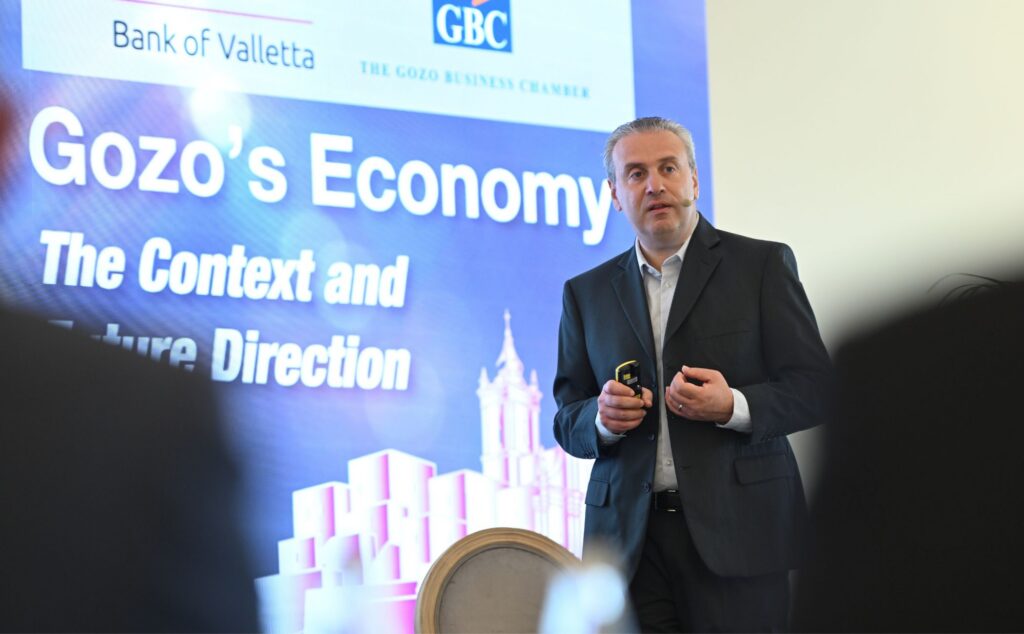
Malcolm Bray, Head of BOV’s Economics Department, delivered a presentation outlining the salient features of Gozo’s economy, highlighting both recent developments and the structural challenges shaping its future trajectory.

Gozo has continued to record economic growth broadly in line with Malta, although performance has remained more volatile, reflecting the island’s narrower and less diversified economic base. In 2024, Gozo generated close to €1 billion in gross value added, representing just over 4% of Malta’s overall economic output.

The population of Gozo has increased in recent years, mirroring national trends. Nevertheless, Gozo continues to face demographic pressures linked to ageing. Employment remains heavily concentrated in services, and unemployment remains low, underscoring a tight labour market.

Tourism activity has recovered strongly since the pandemic, supported by improved connectivity. However, Gozo continues to function primarily as a short‑stay destination. Property market activity has stabilised, with rents remaining more affordable than in Malta. Household wealth is among the highest nationally, largely reflecting high rates of property ownership.

Concluding his presentation, Mr Bray noted that “looking ahead, aligning investment, policy and finance with a higher‑value, sustainable and innovation‑led vision will be critical for Gozo to strengthen economic resilience while preserving its distinct identity.”

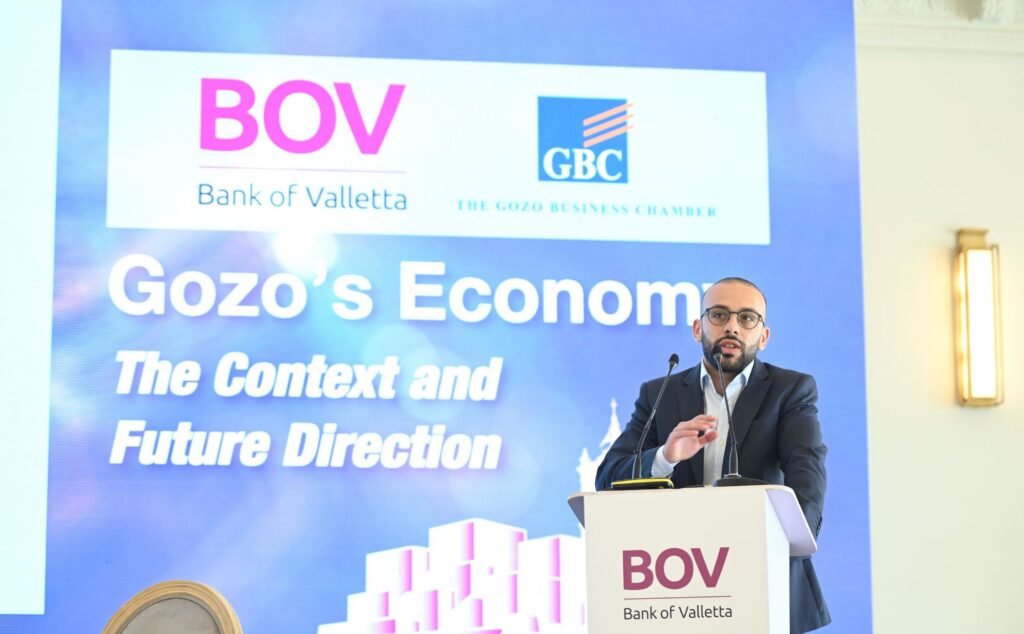
Juergen Attard, Senior Manager Policy & Research, Gozo Regional Development Authority (GRDA), focused on ‘Gozo’s Economic Future: Opportunities Through a Vibrant Start-Up Ecosystem’.  He remarked that “Gozo’s economy has made significant progress, with sustained growth and near full employment. The next phase is to build on this momentum by diversifying into higher value-added sectors and improving the quality of employment, ensuring that Gozitans can continue to live and work on the island. An important component of this transition is the development of a vibrant start-up ecosystem, supported by an integrated framework that encourages innovation, entrepreneurship, and higher value-added economic activity.”

Michael Galea, President of the Gozo Business Chamber, stated, “The real opportunity for Gozo is not to replicate Malta’s model, but to redefine its own. Gozo has to build a resilient, innovative and high-value economy.” This was echoed by Daniel Borg, Chief Executive Officer of the Gozo Business Chamber, who highlighted the growing number of high value-added companies in Gozo, especially in the digital sector, which are mainly local. “With the right enabling environment, we can move towards an ecosystem of companies, which can help other start-ups succeed in this sector.  Nonetheless, I believe that our focus should also revolve around youth. The Chamber, through the youth4entrepreneurship programme, is trying to instil in young entrepreneurs the confidence to pitch their business ideas about Gozo.  We should continue to develop further such a framework,” he added.

In his closing remarks, Kenneth Farrugia, Chief Executive Officer of Bank of Valletta, stressed that Gozo’s future depends on a clear shift towards quality‑driven, sustainable development, enabled through strong collaboration. He said that Gozo’s double insularity should be deliberately leveraged as a strategic advantage, positioning the island as an exclusive, high‑value destination supported by disciplined planning and responsible investment. Mr Farrugia outlined the need for targeted financing for quality tourism and value‑added enterprise, improved connectivity and digital infrastructure, and sustained investment in skills and talent retention, noting that BOV has a key role to play in enabling these outcomes. He concluded that turning vision into reality will require alignment between policymakers, the business community and financial institutions to ensure Gozo’s long‑term resilience and competitiveness.

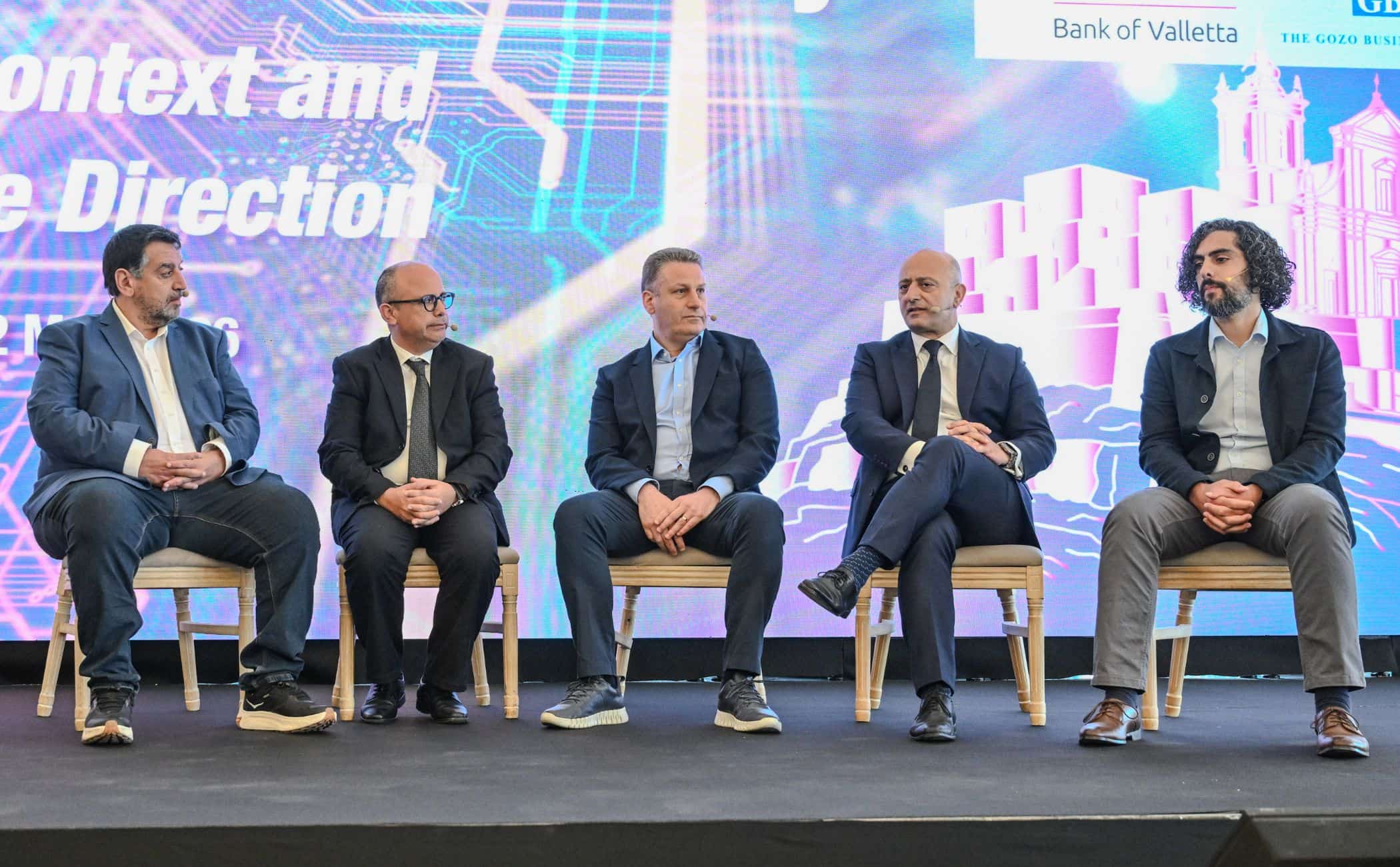
Kenneth Farrugia and Daniel Borg also participated in the panel discussion, alongside Ivan Falzon, CEO of the Gozo Regional Development Authority (GRDA); Mario Buttigieg, CEO of Fiduscorp Limited; and Omar Tanti, CEO of Threls. The discussion focused on Gozo’s economic resilience and weaknesses, investment and access to finance, infrastructure and sustainability, digital transformation and talent, as well as entrepreneurship and capital attraction. 

BOV reopens Xewkija agency following major overhaul

Bank of Valletta has reopened its Xewkija Agency following months of extensive refurbishment works. The works entailed a complete overhaul of the internal layout, allowing for a more welcoming and modern look and feel. Furthermore, to complement the reopening of the Agency, residents now have access to a new ATM, which can be found inside the Local Council premises.

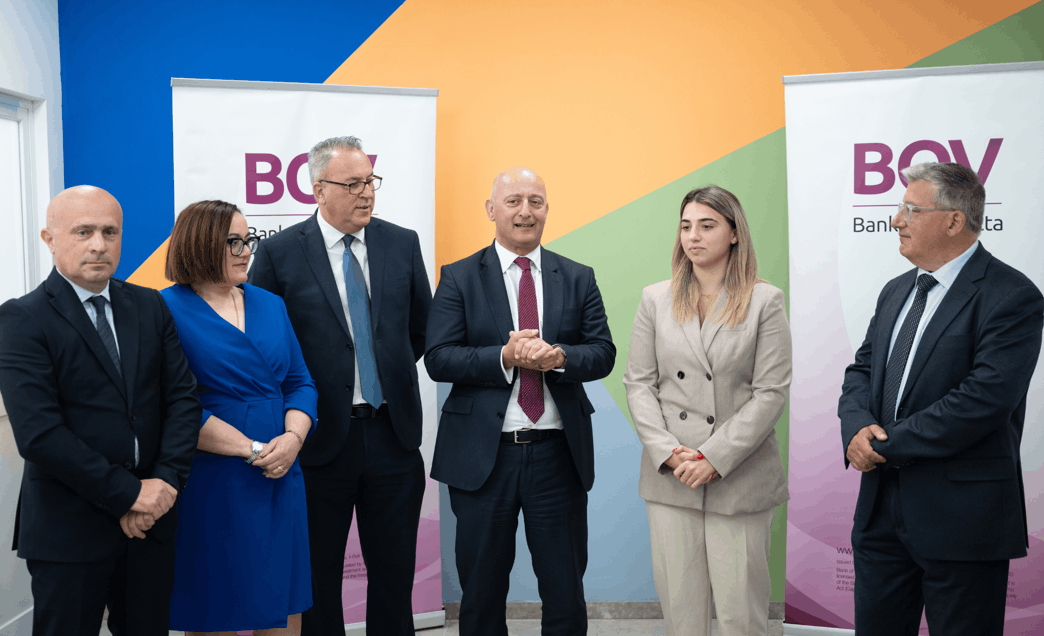
The completion of the regenerative project was inaugurated by the Bank’s CEO Kenneth Farrugia, Chief Personal and Wealth Officer Simon Azzopardi and Chief Operations Officer Ernest Agius, in the presence of Xewkija Mayor, Simona Refalo.

Speaking at the inaugural event, BOV CEO Kenneth Farrugia remarked that “with the reopening of our premises in Xewkija, we enter another phase of the Bank’s Renovation Program. The program aims to upgrade our customer touchpoints, and now marks 11 refurbished branches and agencies, two new Financial Well-being Centres, a new Investment Centre in Sliema, as well as a refurbished BOV Centre and a new Business Hub. This is in line with our objective of offering a better experience for our customers and a more pleasant working environment for our employees, thereby confirming our position as the Bank of Choice in both Malta and Gozo.”

Simon Azzopardi and Ernest Agius spoke about the importance of the Bank’s physical presence in Gozo, highlighting that, with over 30 branches and agencies across Malta and Gozo, Bank of Valletta is the island’s most physically present bank. In Gozo, that includes BOV’s main Victoria branch, agencies in Nadur, Xagħra and Xewkija, and the newly opened Sannat Financial Well-being Centre. This year, the Bank will make significant progress in the program, with further renovations planned. Ernest Agius also emphasised the work being done to reduce the Bank’s carbon footprint through several ESG-friendly measures that were implemented during the refurbishment works.

Xewkija Mayor Simona Refalo thanked Bank of Valletta on behalf of the residents for its commitment to renew and improve its services in the locality. She said that the residents are also appreciative of the newly installed BOV ATM, which is housed on the Local Council’s premises.

In the coming months, the Bank will continue working to improve the premises of its Branch network while enhancing its digital banking platforms.