11 November, 2026
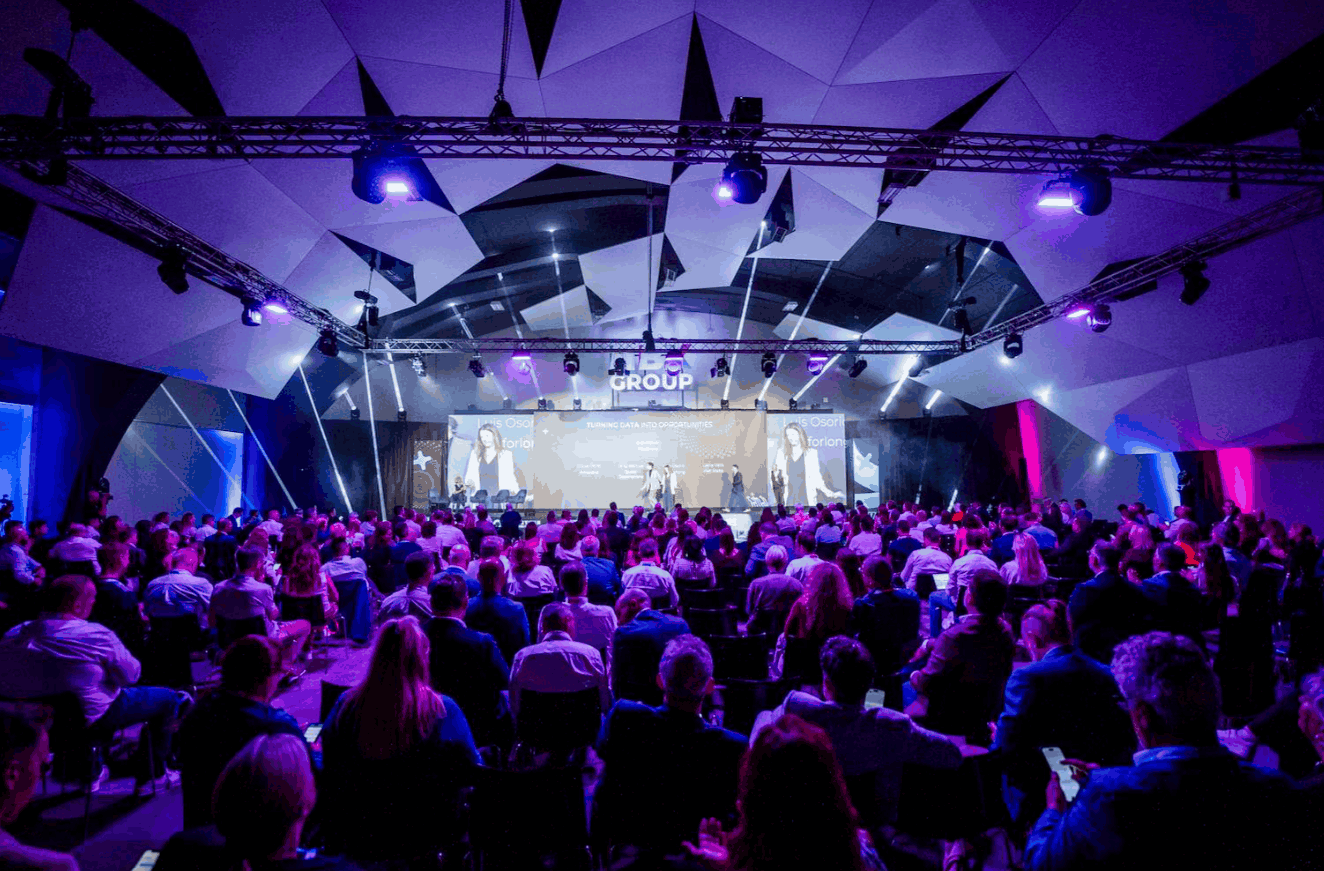
When an event runs smoothly, guests rarely think about the technology behind it. They hear every speaker clearly, see every presentation and experience the lighting and visuals exactly as intended. That seamless experience, however, is rarely accidental.
Audiovisual production plays a fundamental role in how an event is experienced, yet it can still be treated as one of the final items on a planning checklist. Involving technical teams earlier can make a significant difference to both the quality of an event and the efficiency of its delivery.
Every venue presents different challenges
Room size, ceiling height, natural light, acoustics, audience capacity, stage positioning and available power can all influence an audiovisual setup. A solution designed for a hotel ballroom may not translate directly to an outdoor venue, conference hall or unconventional event space.
Considering these factors early allows technical decisions to work alongside the wider event plan. Screen positioning affects seating and sightlines. Lighting influences staging, atmosphere and branding. Speaker placement needs to account for both the venue and the audience. AV therefore works best when it is considered part of the event environment rather than equipment added to it afterwards.
Technology needs a purpose
The possibilities available to organisers are also expanding. LED displays, projection mapping, creative lighting, special effects and drone shows can all create memorable moments and transform how audiences experience an event. More technology, however, does not automatically mean a better production.
A corporate conference may prioritise clarity, reliability and presentation visibility, while a product launch or large public event may call for a much more visual experience.
The starting point should always be the objective. At Equipp, this means looking at audio, lighting, visuals, staging and other technical elements collectively before determining the most appropriate solution for the event.
Newer technologies such as synchronised drone displays can extend that experience beyond the traditional stage, creating customised aerial visuals, animations and even brand elements. Their impact is strongest when they form part of the wider production rather than being treated as a standalone addition.
The real work happens before guests arrive
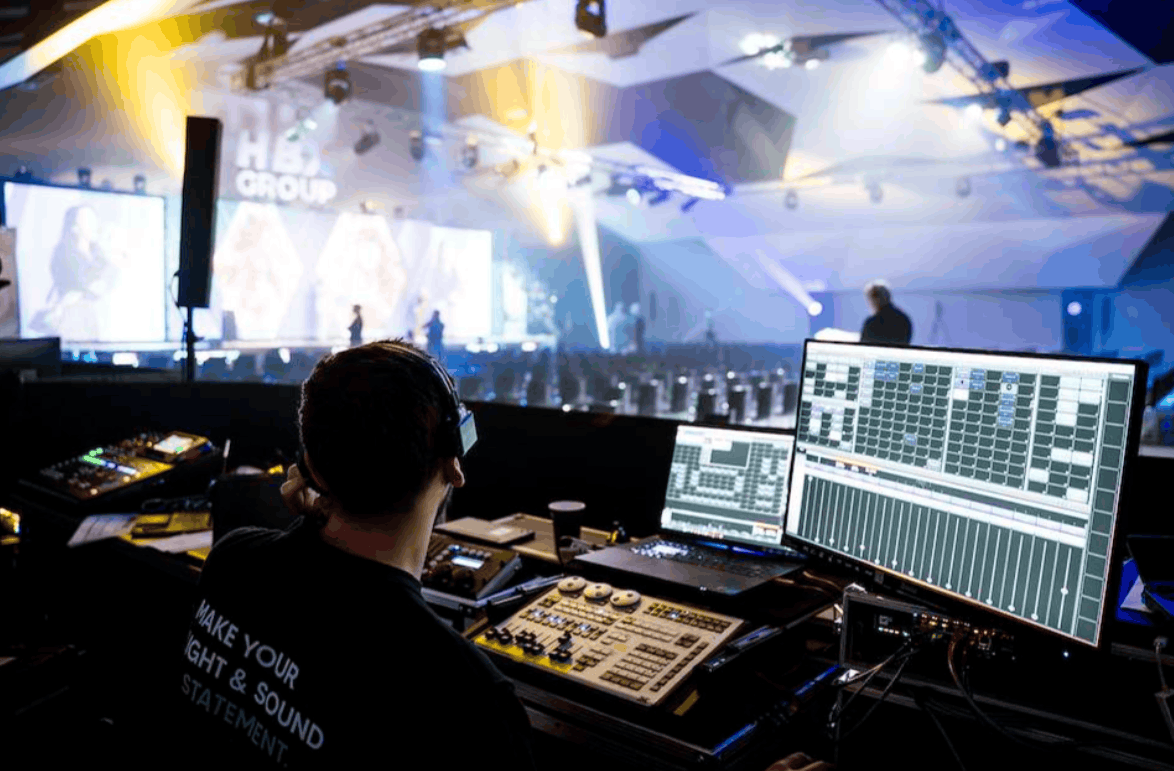
Much of successful technical production happens long before an event begins. Site visits, equipment selection, installation planning, sound checks, programming, screen testing, rehearsals and contingency planning all contribute to what the audience eventually experiences. Contingency planning is particularly important. Live events offer little opportunity to correct problems once an audience is already in the room. Experienced technical teams, backup solutions and thorough preparation help ensure that unexpected issues can be handled without disrupting the event itself.
Early collaboration between organisers, venues and audiovisual teams can also reduce last-minute changes and prevent different production elements from conflicting with one another.
Ultimately, successful AV is not defined by how much equipment is visible.
It is defined by whether the technology supports the message, creates the right atmosphere and allows the event to operate smoothly.
The best technical production is often the work the audience never has to think about.
...
...
...
...
...