07 August, 2026
Bold decisions need to be taken immediately and actioned without further delay
The Malta Chamber of Commerce, Enterprise and Industry has been consistently putting forward concrete proposals to address Malta’s traffic and mobility crisis throughout the last legislature. We have done so in published press releases, consultation documents, pre-Budget submissions, pre-election submissions and sector-specific proposals because the status quo is not sustainable. Yet, despite repeated warnings and practical suggestions, very few of the Chamber’s recommendations have been taken on board in any meaningful way.
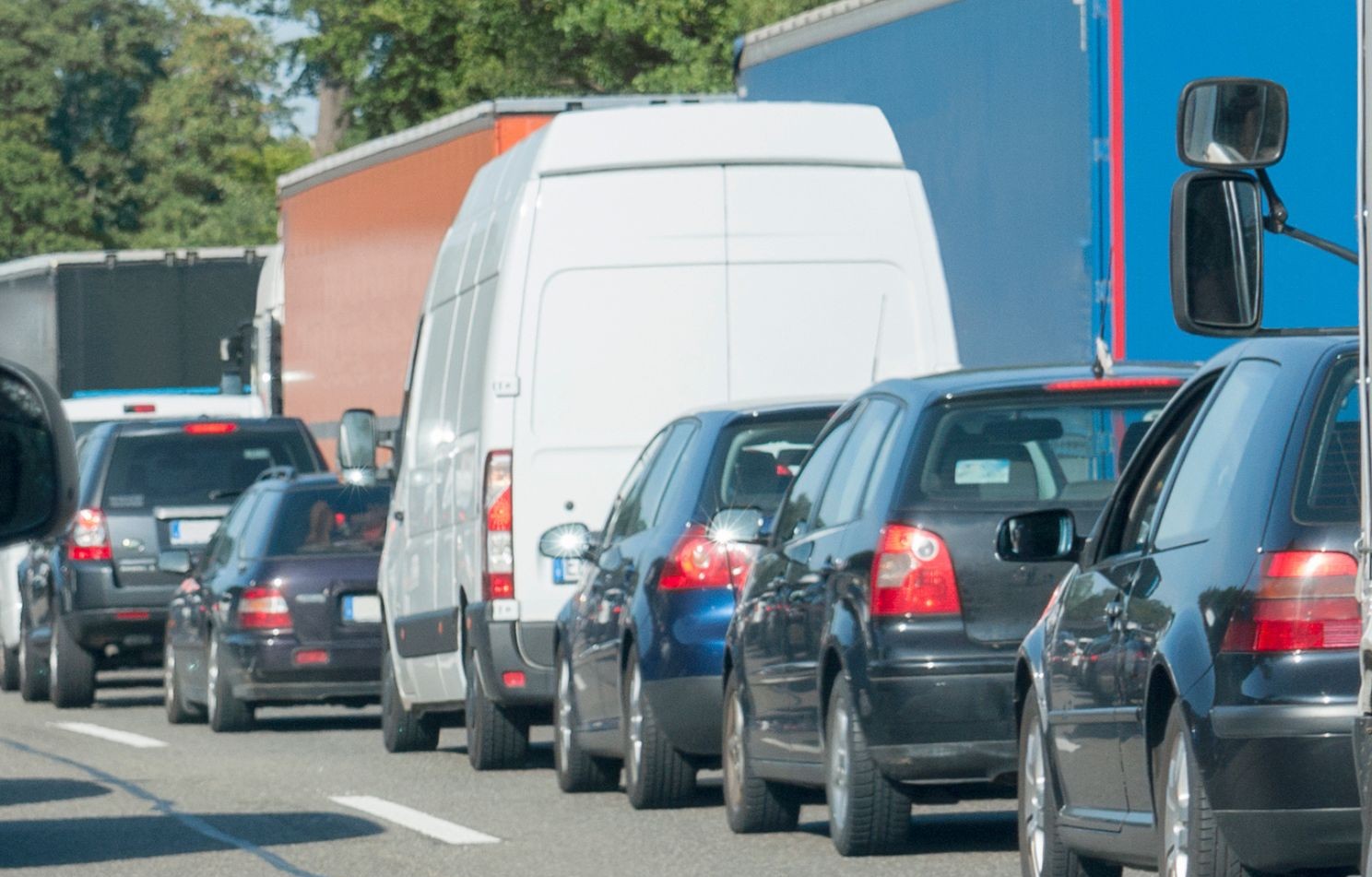
Traffic is not merely an inconvenience. It is a drag on national productivity, a daily cost to businesses, a burden on workers, has negative effect on the wellbeing and a serious obstacle to Malta’s competitiveness. Lost time in congestion translates directly into delayed deliveries, missed appointments, reduced efficiency, higher operating costs, and lower quality of life. When traffic becomes normalised, the country pays for it in hours lost, fuel wasted, wellbeing reduced and business opportunities diminished.
The Malta Chamber has said this repeatedly: a real shift in behaviour will not happen through incentives and positive reinforcement alone. If the objective is to reduce private car dependency, disincentives must also form part of the policy mix. Without a balanced approach that includes practical alternatives and measures that make continued car use less attractive in peak conditions, behavioural change will remain limited and the roads will remain congested.
It is highly concerning that the implementation of measures to improve quality of life and productivity is lagging far behind. In an age of digitalisation and AI, Malta is still discussing basic coordination issues, with too many roadworks, permits and transport decisions still managed in fragmented ways. The country cannot continue deploying manpower to manage roundabouts and congestion manually when intelligent traffic-light systems, smarter data tools, and better coordination platforms should already be standard.
The Malta Chamber therefore reiterates its call for a fundamental change in the way traffic is managed. This is not a matter of isolated fixes; it requires a coherent national effort, backed by strong governance, proper coordination and the political courage to take decisions that may be difficult in the short term but are essential for the country’s long-term health.
The Malta Chamber’s proposals include the following:
• Introduce mobility e-wallets funded through targeted urban parking and congestion-management revenues, so that the scheme promotes actual modal shift.
• Use an AI driven solution through which local councils process domestic and business requests for road closures and permits, including an interactive public-facing platform to give residents and businesses advance visibility of disruptions to allow for their proper planning. This system should build on and be an integral part of the internal system being used between various government entities intended to minimize road disruptions and which currently is lacking on the public-facing on-the-fly information updates.
• Introduce a public-facing platform for local council domestic and business requests for road closures, giving residents and businesses advance visibility of disruptions. This should complement the existing coordination system between entities, while addressing the missing public-facing element.
• Reform school transport through geographic pooling and wider use of supervised walking and community-based initiatives to reduce school-front congestion.
• Deploy smart parking information systems in congestion-prone localities to reduce unnecessary circulation in search of parking.
• Roll out smart mobility and logistics solutions for commercial areas, including loading-bay management, delivery-slot booking and enforcement tools.
• Use public-private partnerships to relocate on-road parking into underground or multi-storey facilities, while freeing surface space for more efficient mobility uses.
• Develop logistics consolidation hubs where evidence supports them, in order to reduce duplicate freight trips and improve competitiveness.
• Link public funding for transport and infrastructure to independently verified mobility outcomes, so that money follows results, not promises.
The Malta Chamber urges Government to heed these proposals with urgency and seriousness. Malta can no longer afford piecemeal measures, slow implementation and half-measures that fail to address the root causes of congestion. If Government does not act decisively now, the country risks entrenching inefficiency, weakening competitiveness and failing residents, workers and businesses alike. It’s time to break the gridlock!
...
...
...
...
...

...


...

...