07 August, 2026

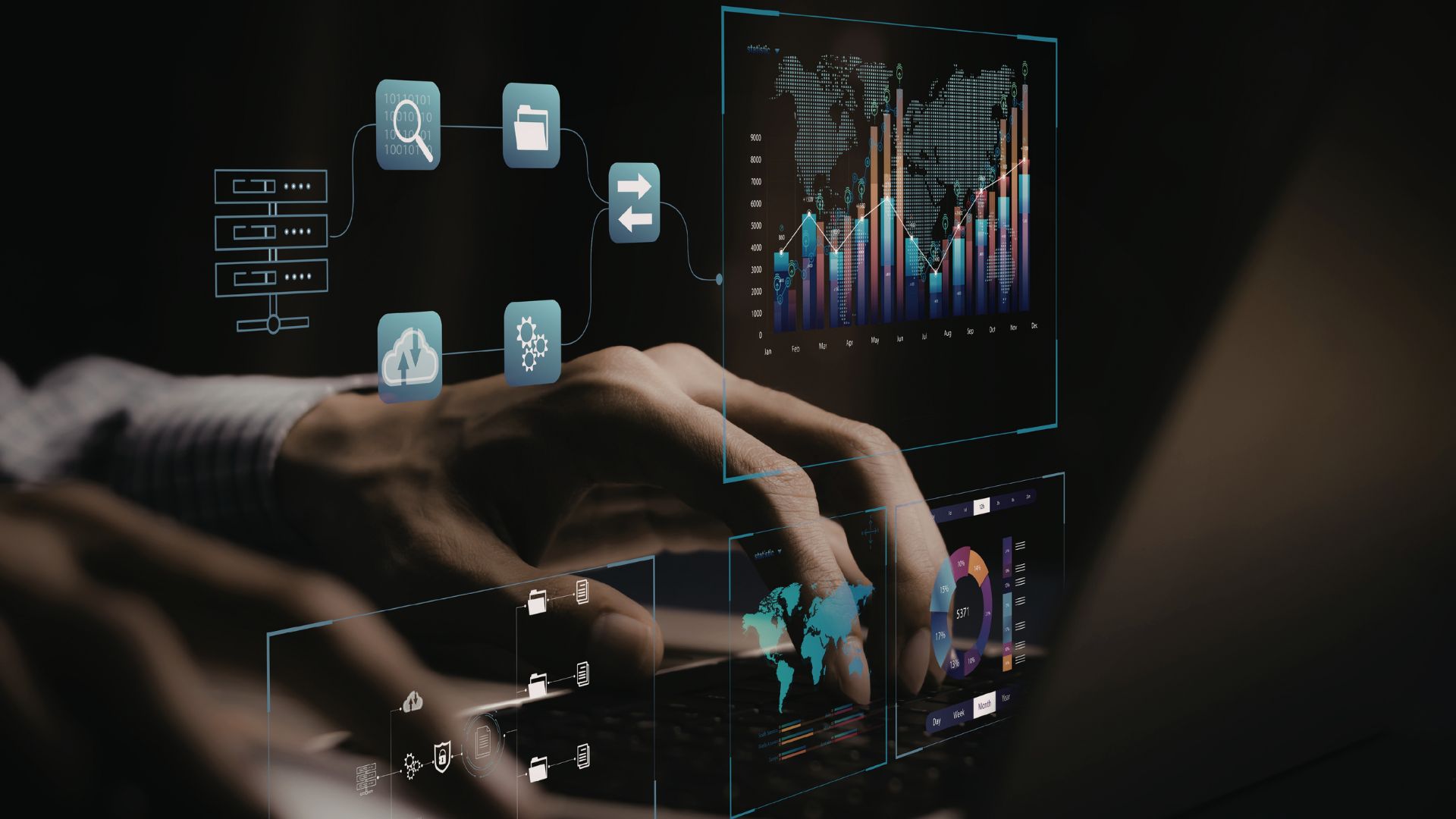
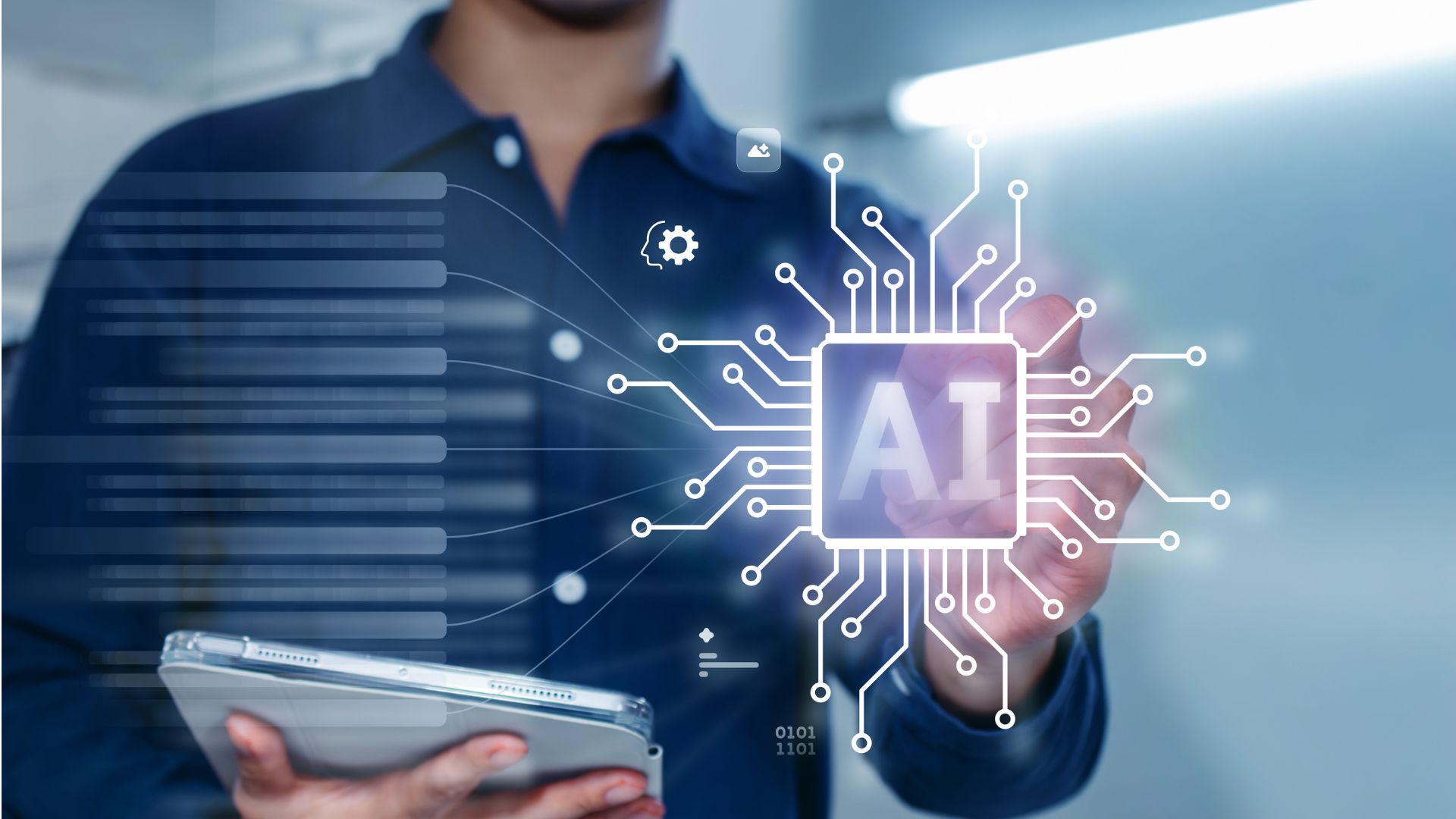
Integrating Artificial Intelligence (AI) with KAIZEN™, the practice of relentless, employee- led incremental improvement, creates a powerful engine for operational excellence, but it does not make Kaizen obsolete. Kaizen is not a technique to be switched on and off; it’s a culture: small, continuous experiments driven by frontline staff, disciplined problem-solving, and waste elimination. For businesses, Kaizen delivers dependable, low-cost gains in quality, lead time and morale because improvements are local, practical and sustainable. AI should be seen as an amplifier of that culture, a way to scale insight, speed decision-making and automate routine tasks so people can focus on higher-value improvements, rather than a replacement. For Maltese companies seeking resilience and growth, combining Kaizen’s human-centred rigour with targeted AI tools unlocks faster, more enduring results than either approach alone.
KAIZEN™ builds the culture and discipline for steady improvement; AI supplies scale and speed. Organisations with established improvement mindsets find it easier to adopt AI because they already measure, test and act on small experiments. In practice, AI provides precise, real-time insights that make improvement cycles faster and more targeted, while automation frees employees from repetitive work so they can concentrate on higher-value problem solving. Together they turn reactive fixes into proactive, data-driven improvements, anticipating issues and acting before small problems become expensive ones.
Machine Learning (ML) is the backbone of these advances: by detecting subtle patterns in large datasets, ML models can automatically tune processes, reduce defects and optimise logistics in ways that would be impossible by manual analysis alone. Natural Language Processing (NLP) transforms unstructured text such as customer reviews, support logs and internal reports into ranked, actionable themes so teams can prioritise improvements based on real voice-of-customer evidence. Predictive analytics uses historical and streaming data to forecast demand, supplier risk and equipment health, enabling teams to plan interventions rather than firefight. AI chatbots and modern large language models (LLMs) enhance service delivery and capture structured insights from everyday customer interactions, feeding continuous learning loops.
Start with culture: a KAIZEN™ mindset encompassing openness to change, small rapid experiments and data-driven decision-making is the single most important enabler of AI success. Choose use cases strategically, focusing on measurable, high-impact problems such as machine uptime, first-call resolution or inventory turns where gains are visible and quantifiable.
Invest in people: train teams to interpret AI outputs and to use them as inputs to improvement experiments rather than as replacements for judgement.
Finally, measure outcomes rigorously and treat early projects as pilots: document learning, measure ROI in terms the business cares about (cost, quality, lead time) and scale what demonstrably works.
AI projects generate and depend on large volumes of data, including personal or commercially sensitive information; this makes robust data governance non-negotiable. It is important for companies to ensure GDPR compliance where relevant, adopt encryption and access controls, and conduct regular audits and risk assessments so that data use remains ethical, lawful and aligned with customer expectations. Clear policies and transparency about how AI is used will preserve trust as systems scale.
The Internet of Things (IoT) brings continuous, machine-level telemetry that feeds richer AI models and enables real-time adjustments. Augmented Reality (AR) can be a powerful training and operational aid, helping employees apply improvements on the shop floor with step-by-step visual guidance. Cloud platforms make advanced analytics accessible to SMEs without heavy capital investment, lowering the barrier for Maltese firms to experiment and capture quick wins.
AI does not replace KAIZEN™, it magnifies it. For Maltese businesses aiming to compete and grow, coupling disciplined continuous improvement with targeted AI delivers faster, measurable gains: fewer failures, smarter services and a more agile organisation. The practical advice is simple: cultivate the right culture, pick focused use cases, train your
people, and measure relentlessly. Start small, scale what works, and let AI expand the reach of Kaizen across the organisation.
...
...
...
...

...


...