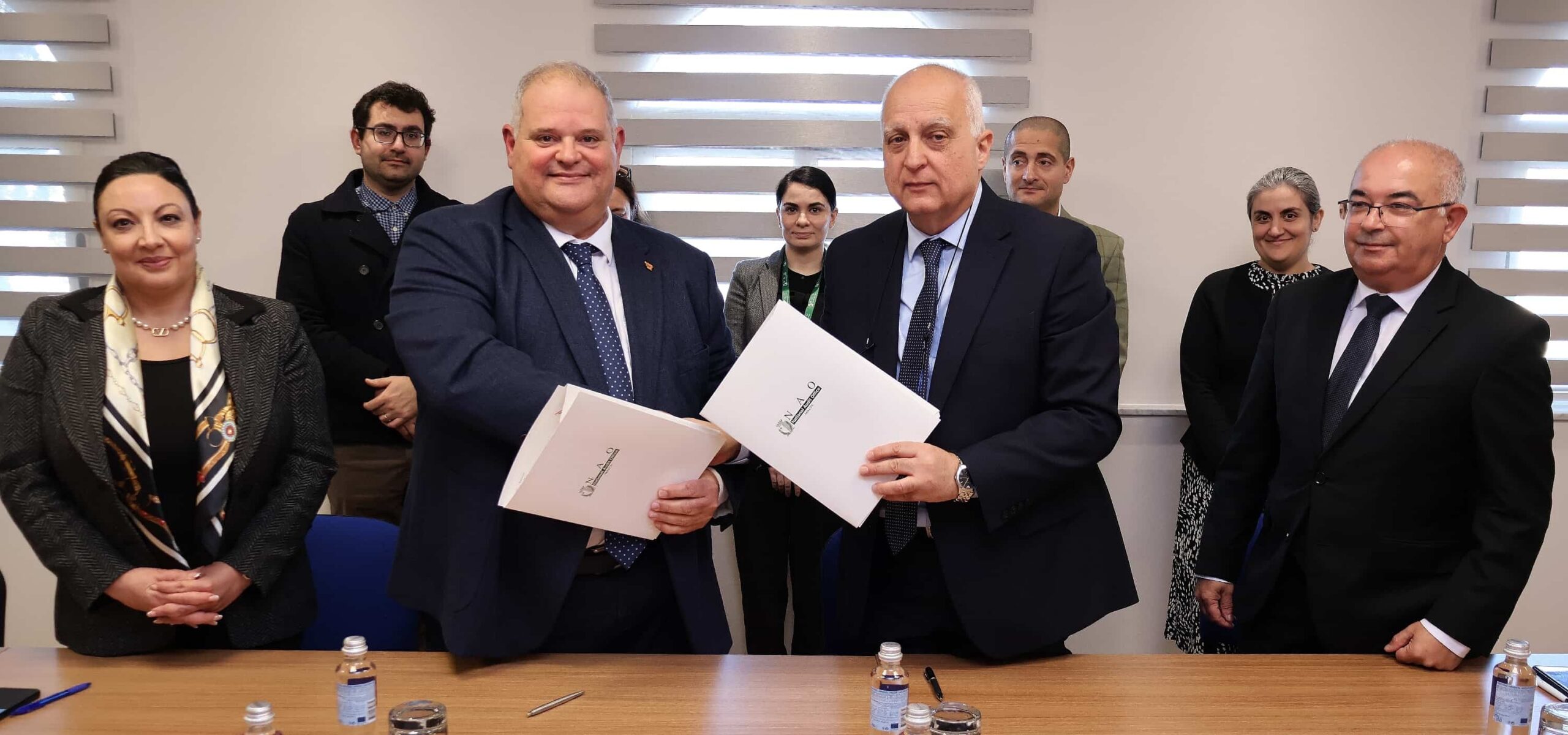
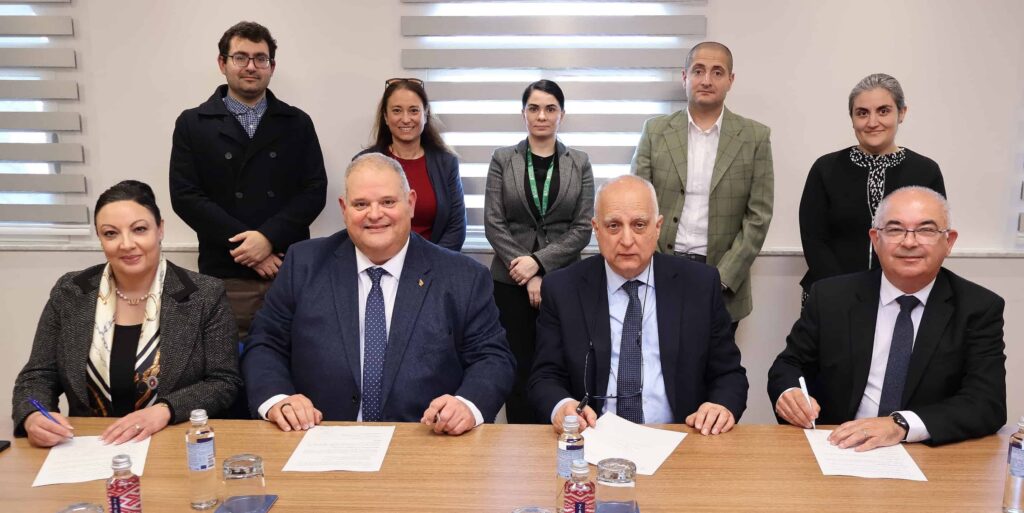
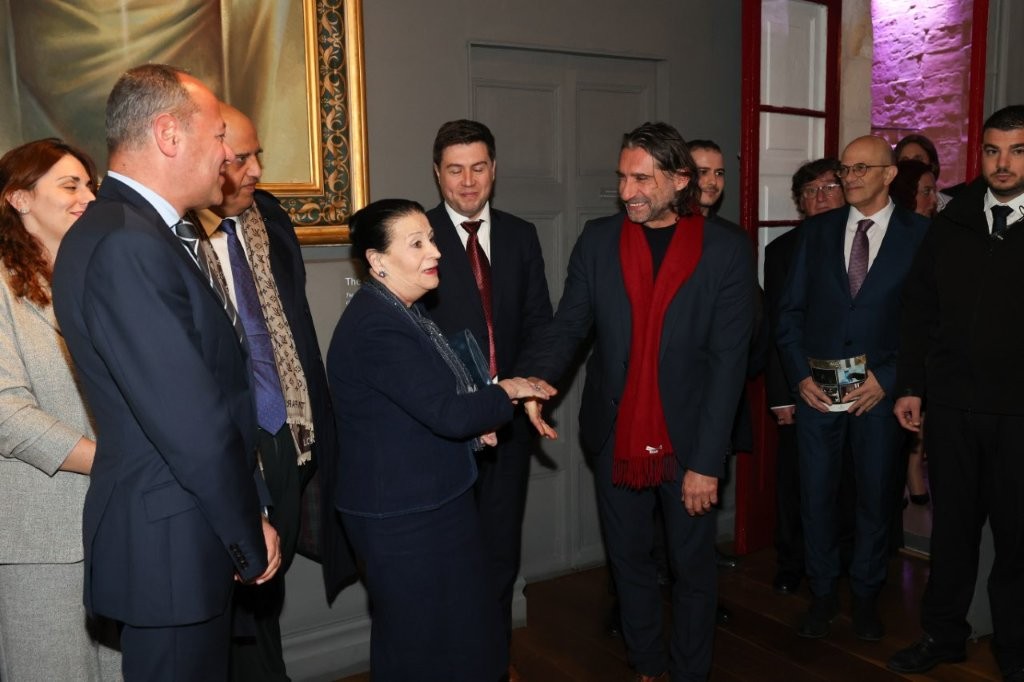
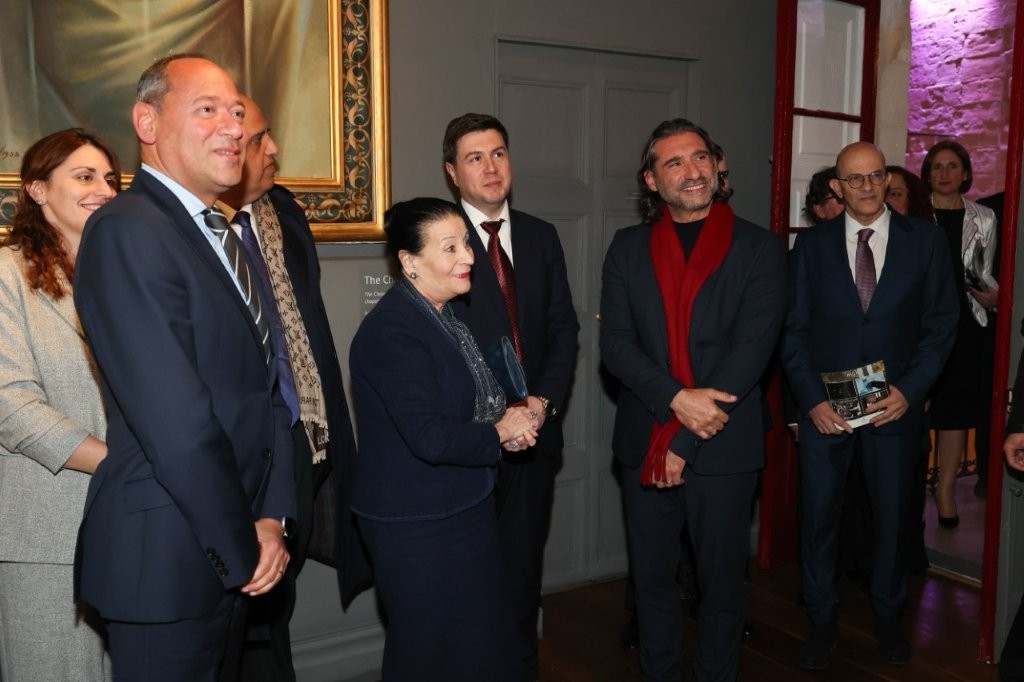
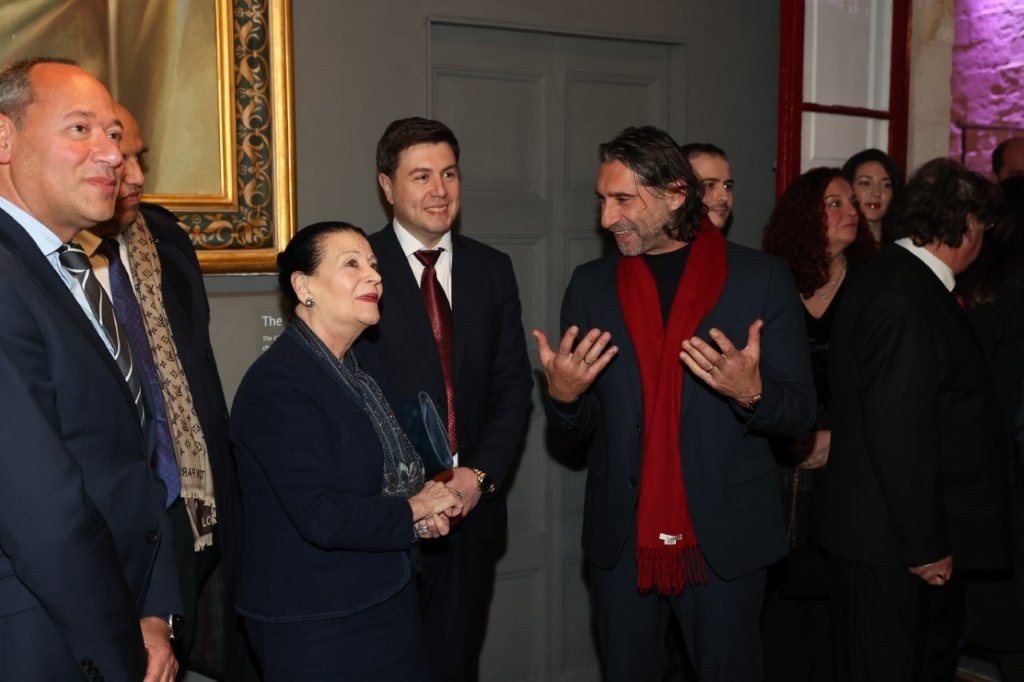
Today, 26 February 2026, the National Audit Office (NAO) and The Malta Chamber of Commerce, Enterprise and Industry signed a Memorandum of Understanding (MoU) aimed at strengthening cooperation and fostering structured dialogue on matters of mutual interest.
The MoU was signed by Mr Charles Deguara, Auditor General, Mr Noel Camilleri, Deputy Auditor General, representing the National Audit Office, and Mr William Spiteri Bailey, President, and Dr Marthese Portelli, CEO, of The Malta Chamber. The agreement establishes a framework for collaboration between the two institutions, reflecting a shared commitment to promoting good governance, accountability, transparency and sound public administration.
Through this framework, the NAO and The Malta Chamber may collaborate on initiatives such as joint seminars, research activities and knowledge-sharing engagements. The cooperation is intended to facilitate constructive exchange on governance, compliance and the effective management of public resources, while fully respecting the legal mandates, independence and distinct roles of both institutions.
Representing The Malta Chamber at the signing were Mr William Spiteri Bailey, President and Dr Marthese Portelli, Chief Executive Officer. Representing the National Audit Office were Mr Charles Deguara, Auditor General, Mr Noel Camilleri, Deputy Auditor General, as well as Dr Amanda Borg, Dr Mark Ellul, Mr Sergio Tartaglia, Dr Kimberly Zammit, who were responsible for drafting the Memorandum, and Dr Rebecca Vassallo, Liaison Officer for International Affairs.
This collaboration underscores the importance of constructive engagement between an independent public audit institution and key national stakeholders, contributing to enhanced institutional dialogue and supporting the principles of transparency and accountability in the public interest.
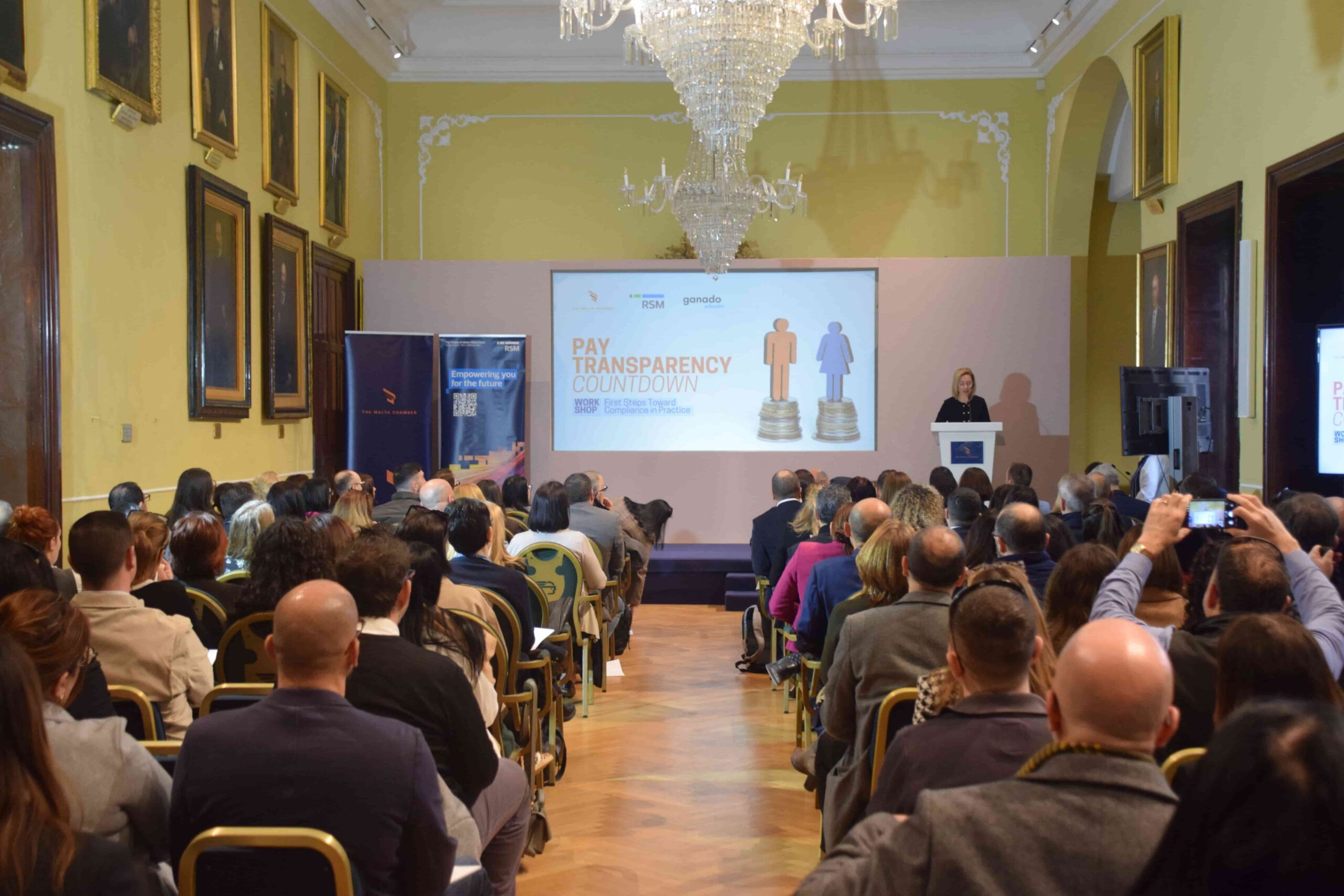
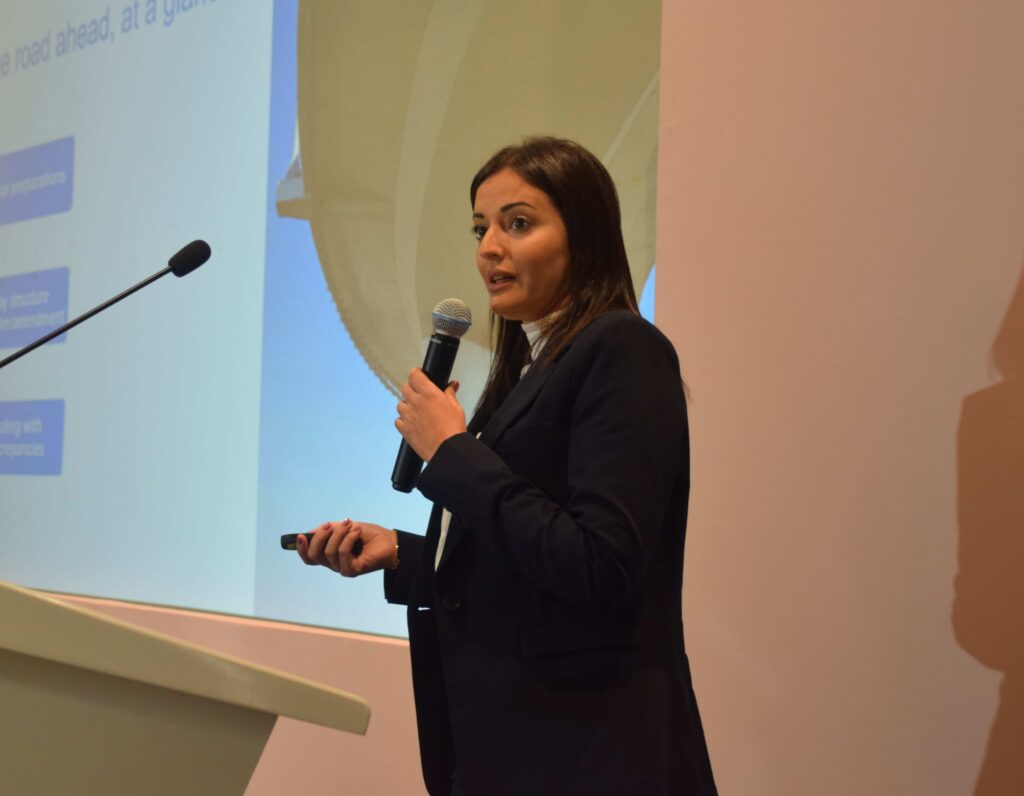
The Malta Chamber, RSM Malta and Ganado Advocates have joined forces to help businesses prepare for the upcoming requirements of the EU Pay Transparency Directive, hosting a dedicated workshop titled ‘Pay Transparency Countdown – First Steps Toward Compliance in Practice’.
With the European Commission confirming that implementation deadlines remain unchanged, companies across Malta and the EU are facing mounting pressure to act. By 7 June 2026, all businesses will be required to identify categories of work of equal value and be fully prepared to respond to individual data requests. Given the scale of preparation involved, organisations are being urged to take practical and immediate steps toward compliance.
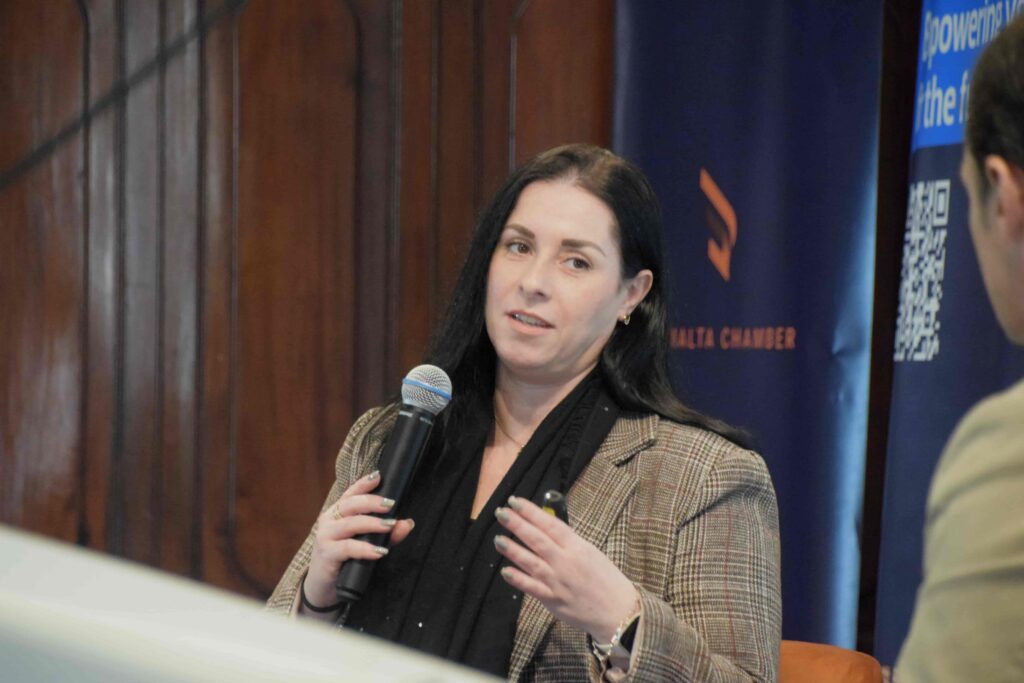
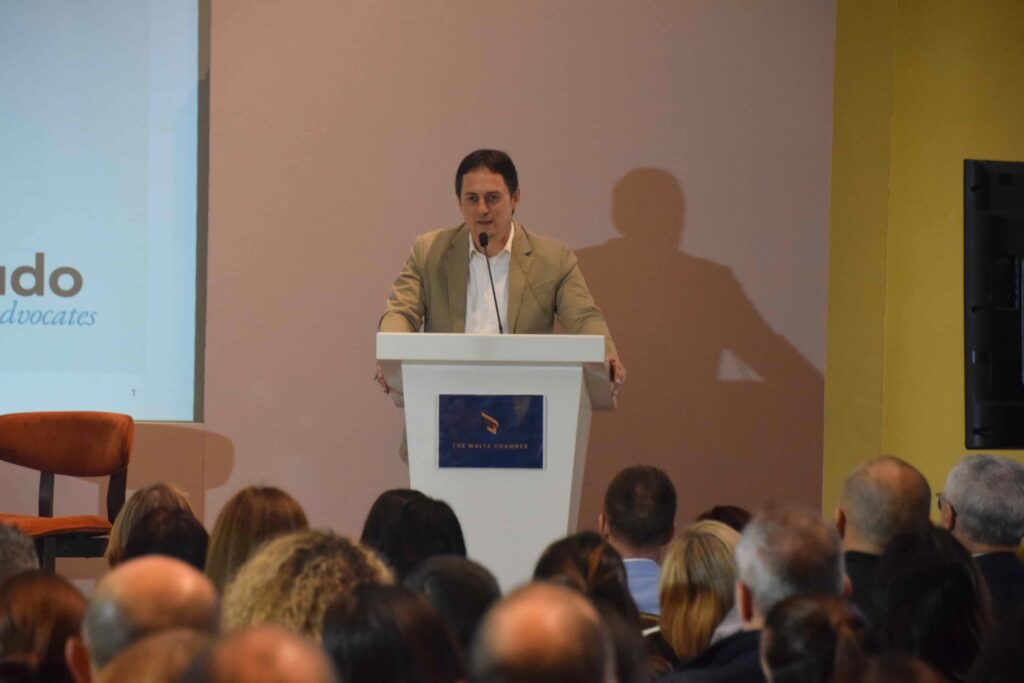
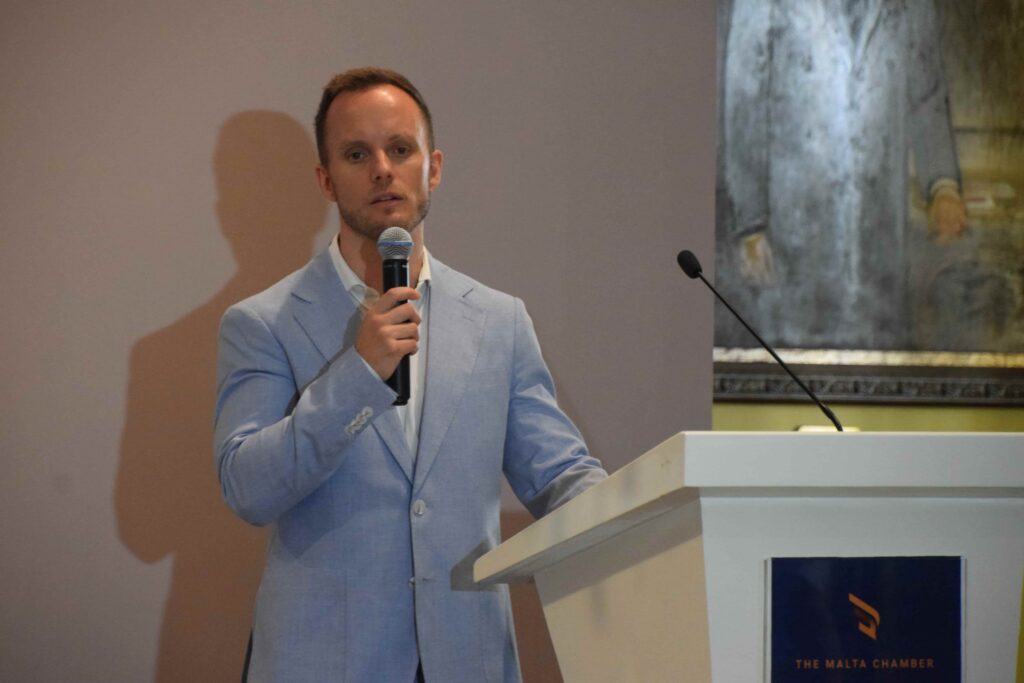
The workshop brought together legal and advisory experts to provide hands-on guidance on how to design, refine and implement the systems and practices required under the Directive. Specialists from RSM Malta and Ganado Advocates delivered detailed presentations outlining the legal framework, operational considerations, and technical structures necessary to meet the new obligations.
Participants also benefited from practical insights shared by practitioners who have already undergone similar compliance processes. These real-world experiences highlighted common legal and technical pitfalls, offering attendees valuable foresight into the challenges they may encounter.
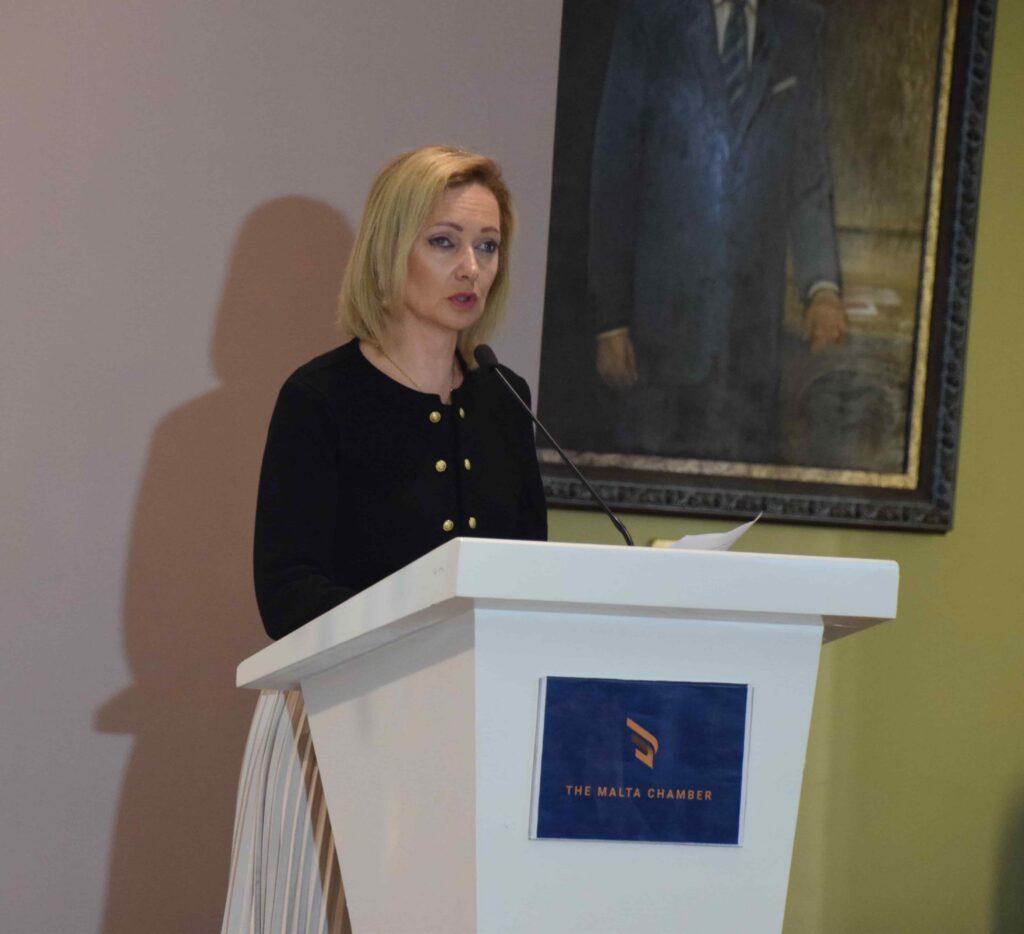
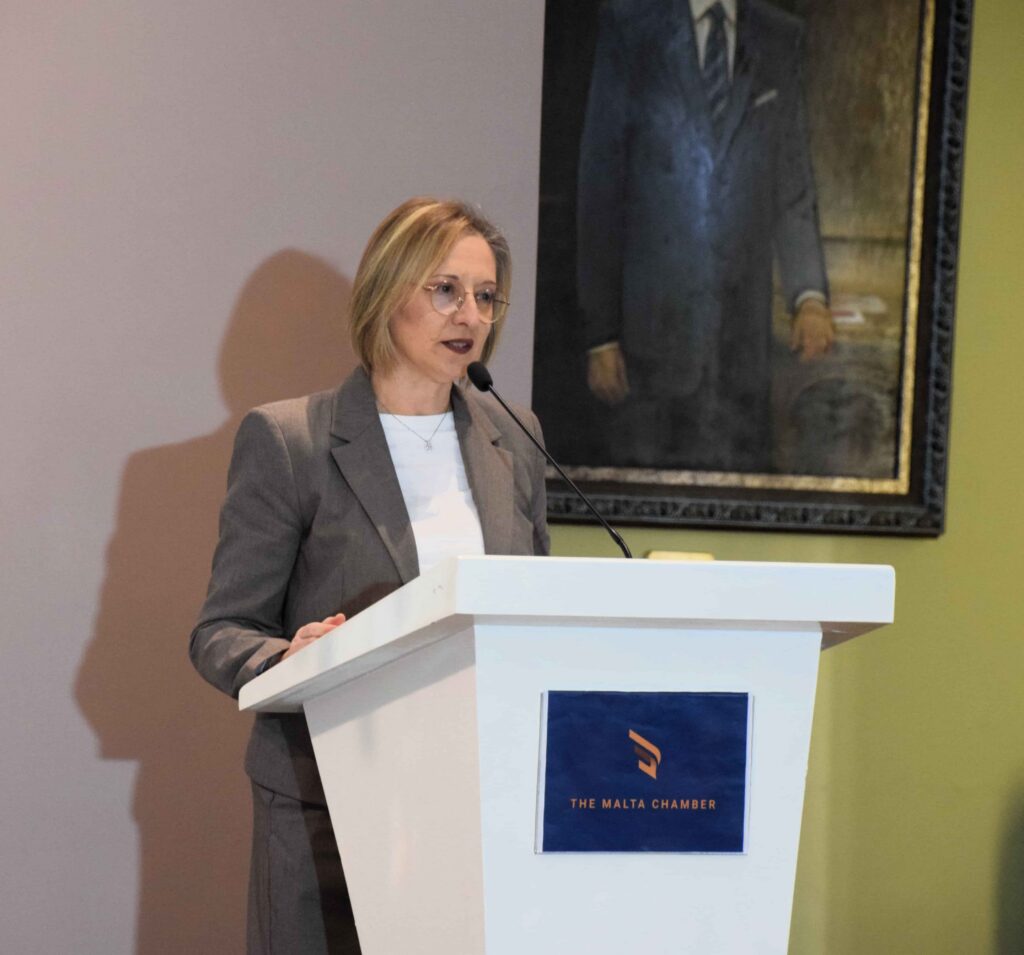
In her opening address, Rachel Bondi Attard, Head of Media and Communication Strategist at The Malta Chamber, underscored the importance of adopting a proactive approach. She stressed that early preparation will not only ensure regulatory compliance but also strengthen organisational transparency and trust.
The Malta Chamber recommends several key actions for businesses:
Conduct Pay Audits Organisations should begin with a comprehensive review of their existing pay structures to identify potential disparities. Beyond meeting regulatory requirements, pay audits provide a critical foundation for sustainable and meaningful change.
Invest in Training HR teams and managers should receive training on transparent pay practices, unconscious bias, and equitable remuneration frameworks to ensure fair and consistent implementation.
Engage Employees Open dialogue with employees is essential. Transparency initiatives are most effective when accompanied by trust, collaboration and clear communication about the changes being introduced.
Leverage Technology Digital tools can significantly streamline data collection, reporting and analysis processes. Embracing digitalisation not only simplifies compliance but also generates valuable workforce insights. The Malta Chamber emphasised that digital transformation is essential for businesses seeking to remain competitive and future-proof their operations.
HSBC Bank Malta p.l.c. and its subsidiaries (‘the local group’) has reported robust financial results for 2025, marking its third consecutive year of pre-tax profits exceeding €100million.
In 2025, the local group achieved a profit before tax of €109.0million demonstrating resilience and consistent performance across all business units despite operating in a lower interest rate environment.
HSBC Bank Malta p.l.c. (‘the bank’) confirms its commitment to delivering sustainable shareholder returns, recommending a final gross dividend of 8.4 cents per share, following another period of resilient financial performance and disciplined capital management. This represents the highest dividend payout ratio in recent years, which together with the interim dividend paid in September 2025, represents a 60% dividend payout ratio. The final proposed dividend will be paid on 6 May 2026 to shareholders who are on the bank’s register of shareholders on 30 March 2026, subject to approval at the Annual General Meeting scheduled for 29 April 2026.
Key Highlights
Positive outlook on Malta’s economy, which continues to outperform Europe. Malta’s high Gross Domestic Product (GDP) growth and diversification and low unemployment, provide economic resilience despite global uncertainties. Property sector remains strong.
Reported profit before tax of €109.0million for the year ended 31 December 2025, a decrease of €45.4million or 29% over 2024. The decrease in profit reflects the impact of lower interest rates and lower releases of expected credit losses. The bank achieved solid underlying revenue growth, driven by increased customer activity. Operating costs increased reflecting continued strategic investment in talent and accelerated amortisation of software.
Strong customer growth and confidence led to deposit growth of €370 million during the year, reaching a record high of €6.5 billion at year-end. Deposit market share increased by over 1%. Additionally, there was growth of 28% in client wealth management and investment balances to €1.1 billion. Life insurance sales increased by 21%.
Reported profit after tax attributable to shareholders amounted to €71.6million for the year ended 31 December 2025, resulting in earnings per share of 19.9 cents, compared with 27.8 cents in the same period in 2024.
The Board has recommended a final gross dividend of 8.4 cents per share (5.46 cents per share net of tax), bringing the total dividend for 2025 to 18.4 cents (11.96 cents net of tax). This represents a payout ratio of 60%.
The bank’s total capital ratio grew to over 27% and the liquidity coverage ratio remained over 500%, making HSBC Bank Malta p.l.c. one of the most capitalised and liquid banks in Malta and amongst the highest in Europe, well above regulatory requirements
Geoffrey Fichte, Chief Executive Officer at HSBC Bank Malta p.l.c., said:
“I am proud to report another year of successful results, marking our third consecutive year of pre-tax profit exceeding €100million — a first in the history of HSBC in Malta. This performance, delivered despite lower interest rates and reduced recoveries, underscores the strength and resilience of our diversified business model, disciplined execution and the continued trust of our customers.
“We continued to grow our business, increasing market share with a record €6.5 billion in customer deposits while also growing wealth management, insurance and investments for our customers to record levels.
“In 2025 we achieved an increase of 10% in new retail lending. We have now launched our 2026 Start of the Year campaign where we are offering customers a number of incentives, including discounted interest rates on personal loans and mortgages, as well as cash-back on insurance policies and waiver of initial fees on mutual fund investments.
“We continue to serve our customers with the same high standards of service and banking, insurance and investments. Throughout the year, we continued to invest in the future of the bank — enhancing our digital capabilities through the implementation of SEPA Instant payments, upgrading our IT infrastructure, and completing the replacement of our ATM fleet across Malta and Gozo.
“Testament to this is the bank’s recognition as 2025 Bank of the Year Malta by The Banker, the Financial Times internationally renowned publication covering global banking and financial affairs. HSBC Bank Malta’s recognition reflects the bank’s significant progress across key performance metrics, including earnings growth, capital strength, operational efficiency, and continued investment in digital and technological capabilities.
“The Board has proposed a gross dividend distribution of €30.3 million, supported by our strong capital position and robust liquidity ratios.
“We have started 2026 from a position of strength and momentum – with a strong balance sheet, successful and profitable business, highly engaged team and a clear focus on ensuring stability, continuity and long-term value for our customers, colleagues and shareholders. Subject to regulator’s approval of the proposed transaction, HSBC and CrediaBank are committed to ensure a smooth and orderly changeover.
“I would like to thank our customers for their business, trust and confidence, and I would like to recognise my colleagues for their contribution to the company’s success.”
Bank of Valletta continues to show how employee engagement can create a meaningful impact on society, through two initiatives that brought teams together in support of local organisations that are making a real difference in the community.
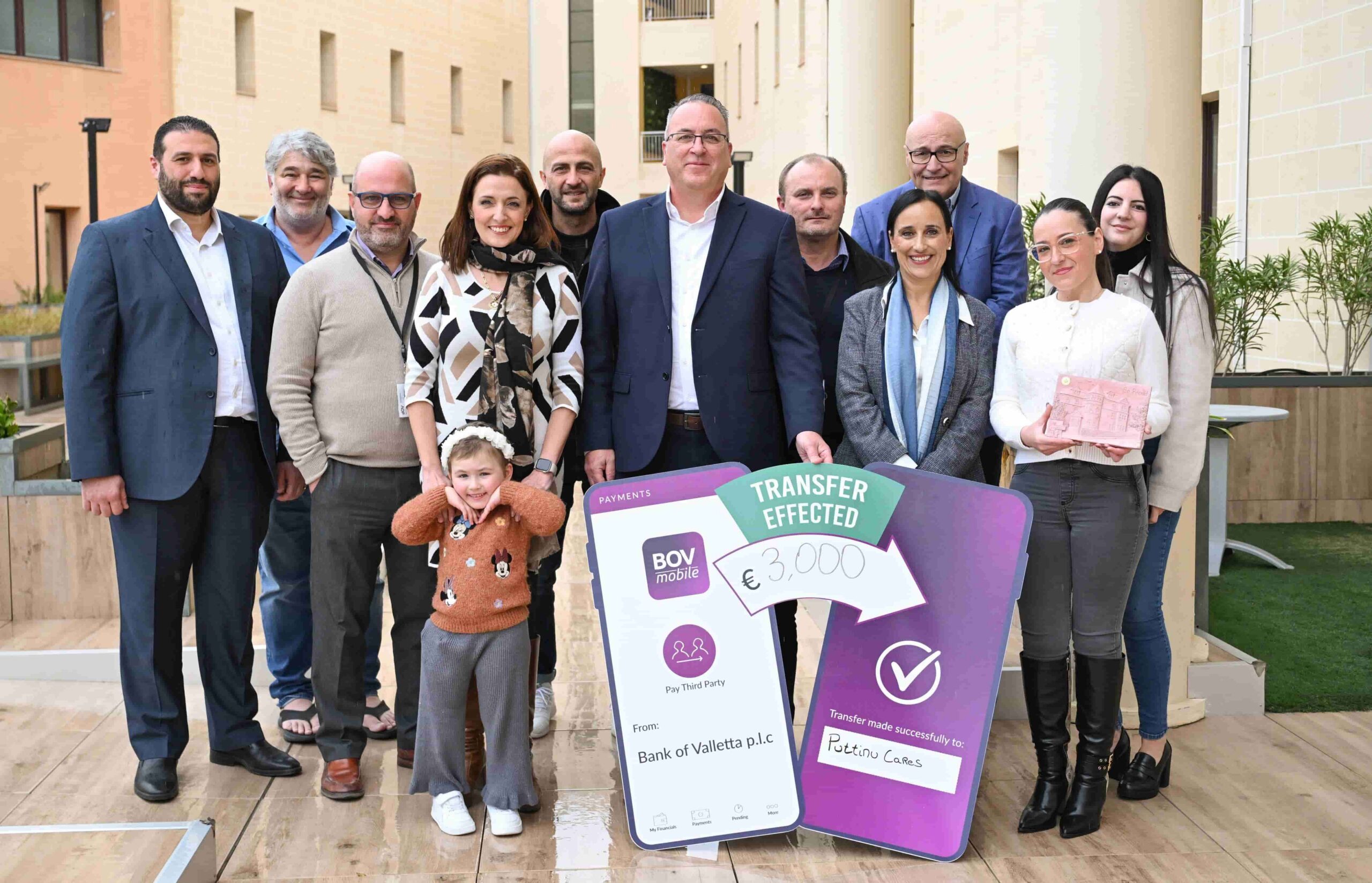
One initiative, led by colleagues within the Bank’s Personal and Wealth team, saw a simple team-building cooking activity grow into a fundraiser in aid of the Puttinu Cares Foundation. Sixty employees, supported by the management team of BOV Fund Services Limited, prepared and sold food items to other colleagues across the Bank, raised a substantial donation that will support the foundation’s ongoing work with young patients and their families.
The donation was presented at the Oncology Ward at Mater Dei, where Simon Azzopardi, Chief Personal and Wealth Officer, spoke about what the initiative represents.
“This initiative reflects the generosity and compassionate spirit of our people. I am incredibly proud of every team member who contributed to this cause. Supporting the work of Angele and Rennie at Puttinu Cares Foundation is an honour, and we hope this donation will bring comfort and relief to those who need it most,” said Mr Azzopardi.
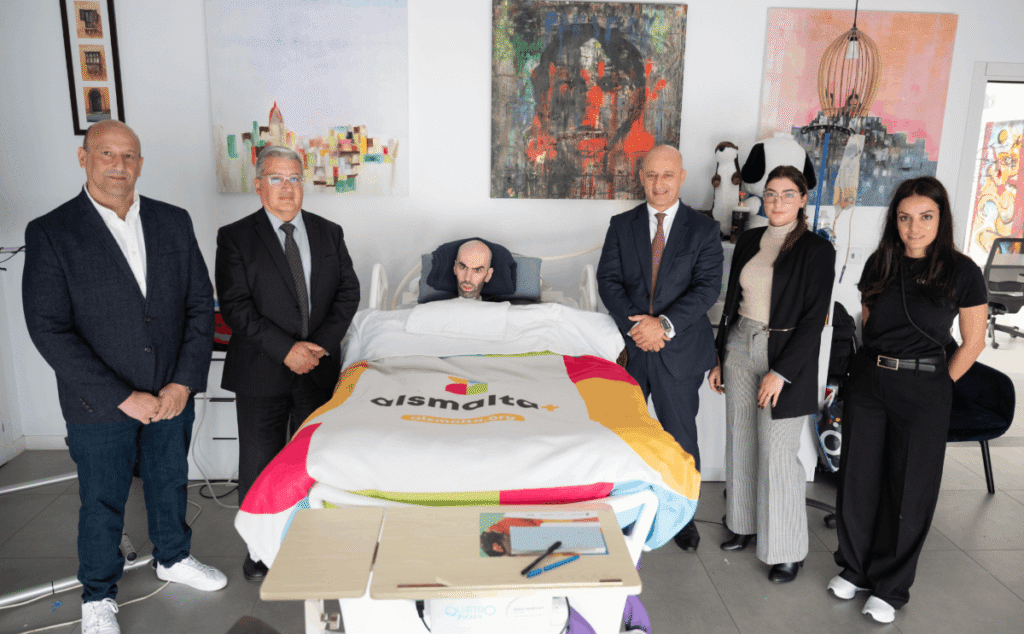
Earlier on, colleagues from across the Bank took part in a staff-wide dress-down day themed around sports. The initiative blended fun with purpose, with colleagues wearing the gear of their favourite team and placing donut orders in support of Dar Bjorn and ALS Malta. The Bank doubled the donation amount and presented the final amount to Bjorn and Maria Formosa during a visit by Bank’s CEO Kenneth Farrugia, and Chief Operations Officer, Ernest Agius.
Together, these initiatives reflect Bank of Valletta’s belief that strong employee involvement builds more than internal connection. It also strengthens the communities we serve. By turning everyday moments of creativity, teamwork and participation into action, colleagues across the Bank continue to help deliver tangible support to organisations that make a difference to people’s lives.
The Malta Chamber of Commerce, Enterprise and Industry firmly opposes the recent proposal made by Minister for Culture Owen Bonnici and PL MEP Daniel Attard to introduce additional “cultural leave” for public sector employees in relation to feasts, Carnival, and similar events.
Whilst The Malta Chamber acknowledges the importance of keeping Maltese culture alive, one needs to keep in mind all perspectives, notably that currently Malta is operating in an exceptionally tight labour market, coupled with rising wage pressures and persistent skills shortages.
Such a measure would further “gold plate” public sector employment at the expense of businesses and the general public at large and put additional unsustainable pressures on private businesses. The introduction of “cultural leave” would come on top of the cumulative expansion of leave entitlements in recent years, resulting in significantly more paid time off for public sector employees compared to their private sector counterparts, while companies are expected to improve or at least retain their productivity and competitiveness.
The country cannot afford to have a situation where the productive base of the economy is left on its own to shoulder ever-growing burdens.
The financial implications are equally concerning. Government personal emoluments (wages and salaries) are projected to rise from €962 million in 2019 to €1.4 billion by 2025 — an increase of almost 45%. By the end of November 2025, this expenditure had already reached €1.29 billion. Introducing further paid leave at this stage sends the wrong signal about fiscal prudence and long-term sustainability.
Furthermore, the method of financing such measures creates an inequitable situation. The public wage bill is ultimately funded through taxpayer revenue. The private sector must finance its salary bill itself – to do this it must remain competitive through increased productivity and efficiency, have a healthy cash flow, ensure liquidity and generate wealth. It is the private sector that generates the economic value that sustains the public sector — yet it is also the one most adversely affected by unthought and unplanned policies that distort labour dynamics negatively.
A Consistent Position on Leave Entitlements
The Malta Chamber has consistently expressed concern about piecemeal extensions of leave entitlements. It previously called for postponement or cost-mitigation mechanisms when additional leave days were introduced, warning of the cumulative impact on competitiveness. It also cautioned against premature or poorly studied proposals such as that of the four-day work week suggested by the Opposition.
Family-friendly and cultural policies must be designed responsibly, ensuring that they do not undermine productivity, competitiveness or fiscal discipline. Well-intentioned measures should not come at the expense of Malta’s economic sustainability.
The Malta Chamber remains committed to constructive dialogue with policy makers to identify balanced solutions that safeguard both employee well-being and national competitiveness. However, policies that create structural imbalances between the public and the private sectors cannot be supported.
Malta’s long-term prosperity depends on fairness, productivity and responsible governance — not on measures that increase costs without increasing value.
From pasta nights and pub quizzes to charity walks and fruit drops, HSBC Malta’s Sports and Social Committee (SSC) kept colleagues connected and energised throughout 2025 with a packed calendar of events and wellbeing initiatives.
The year-long programme was designed to foster a strong sense of community, promote work-life balance, and create opportunities for colleagues across departments to socialise, unwind and recharge.
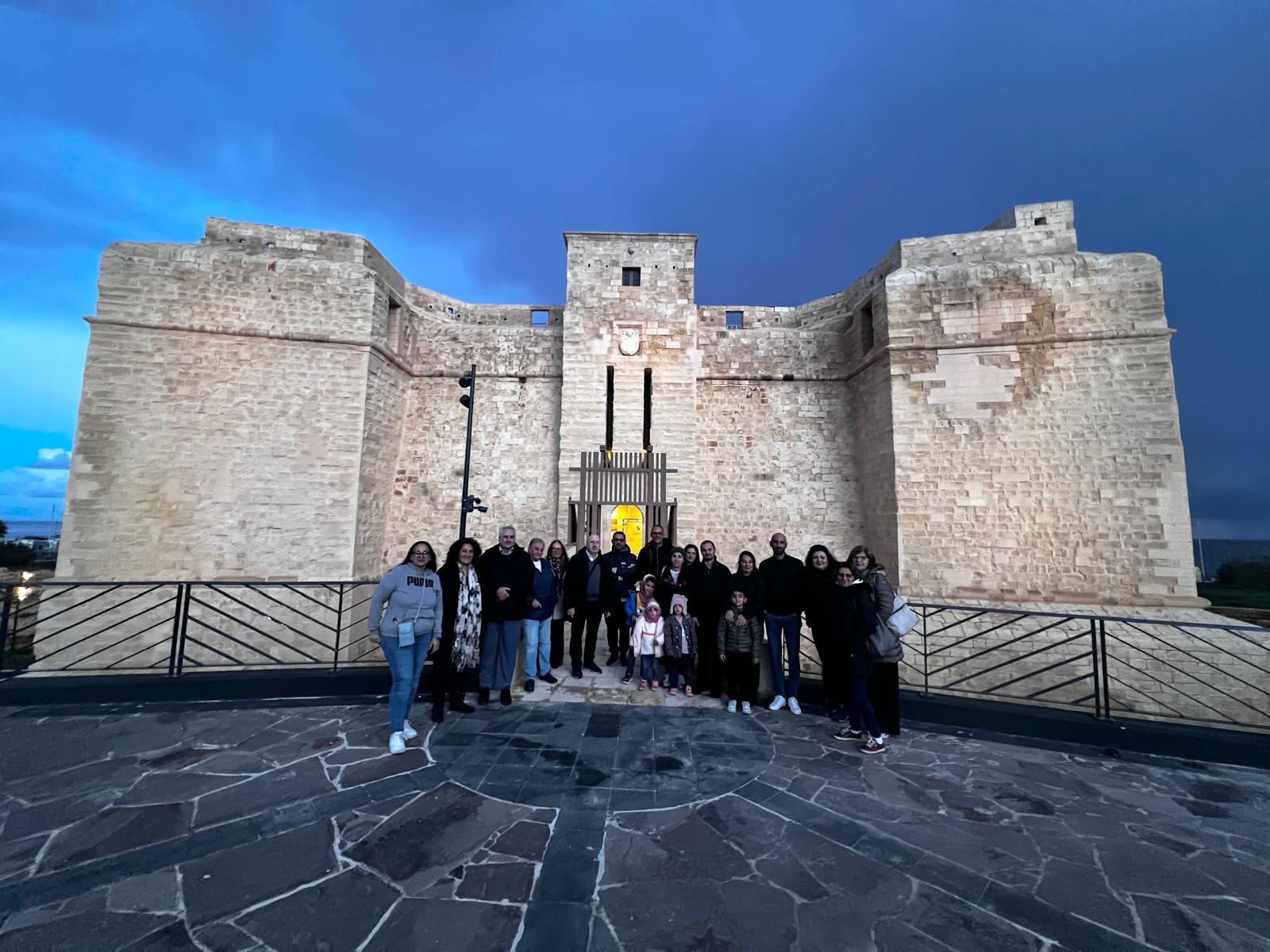
Among the many highlights were the HSBC Summer Party, a wine tasting event, and a family-friendly cultural outing to the White Tower, complete with food and cocktail trucks. The SSC also marked seasonal moments and national observances throughout the year, with activities like Valentine’s doughnuts, Carnival prinjolata, Qagħaq tal-Appostli for Easter, bone biscuits for November, the month of the Holy Souls, and small gifts to mark both Women’s Day and Men’s Day.
Engagement remained strong thanks to varied social gatherings such as pasta night with raffle and music bingo, two rounds of pub quizzes, and a hands-on pastizzi-making workshop. The Committee also launched wellness and community initiatives including a blood bank drive, a “cycle, run or walk for charity” event, and a fruit drop that delivered baskets of fresh, local produce to break areas.
The year concluded on a high note with the all-employee HSBC Malta Christmas Party, and a dedicated cinema and gift event for employees’ children, closing 2025 with connection and celebration. Commenting on the SSC’s work, Glenn Bugeja, Chair of HSBC Malta’s Sports and Social Committee, said:
“We believe that building a strong workplace culture starts with small, meaningful moments where people can connect as individuals. These events are about more than fun they help break silos, create a sense of belonging, and remind us that even in challenging times, we’re part of something bigger. The positive energy, participation, and feedback from colleagues across the bank continue to inspire us.” The Committee’s efforts reflect HSBC Malta’s broader commitment to employee wellbeing, inclusion and engagement, and its belief that a strong, people-first culture remains vital to organisational success.
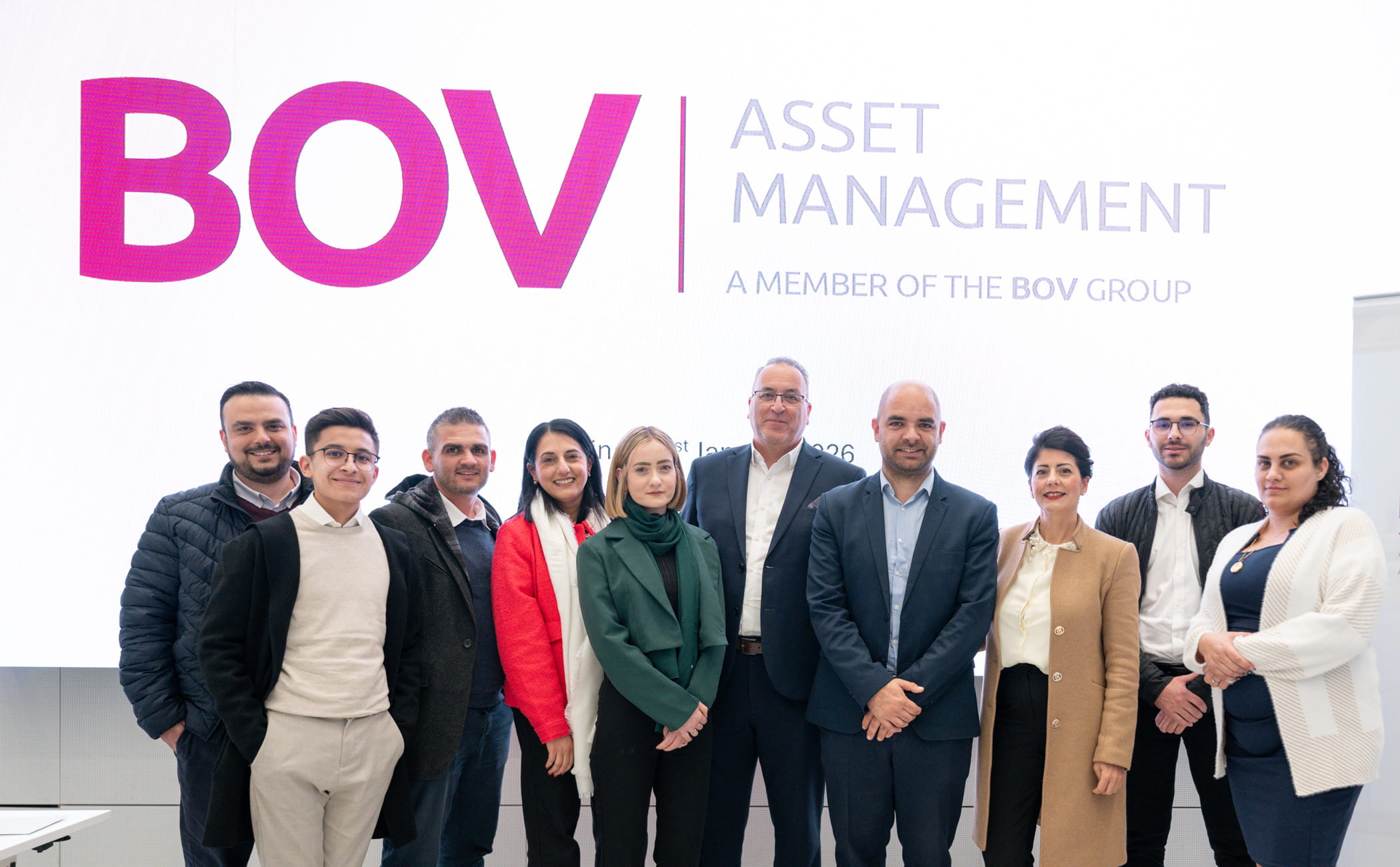
Bank of Valletta frontline representatives and branch specialists came together at a BOV Asset Management seminar to review the company’s performance in 2025, explore the market outlook, and align priorities for 2026. Discussions were anchored on one clear focus: delivering better outcomes for clients through service delivery and stronger collaboration across the Bank.
The seminar also underlined the Bank’s evolution of its operating model, guided by the principle that everything revolves around the client. The Bank is focusing on stronger outreach and closer relationships, delivering consistent service excellence, supported by investments in new channels, cutting-edge technology, and an unwavering commitment to professional standards.
The BOV Asset Management Portfolio Management Team shared key global market developments from 2025 and what to look out for in 2026. Equity markets recorded a third year of strong returns in 2025, with notable volatility influenced by AI-related structural shifts, trade tensions, and political surprises. The outlook for 2026 was framed as broadly positive, supported by moderating inflation and solid fundamentals, while recognising potential risks linked to central bank policy changes and geopolitical developments.
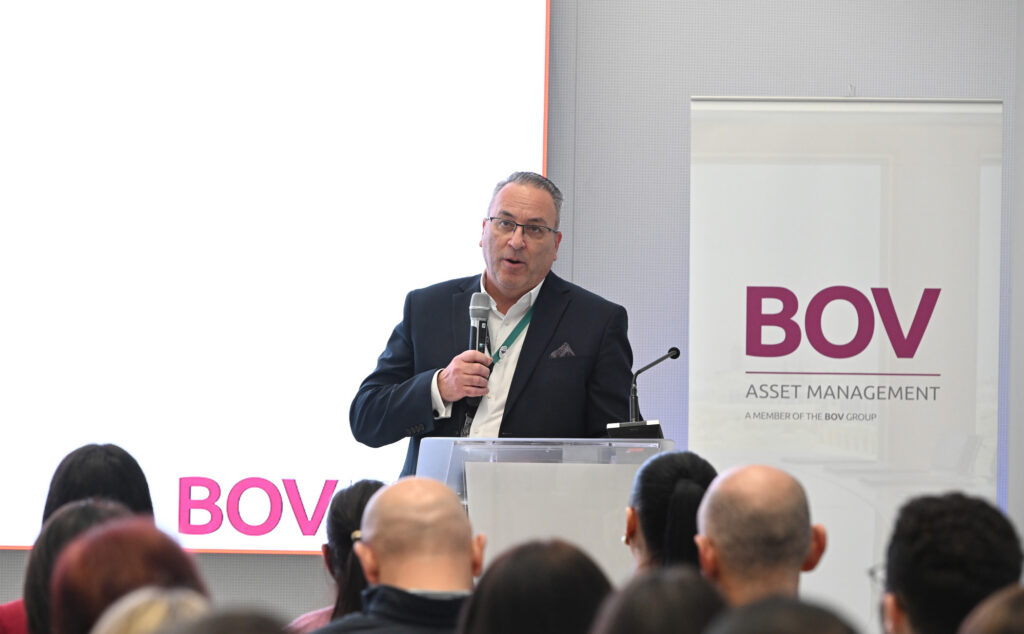
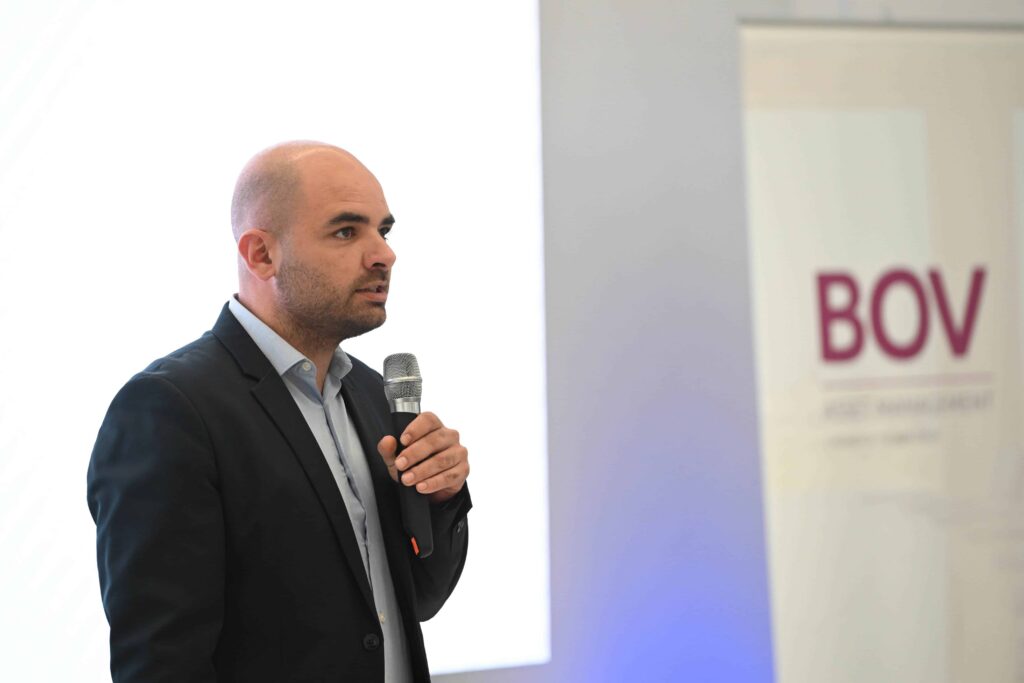
Opening the session, Geoffrey Ghigo, Head Personal Banking Channels, talked about the Bank’s momentum, driven by disciplined execution, offering well-informed guidance, and helping clients navigate change confidently. Simon Azzopardi, Chief Personal and Wealth Officer, said, “2026 will be a year of transformation, and we want our clients to feel the difference in the quality of our conversations, the consistency of our service, and the confidence we bring to every interaction. Stronger collaboration between our frontlines and specialists is how we will build deeper relationships and deliver better client outcomes.”
Concluding the event, Peter Paul Cilia, Head, BOV Asset Management, emphasised the company’s continued focus on supporting colleagues across the network. “This seminar reflects how we win as one Bank, bringing together our asset management expertise and the strength of our retail and frontline teams to deliver real value for clients. As we move into 2026, our focus remains on supporting our colleagues across the Bank with timely insights, clear product direction and the tools to have high-quality conversations, so that BOV continues to earn its place as the Bank of Choice.”
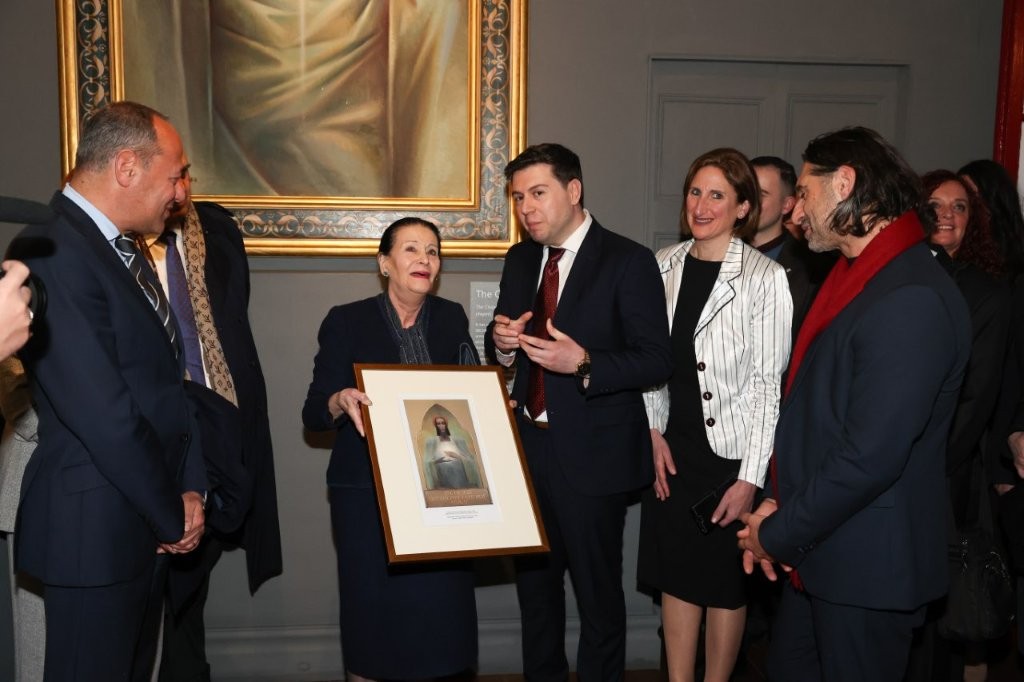
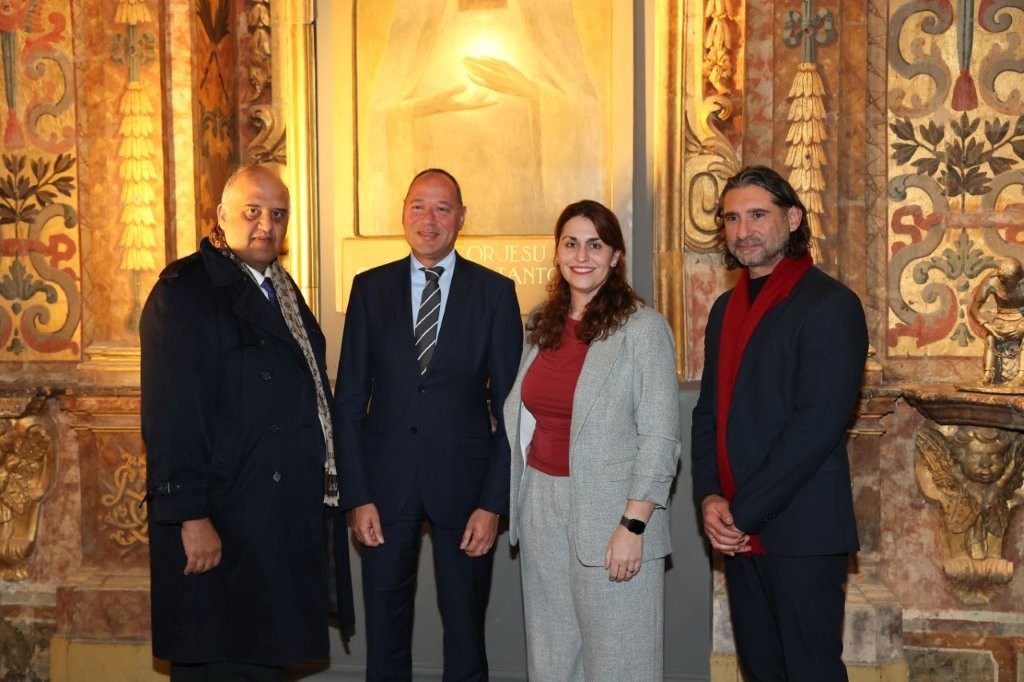
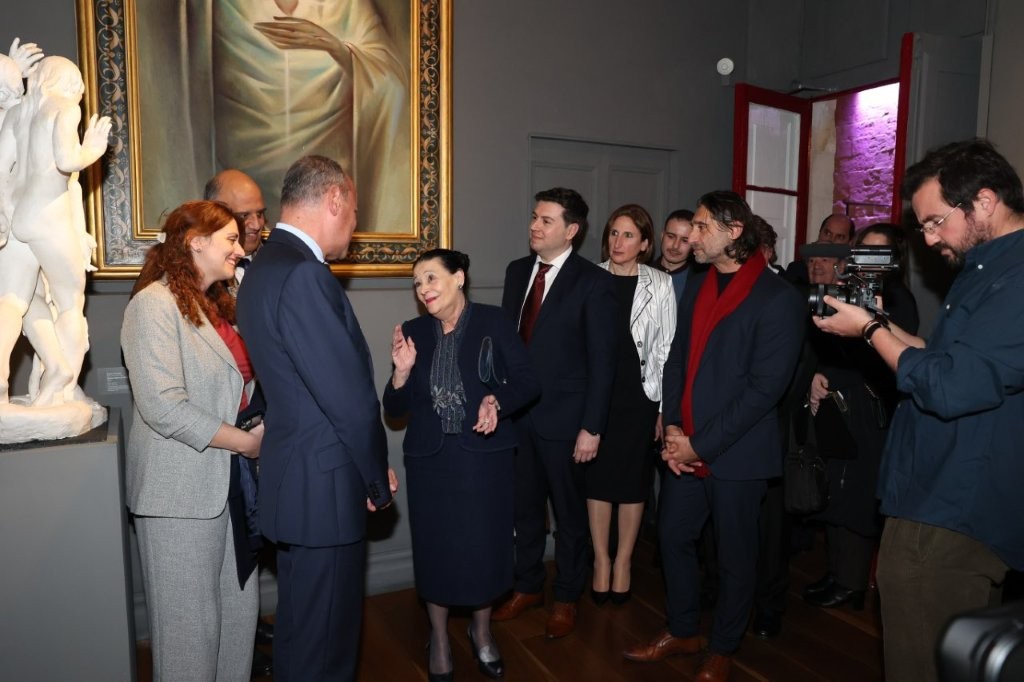
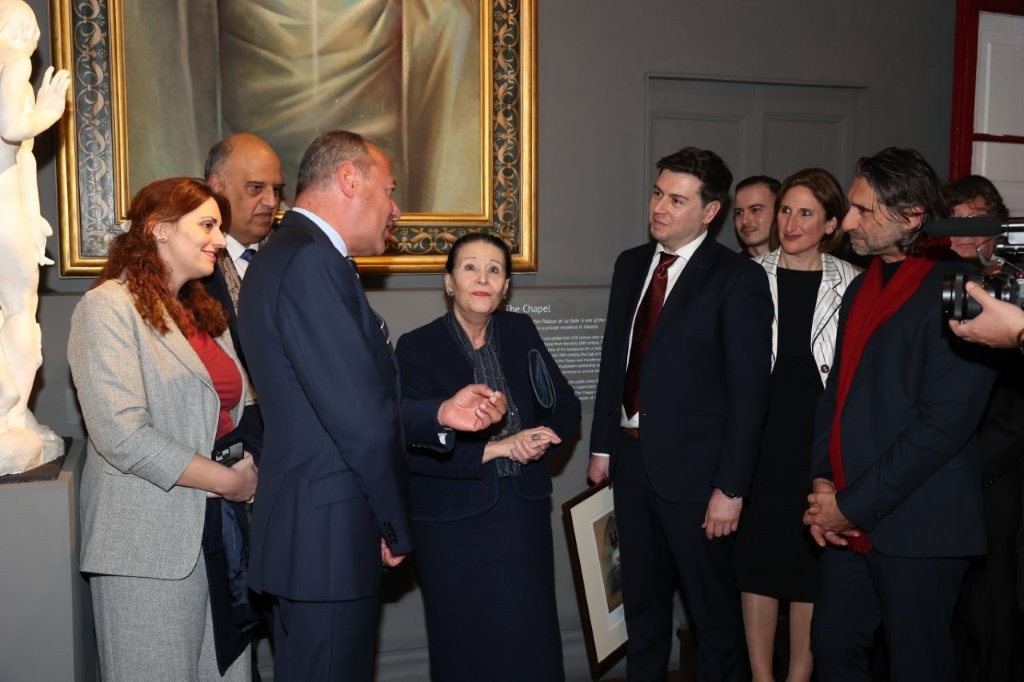
The restoration of the Sacred Heart of Jesus reveals original light and gilded details through conservation by Prevarti, supported by HSBC Malta Foundation.
The Malta Society of Arts (MSA) has unveiled the restored Sacred Heart of Jesus (1943) by Maltese artist Anton Inglott (1915–1945), following a major conservation project carried out by Prevarti with the support of the HSBC Malta Foundation. The painting, which forms part of the MSA’s permanent collection, will now be on display in the Chapel at Palazzo de La Salle, the MSA’s historic seat in Valletta.
Painted on plywood during the Second World War, the work had suffered natural ageing and earlier restoration interventions. The conservation process involved meticulous cleaning and stabilisation, including the removal of discoloured varnish and accumulated surface deposits. This has allowed Inglott’s original colour palette and expressive treatment of light to re-emerge after decades of obscurity.
One of the most striking outcomes of the restoration is the renewed clarity of the light radiating from Jesus Christ’s heart – a bold and distinctly modern feature that reflects Inglott’s progressive approach to religious imagery at the time.
Research carried out during the project also revealed that the inscription beneath the painting had originally been gilded. The decorative frame was subsequently treated, and the gilding carefully reinstated using traditional techniques, restoring an important visual and symbolic detail. The painting’s physical restoration runs parallel to a complex history surrounding its original reception.
Inglott’s Sacred Heart of Jesus marked an important moment when it was donated to the MSA in 1943. It stirred immediate controversy due to the artist’s portrayal of Christ as a stylised and dark-skinned figure, and through the replacement of the heart with an abstract flood of light, which at the time was perceived as running counter to Catholic iconographic tradition.
The consecration ceremony was postponed indefinitely, and the painting was relegated to a storage space in the Society’s basement. Ultimately, Sacred Heart of Jesus was rejected in favour of a commission from Inglott’s close friend, Emvin Cremona (1919–1987), who painted a more literal, and therefore more conventional, version of the Sacred Heart. The two paintings are now on display in the MSA’s Chapel, facing each other, positioned symbolically at opposite ends of the space.
Eventually, Inglott’s Sacred Heart of Jesus was rediscovered by a new generation of researchers and curators, and has since come to be recognised as a masterpiece of Maltese modern art.
Speaking at the unveiling of the restored painting, H.E. Myriam Spiteri Debono, President of Malta, praised such preservation and conservation initiatives not only for safeguarding local artistic and historical heritage, but also because it reflects the development of art over the years and, in many instances, is a reflection of the development and evolvement of society itself. The various genres manifest the way in which artistic thought and licence, and the medium employed, in themselves signal the times of their creation. The painting of the Sacred Heart of Jesus, by artist Anton Inglott, and its history, illustrates this.
Reiterating the importance of the conservation of such artworks, Pierre Bugeja, Head of Restoration and Founder of Prevarti, remarked: “This restoration has allowed us to rediscover Inglott’s original artistic intent, particularly his innovative use of light. It represents an important step in preserving a significant work within Malta’s artistic and cultural heritage.”
“We would like to thank the Malta Society of Arts for the opportunity to contribute towards the restoration of this national project – a unique work of Maltese modern art housed within the Society’s historic Valletta premises,” said Manfred Galdes, Chairman of HSBC Bank Malta. “This initiative goes beyond conservation; it is an act of preserving a vital chapter of Malta’s modern cultural history. We are proud to have supported it and look forward to participating in similar projects in the future.”
Roderick Camilleri, Acting President of the Malta Society of Arts, added: “Anton Inglott’s work is a landmark of contemporary sacred art in Malta. Its restoration and renewed presentation reaffirm the Society’s ongoing commitment to cultural stewardship and to safeguarding our artistic legacy for future generations.”
Today, Sacred Heart of Jesus can once again be experienced by the public, following a restoration that safeguards both its material integrity and artistic significance.