02 October, 2026

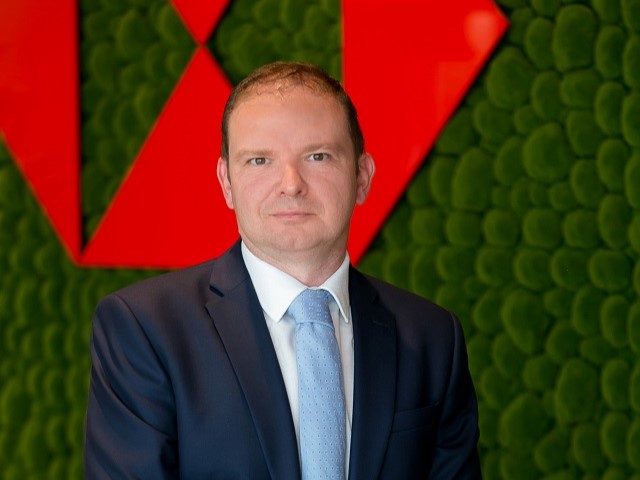
GABRIEL CASSAR – MANAGER (EU POLICY: SUSTAINABILITY)- MBB
The last EU legislature was characterised by Europe’s commitment to the green transition and climate change mitigation. This has been guided by the European Green Deal’s priorities, covering sectors like energy, transport, industry, and buildings, with the goal of making Europe the first climate-neutral continent by 2050.
Much importance has been placed on cleaner energy sources and reducing greenhouse gas emissions. Proposals under the Fit For 55 package contributed towards these goals by mandating increased renewable energy, energy efficiency, sustainable fuels, and building renovations. Most proposals within the package have been adopted as law, aside from the revision of the Energy Tax Directive which includes, among others, controversial issues such as phasing out tax exemptions on maritime and aviation fuels, which is still under debate.
In the last two years, the European Commission has also renewed its efforts on waste reduction and broadening the circular economy. Measures include reducing single-use plastics and packaging waste, improving product eco-design, and strengthening waste management processes. The EU’s sustainability agenda in the next EU term shall remain crucial and must be supported. Climate change is a pressing global challenge which poses an existential threat, with a direct impact on Malta and Maltese businesses.
Aside from the obvious environmental benefits, investing in sustainability can be beneficial for businesses by reducing their bottom line through efficiency improvements, and the potential to grow into new markets. It opens opportunities for innovation and growth, such as in net-zero technologies which are expected to increase in demand as member states strive to meet ambitious climate targets. Consumer behaviour is likewise changing towards favouring more sustainable products and transparency. Businesses offering sustainable goods and services will likely succeed in the long run.
While the benefits of sustainability are clear, there are important challenges which businesses will face in this transition. Costs are always a primary concern, as businesses must upgrade products or infrastructure to meet stricter requirements. This is particularly challenging for SMEs with limited resources and lack of inhouse expertise.
There are various funding schemes which Maltese businesses can access to support their investments, such as those offered by Malta Enterprise. The Maltese government and EU policymakers should constantly review such schemes to ensure they are sufficiently attractive for businesses. This includes addressing persistent limitations posed by state aid rules on what type of support can be provided and to which level.
Balancing sustainability with economic competitiveness will appear as another crucial aspect going forward. Europe’s leading role is commendable, but acting alone risks degrading competitiveness against countries with less stringent environmental standards. This highlights the key role played by climate diplomacy to find common solutions for the global challenge of climate change.
New legislation should also consider their geopolitical and economic context. Economic shocks from the Covid-19 pandemic, and the subsequent wars in Ukraine and in the Middle East have raised input and transportation prices. Policymakers would be wise to avoid worsening this through excessive compliance costs which affect business viability.
Such an approach should undoubtedly involve assessing the wider economic implications of EU proposals beyond their stated aims. During the last years, the reality of island-states such as Malta has been totally overlooked by EU legislation, increasing costs, and negatively impacting our competitiveness.
This is clearly seen in legislation such as the revised Emission Trading System, which poses a clear risk of carbon leakage and a potential loss of direct connectivity to global hubs for EU islands. This naturally has a spillover effect not just on the Maltese maritime industry, but also all other industries which are dependent on it, such as manufacturing.
Ensuring competitiveness likewise involves avoiding overregulation which stifles business innovation and introduces great administrative costs. Policymakers have a key role to ensure that regulatory burdens are kept to a minimum, by constantly reviewing existing policies and refining new proposals.
On the global front, the time is now ripe for the EU to fully commit towards its pursuit of open strategic autonomy to be able to act independently, regardless of international disturbances. This involves strengthening the EU’s economic resilience by reducing dependency on unreliable third countries, particularly in critical sectors such as technology.
This strategy, however, should not lead to isolation or protectionism. Rather, it is about ensuring member states’ ability to meet ambitious targets being set at the EU level while cooperating with diverse and dependable global partners.
As the web of environmental policy becomes increasingly complex, in the coming years policymakers and legislators must keep in mind the impact on business’s daily operations during their negotiations and legislations adopted at EU level.
For more information, please view a publication issued by the Malta Business Bureau, focusing on the Maltese business priorities for the next EU legislature. The full publication can be viewed on www.mbb.org.mt.
Gabriel Cassar is Manager – EU Policy (Sustainability) at the Malta Business Bureau. The MBB is the EU advisory organisation of the Malta Chamber of Commerce, Enterprise and Industry and the Malta Hotels and Restaurants Association. The MBB is also a partner of the Enterprise Europe Network
This article was first published on The Malta Business Weekly.
...



...


...