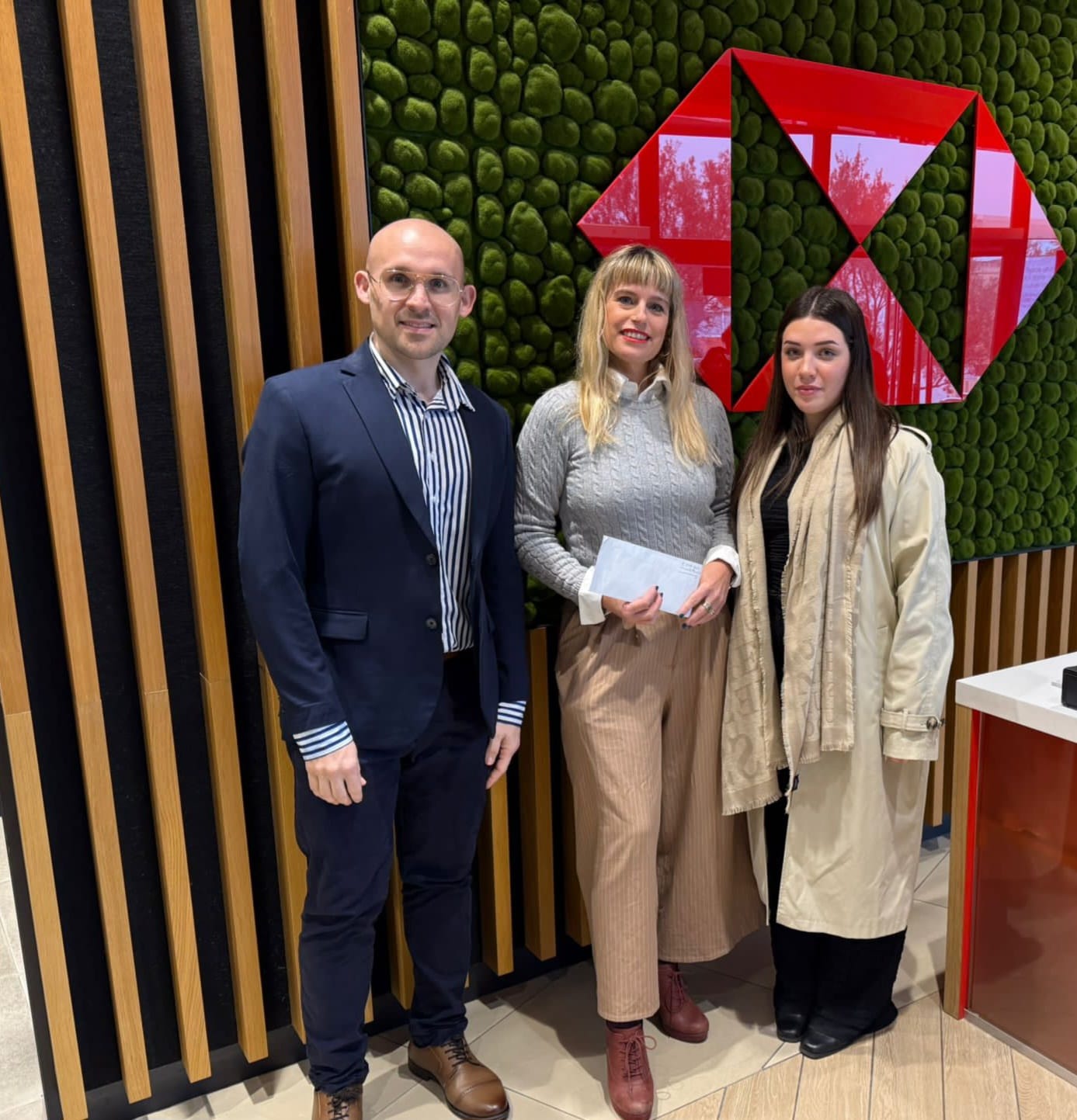
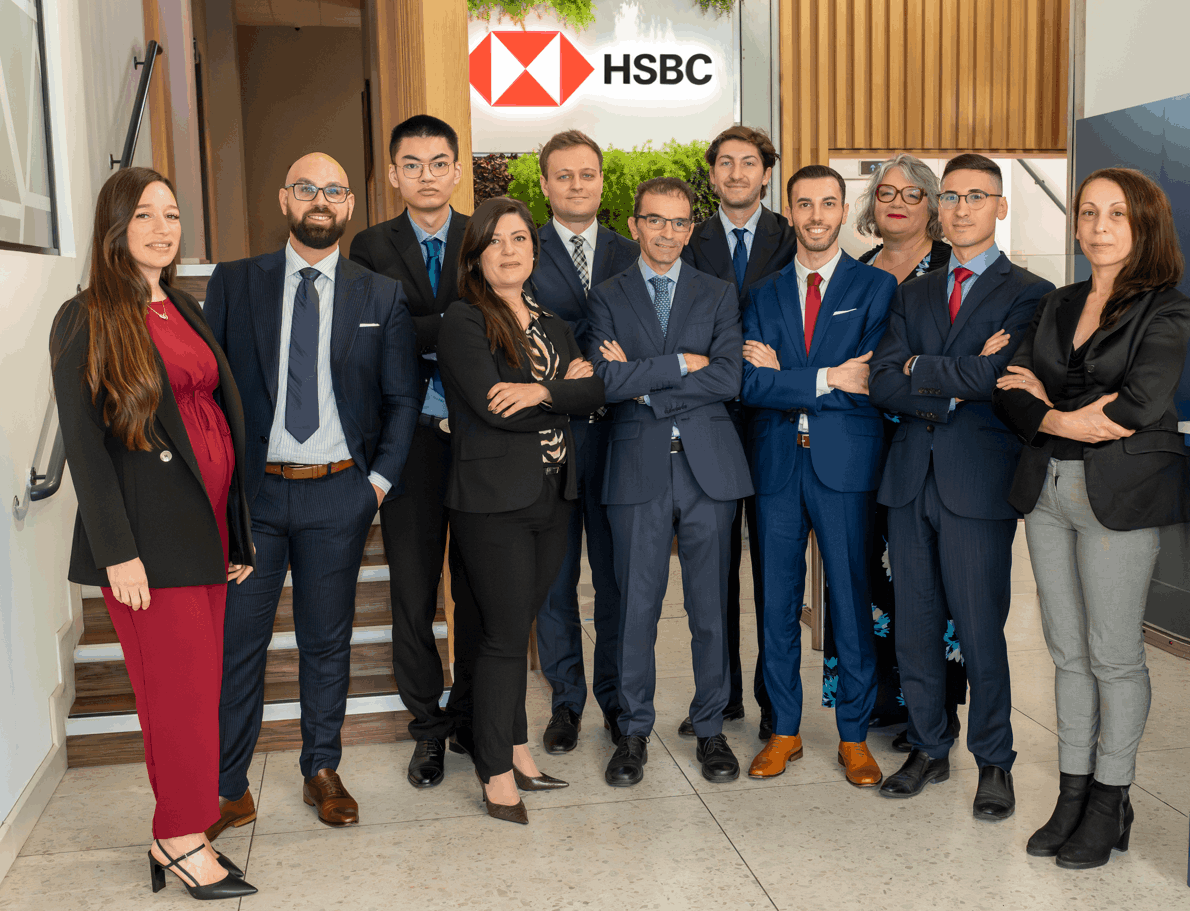
HSBC Malta has announced its support for the Traffic Accident Therapy Service (TATS), a pioneering initiative led by Victim Support Malta (VSM) to provide dedicated psychological and emotional support for road accident survivors and bereaving families.
Launched in 2024, TATS offers trauma therapy, crisis intervention, psychoeducation, and long-term mental health support to individuals affected by serious road accidents. The service addresses the often-overlooked psychological impact of such events, including grief, Post Traumatic Stress Disorder (PTSD), chronic pain, and the emotional toll of prolonged legal or medical processes.
Victim Support Malta, is a national NGO established in 2006 and has long provided holistic services to victims of crime and trauma across Malta and Gozo. The introduction of TATS reflects VSM’s continued commitment to responding to emerging needs in the community.
The financial support provided by HSBC Malta will help strengthen the reach and resilience of TATS at a time when demand for trauma-informed care is growing.
“HSBC understands that trauma from road accidents extends far beyond physical injury,” said Glenn Bugeja on behalf of HSBC Malta. “Families and individuals face long-term emotional, psychological, and social challenges, and services like TATS play a crucial role in restoring stability and hope. By supporting Victim Support Malta, HSBC Malta aims to strengthen a service that directly improves lives and contributes to a safer, more resilient community.”
Julianne Grima, Executive Chairperson of Victim Support Malta, welcomed the bank’s backing:
“Road accidents are not only physical events, but they also carry profound emotional and psychological consequences. Survivors often face complex trauma, chronic pain, and difficult justice processes, while families experiencing loss must navigate grief and systemic challenges. HSBC Malta’s support enables VSM to continue offering specialized, dignified, and long-term care to anyone affected by road trauma.”
This sponsorship highlights HSBC Malta’s ongoing commitment to community wellbeing and ensures that individuals affected by road trauma have access to professional and compassionate support when they need it most.
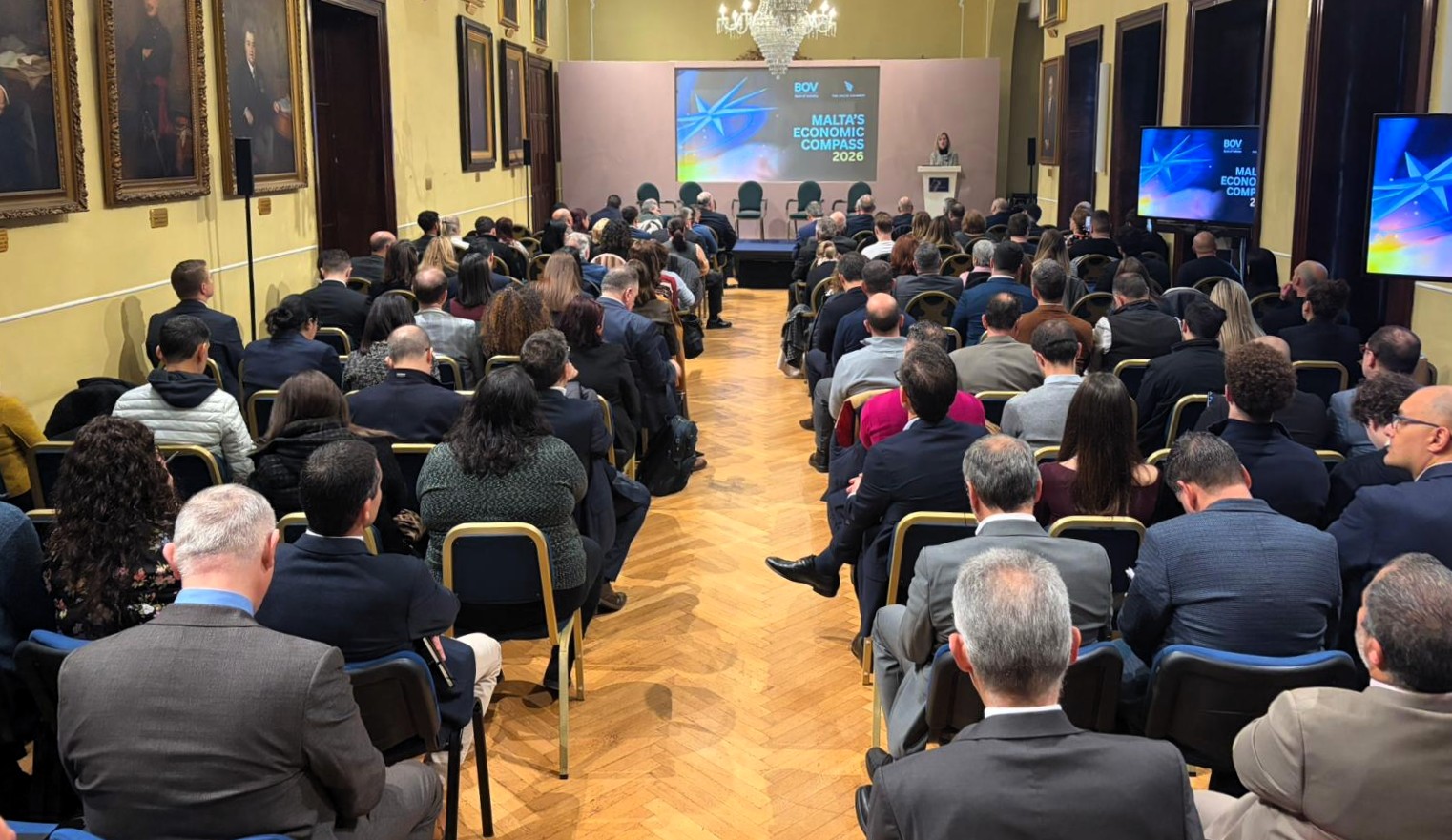
The Malta Chamber and Bank of Valletta host ‘Malta’s Economic Compass 2026’
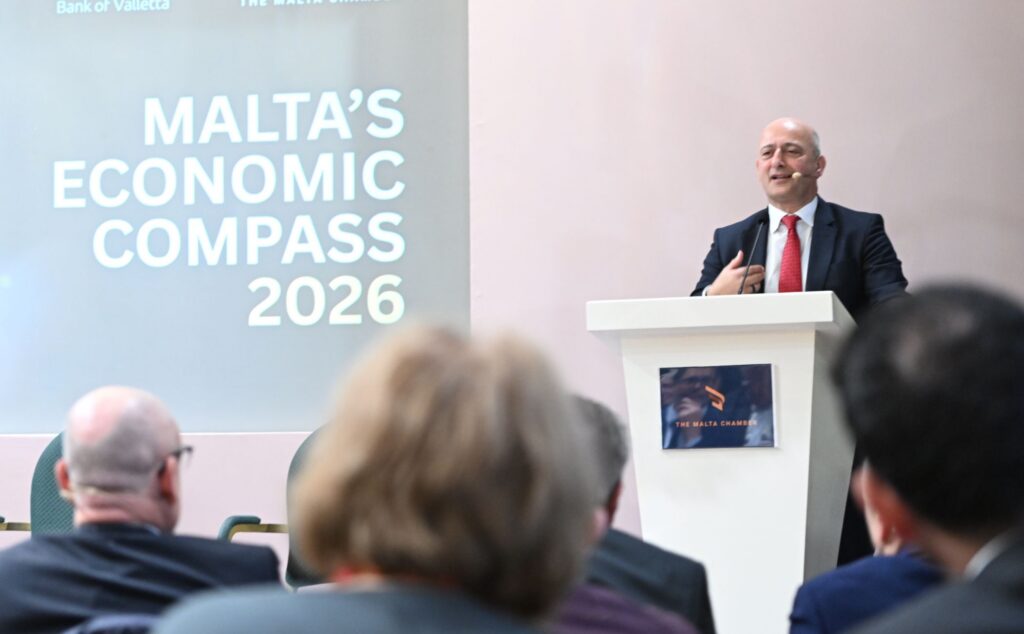
The Malta Chamber and Bank of Valletta hosted a conference titled ‘Malta’s Economic Compass 2026’, bringing together key stakeholders in a dynamic discussion about Malta’s economic landscape in a world that is more complex and unpredictable than ever. The global economic environment will remain challenging, and relying on a “business as usual” mindset is no longer enough. We need to explore alternative futures, identify emerging opportunities, and correct imbalances before they become systemic risks.
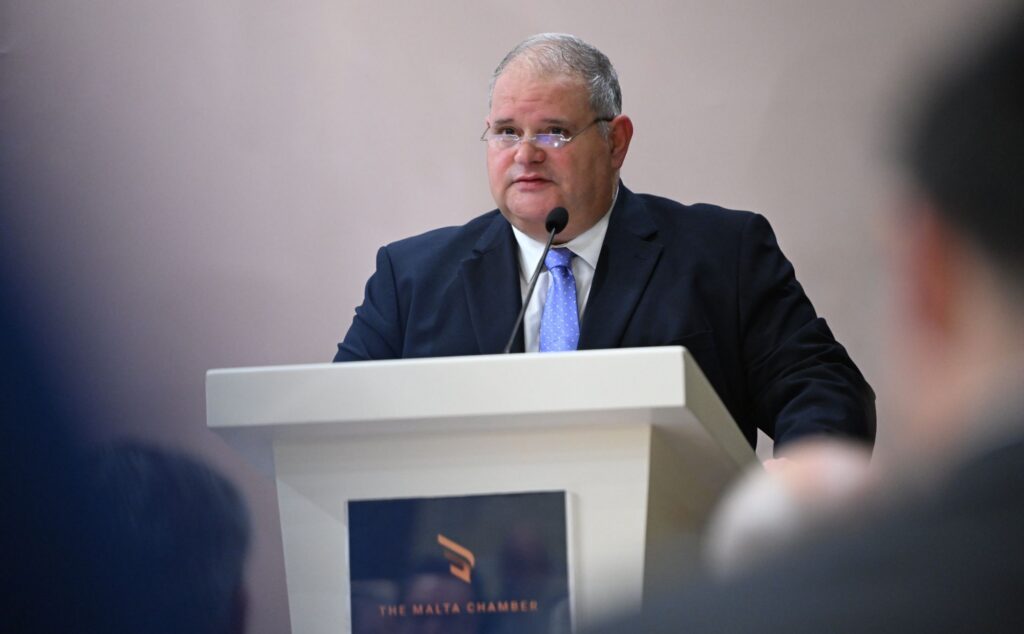
In his opening speech, President of The Malta Chamber, William Spiteri Bailey, remarked that “from The Malta Chamber’s perspective, three priorities are clear. Malta’s future growth must be productivity-driven, focused on skills, technology, strong governance, and regulation that delivers long-term value rather than short-term gains. This requires deliberate choices about which sectors to support and how. Malta also needs an honest, coordinated approach to demographics and labour. Foreign talent is essential, but must be matched with proper planning for integration, housing, infrastructure, and social cohesion. Finally, key sectors such as tourism and property must move beyond “business as usual” toward higher-value, better-planned, ESG-driven models that sustain competitiveness and share benefits more fairly.”
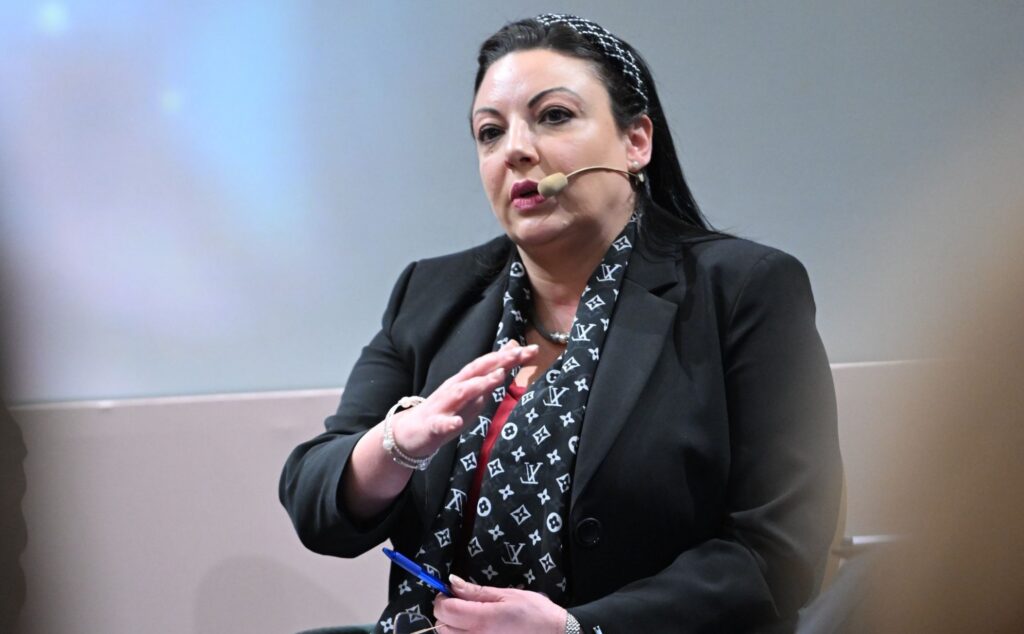
Dr Marthese Portelli, CEO of the Malta Chamber, said that “Malta’s low unemployment rate, while positive, also presents challenges for businesses seeking to recruit. Keeping this in mind, businesses should focus on business process review and reengineering to increase efficiency and do away with superfluous processes which can be transformed through investment in technology. With respect to innovation, despite progress, the European Innovation Scoreboard lists Malta as a moderate innovator, with structural gaps such as limited venture capital and a low number of doctoral graduates hindering a stronger innovation ecosystem. Economic growth must also be assessed beyond GDP figures. Growth must be well planned, sector-focused, and balanced with wellbeing. Tourism illustrates this clearly: The Malta Chamber warned of an oversupply of accommodation as early as 2021, and the impact is evident today. As government incentivises key sectors, it must remain agile and forward-looking. Above all, quality must be clearly defined and holistic, delivering meaningful experiences that benefit the wider community while preserving Malta’s culture, heritage, and identity.”
BOV Chief Executive Officer Kenneth Farrugia, who also participated in the panel discussion, highlighted the important role Malta’s financial sector can play in supporting long‑term economic growth through innovation and investment in technology. He noted that companies must continue to embrace digital transformation and invest in technology, particularly artificial intelligence. “Companies are not always seeing the long‑term benefits of the investments they are making today. We need to invest now to deliver stronger profitability over the medium to long term,” Mr Farrugia said. “It is all about legacy, we should be driven by the legacy we want to leave behind for future generations.” Turning to pensions, he stressed the importance of being smart with money and long‑term financial planning.
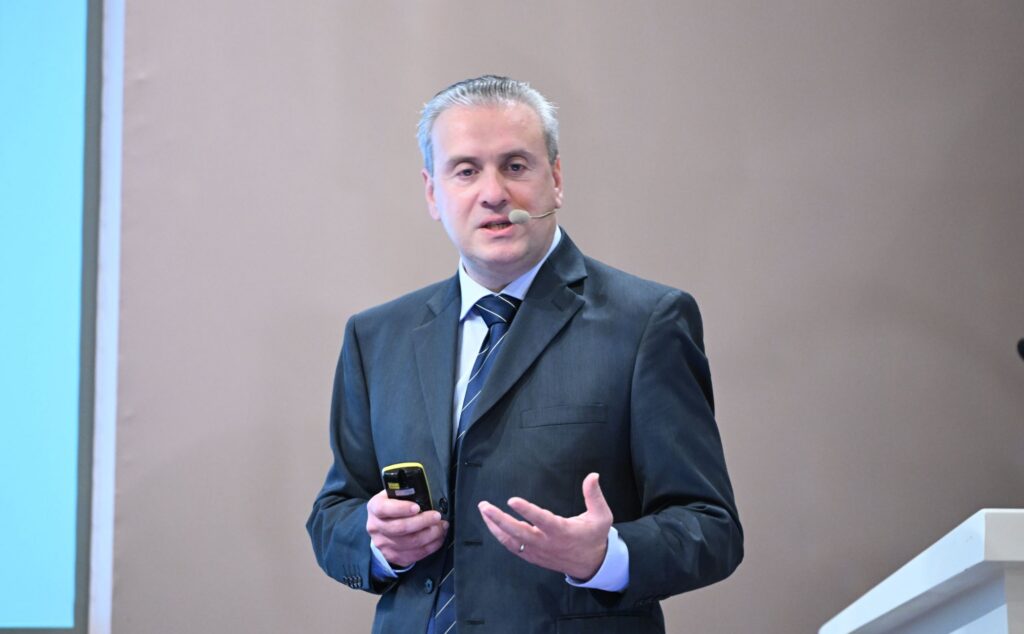
Malcolm Bray, Head of BOV’s Economics Unit, delivered the keynote speech, offering an in-depth assessment of the increasingly unpredictable global landscape. He noted that rapid shifts across economic, political, technological, and environmental spheres continue to shape worldwide developments. Despite heightened geopolitical tensions, Mr Bray stated that Malta’s economic outlook remains favourable, supported by solid economic growth, low unemployment, inflation converging towards the ECB’s target, and a public debt ratio that remains within established thresholds. He also highlighted how Malta’s export performance has shown remarkable resilience despite the introduction of US tariffs, attributing this strength the diversification of Malta’s economic sectors.
In his presentation, Mr Bray spoke about Malta’s demographic trends, tourism, the property market, and public finances. He noted the tourism sector’s record arrivals, while underscoring the need to improve real per capita spending. On the property market, he outlined factors behind rising residential property prices and observed that household wealth has expanded over time, but remains heavily concentrated in property and bank deposits, highlighting the scope for better asset optimisation. Turning to public finances, he urged a deeper look beyond headline deficit figure to examine expenditure dynamics in line with new EU economic governance framework and identified areas such as municipal waste management and emissions where Malta continues to lag behind EU averages.
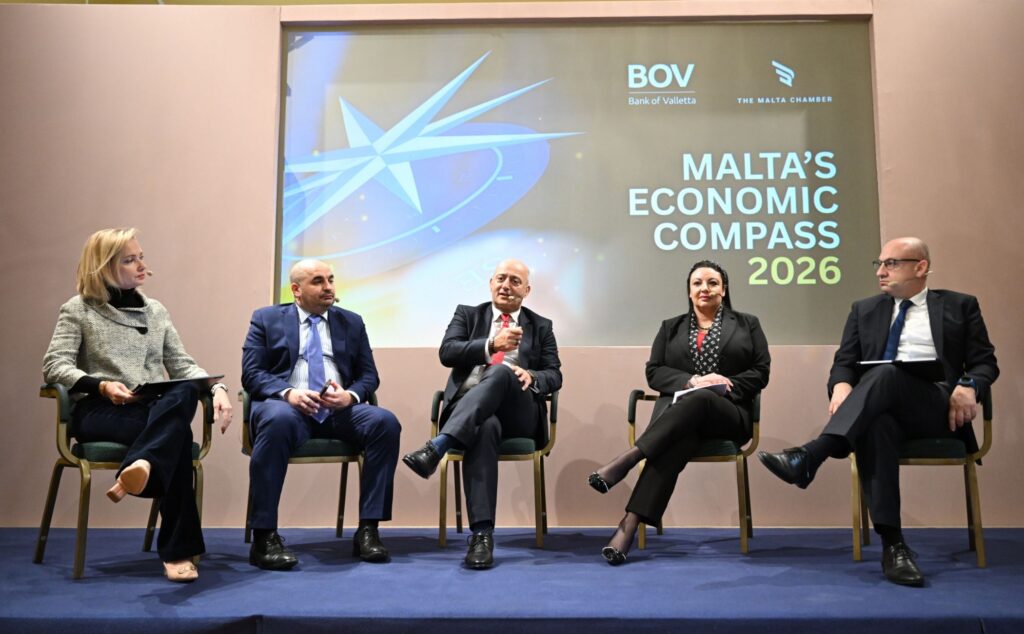
The panel discussion titled ‘Balancing Growth and Resilience Amid Global Shifts’ focused on Malta’s current economic situation within the context of ongoing uncertainty due to geopolitical tensions. Moderated by Rachel Bondi Attard, Head of Media & Communications Strategy, the discussion brought together Kenneth Farrugia, BOV CEO; Dr Martese Portelli, The Malta Chamber CEO; Reuben Debono, Maypole Group CEO; and Bernard Attard, Clients & Markets Leader, PwC Malta. They identified priority areas where structural change and transformation are required and examined the key policies should be prioritised to maintain progress and prevent stagnation.
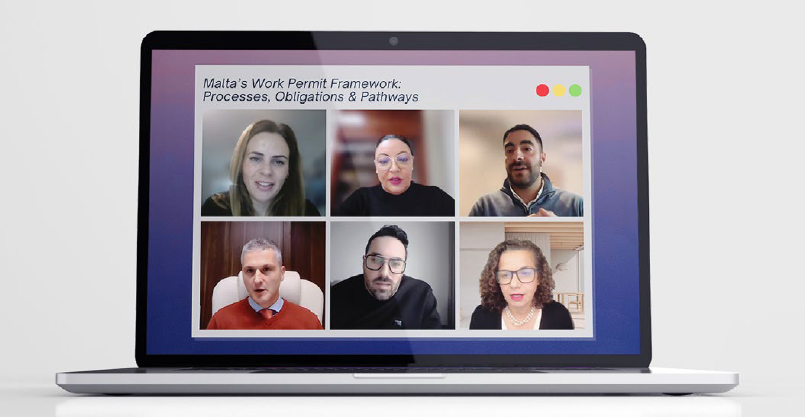
Mamo TCV Advocates, in collaboration with The Malta Chamber, hosted a webinar on Malta’s work permit framework.
Event Overview
The webinar brought together policymakers, regulators, employers, and legal practitioners to discuss the evolving landscape of labour migration in Malta. A presentation was delivered by Dr Julian Fenech Adami, Senior Associate at Mamo TCV Advocates, followed by a panel discussion with the Chief Executive Officers of the two regulatory bodies in this field – Celia Falzon (CEO, Jobsplus) and Dr Edric Zahra (CEO, Identità). They were joined on the panel by Mr Justin Anastasi (Chair of the Employment Agencies Business Section, The Malta Chamber).
Dr. Christine Calleja, Partner at Mamo TCV Advocates, moderated the panel discussion, guiding conversation between the speakers on Malta’s evolving labour migration landscape. Several questions from the audience were also addressed.
Key Topics Covered
The webinar addressed Malta’s principal employment pathways for third-country nationals (TCNs), outlining the core mechanisms through which Non-EU workers can seek employment in Malta. Participants gained detailed insight into the Single Permit application process and the EU Blue Card. The session also clarified the general employment licensing provisions administered by Jobsplus, detailing employer obligations and compliance requirements.
A portion of the discussion focused on family reunification pathways available to eligible workers, ensuring that attendees understood the broader immigration framework beyond direct employment arrangements. The presentation covered the relevant legislative instruments governing these processes, including the Immigration Act (Chapter 217), the Single Application Procedure for a Single Permit (…) Regulation (S.L. 217.17), and the Family Reunification Regulations (S.L. 217.06).
Major Policy Reforms Highlighted
The webinar highlighted two significant phases of reform to Malta’s labour migration framework by way of the Malta Labour Migration Policy. The August 2025 amendments introduced stricter employer termination monitoring, enhanced job advertising requirements, and adjusted fee structures, whilst the January 2026 measures further strengthened compliance standards and introduced new integration requirements for workers. These reforms underscore Malta’s commitment to sustainable recruitment practices and effective workforce integration.
Strategic Importance
These reforms collectively represent a significant shift in Malta’s approach to labour migration, prioritising sustainable recruitment practices, workforce retention, and effective integration of third-country nationals. The webinar underscored the critical importance of proactive compliance by employers and stakeholders as the regulatory landscape continues to evolve.
HSBC Global Asset Management (Malta) Limited has reached a significant milestone, with assets under management and distribution exceeding €1 billion as of 31 December 2025. This represents a 24% increase from 2024, demonstrating the high level of trust by the clients in the company and its products and services.
Incorporated in 1996, HSBC Global Asset Management (Malta) Limited specialises in the manufacturing and distribution of investment products across both local and international markets. The company is licensed as a UCITS Management Company and distributes its fund range through HSBC Bank Malta’s wealth and advisory team across the local branch network.
The company manages five flagship funds, namely, the Malta Bond Fund, Malta Government Bond Fund, International Bond Fund, Maltese Assets Fund, and Equity Growth Fund. These funds are primarily targeted to retail investors, with a focus on the domestic market and fixed income strategies. This focus is underpinned by customer preference.
Alongside its locally managed funds, HSBC Global Asset Management (Malta) Limited also distributes a broad range of globally managed HSBC funds, offering diversified investment strategies across fixed income, equity, multi-asset and responsible investment solutions. These global fund offerings account for more than €200 million in assets under distribution.
Innovation has remained central to the company’s approach, particularly in response to evolving interest rate environments. Its fixed maturity product proposition, designed for investors seeking fixed income solutions with a buy-and-maintain strategy, has generated strong investor demand during limited offer periods over the past few years.
The company’s money market proposition, aimed at professional clients seeking high investment-grade liquidity management solutions, has also exceeded €200 million in assets under distribution as at 31 December 2025.
“Even during a prolonged period of market disruption, marked by shifting interest rates, inflation and heightened volatility, our priority has remained clear: to manage our clients’ assets responsibly and support their long-term investment objectives,” said Lisa Vella, Chief Executive Officer of HSBC Global Asset Management (Malta) Limited.
Looking ahead, HSBC Global Asset Management (Malta) Limited remains focused on delivering investment solutions aligned to the evolving needs of its clients.
Computime and PwC Digital Services announced today a strategic collaboration aimed at bringing Artificial Intelligence (AI) solutions to the market. This collaboration brings together the expertise and innovative spirit of both organisations, with the scope of building momentum with impactful developments in AI technology.
By joining forces, PwC Digital Services and Computime Software Limited are poised to lead the charge in AI innovation, combining strengths to create solutions that are not only cutting-edge but also practical and impactful.
Computime is a leading ICT company and provider with over 45 years of experience, while PwC Digital Services is recognised for its expertise in digital transformation, and advisory services, as well as its advantage to harness the strength of a global network to support local businesses.
“This collaboration amplifies what each organisation does best,” said Dr Vincent Vella, the CTO at Computime responsible for Business Software and FinTech. “PwC Malta brings unmatched market and regulatory insights coupled with strategic business and digital transformation capabilities, while Computime delivers the technologies that make modern digital operations possible. Together, we’re able to offer organisations not only the guidelines for transformation, but the tools and platforms required to fully realise it.”
“Our latest collaboration with PwC Malta is a natural progression of successful initiatives we worked on together in the past such as the joint venture formed by both parties two years ago to deliver regulatory reporting solutions to the market,” Dr Vella added.
The collaboration is focused on helping clients apply practical AI solutions, starting with a focus on the Insurance and Gaming sectors. Together, both organisations will blend global knowledge with local insights to offer more impactful, comprehensive solutions tailored to the local market’s needs, including regulatory expectations, sector dynamics, and operational realities. Organisations will benefit from integrated expertise that reduces risk, accelerates adoption, and drives sustainable digital innovation.
“This collaboration is built on a shared vision: to deliver AI solutions that drive meaningful change. Together, we’re exploring new avenues in AI, from enhancing business processes to unlocking new revenue streams, and bringing to market technology solutions designed to address real business challenges. Our focus is on delivering tangible value and measurable outcomes for our clients and stakeholders, while ensuring the right guardrails, governance, and responsible AI practices are in place,” explained Andrew Schembri, Digital Services Leader at PwC Malta.
The future of AI is bright, with PwC Malta and Computime at the helm, ready to lead the way. Building on the shared vision to deliver AI solutions that drive meaningful change, this collaboration is not just about technology; it’s about building trust, fostering innovation, and delivering results that make a difference.
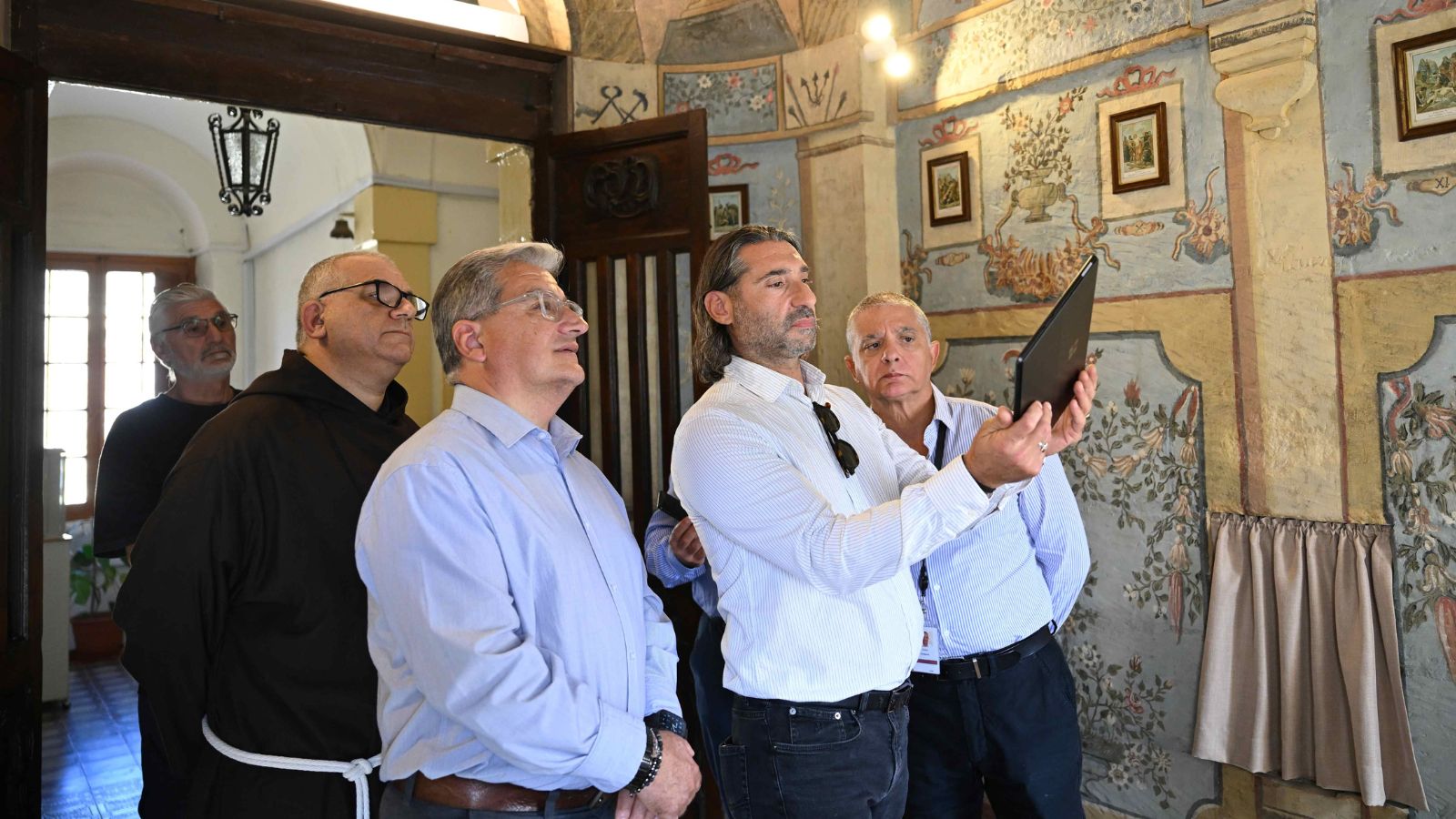
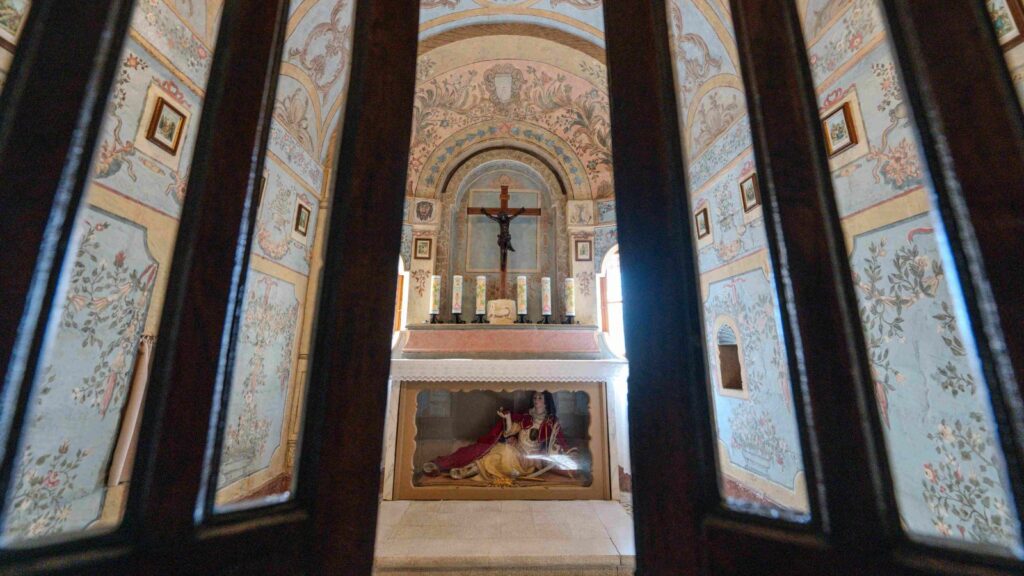
Bank of Valletta (BOV), through the BOV Foundation, has marked the completion of a significant conservation project at the Capuchins Chapel in Victoria, Gozo. This historical chapel is 300 years old, and found on the grounds of the Convent. The conservation, carried out by Prevarti, focused on the chapel’s interior decorative work, which had suffered the effects of time, environmental exposure, and previous interventions.
To mark the completion of the project, Ernest Agius, Chief Operations Officer at Bank of Valletta and Deputy Chair of the BOV Foundation, visited the chapel, where he was welcomed by Bro. Vince Axiaq. During the visit, Mr Agius reviewed the restored interiors and commended the high level of craftsmanship and care that guided the project from start to finish.
The conservation work addressed long-standing deterioration that had obscured the chapel’s decorative scheme. Prevarti’s team stabilised fragile paint, recovered hidden details, and revived areas that had been lost over time, while ensuring the original artistic character remained at the heart of the project.
Pierre Bugeja, Chief Conservator at Prevarti, reflected on the process, “When we first began work on the chapel, it was clear that time had left its mark. Much of the paint was fragile or lifting, and a number of details had been dulled or lost altogether. We aimed to bring clarity back to the artwork without forcing anything that didn’t belong. Bit by bit, we uncovered colours and patterns that had been hidden for years, and restored missing sections in a way that respects the original hand. It has been a privilege to help return the chapel to a state that truly reflects its beauty and history.”
Highlighting the Foundation’s commitment to safeguarding the Maltese islands’ cultural heritage, Mr Agius remarked, “What has been achieved here is remarkable. The chapel’s decorative work had reached a stage where it risked fading into obscurity, and this project has given it new life. The BOV Foundation believes strongly in supporting work that preserves our cultural heritage, and this restoration is an excellent example of how careful collaboration can make a real difference. Once again, the chapel once again stands as a place of beauty, meaning, and pride.”
Bro. Vince Axiaq expressed his gratitude on behalf of the community, saying, “For us, the chapel is a place that carries our community’s memories and faith. Seeing it restored with such care has been deeply moving. Details that had long disappeared have been brought back with great sensitivity, and the space now feels brighter and more alive while still honouring its spiritual purpose.
Through its ongoing efforts, the BOV Foundation continues to support cultural heritage initiatives across the Maltese Islands, contributing to the protection and appreciation of sites that hold artistic, historic, and community importance.
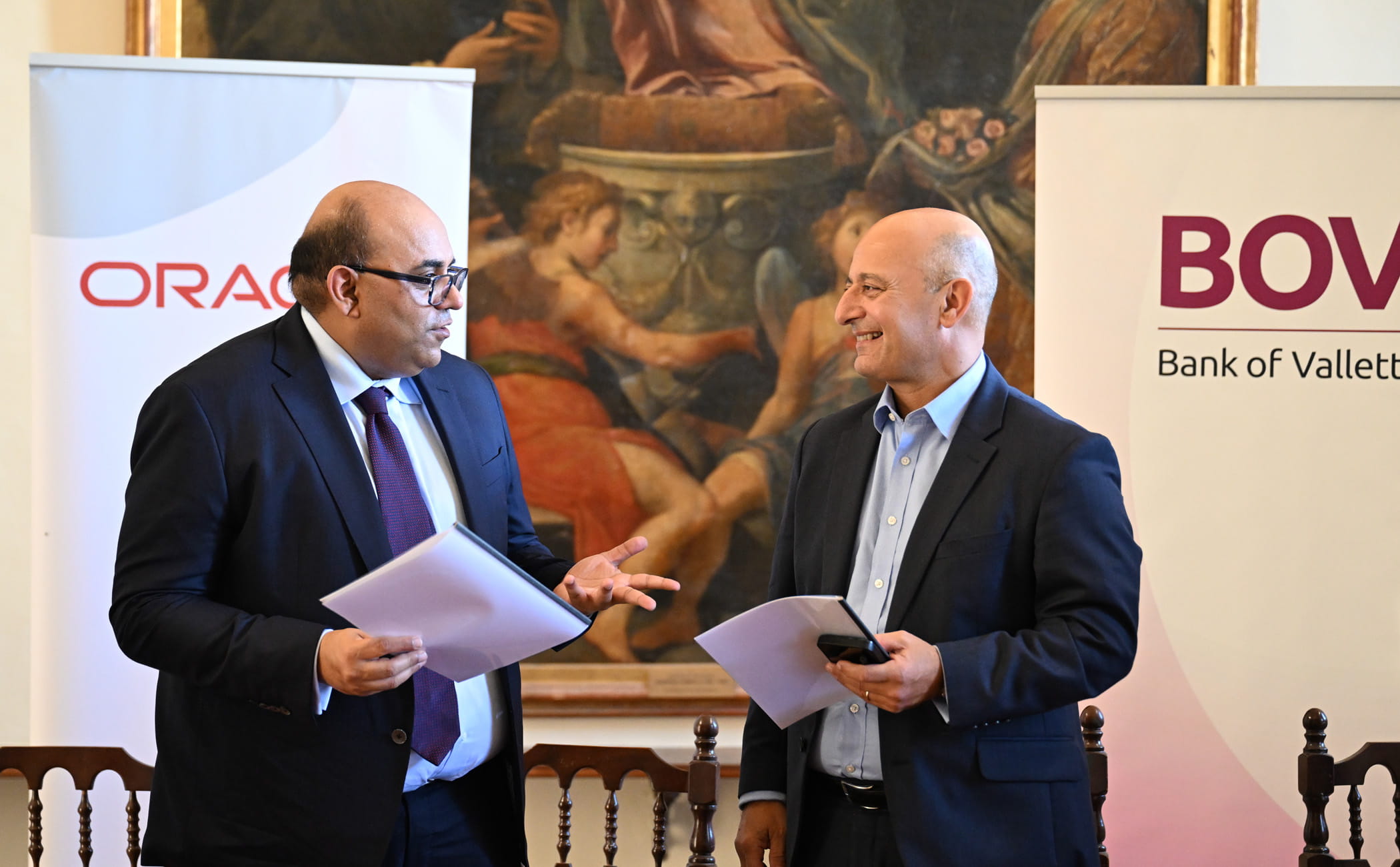
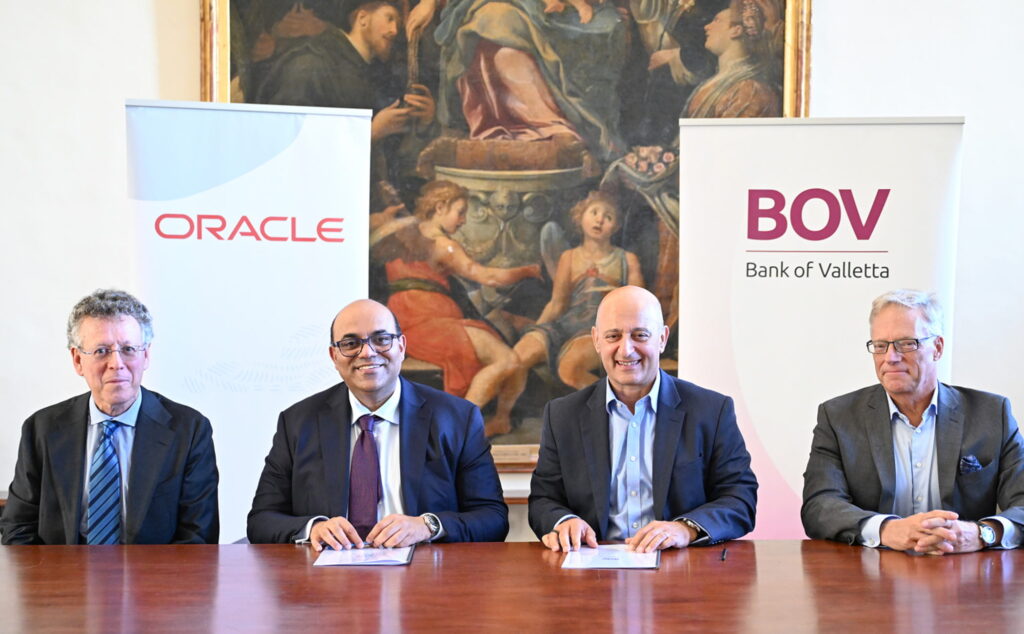
Bank of Valletta (BOV) has entered a strategic collaboration with Oracle Financial Services to modernise its technology landscape and fast-track its journey toward an AI-first operating model. This multi-year collaboration, formalised through a non-binding Memorandum of Understanding, sets the stage for a sweeping transformation focused on cloud-native architecture, AI-powered capabilities, and regulatory compliance by design. The agreement was signed by BOV’s CEO Kenneth Farrugia and Sovan Shatpathy, senior vice president, Product Management and Development, Oracle Financial Services. Present also for the signing in Malta were Bjorn Ekstedt, BOV’s Chief Information Officer and Gerrard Mahony, sales director, Oracle Financial Services.
“At Bank of Valletta, our commitment is clear. We are modernizing responsibly and preserving the reliability that our customers expect while evolving into an AI-first financial services provider,” said Kenneth Farrugia. “Partnering with Oracle means that we are building a more resilient, innovative, and customer-centric institution for the future, with the aim of providing our customers the best service possible.”
The collaboration is anchored on four pillars: governance and engagement, compliance and risk management, innovation and skills development, and performance excellence. These will guide every step of the transformation, enabling oversight and capability building throughout. By mid-2026, BOV plans to deploy Oracle AI Agents across its retail and corporate banking, payments, and insurance. These agents will streamline processes like loan origination, credit decisions, and customer engagement, delivering faster, smarter, and more personalised financial services.
“BOV’s commitment to modernizing responsibly while preserving customer trust is at the heart and foundation of this transformation,” said Sovan Shatpathy. “Oracle is enabling BOV’s AI-first journey by embedding AI, cloud-native architecture, and compliance by design into the core of its operating model. Together, we are helping BOV move faster with confidence scaling intelligent automation, strengthening governance, and delivering more personalized banking experiences without compromising resilience or regulatory rigor.”
This strategic alliance marks a pivotal moment in Bank of Valletta’s transformation journey, reinforcing its commitment to innovation, trust, and sustainable value for customers, shareholders, and the wider economy.
PwC’s 2026 Global CEO Survey reveals that only 30% of CEOs worldwide are confident about revenue growth in the next 12 months, the lowest in five years. The decline is linked to challenges in realising financial returns from AI investments and rising cyber and geopolitical risks. In contrast, Malta’s most recent CEO Confidence Tracker shows resilience, with 69% of local CEOs reporting stronger results in 2025 and 92% expecting stable or improved economic conditions in the coming months.
“Malta’s CEOs are navigating global uncertainty from a position of relative resilience. The contrast with the global confidence dip underscores the importance for Malta‑based companies to stay the course on transformation, especially AI foundations and cyber preparedness, while continuing to invest for growth,” said Lucienne Pace Ross, Territory Senior Partner, PwC Malta.
AI emerges as a defining divide globally, with the CEOs’ biggest question being whether they are transforming fast enough to keep pace with technological change, including AI. 42% cite this as their top concern, ahead of worries about innovation capability or medium‑to‑long‑term viability (both 29%).
The survey highlights a growing gap between companies piloting AI and those deploying it at scale. CEOs reporting both cost and revenue gains are two to three times more likely to have embedded AI extensively across products and services, demand generation, and strategic decision‑making.
Global concern about cyber risk has risen sharply, with 31% of CEOs now citing it as a major threat; up from 24% last year and 21% two years ago. In response, 84% say they plan to strengthen enterprise‑wide cybersecurity as part of their response to geopolitical risk. Exposure to tariffs is also weighing on confidence: one in five CEOs globally (20%) report high or extreme risk of significant financial loss from tariffs over the next 12 months.
However, despite this challenging backdrop, CEOs are pursuing reinvention. Globally, more than four in ten (42%) say their company has begun competing in new sectors in the past five years. Of those planning major acquisitions, 44% expect to invest outside their current industry, most often in technology. A little over half (51%) plan international investments in the year ahead, with the United States remaining the top destination (35% ranking it among their top three), followed by the UK and Germany (both 13%), the Chinese Mainland (10%), and rising interest in India (13%).
“2026 is shaping up as a decisive year for AI. A small group of companies are already turning AI into measurable financial returns, while many others are still struggling to move beyond pilots. That gap is starting to show up in confidence and competitiveness, and it will widen quickly for those that don’t act,” said Mohamed Kande, PwC Global Chairman.
“In periods of rapid change, the instinct to slow down is understandable—but it’s also risky. The value at stake across the global economy is increasing, and the window to capture it is narrowing. The companies that succeed will be those willing to make bold decisions and invest with conviction in the capabilities that matter most,” he concluded.
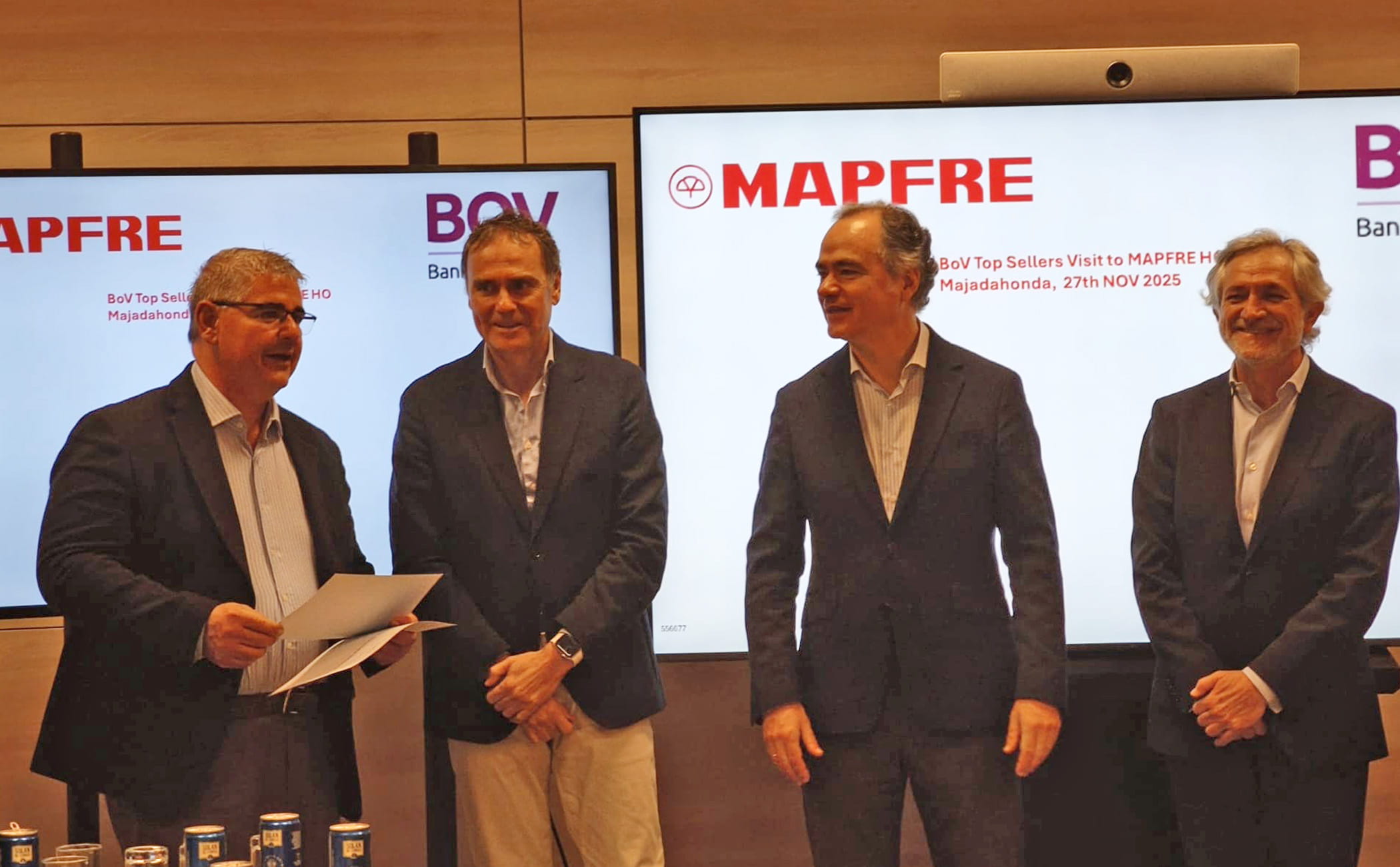
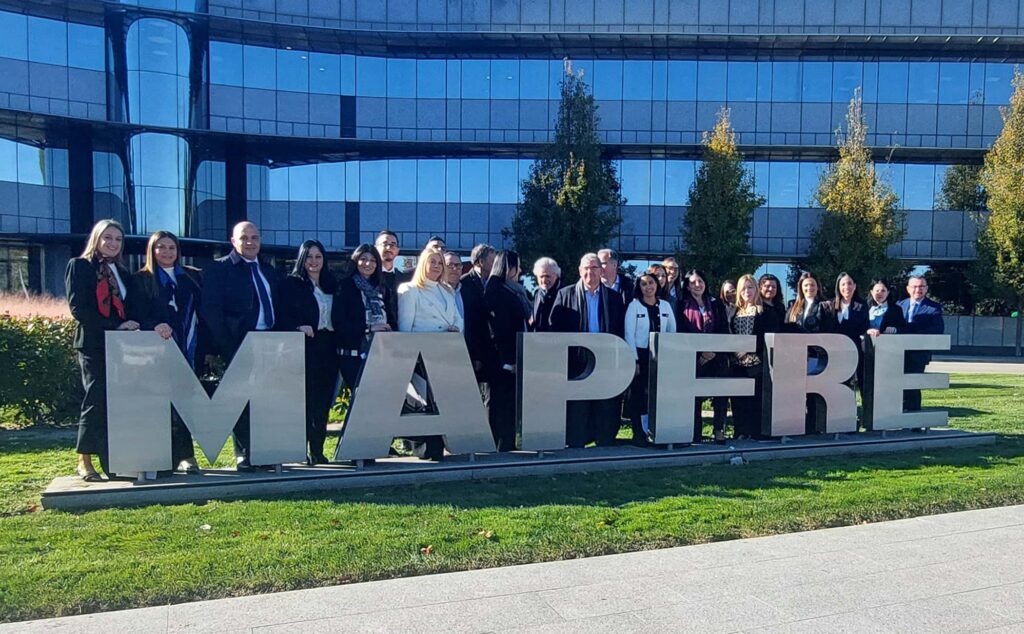
A group of BOV employees from across the Bank’s Investment Centres, Branch Network, Business Development, and Private Banking paid a visit to Mapfre’s Head Office in Madrid, as a celebration of shared values, contribution, and strong team culture. This trip was a way of recognising team members who demonstrate outstanding commitment, professionalism, and a drive for excellence, and was a unique opportunity to connect, learn, and celebrate success.
A key highlight of the programme was the visit to Mapfre’s headquarters in Majadahonda, where the group was welcomed by senior Mapfre representatives and given an overview of the Group’s life insurance strategy and future direction. The visit concluded with a certificate award ceremony, formally recognising every employee’s achievement.
Reflecting on the experience, Alex Bezzina, Head of Insurance Services and Pensions at Bank of Valletta, explained, “This trip is a token of appreciation for those who consistently live our values of resilience and customer focus. Our relationship with Mapfre MSV Life is built on trust and shared values, and experiences like this help strengthen that bond while keeping our focus firmly on delivering value to our customers.”
mapfre S.A. is one of Spain’s leading insurance providers, with a presence that extends across Latin America and the Maghreb.
Alongside the professional programme, participants enjoyed discovering Madrid’s rich culture, with visits to iconic landmarks including Plaza Mayor, the Royal Palace, and Puerta del Sol, as well as shared social team-building moments such as a tapas tour and a flamenco evening.
Participants described the experience as memorable, well-organised, and enjoyable. It was a chance not only to learn, but also to build stronger connections with colleagues from across the Bank. This Madrid visit reflects Bank of Valletta’s ongoing commitment to investing in its people and celebrating success together.