HSBC Malta Employees Volunteer to Support SOAR Retreat for Survivors of Domestic Violence

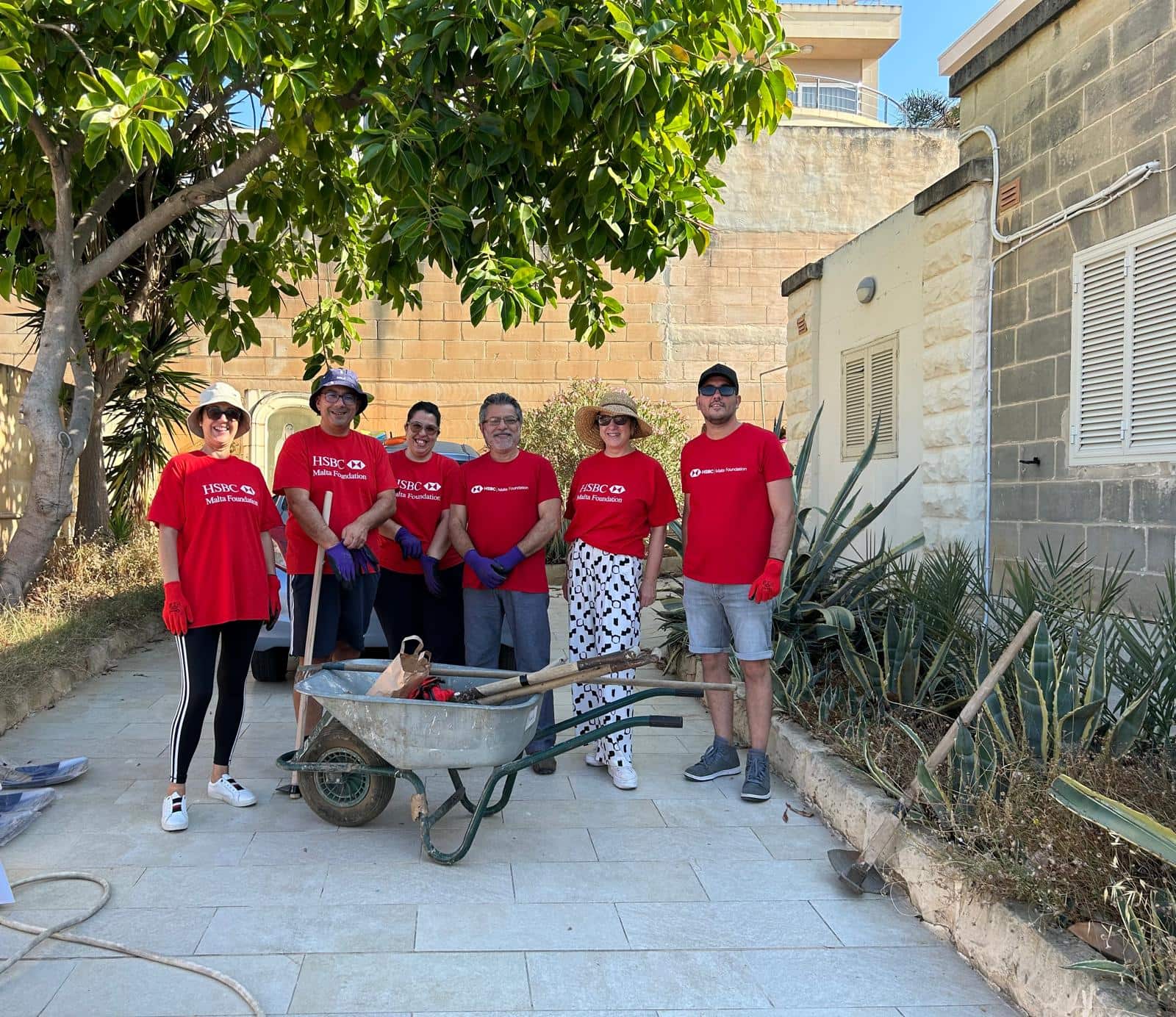
A group of HSBC Malta employees have used their voluntary leave day on 24 June 2025 to support the SOAR Service, run by the St Jeanne Antide Foundation (SJAF), in preparing a new retreat space for women and children who have survived domestic violence.

The one-day initiative involved a team of HSBC volunteers helping to clear and tidy the garden of a villa, which SJAF will use to host a live-in retreat focused on healing, empowerment, and connection. The property, which had been unused for some time, required substantial outdoor maintenance to ensure it is safe and welcoming for its vulnerable guests.

The HSBC Malta team assisted with removing overgrown vegetation, trimming bushes and trees, clearing debris, and generally restoring the outdoor space, working under the guidance of SOAR’s coordinators. Gardening tools and safety equipment were provided through joint effects by SJAF and the bank.

Dr Paula Mamo, Deputy Chair of the HSBC Malta Foundation, said: “We are proud to support the SOAR Service, not only financially but also by giving our people the opportunity to contribute their time and energy. This is more than just a clean-up, it’s a show of solidarity with women and children rebuilding their lives after trauma. Our team is honoured to play a small part in helping create a space where healing can begin.”

Shakira Fenech, Head of the SOAR Service, expressed her gratitude: “This retreat will offer survivors of domestic violence a rare chance to reconnect with themselves and others in a peaceful and supportive environment. The help from the HSBC team is invaluable not only in preparing the space physically, but in affirming the community’s belief in these women’s strength and potential. We are truly thankful.”

SOAR is a survivor-led support service that forms part of the St Jeanne Antide Foundation. It offers holistic, long-term support to women and children who have experienced domestic abuse, with services ranging from one-to-one support and peer-mentoring to community events, training, and advocacy.
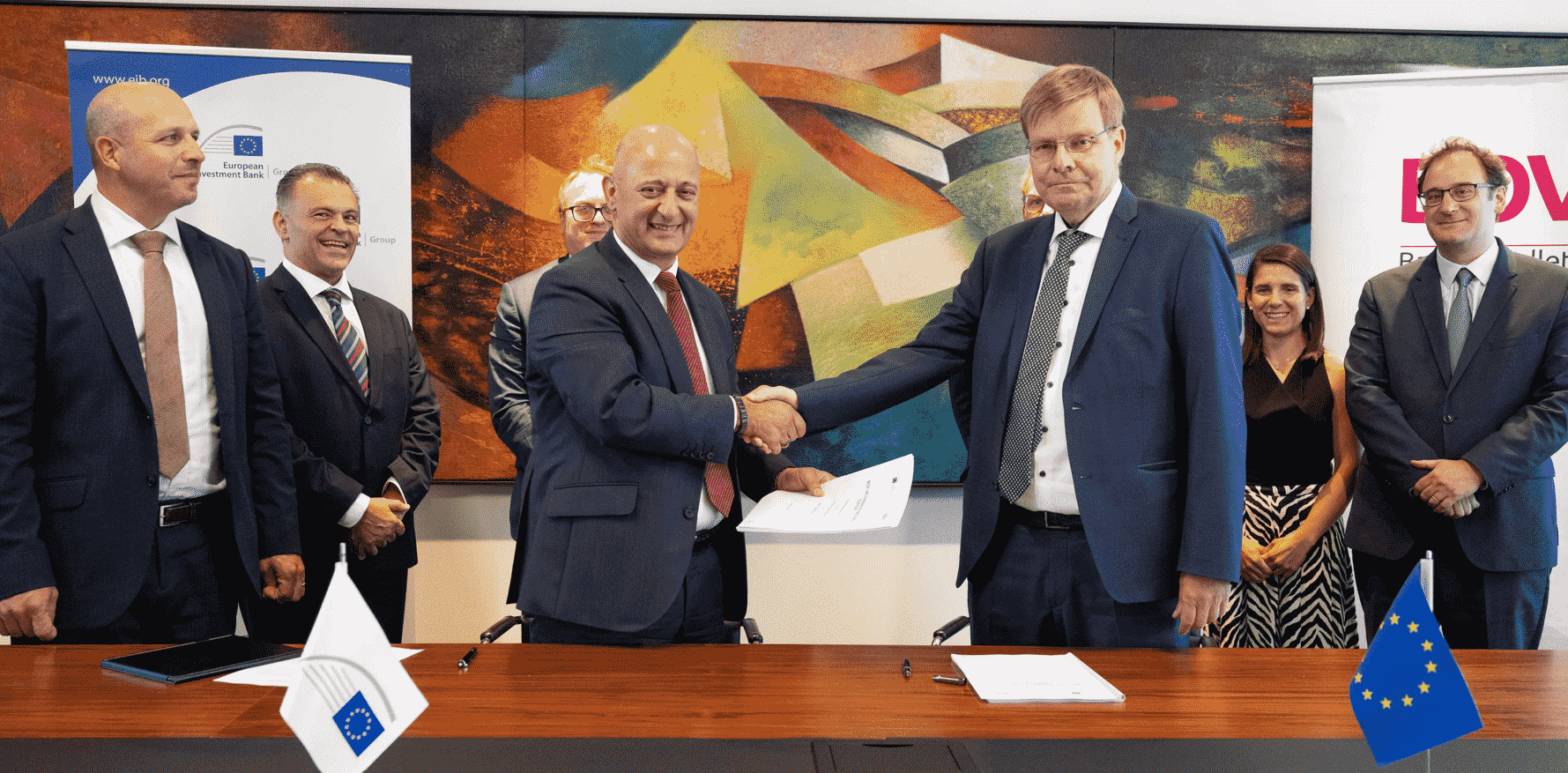
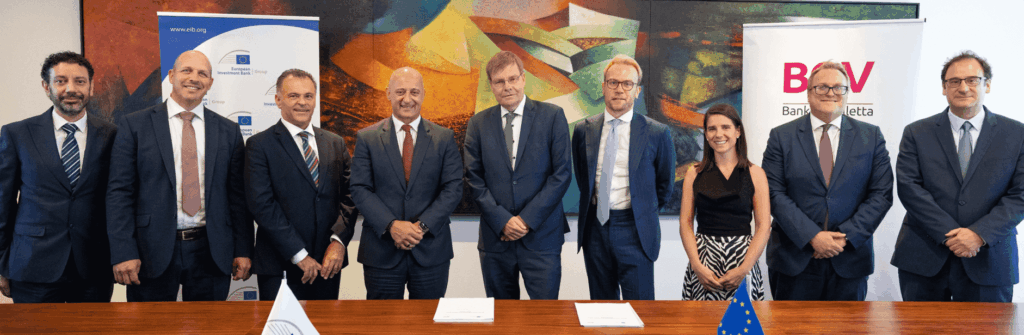
EIB and Bank of Valletta join forces to support Maltese medium-sized companies with €60 million in new financing

The European Investment Bank (EIB) and Bank of Valletta have announced a new partnership to strengthen access to finance for medium-sized companies in Malta. Under the agreement, unveiled on Friday, 14th July 2025, by EIB Vice-President Kyriacos Kakouris and Bank of Valletta Group CEO Kenneth Farrugia, the EIB will provide a €30 million guarantee to support the creation of a new lending portfolio of up to €60 million. This is made possible through a linked risk-sharing structure that facilitates financing for newly originated transactions with eligible large mid-cap beneficiaries. Highlights of the scheme include:

  • EIB provides €30 million guarantee to support Bank of Valletta’s lending to Maltese medium-sized companies 
  • Operation expected to generate up to €60 million in new financing under a linked risk-sharing structure
  • Initiative strengthens mid-cap access to finance and supports long-term economic resilience in Malta

This initiative is designed to enhance the working capital and investment capacity of Maltese mid-sized firms, which play a critical role in the country’s economy and job market.  They are critical to Malta’s economic resilience, innovation, and employment landscape. The new facility will help address liquidity gaps and unlock new opportunities for growth.   

EIB Vice-President Kyriacos Kakouris said, “This agreement is a strong example of how the EIB and commercial banks can work together to strengthen Europe’s local economies. By partnering with Bank of Valletta, we are channelling fresh financing to Maltese businesses that contribute to drive growth, innovation, job creation, and long-term sustainable development in Malta.”

Eligible companies will benefit from more favourable financing conditions, such as increased funding volumes, and favourable terms and conditions. For Bank of Valletta, the risk-sharing arrangement enables more efficient use of capital and balance sheet capacity, allowing for additional lending to the real economy. The operation also helps reduce risk-weighted assets and supports the bank’s strategic goal of enhancing credit access for local businesses.

Kenneth Farrugia, elaborated further by saying, “As Malta’s leading financial services provider, we are committed to supporting the growth ambitions of local businesses. This strategic partnership with the European Investment Bank is the first of its kind in terms of risk sharing instruments targeted at larger mid-sized firms, a vital segment of the Maltese economy. The risk-sharing structure not only boosts our lending capacity but also improves access to credit for businesses seeking to innovate, invest, and scale up their operations. This initiative directly supports our mission to foster long-term economic sustainability and empower local enterprises to thrive in a dynamic global environment.”

This operation is in line with Bank of Valletta’s long-standing role as a key enabler of national economic growth. With a wide-reaching branch network and deep roots in the local economy, BOV continues to support large midcaps through tailored financial solutions and strategic collaborations, such as this agreement with the EIB.

BOV champions employee engagement with popular quiz night

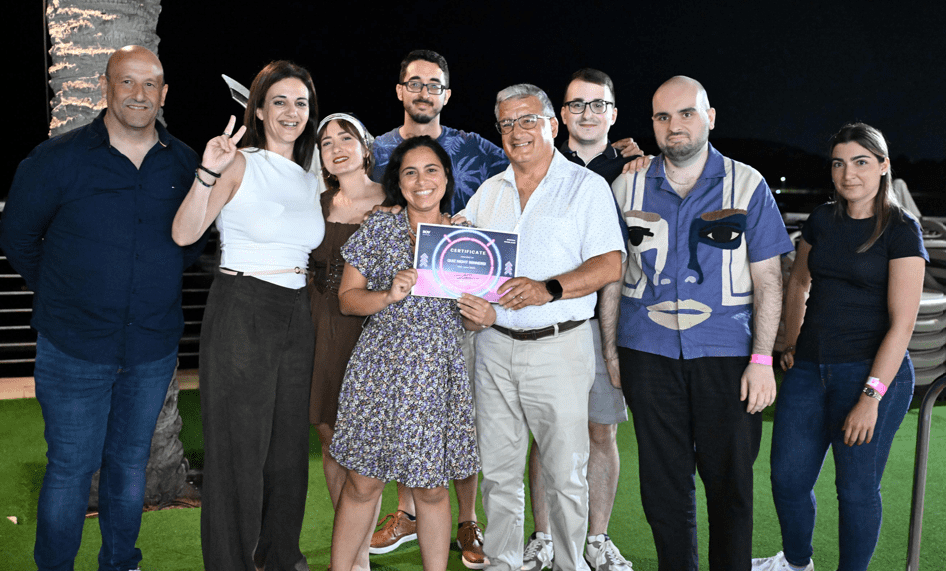
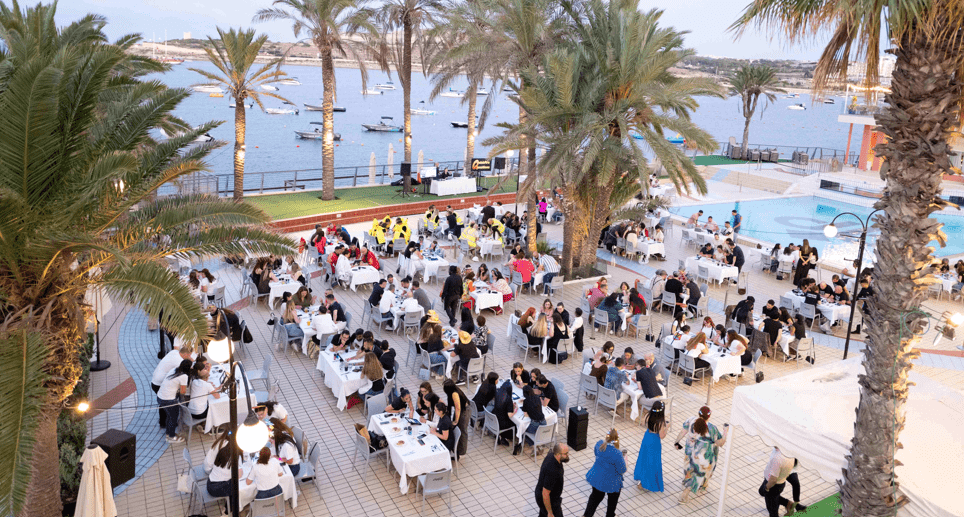
Bank of Valletta continues to strengthen its culture of engagement among its people through events that foster teamwork, creativity, and engagement. The latest such activity was the BOVSSC Quiz Night, now in its third edition, held at the Qawra Palace Hotel. This event, which was organised by the Bank’s Sports and Social Committee (BOVSSC) team in collaboration with Outdoor Living, has grown in popularity over the years, with participation hitting new records in 2025 with 47 teams and 280 employees from across the organisation coming together for a night of fun and friendly competition.

Designed to promote cross-functional collaboration and camaraderie, the Quiz Night challenged participants with trivia questions that tested not only general knowledge but also quick thinking and creativity under pressure. Adding to the vibrant atmosphere, teams arrived in themed costumes, with top awards handed out for the most original and eye-catching group outfits. The winning teams were The Interchangeables coming in 3rd, team Away took the second spot, while Investaholics were crowned overall winners.

Speaking at the event, Ernest Agius, Chief Operations Officer and President of the BOV Sports and Social Committee (BOVSSC), underscored the broader significance of such initiatives, “Beyond the fun and games, initiatives like these are a powerful way to nurture employee connection, belonging, and a shared sense of purpose. They reflect the strong spirit within our Bank and reinforce the importance we place on building a great workplace culture, truly living up to our promise to being the employer of choice in Malta.”

As Bank of Valletta continues to roll out its calendar of internal events, the BOVSSC remains focused on delivering initiatives that enhance employee experience and promote a thriving, inclusive environment within the Bank.

When Technical Expertise Isn’t Enough: Why VAT Advice Starts with Curiosity

In VAT consultancy, technical knowledge is an essential starting point. But technical knowledge on its own can only take you so far.

You can be the most technically equipped VAT professional in the room, quoting articles from the Directive, the Implementing Regulation, or CJEU judgments with ease. Yet, unless you take the time to truly understand your client’s business model; how they generate revenue, who their counterparties are, and what the product or service lifecycle looks like, you risk advising only on the theoretical side of VAT. And that’s where the risks begin.

Why Understanding the Business Matters

VAT is not an academic exercise. It’s a transaction-based tax, and every transaction is born out of commercial intent. As VAT consultants, we are not meant to be passive interpreters of legislation, we must be business interpreters through the lens of VAT.

When advising on whether an exemption applies, or analysing the place of supply, what’s required is more than legal knowledge. It’s commercial understanding. Consider, for example, sectors such as iGaming or Financial Services, where the VAT treatment of transactions depends on detailed distinctions:

  • Is the operator offering a game of chance or a skill-based platform?
  • Is a PSP acting as principal or agent?
  • Are the services automated or involving human intervention?

The nature of the service, the contractual arrangement, and how it functions in practice are all vital.

Asking Questions Should Not Be Feared

One of the most common insecurities early in a consultant’s career is this: “Will the client think I’m inexperienced if I ask too many questions?” I had the same concern when I first started advising clients in the gaming sector. I wasn’t familiar with the terminology, live casino vs RNG, sportsbook vs pool betting, or the distinction between B2C and white-label models. So I asked. Then I researched. Then I asked again.

The same happened when I stepped into the world of FinTech. It took time to understand what distinguishes an acquirer from an issuer, what a merchant does, and how a PSP plugs into the value chain. Again, curiosity was key. And here’s the truth: the client prefers that you ask the right questions rather than pretend to know. They can always spot the difference.

Jargon is the First Barrier: Break It Down

Sometimes, during client calls, you’ll hear acronyms or industry terms you’ve never come across. Pause. Ask them to explain. Encourage them to simplify it for you, not because you’re not intelligent, but because precision matters. Misunderstanding a term can lead to misapplying the law. And that could be costly for the client, and your credibility. Even better, after the call, do your own research. Use diagrams. Build a visual map of the transaction chain. Reconstruct the flow of funds. This is where advisory work shifts from generic interpretation to value-added guidance.

The Consultant’s Role Has Evolved

Clients no longer expect just a citation of Article 135(1)(d) or Article 44. They expect insight. They expect industry awareness. They expect you to challenge assumptions, not just tick boxes. Understanding the business isn’t just helpful, it is the foundation of reliable VAT advice.

Final Thought

In our line of work, the legislation remains constant. What changes is the business model. So before jumping to conclusions or interpreting the law, take a step back and observe the business. Study its structure, question its logic, and align your advice accordingly.

Because in VAT, the right treatment starts with the right understanding.


Author: Brandon Gatt, Partner, Zampa Partners

‘Advance Provisioning Allowance’ & VAT

“Payments on account of supplies of goods or services that have not yet been clearly identified cannot be subject to VAT.”

Clarifying VAT on unidentified pre-payments (the BUPA Principle)

This concept is supported by the decision of the European Court of Justice in the BUPA Hospitals Ltd and Goldsborough Developments Ltd v Commissioners of Customs & Excise Case (C-419/02) (“BUPA Case”). In this case, the CJEU ruled that prepayments of the kind at issue in the BUPA Case whereby, lump sums are paid for goods referred to in general terms in a list which may be altered at any time by agreement between the buyer and the seller and from which the buyer may possibly select articles, on the basis of an agreement which he may unilaterally resile from at any time, thereupon recovering the unused balance of the prepayments, is not considered to be a payment on account.

The Advance Provisioning Allowance (APA) in yacht chartering

The above ruling may find its relevance to the concept of advance provisioning allowance (“APA”) in yacht chartering. To begin with, provisioning is a key part of a yacht charter experience and is often facilitated through the APA. The APA refers to a financial arrangement between the yacht owner or operator and the charterer, where a prepayment is made for the procurement of supplies – such as food, beverages, fuel, port fees and other operating expenses, the so-called variable expenses – required for a specific voyage. Furthermore, the APA is generally managed by the yacht’s Captain during the voyage, being responsible for the keeping of records of all expenditure relating to these variables. Any unutilised APA funds are typically refunded to the charterer. Likewise, any excess expenditure may need to be settled by the charterer at the end of the voyage.

VAT implications of the APA: Chargeability and Input Recovery

The question of VAT applicability on the APA itself has been shaped via EU VAT law and rulings of the CJEU, particularly the BUPA Case referred above. As a result, the APA shall be deemed to be a payment on account and in order for the tax to become chargeable when the customer has made a payment on account, all the relevant information concerning the chargeable event, namely the future delivery or future performance, must already be known. Therefore, in particular, when a payment on account is made, the goods or services must be precisely identified. It follows that, payments on account of supplies of goods or services that have not yet been clearly identified cannot be subject to VAT.

Regarding the right to recover input VAT on costs paid using the APA – which right is a key fundamental factor under the EU VAT legislation whereby, it provides for VAT neutrality for taxable persons in relation to supplies of goods and services bought in that are used or intended to be used in the course of their economic activity insofar as the input VAT incurred as a result thereof is attributable to taxable or exempt (with credit) supplies made or intended to be made – insofar as the costs incurred are recharged to the charterer separately at the end of the voyage, then, the yacht owner or operator may be in a position to claim back any input VAT incurred. In this case, the Captain is required to communicate the VAT identification number to the suppliers for the supplies purchased using the APA funds.

Furthermore, costs such as those referred to above namely provisioning costs incurred by the operator or owner of a vessel which is “used for navigation on the high seas and carrying passengers for reward or used for the purposes of a commercial… activities” may fall within the remit of the VAT exemption (with credit) which is governed by Article 148 of Council Directive 2006/112/EC (the “VAT Directive”). However, it is important to note that, such a VAT exemption is not extended to the recharge of these costs when the charterer is a natural person as established by the CJEU in the ‘Bacino Case’ (C-116/10). In general, whilst subscribing to the above, a prudent approach should always be considered when the right of recovery is being exercised on these costs.

Member-State Variations and Practical considerations

It should be appreciated that different Member States may hold different interpretations on whether such a right may be exercised on APA costs and therefore, the practical application of this right may also differ across jurisdictions.


Author: Christabel Gatt, COO, Zampa Partners

BOV and University of Malta seal 5-year strategic collaboration

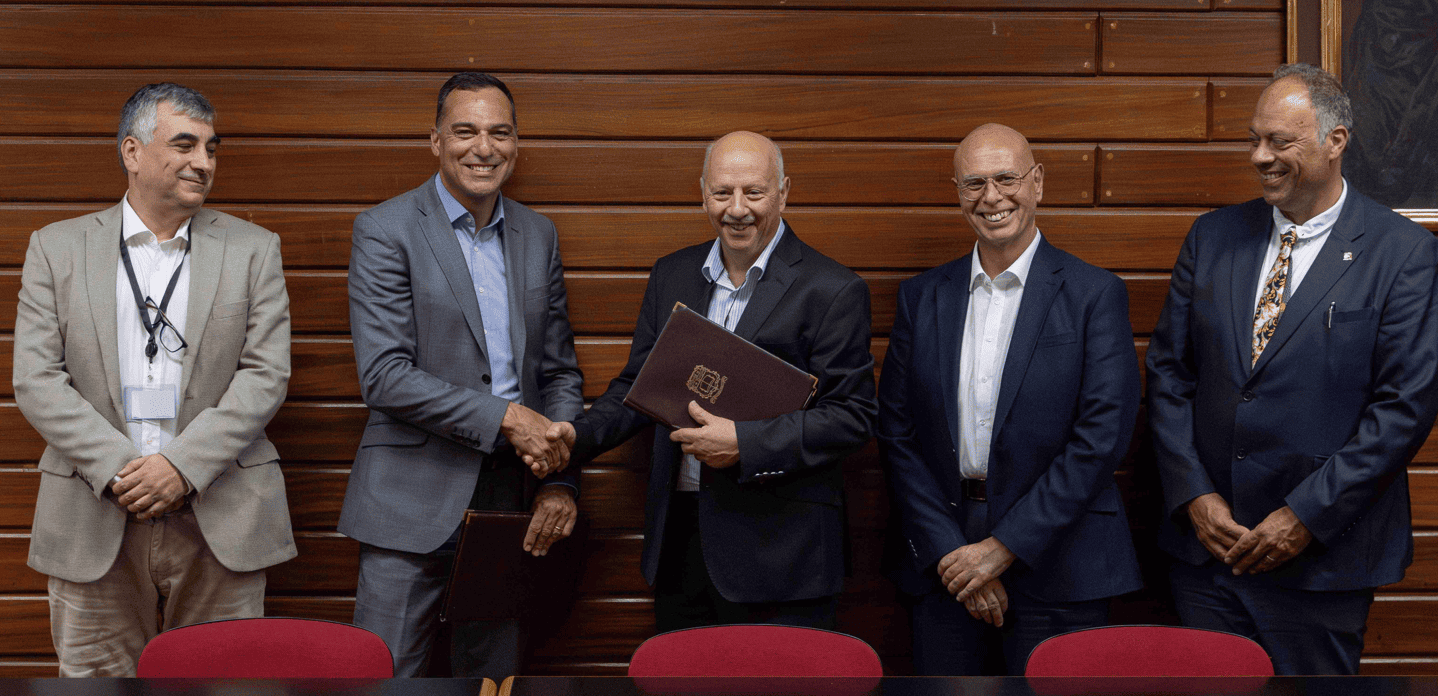
Bank of Valletta (BOV) and the University of Malta (UM) have entered into a strategic five-year agreement aimed at strengthening collaboration on joint research initiatives and providing new career opportunities for students. This partnership represents a significant investment in Malta’s future workforce, linking academic potential with real-world work experience in a fast-changing financial landscape.

The Memorandum of Understanding was signed by Professor Alfred J. Vella, Rector of the University of Malta, the Dean of FEMA, Prof. Emanuel Said, the Dean of the Faculty of ICT, Prof. Ing. Carl James Debono, and Ray Debattista, BOV’s Chief People and Culture Officer, in the presence of Antoine Aquilina, Chief Information Security Officer at the Bank.   

This agreement brings together Malta’s longest-standing academic institution and Malta’s leading financial services provider, creating new opportunities at the intersection of education and industry. The University of Malta, with over 400 years of academic excellence, continues to drive innovation through its forward-looking faculties. Bank of Valletta, on its part as Malta’s Bank of Choice is evolving in step with the financial world, offering a wide range of specialist areas of employment from risk management, cybersecurity, and digital transformation to sustainability finance, customer experience, and data science.

Speaking at the signing, Professor Alfred J. Vella, Rector of the UM, said, “This agreement strengthens our ties with one of Malta’s most prominent financial institutions. We believe in bringing together academic knowledge and real-world experience, and this partnership provides a platform for students to view firsthand the demands and opportunities of the evolving financial sector.”

Ray Debattista added, “We’re proud to collaborate with the University of Malta to attract and develop the next generation of talent. This agreement highlights BOV’s commitment to nurturing local talent and reflects our belief in long-term investment in people, adding value not only to the Bank but to the wider student community, cementing its role as a future-focused, inclusive employer of choice.”

The Faculty of Economics, Management and Accountancy and the Faculty of Information and Communication Technology at UM will lead the academic engagement in collaboration with BOV’s Risk Management function.

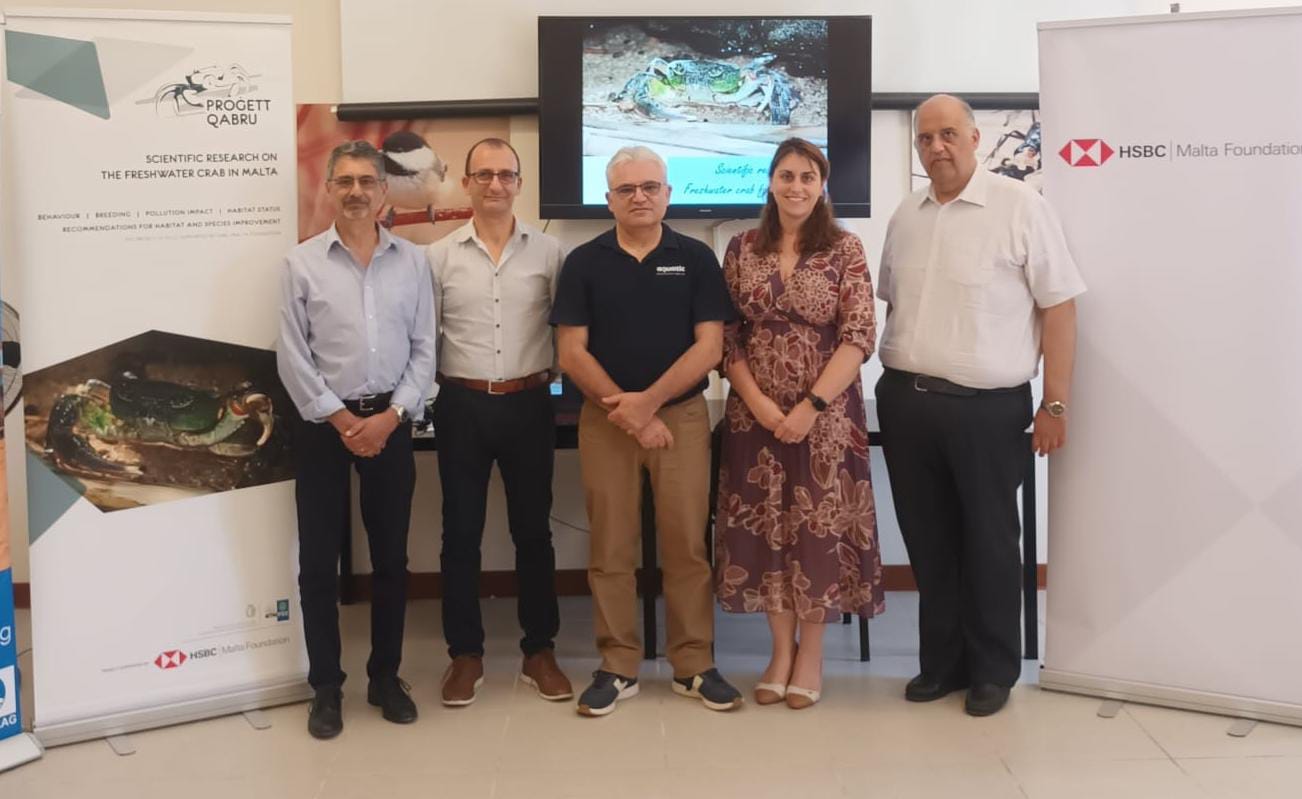
First Phase in Freshwater Crab Conservation Project Completed

HSBC Malta Foundation and Nature Trust announce the successfully conclusion of the first phase of the Freshwater Crab Conservation Project – a multi-year initiative aimed at protecting one of Malta’s most ecologically unique and vulnerable species.

Launched in 2019 with a €40,000 donation from the HSBC Malta Foundation, the project was structured in two distinct stages: species-specific research and habitat assessment.

Led by Mr Ray Caruana from Aquatic Resources Malta, the first stage focused on studying the freshwater crab (Potamon fluviatile) population in Baħrija. Juvenile crabs were raised in a controlled environment at the former Aquaculture Directorate Research Centre. Researchers monitored behaviour, climate adaptability, feeding patterns, and social interaction, while also collecting data on territory size, stress factors, and water quality.

The second stage, carried out by Adi Associates Environmental Consultants Limited and Dr Eman Calleja, evaluated the Baħrija valley ecosystem. Environmental consultant Mr Adrian Mallia explained that the assessment included detailed studies of water resources, ecosystem resilience, and human impact on the area. Stakeholder consultations informed a comprehensive action plan for habitat restoration and conservation.

Vincent Attard, President of Nature Trust – FEE Malta, said: “With a solid foundation of scientific data now in place, we are actively engaging with the Environment and Resources Authority and exploring partnerships to prepare a full EU funding proposal. The next phase will aim to implement practical conservation actions and long-term habitat protection measures in the face of climate change.”

Dr Paula Mamo, Deputy Chair of the HSBC Malta Foundation, added: “Thank you to everyone involved in bringing Phase One of this project to a successful close. This is a powerful reminder of what can be achieved when dedicated people work together for nature. We’re proud to have kickstarted this initiative, which we hope will now move into an even more ambitious second phase.”

The next phase of the project will focus on implementing direct conservation interventions, restoring critical habitats, and developing long-term strategies to ensure the survival of Malta’s freshwater crab species.

MBB Cautious Over Ambitious 2040 EU Climate Target

The Malta Business Bureau (MBB) has called for caution regarding the European Commission’s proposal to set an unprecedented 90% binding target on greenhouse gas (GHG) emissions reduction by 2040, compared to 1990 levels.

For businesses, particularly those in energy-intensive sectors, the proposed target presents both opportunities and challenges. While it creates potential for innovation in greener products and efficient resource use, it will also demand substantial costs and investments to achieve the required emissions reductions.

Maltese businesses are especially hit hard by stringent environmental legislation, due to our geographic situation, dependence on air and sea transport, and high trade costs.

Head of Projects & Sustainability Gabriel Cassar commented, “Through simplification initiatives over the past few months, the European Commission has acknowledged that it acted too hastily in proposing several pieces of new environmental legislation during the last term. While we value the EU’s climate objectives, they were not accompanied by sufficient support mechanisms, such as attractive financing and appropriate transition periods, which would ensure competitiveness and growth. We are now facing a situation where EU legislation is being amended and revised, in some cases even prior to being implemented.”

“A 90% GHG reduction by 2040 will undoubtedly require further major changes at both member state and company levels. The MBB calls on the Commission and EU legislators to learn from recent experience and adapt future policy proposals accordingly,” he added.

The 2040 proposal includes flexibility mechanisms to help member states reach the target, including the use of Carbon Capture and Storage (CCS) and international carbon credits.

EU climate targets lay the groundwork for its long-term climate policy framework. The current binding target aims for a 55% reduction in GHG emissions by 2030. This was accompanied by a wave of new EU environmental legislation impacting all sectors, most notably transport, energy production, and manufacturing.

According to Commission assessments, the EU is currently on track to achieve a 54% reduction in GHG emissions by 2030; just one percentage point short of the target. This progress reflects the strong commitment of all stakeholders and businesses to reduce their environmental impact and contribute positively to the green transition. Nonetheless, the cost to the competitiveness of European businesses and island-based operators should be properly acknowledged.

The MBB will continue to assess the implications of this ambitious trajectory and remains committed to be vocal at EU level while supporting Maltese businesses throughout the green transition. Strong dialogue between businesses and policymakers will be crucial to ensure a fair and gradual shift to a low-carbon economy to absorb additional costs in a proportional way.

The proposal will now move forward to the Council of the EU and the European Parliament for evaluation and adoption.

The Malta Business Bureau is the EU business advisory organisation of The Malta Chamber and the Malta Hotels and Restaurants Association (MHRA). It is also a partner of the Enterprise Europe Network.

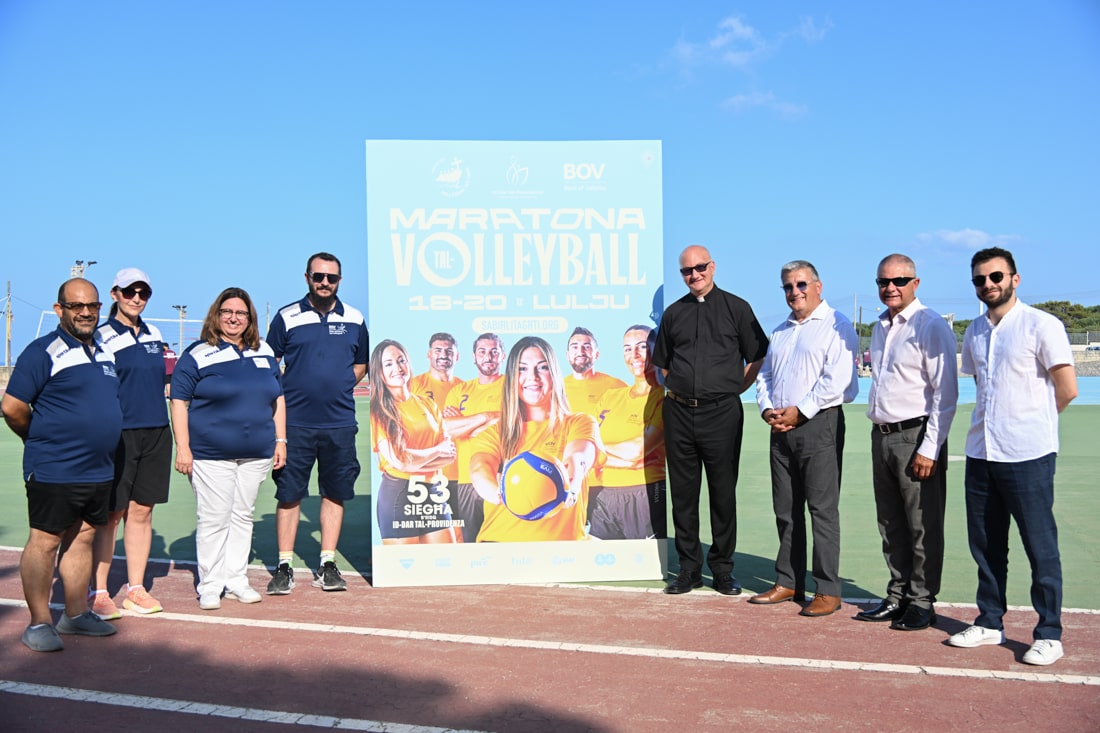
All is set for the BOV Volleyball Marathon of id‑Dar tal‑Providenza

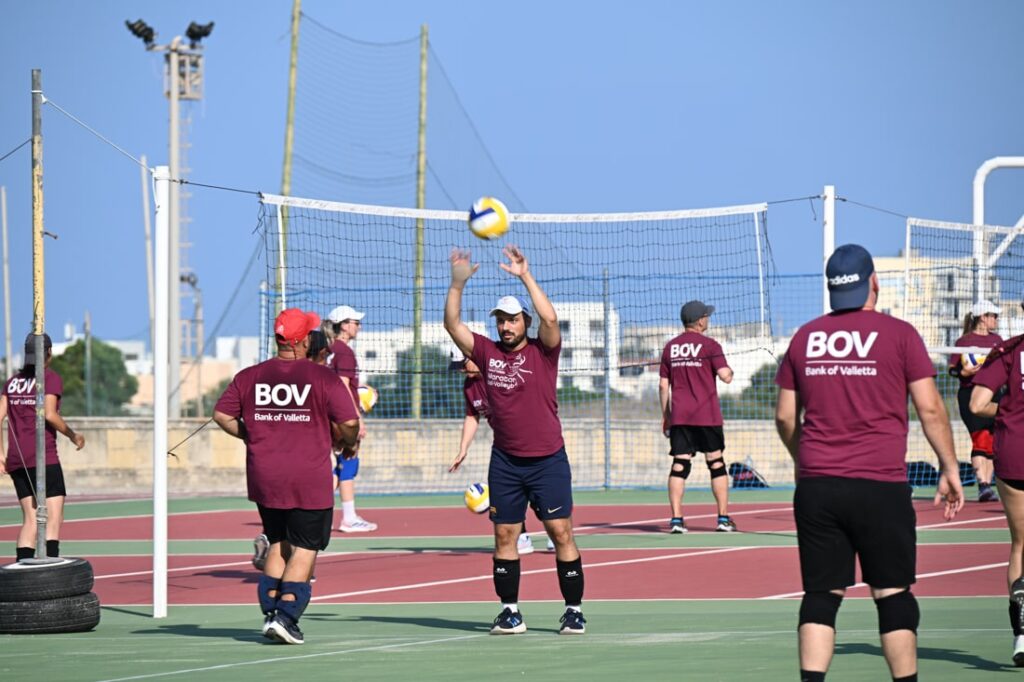
The BOV Volleyball Marathon in aid of id‑Dar tal‑Providenza is back with 53 hours of non‑stop play in the Home’s Siġġiewi car park. The 15th edition of the marathon will get under way by H.E. Dr Myriam Spiteri Debono, President of Malta, on Friday 18th July at 6.30pm and end at midnight of Sunday July 20th 2025. Forty players, selected after six weeks of training, will form 5 teams and enter the challenge of fifty‑three hours of continuous volleyball not for any personal gain but to help others.

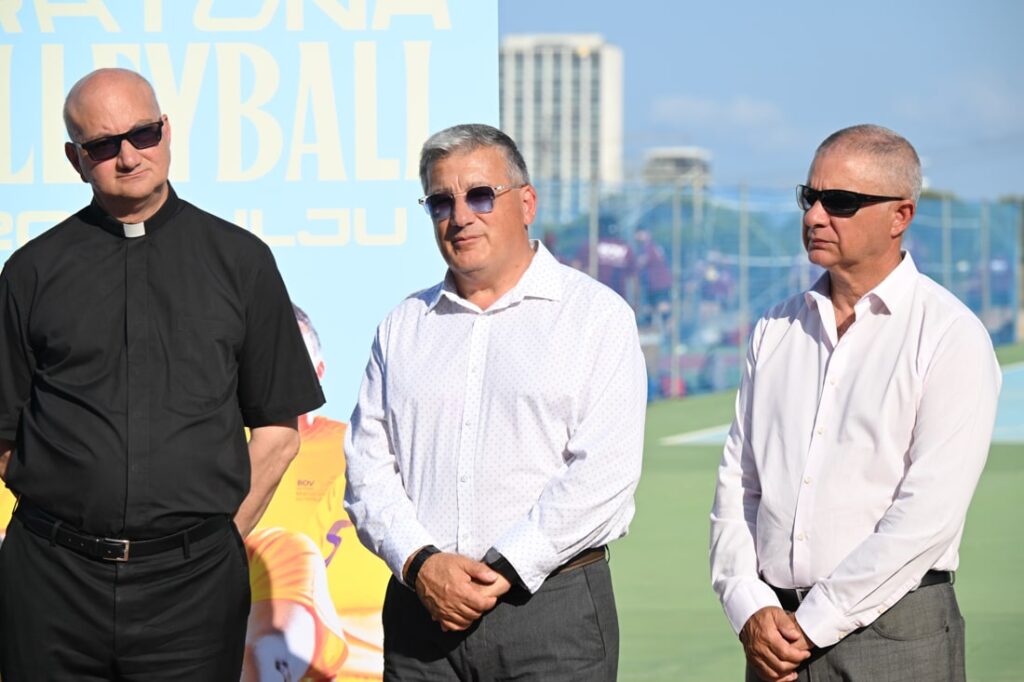
In a short address, Mgr Martin Micallef, Director of Id‑Dar tal‑Providenza,

during the presentation of the players to the media said that this year we are celebrating the 15th edition of this marathon as well as the 60th anniversary of the Home. He spoke about the dire need of funds with which Id‑Dar tal‑Providenza can continue offering the residential services it offers to 115 persons. He revealed that the Home is in the process of opening more homes in the community. He urged one and all to attend this activity and support the players that enter this challenge with a lot of dedication and commitment.

In a comment to the media, Mr Ernest Agius, BOV’s Chief Operations Officer, said that this marathon is more than a game – it is a testament to the power of unity. When sport meets solidarity, we build a stronger, more compassionate Malta. At BOV, we are proud to stand beside those who never stop believing in a just and better society.

On Friday, Saturday and Sunday evenings between 9.00pm and midnight there will be live entertainment provided by local singers and bands on the main stage purposely built in the car park. On Friday Zone 5 will be performing, on Saturday it’s the turn of the Kantera folk band whilst on Sunday night the Spiteri Lucas Band will provide the entertainment.

The public may make a donation by calling on the following numbers, use the BOV Mobile Banking or PayPal or make a donation online through the Home’s bank accounts. For more information you may visit the site: www.sabihlitaghti.org

€15         5170 2012
€25         5180 2013
€50         5190 2070
€100       5130 2044
Pledge Line: 2146 3686
BOV Mobile  7932 4834