
21 February, 2026
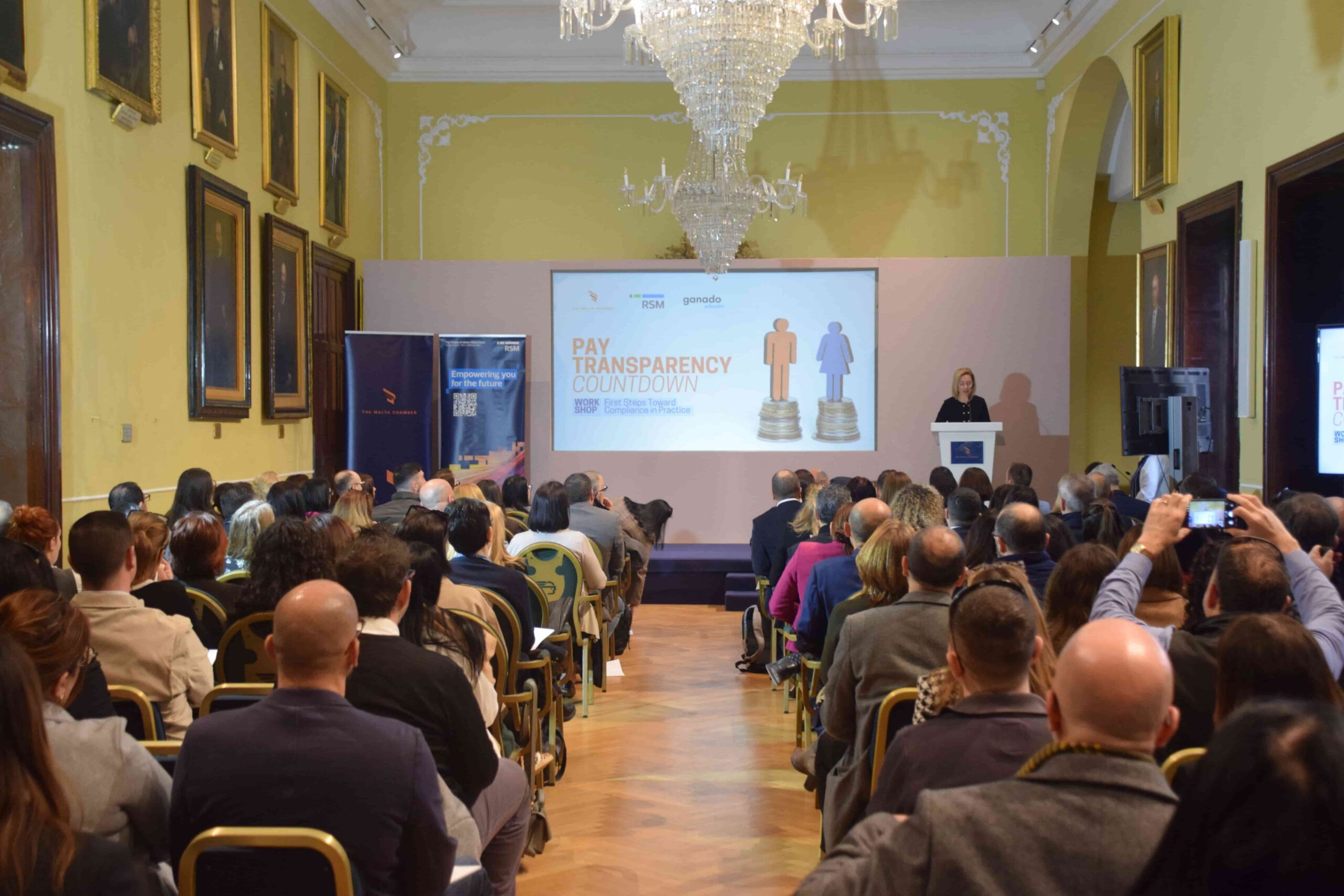
The Malta Chamber, RSM Malta and Ganado Advocates have joined forces to help businesses prepare for the upcoming requirements of the EU Pay Transparency Directive, hosting a dedicated workshop titled ‘Pay Transparency Countdown – First Steps Toward Compliance in Practice’.
With the European Commission confirming that implementation deadlines remain unchanged, companies across Malta and the EU are facing mounting pressure to act. By 7 June 2026, all businesses will be required to identify categories of work of equal value and be fully prepared to respond to individual data requests. Given the scale of preparation involved, organisations are being urged to take practical and immediate steps toward compliance.
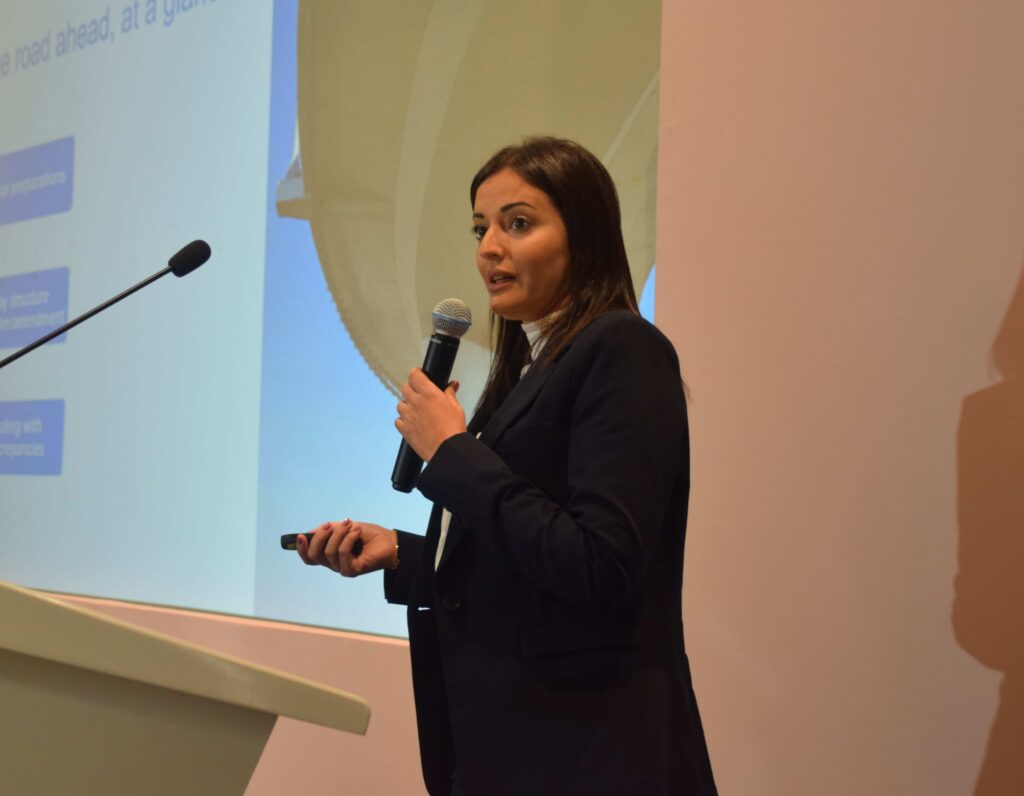
The workshop brought together legal and advisory experts to provide hands-on guidance on how to design, refine and implement the systems and practices required under the Directive. Specialists from RSM Malta and Ganado Advocates delivered detailed presentations outlining the legal framework, operational considerations, and technical structures necessary to meet the new obligations.
Participants also benefited from practical insights shared by practitioners who have already undergone similar compliance processes. These real-world experiences highlighted common legal and technical pitfalls, offering attendees valuable foresight into the challenges they may encounter.
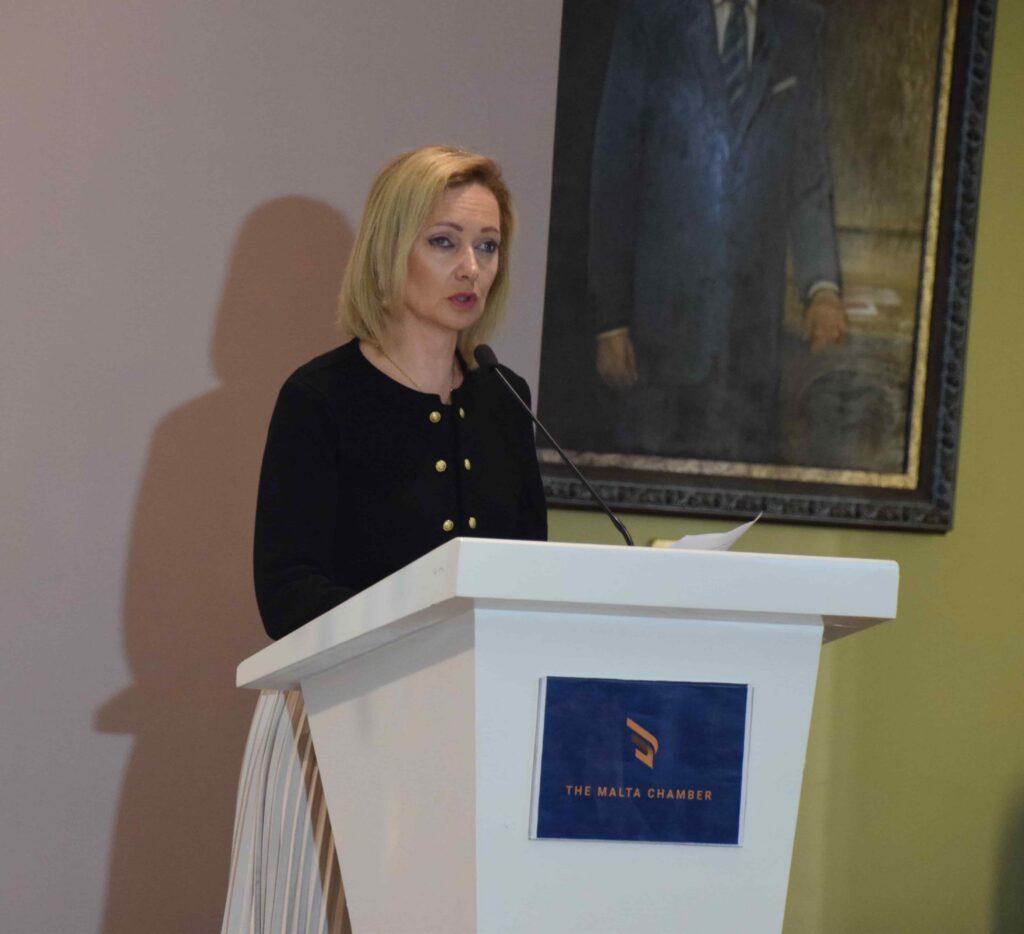
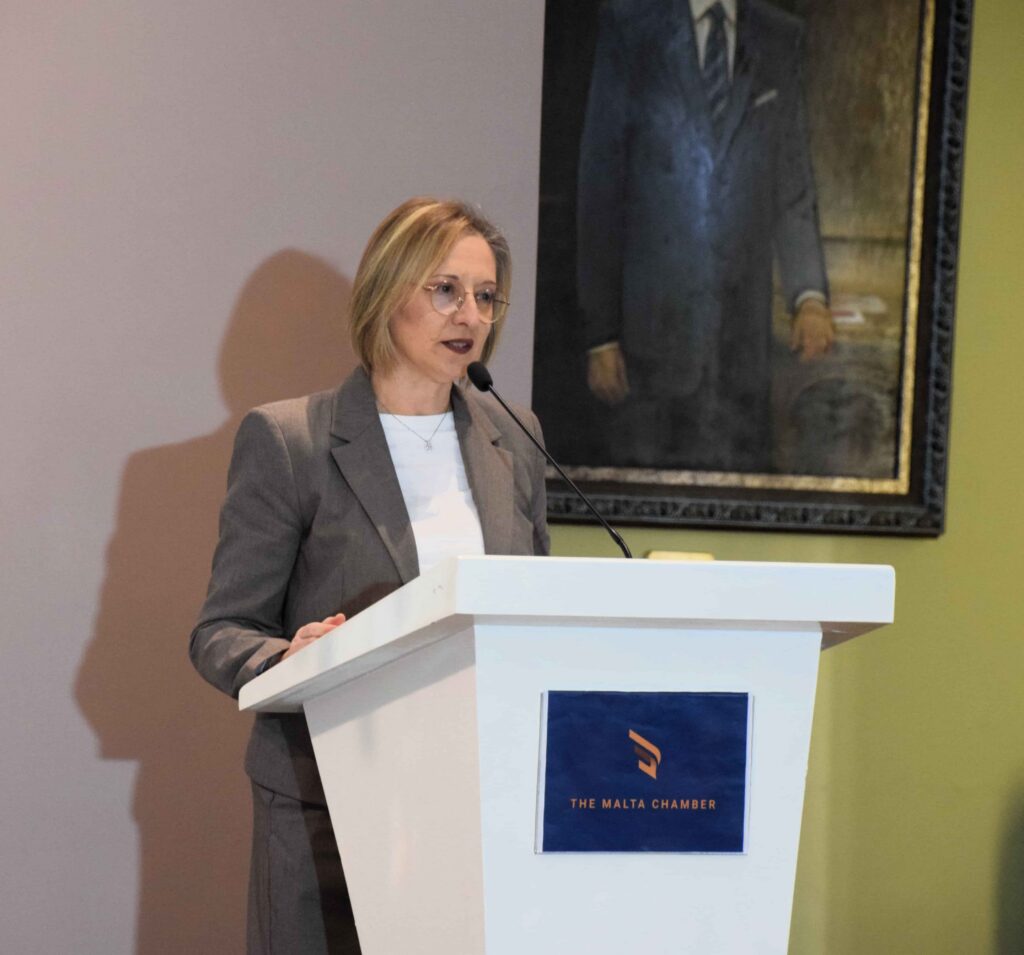




In her opening address, Rachel Bondi Attard, Head of Media and Communication Strategist at The Malta Chamber, underscored the importance of adopting a proactive approach. She stressed that early preparation will not only ensure regulatory compliance but also strengthen organisational transparency and trust.
The Malta Chamber recommends several key actions for businesses:
Conduct Pay Audits
Organisations should begin with a comprehensive review of their existing pay structures to identify potential disparities. Beyond meeting regulatory requirements, pay audits provide a critical foundation for sustainable and meaningful change.
Invest in Training
HR teams and managers should receive training on transparent pay practices, unconscious bias, and equitable remuneration frameworks to ensure fair and consistent implementation.
Engage Employees
Open dialogue with employees is essential. Transparency initiatives are most effective when accompanied by trust, collaboration and clear communication about the changes being introduced.
Leverage Technology
Digital tools can significantly streamline data collection, reporting and analysis processes. Embracing digitalisation not only simplifies compliance but also generates valuable workforce insights. The Malta Chamber emphasised that digital transformation is essential for businesses seeking to remain competitive and future-proof their operations.
...
...
...
...
...

...

...