10 March, 2026

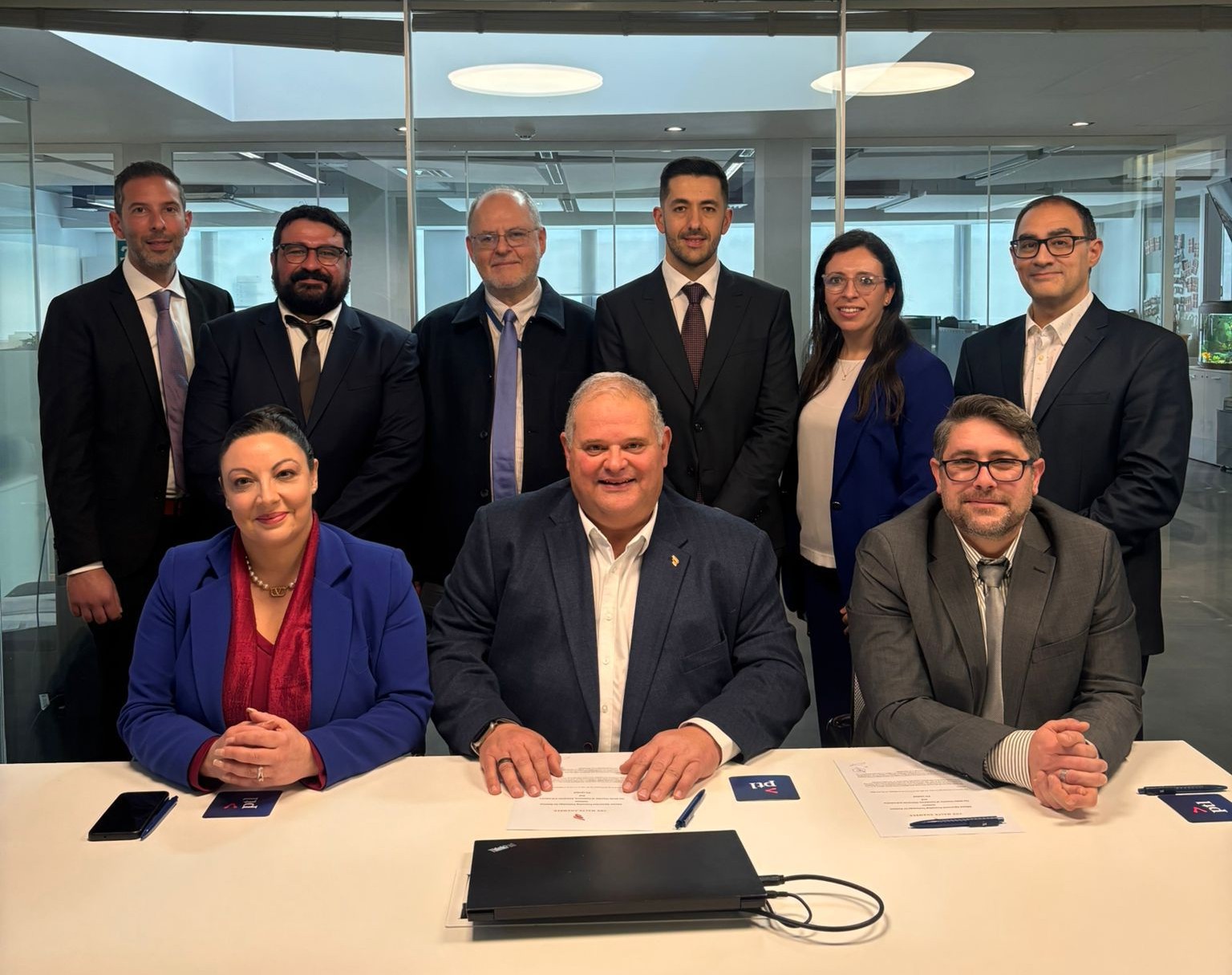
Mamo TCV Advocates, in collaboration with The Malta Chamber, hosted a webinar on Malta’s work permit framework.
Event Overview
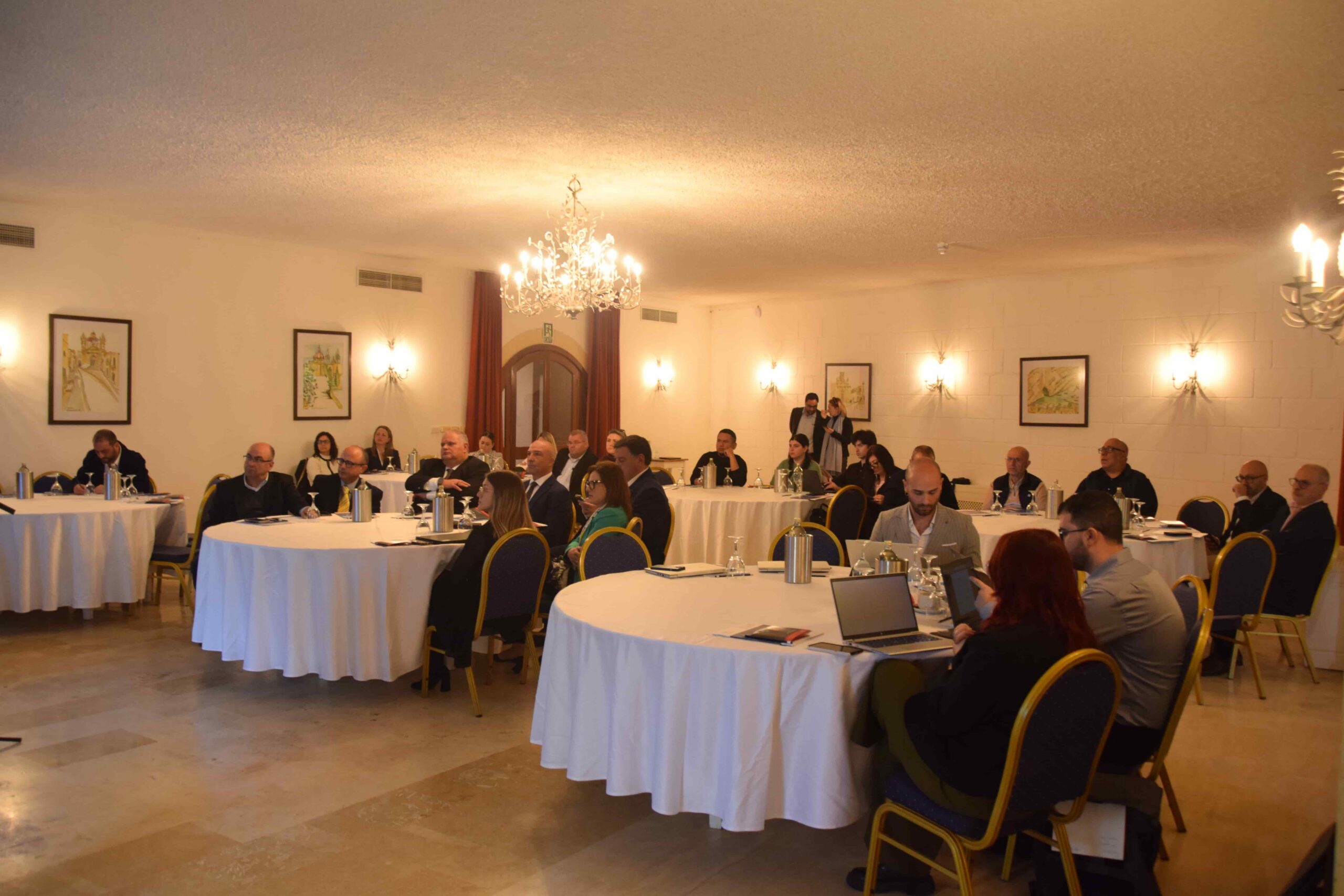
The webinar brought together policymakers, regulators, employers, and legal practitioners to discuss the evolving landscape of labour migration in Malta. A presentation was delivered by Dr Julian Fenech Adami, Senior Associate at Mamo TCV Advocates, followed by a panel discussion with the Chief Executive Officers of the two regulatory bodies in this field – Celia Falzon (CEO, Jobsplus) and Dr Edric Zahra (CEO, Identità). They were joined on the panel by Mr Justin Anastasi (Chair of the Employment Agencies Business Section, The Malta Chamber).
Dr. Christine Calleja, Partner at Mamo TCV Advocates, moderated the panel discussion, guiding conversation between the speakers on Malta’s evolving labour migration landscape. Several questions from the audience were also addressed.
Key Topics Covered
The webinar addressed Malta’s principal employment pathways for third-country nationals (TCNs), outlining the core mechanisms through which Non-EU workers can seek employment in Malta. Participants gained detailed insight into the Single Permit application process and the EU Blue Card. The session also clarified the general employment licensing provisions administered by Jobsplus, detailing employer obligations and compliance requirements.
A portion of the discussion focused on family reunification pathways available to eligible workers, ensuring that attendees understood the broader immigration framework beyond direct employment arrangements. The presentation covered the relevant legislative instruments governing these processes, including the Immigration Act (Chapter 217), the Single Application Procedure for a Single Permit (…) Regulation (S.L. 217.17), and the Family Reunification Regulations (S.L. 217.06).
Major Policy Reforms Highlighted
The webinar highlighted two significant phases of reform to Malta’s labour migration framework by way of the Malta Labour Migration Policy. The August 2025 amendments introduced stricter employer termination monitoring, enhanced job advertising requirements, and adjusted fee structures, whilst the January 2026 measures further strengthened compliance standards and introduced new integration requirements for workers. These reforms underscore Malta’s commitment to sustainable recruitment practices and effective workforce integration.
Strategic Importance
These reforms collectively represent a significant shift in Malta’s approach to labour migration, prioritising sustainable recruitment practices, workforce retention, and effective integration of third-country nationals. The webinar underscored the critical importance of proactive compliance by employers and stakeholders as the regulatory landscape continues to evolve.
...
...
...
...
...

...