31 March, 2026
The TransFormWork 2 project, bringing together partners from Bulgaria, Cyprus, Ireland, Italy, Malta, Poland, and Romania, has successfully explored the evolving impact of artificial intelligence (AI) and algorithmic management (AM) on the future of work.
At its core, the project addressed how AI is reshaping employment relationships and workplace dynamics. It focused on identifying effective mechanisms, practices, and initiatives that support the timely anticipation of future skills needs, while promoting proactive upskilling and reskilling across the workforce.
A key message throughout the initiative was clear: ensuring that AI benefits everyone requires forward-looking strategies grounded in the human-in-control principle. When implemented responsibly, AI has the potential to unlock new labour market opportunities, introduce innovative ways of organising work, and significantly improve working conditions for both employers and employees.
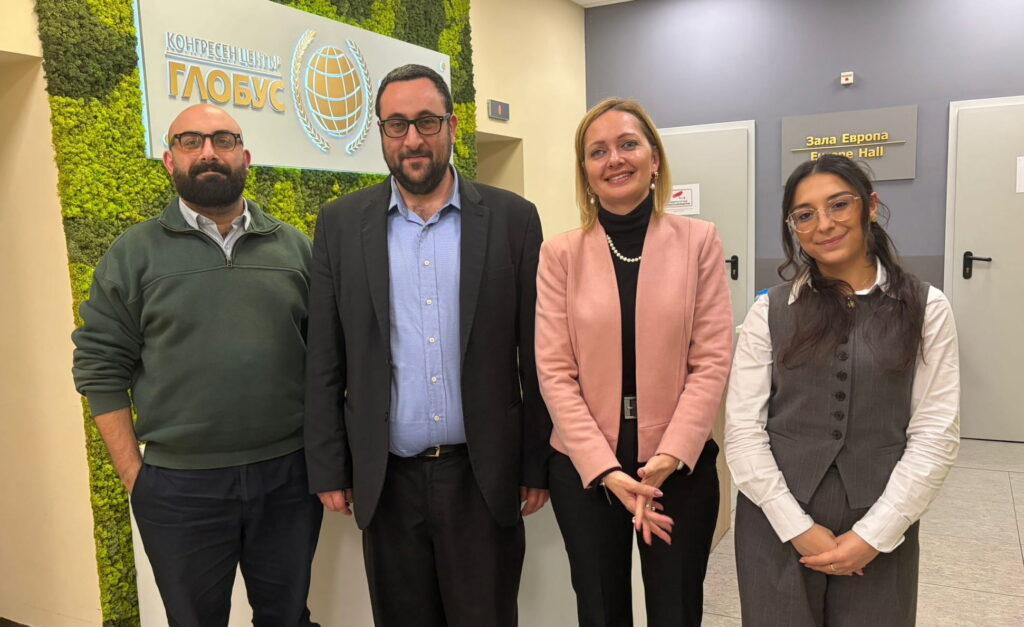
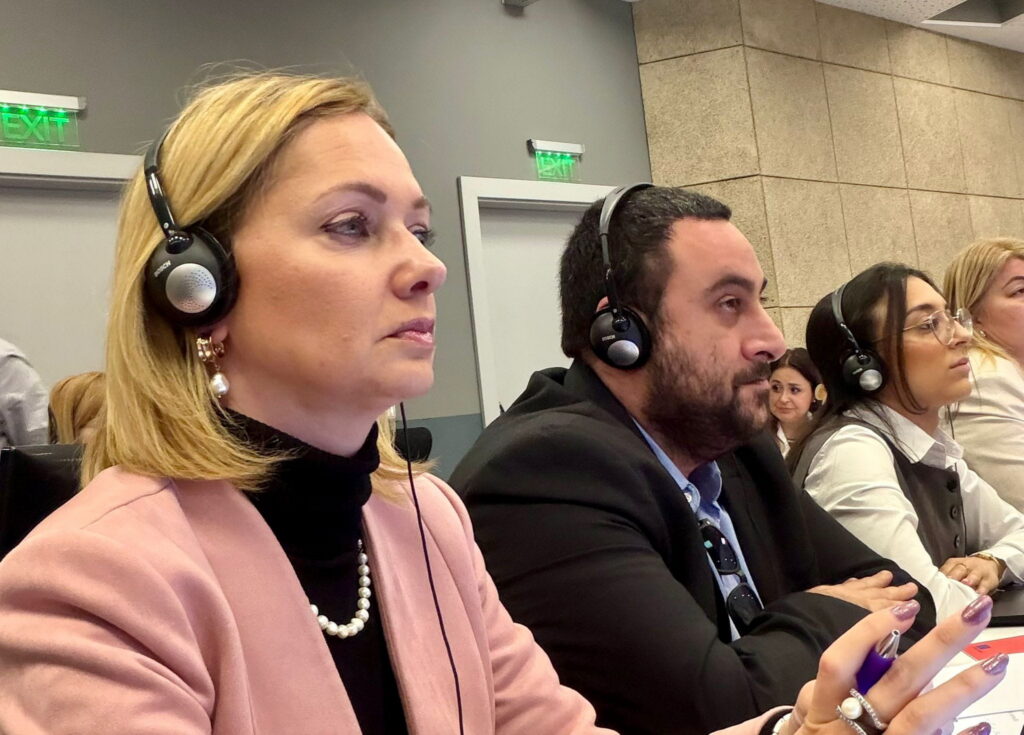
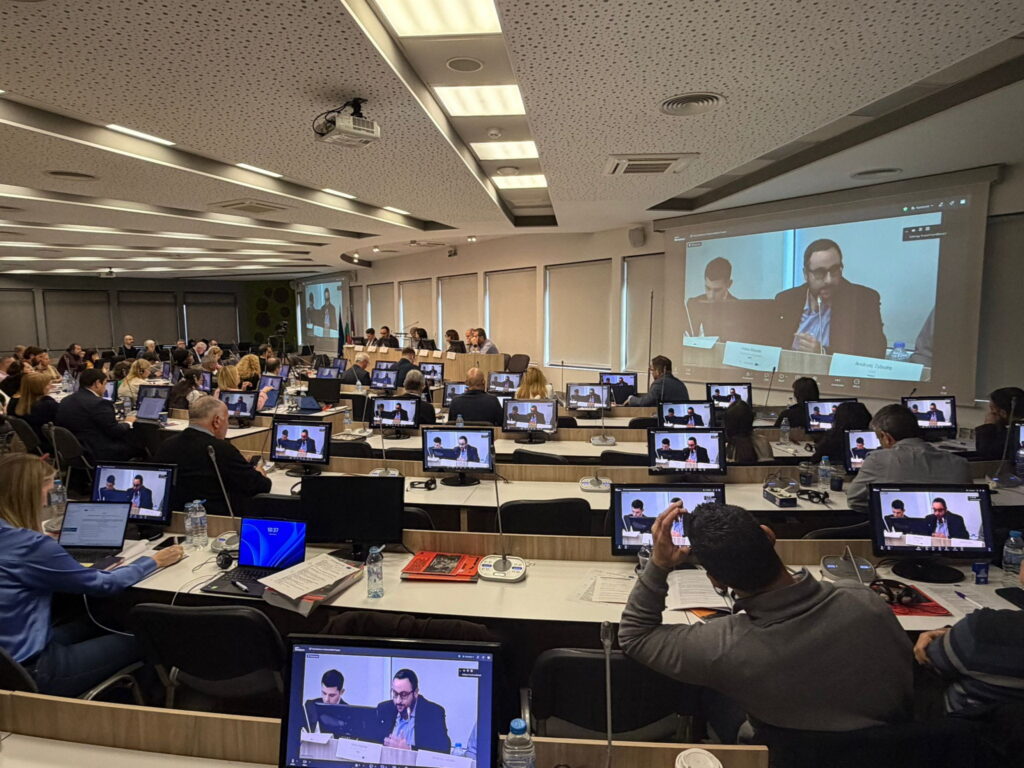
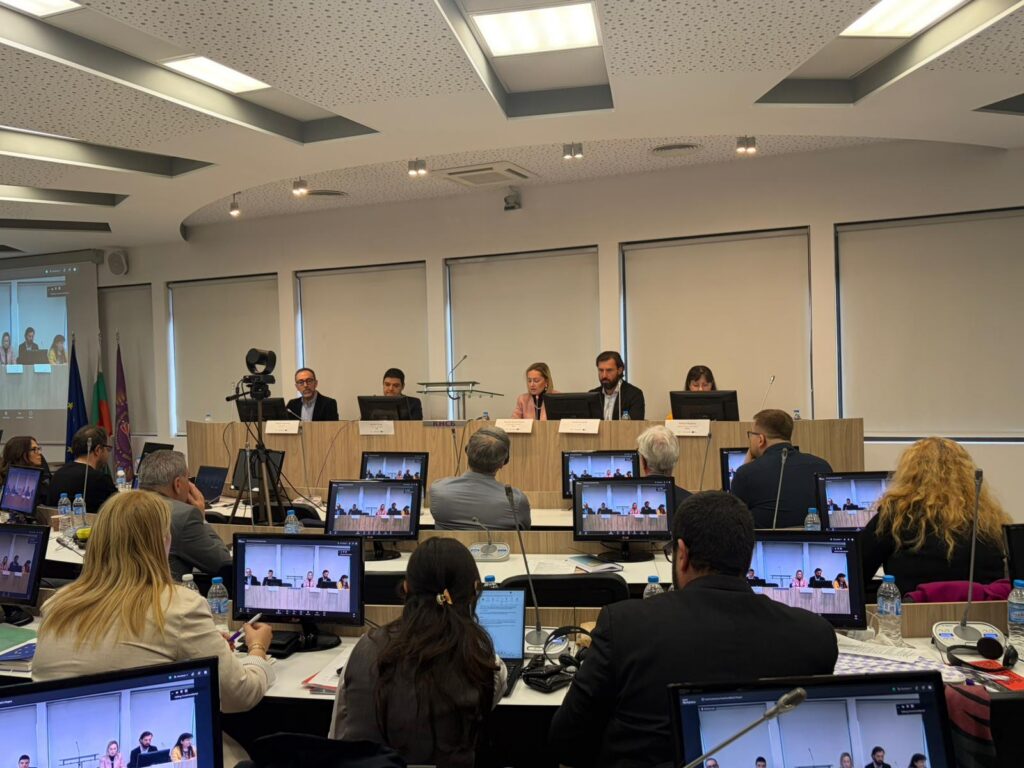
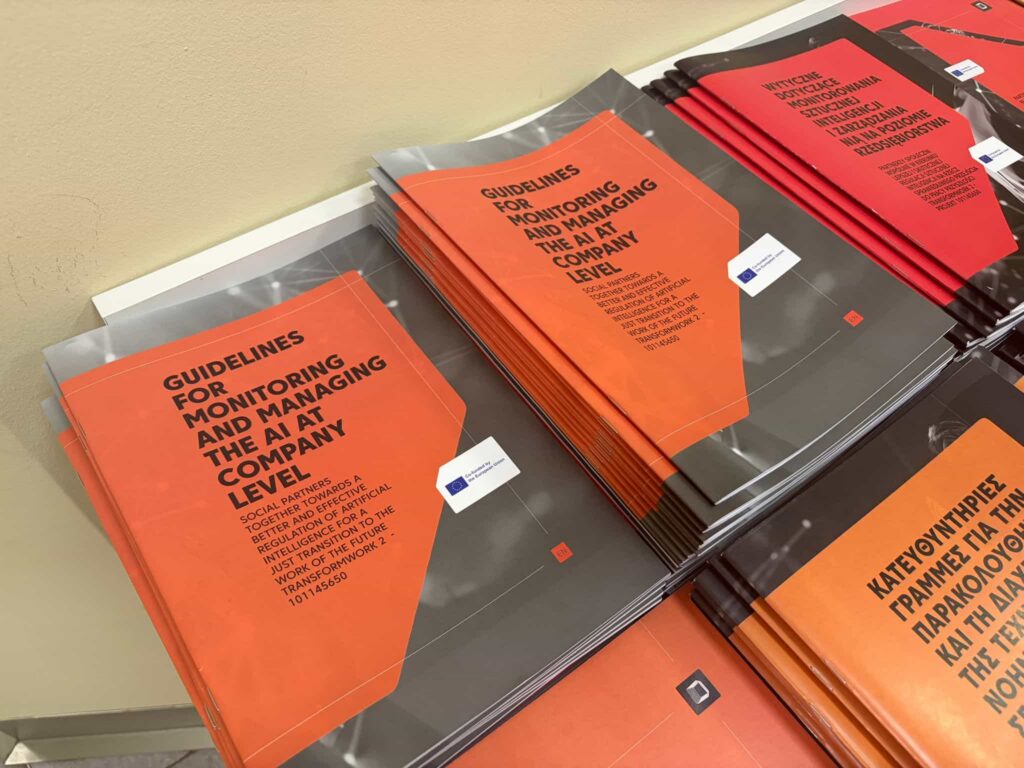
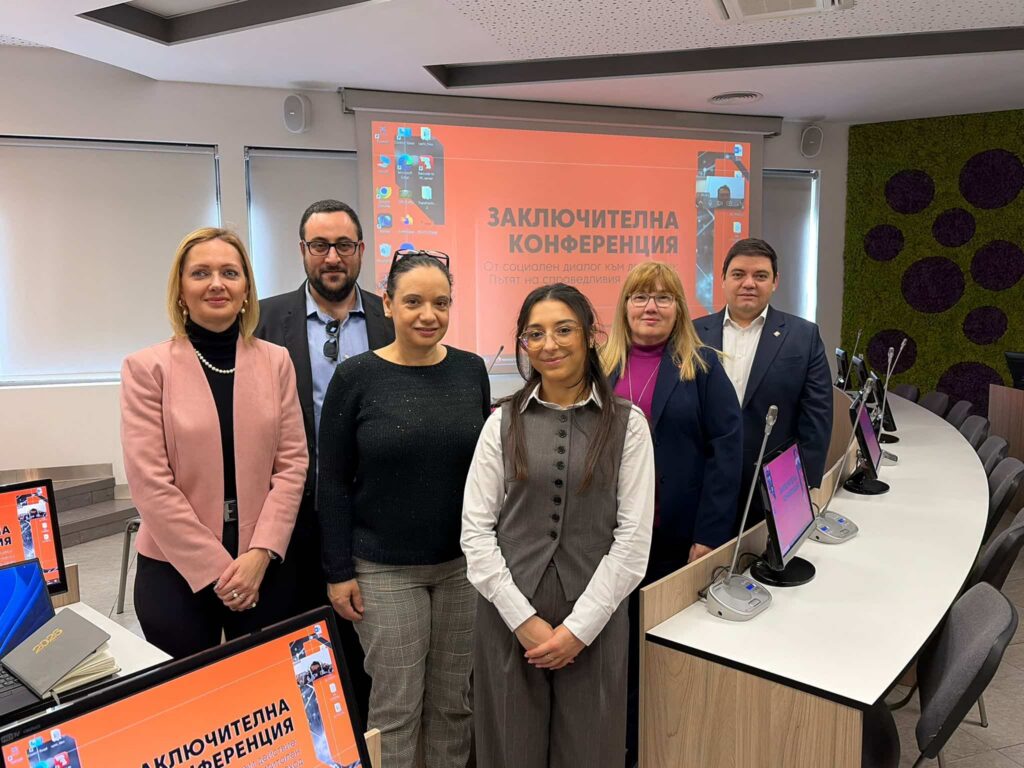
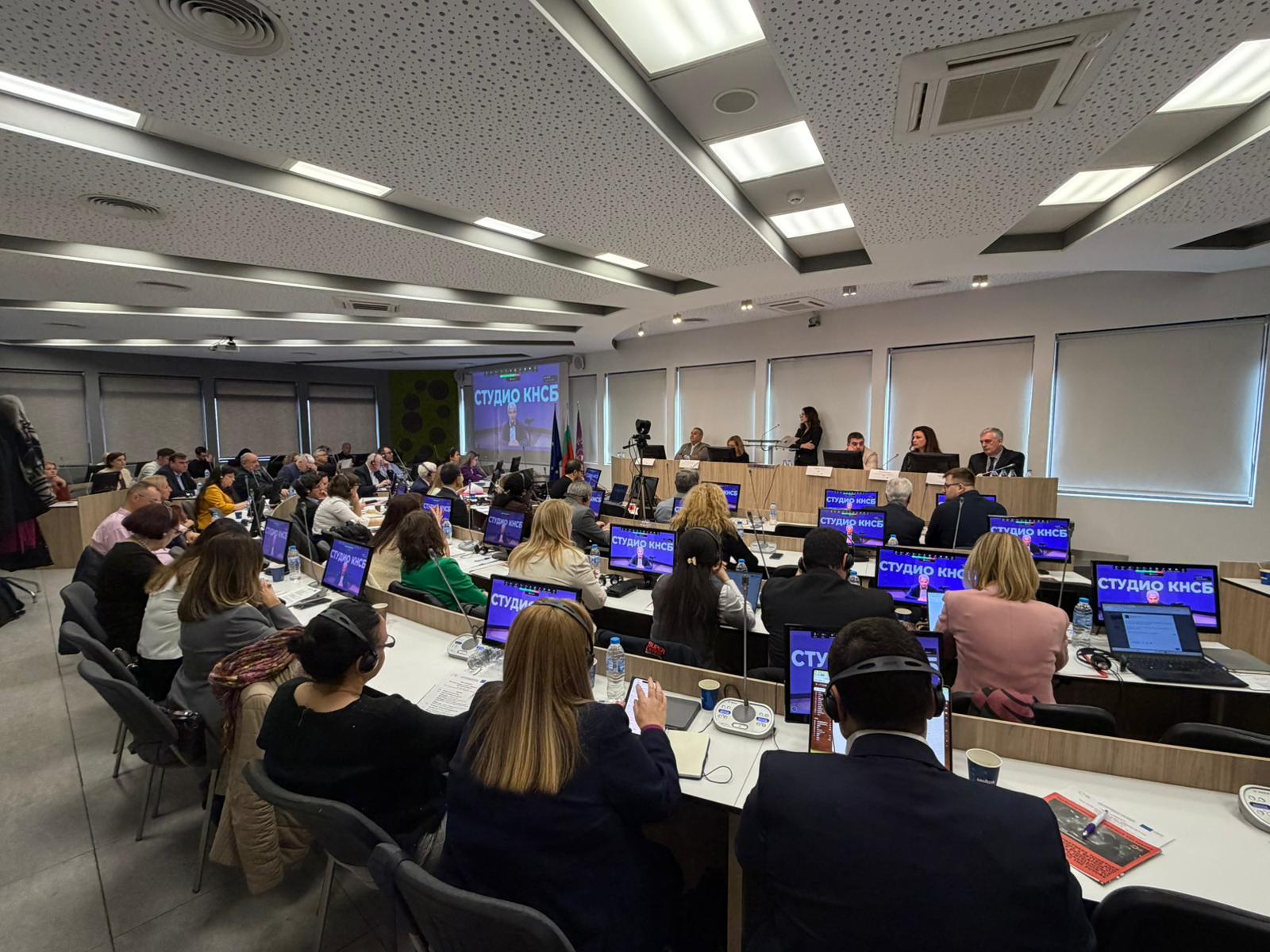
On 27 March 2026, the project culminated in a final conference organised by the Confederation of Independent Trade Unions in Bulgaria (CITUB) in Sofia.
Representatives from The Malta Chamber and the General Workers’ Union (GWU) participated in the event, contributing to discussions on the future of work in an AI-driven world.
During the conference, Fabio Bajada, Projects and Policy Coordinator at The Malta Chamber, presented key findings from the National Report, developed in collaboration with GWU. His presentation highlighted:
A central moment of the conference was Panel 3: “The Future of Work in the Digital Era: Safeguarding Quality Jobs”, chaired by Rachel Bondi Attard, Head of Media and Communication Strategies at The Malta Chamber.
The panel brought together distinguished experts:
In her remarks, Rachel Bondi Attard underscored the urgency of moving beyond discussion to action:
“Dialogue is no longer enough. While we debate regulations, the rest of the world is moving. If Europe lingers in the boardroom while the U.S., China, and Japan are in the lab, we don’t just fall behind—we risk becoming irrelevant.”
She challenged stakeholders to reflect critically on Europe’s position in the global AI race:
“We have to ask ourselves the hard question: Has Europe already missed the AI bus? Are we today discussing yesterday’s challenges rather than tomorrow?”
Closing her intervention, Bondi Attard emphasised the importance of maintaining a human-centred approach to technological progress:
“Ultimately, the future belongs to those who can master the ‘gears’ of AI without losing the ‘soul’ of human dignity. We need a generation that pairs technical mastery with the one thing an algorithm cannot replicate: creativity and critical thinking.”
To learn more about TransFormWork 2, click here.
...
...
...

...