19 August, 2026
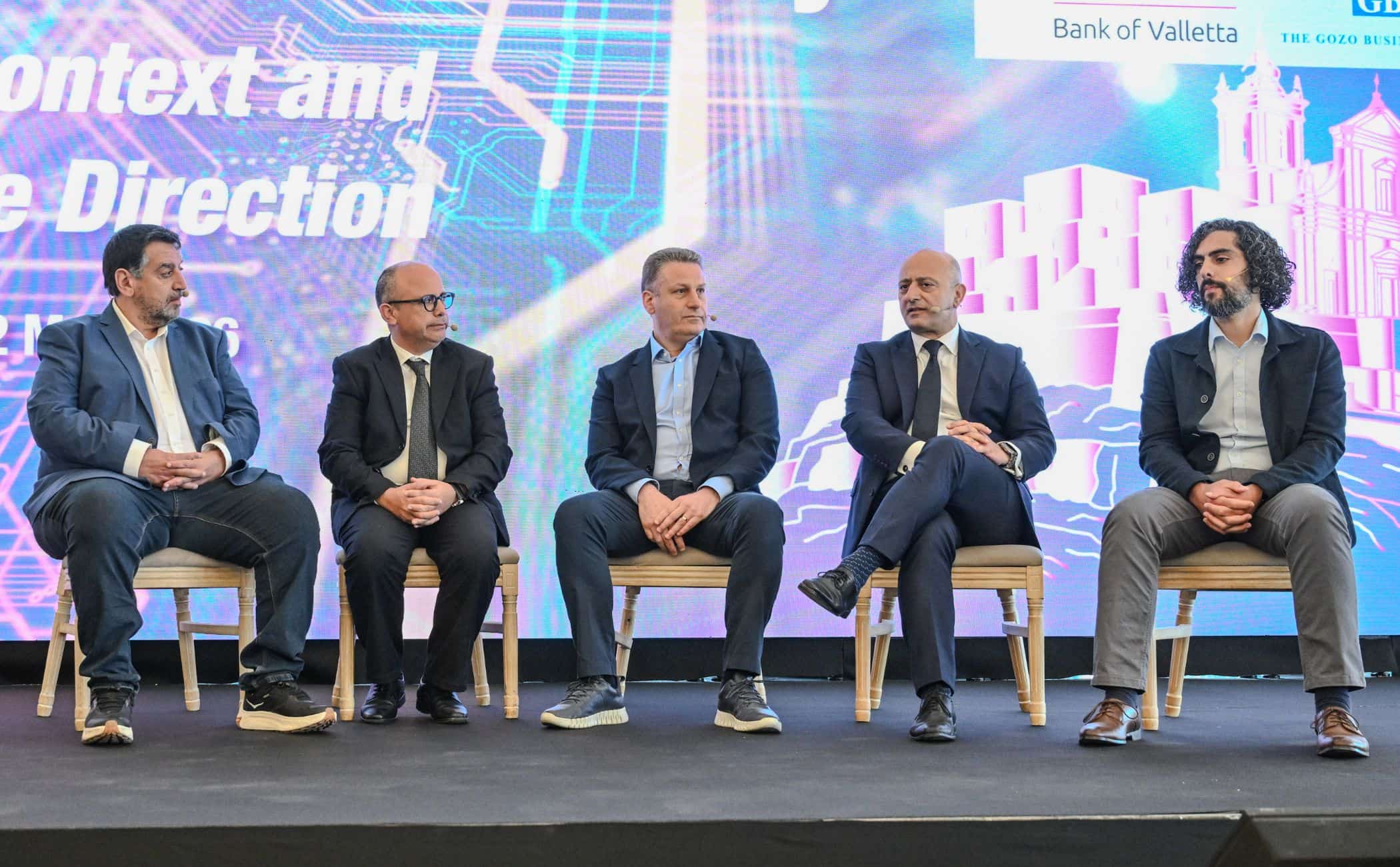
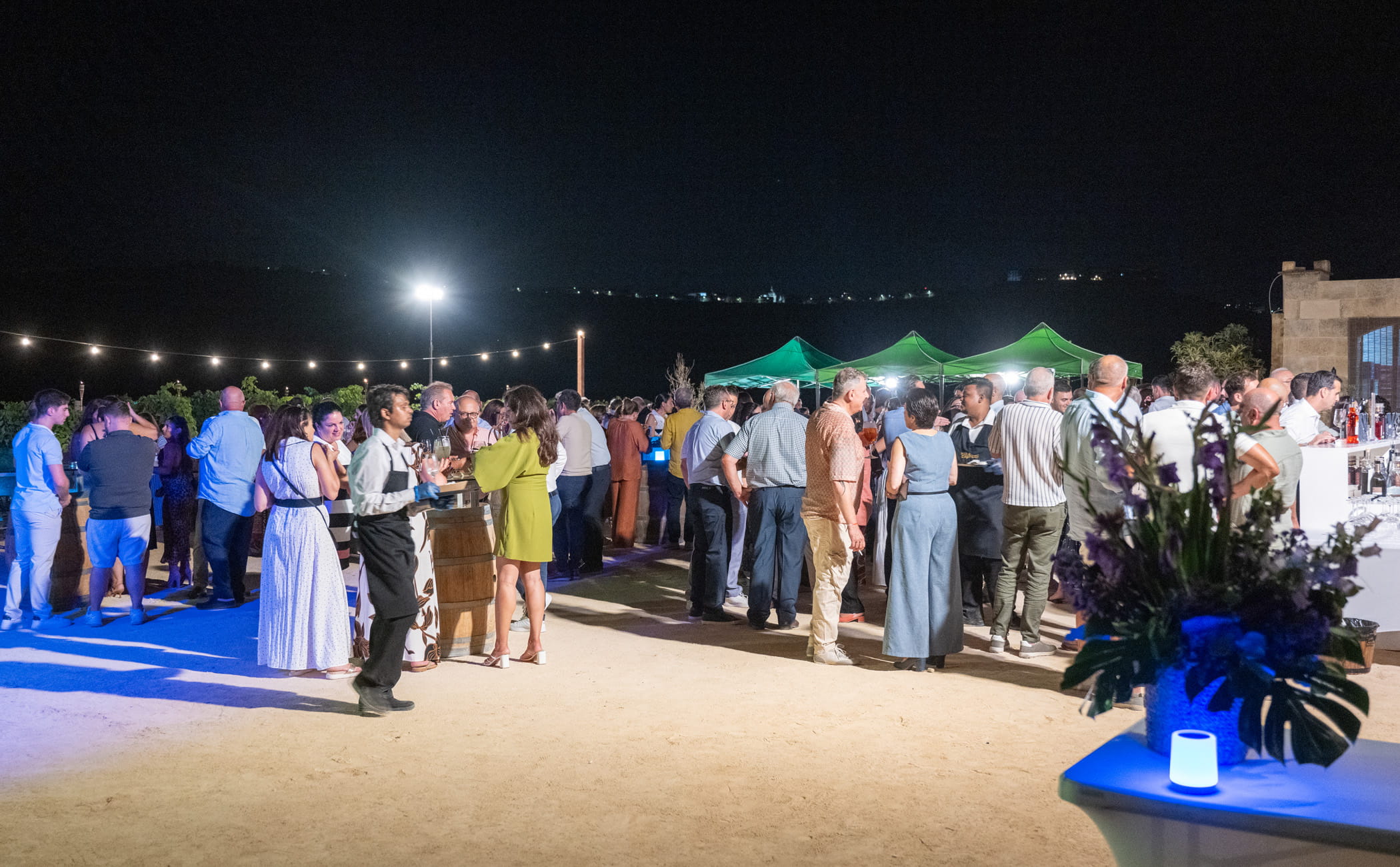
Bank of Valletta, in collaboration with the Gozo Business Chamber, organised a conference titled ‘Gozo’s Economy: The Context and Future Direction’, bringing together key stakeholders to discuss Gozo’s economic landscape amid an increasingly complex and uncertain global environment. The conference assessed Gozo’s economic performance, examined emerging challenges, and explored opportunities that can shape its future trajectory.
Malcolm Bray, Head of BOV’s Economics Department, delivered a presentation outlining the salient features of Gozo’s economy, highlighting both recent developments and the structural challenges shaping its future trajectory.
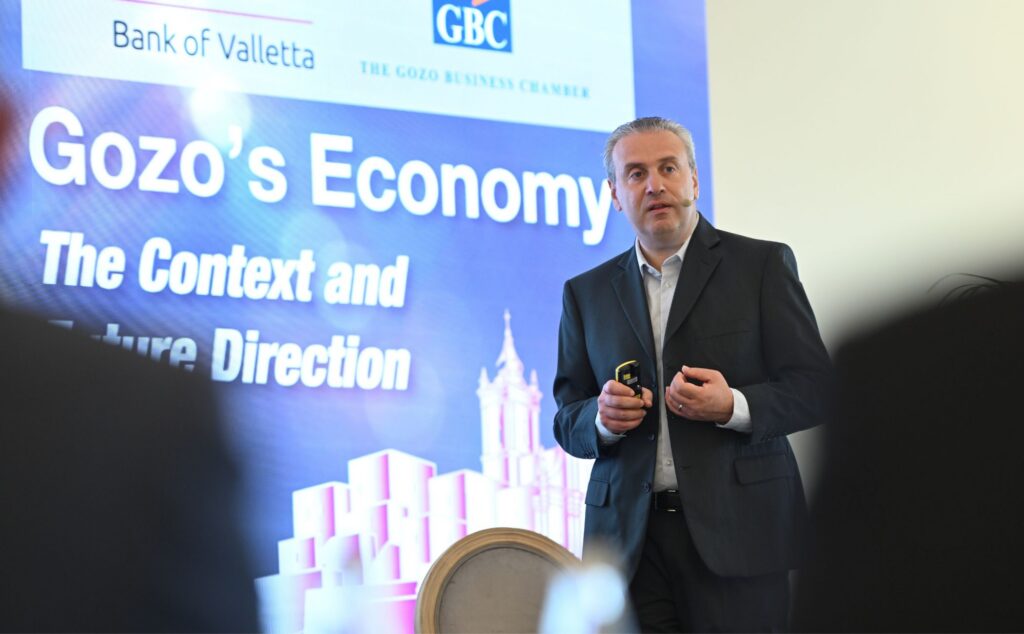
Gozo has continued to record economic growth broadly in line with Malta, although performance has remained more volatile, reflecting the island’s narrower and less diversified economic base. In 2024, Gozo generated close to €1 billion in gross value added, representing just over 4% of Malta’s overall economic output.
The population of Gozo has increased in recent years, mirroring national trends. Nevertheless, Gozo continues to face demographic pressures linked to ageing. Employment remains heavily concentrated in services, and unemployment remains low, underscoring a tight labour market.
Tourism activity has recovered strongly since the pandemic, supported by improved connectivity. However, Gozo continues to function primarily as a short‑stay destination. Property market activity has stabilised, with rents remaining more affordable than in Malta. Household wealth is among the highest nationally, largely reflecting high rates of property ownership.
Concluding his presentation, Mr Bray noted that “looking ahead, aligning investment, policy and finance with a higher‑value, sustainable and innovation‑led vision will be critical for Gozo to strengthen economic resilience while preserving its distinct identity.”
Juergen Attard, Senior Manager Policy & Research, Gozo Regional Development Authority (GRDA), focused on ‘Gozo’s Economic Future: Opportunities Through a Vibrant Start-Up Ecosystem’. He remarked that “Gozo’s economy has made significant progress, with sustained growth and near full employment. The next phase is to build on this momentum by diversifying into higher value-added sectors and improving the quality of employment, ensuring that Gozitans can continue to live and work on the island. An important component of this transition is the development of a vibrant start-up ecosystem, supported by an integrated framework that encourages innovation, entrepreneurship, and higher value-added economic activity.”
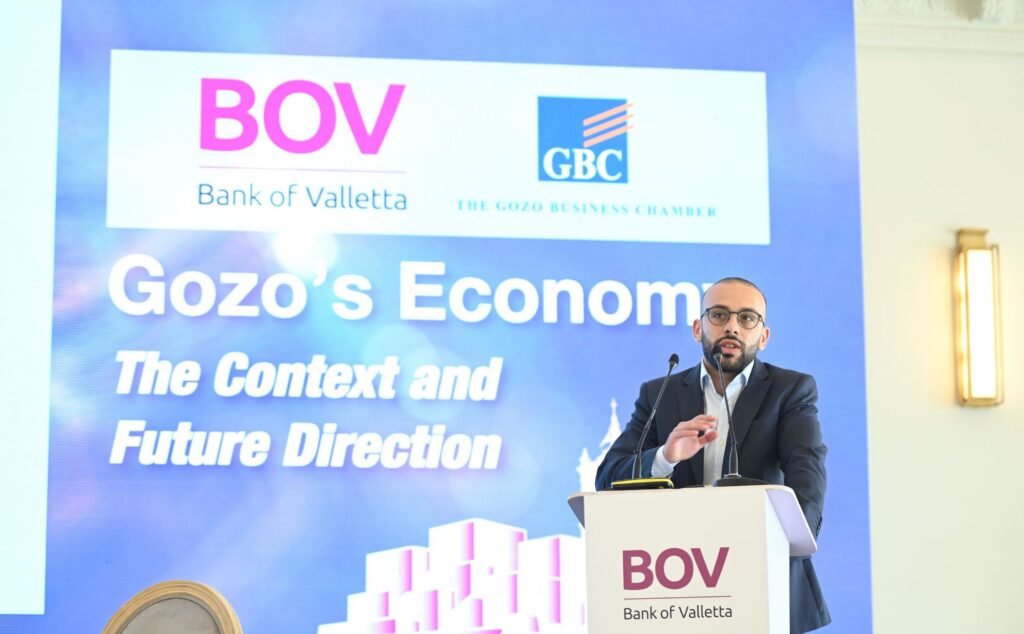
Michael Galea, President of the Gozo Business Chamber, stated, “The real opportunity for Gozo is not to replicate Malta’s model, but to redefine its own. Gozo has to build a resilient, innovative and high-value economy.” This was echoed by Daniel Borg, Chief Executive Officer of the Gozo Business Chamber, who highlighted the growing number of high value-added companies in Gozo, especially in the digital sector, which are mainly local. “With the right enabling environment, we can move towards an ecosystem of companies, which can help other start-ups succeed in this sector. Nonetheless, I believe that our focus should also revolve around youth. The Chamber, through the youth4entrepreneurship programme, is trying to instil in young entrepreneurs the confidence to pitch their business ideas about Gozo. We should continue to develop further such a framework,” he added.
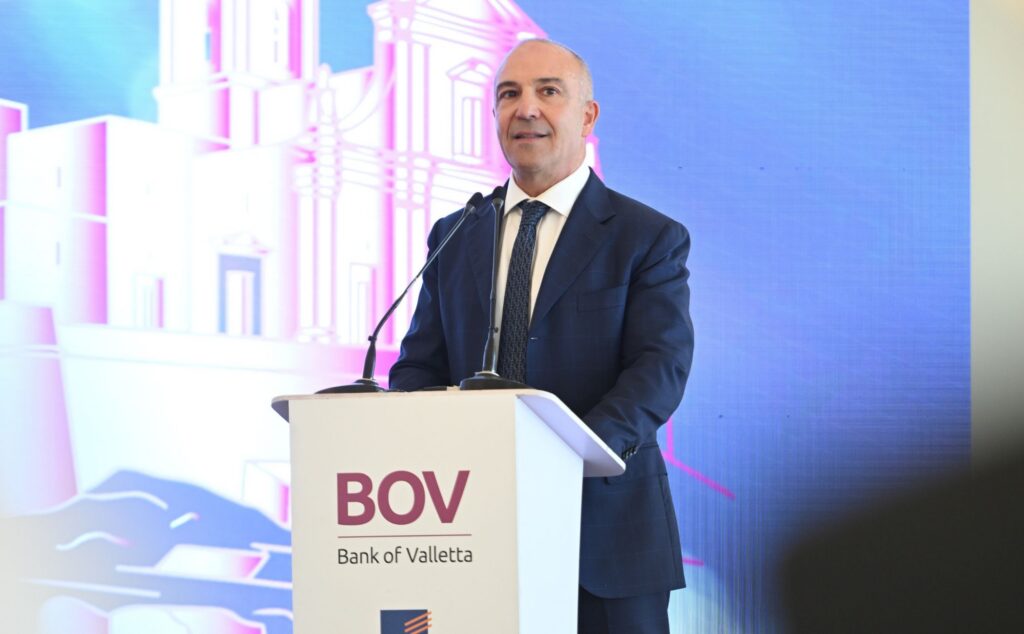
In his closing remarks, Kenneth Farrugia, Chief Executive Officer of Bank of Valletta, stressed that Gozo’s future depends on a clear shift towards quality‑driven, sustainable development, enabled through strong collaboration. He said that Gozo’s double insularity should be deliberately leveraged as a strategic advantage, positioning the island as an exclusive, high‑value destination supported by disciplined planning and responsible investment. Mr Farrugia outlined the need for targeted financing for quality tourism and value‑added enterprise, improved connectivity and digital infrastructure, and sustained investment in skills and talent retention, noting that BOV has a key role to play in enabling these outcomes. He concluded that turning vision into reality will require alignment between policymakers, the business community and financial institutions to ensure Gozo’s long‑term resilience and competitiveness.
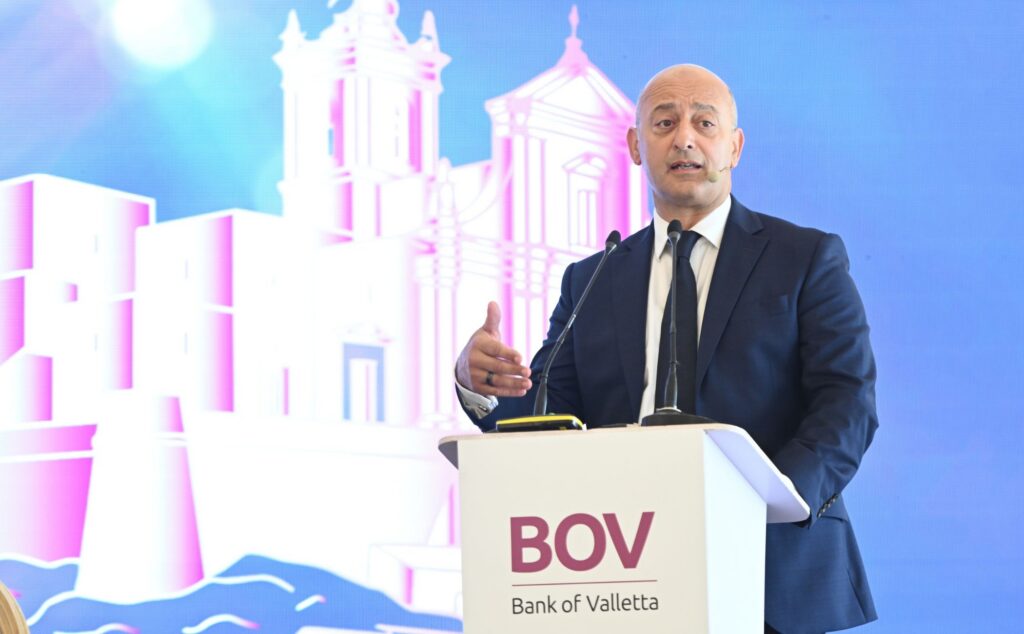
Kenneth Farrugia and Daniel Borg also participated in the panel discussion, alongside Ivan Falzon, CEO of the Gozo Regional Development Authority (GRDA); Mario Buttigieg, CEO of Fiduscorp Limited; and Omar Tanti, CEO of Threls. The discussion focused on Gozo’s economic resilience and weaknesses, investment and access to finance, infrastructure and sustainability, digital transformation and talent, as well as entrepreneurship and capital attraction.
...
...
...
...
...

...

...